wayground logo

Free Printable Worksheets

NEW

Font size

S
M
L
XL
Worksheets

Unit 2 quiz 3

Total questions: 30

Worksheet time: 31mins

Name
Class
Date
1.
Proteins are made of monomers called ___________
a)
Nucleotides
b)
Monosaccharides
c)
Amino Acids
d)
Glycerol and fatty acids
2.
The element _______is found in all of the organic compounds.
a)
Iron
b)
Nitrogen
c)
Carbon
d)
Oxygen
3.
DNA and RNA are examples of 
a)
Carbohydrates
b)
Lipids
c)
Proteins
d)
Nucleic Acids
4.
Which macromolecule is made of simple and complex sugars?
a)
lipids
b)
proteins
c)
carbohydrates
d)
nucleic acids
5.
Which macromolecule stores energy, insulates us, and makes up the cell membrane?
a)
lipids
b)
proteins
c)
carbohydrates
d)
nucleic acids
6.
This is one job proteins do NOT have in the body
a)
storing genetic information
b)
structure
c)
speed up chemical reactions
d)
transport things through cell membrane
7.
DNA and RNA are examples of...
a)
proteins
b)
nucleic acids
c)
carbohydrates
d)
lipids
8.
Unsatured fats are healthier for you. Which is an example of an unsaturated fat?
a)
butter
b)
bacon
c)
olive oil
d)
eggs
9.
Another name for fats and oils
a)
proteins
b)
sugar
c)
lipids
d)
nucleic acids
10.
Unsatured fats are healthier for you. Which is an example of an unsaturated fat?
a)
butter
b)
bacon
c)
olive oil
d)
eggs
11.
The word saccharide means:
a)
sugar
b)
glucose
c)
sweetener
d)
carbohydrate
12.

How how carbohydrates and lipids similar?

a)

both contain C, H, O, N, P and store energy

b)

both contain C, H, O, N and give energy

c)

both contain C, H, O, N, S and store energy

d)

both contain C, H, O and give energy

13.

What is the key role (function) of carbohydrates?

a)

energy storage

b)

immunity, muscles, structure for tissues, cell metabolism

c)

instant energy for cells and body functions

d)

genetic information (heredity)

14.

What elements (monomers) make up a protein?

a)

C, H, O

b)

C, H, O, N, (S)

c)

C, H, O, N, P

15.
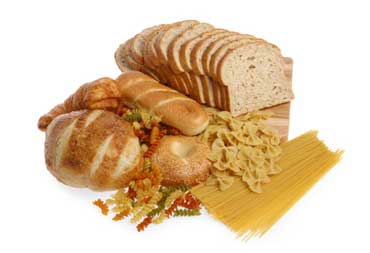
Which biomolecule is found in pasta and bread?
a)
Lipid
b)
Protein
c)
Nucleic Acid
d)
Carbohydrate
16.
Which biomolecule is a main source of quick energy?
a)
Nucleic Acid
b)
Protein
c)
Lipid
d)
Carbohydrate
17.
Which biomolecule is found in fats, oils, and waxes and is a source of long-term energy
a)
Proteins
b)
Nucleic Acid
c)
Lipids
d)
Carbohydrate
18.
What is the function of a nucleic acid?
a)
Stores genetic information
b)
Stores energy
c)
Quick source of energy
d)
Builds structures
19.

Which macromolecule is shown?

a)

lipid

b)

protein

c)

nucleic acid

d)

carbohydrate

20.
How many sugar units make up polysaccharides?
a)
one
b)
two
c)
more than two
d)
zero
21.
Enzymes are..
a)
nucleic acids 
b)
carbohydrates 
c)
lipids 
d)
proteins 
22.
Building blocks of the body, hair , muscles etc.
a)
protein
b)
nucleic acid
c)
lipids
d)
carbohydrates
23.
All polymers are made up of...
a)
monosaccharides
b)
monomers
c)
proteins
d)
None of these
24.
Lipids can be digested into what smaller subunits?
a)
nucleic acids
b)
amino acids
c)
fatty acids
d)
glucose
25.
All polymers are made up of...
a)
monosaccharides
b)
monomers
c)
proteins
d)
None of these
26.

What is the key role (function) of carbohydrates?

a)

energy storage

b)

immunity, muscles, structure for tissues, cell metabolism

c)

instant energy for cells and body functions

d)

genetic information (heredity)

27.

What elements (monomers) make up nucleic acids?

a)

C, H, O

b)

C, H, O, N, (S)

c)

C, H, O, N, P

28.

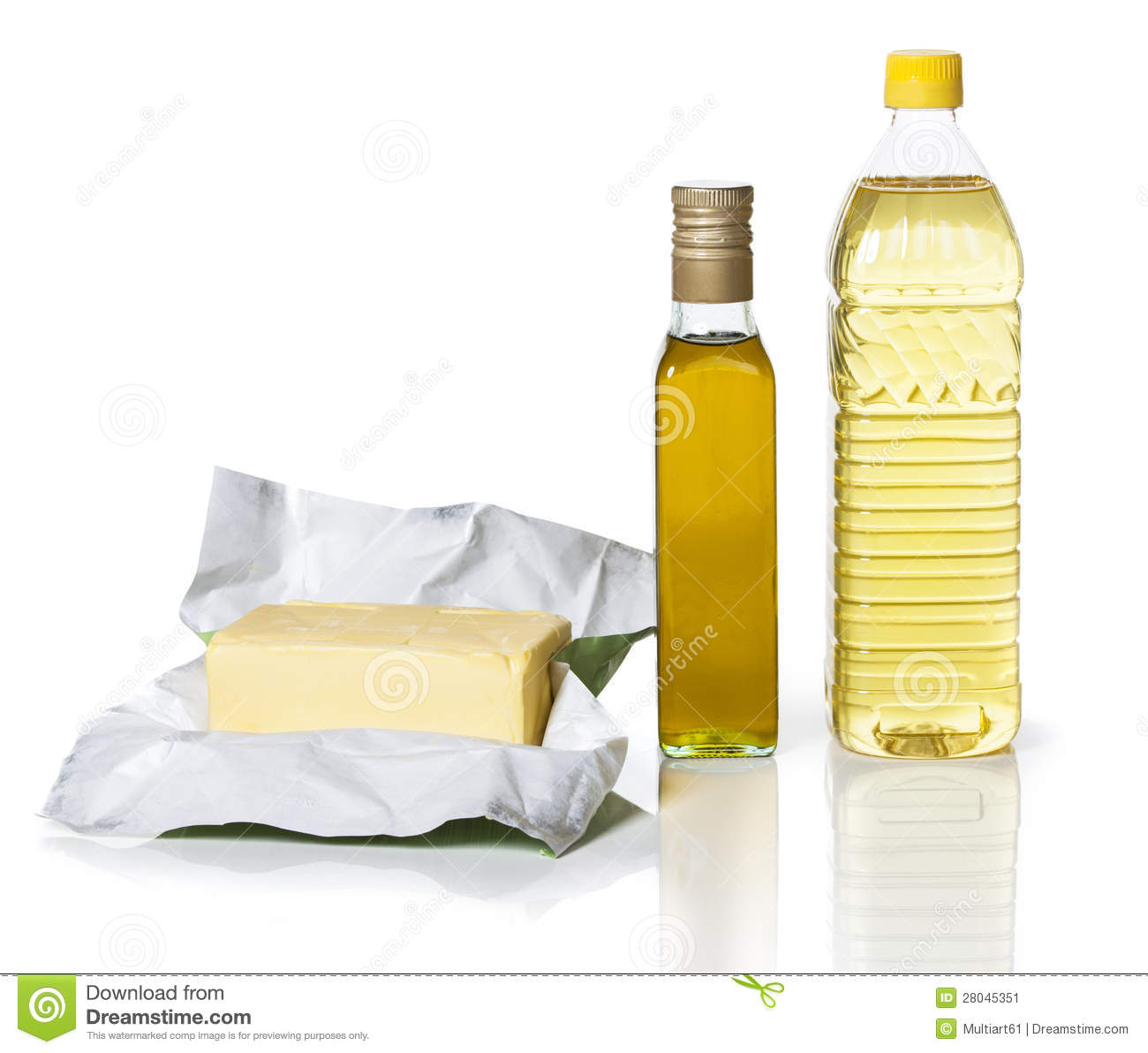
Identify the lipid:

a)
b)
c)
d)
29.

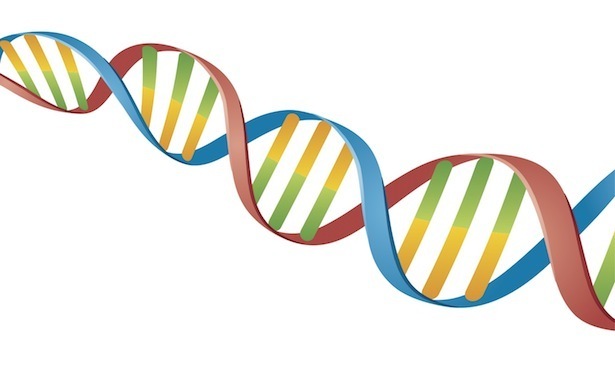
Identify the nucleic acid:

a)
b)
c)
d)
30.

The monomer for a protein is:

a)

amino acid

b)

fatty acid

c)

monosaccharide

d)

nucleotide