
 Worksheets
Tuesdays with Morrie Test
Total questions: 181
Worksheet time: 2hrs 47mins
a more or less symbolic fictional narrative
(a)
literary technique where two or more words share the same first consonant sound
(a)
What point of view was the story told from?
1st person
2nd person
3rd person onisient
3rd person omnipresent
What would be the mood of the book?
Anger, hatred, and revenge
Happy, harmonious, and hopeful
Sad, reflective, but hopeful
Dark, horrific, and depressing
Which figurative language is shown in the following: "Time seemed to be mourning..."Pg 167
simile
metaphor
hyperbole
personification
How is a flashback signified in the book?
italics
in parenthesis
always gives a date
Who is the protagonist in the book?
Morrie
Mitch
Connie
Paul
Who or what would not be an antagonist in the book?
Life's many tasks
ALS disease
Mitch
What genre would this book fit into?
Fantasy
Science Fiction
Nonfiction
Historical Fiction
Which is not an example of a conflict in the book?
finding someone to believe in you (Mitch)
connecting with an ill brother who doesn't want to be found
a battle with ALS
mounting health bills for Morrie and his family
Which of the following is an example of a FLAT character
Morrie
Connie
Which is an example of a round character
Mitch
Connie
Which character is an example of a STATIC character personality?
Morrie
Mitch
Which is an example of a DYNAMIC character personality?
Mitch
Morrie
Which one of these events would occur in the rising action portion of the story?
Morrie dies
Mitch reconnects with his brother
Mitch graduates from college for the first time
Mitch sees Morrie on TV
Which is not an example of the setting for the majority of the story?
West Newton (Boston suburb)
1990s
Detroit
Which of the following is not a mantra that Morrie utilized?
Everyday I will become a little more successful
When you're in bed, your dead
Love each other or die
Once you learn how to die, you learn how to live
What figurative language is in the following? "People see me as a bridge. I'm not as alive as I use to be, but I am not yet dead (Albom, 32-33)."
simile
metaphor
hyperbole
personification
Where would one find the epilogue?
after the story
in the middle of the story
before the story
Which of these could not be an acceptable moral for this book?
Seize the day
Live laugh love
Take ownership of mistakes
Be authentic
Foreshadowing (not used in this book) means:
knowing what will happen in the future
seeing the future
hinting at something that may happen
What does Morrie miss most due to his illness?
A) Teaching his classes.
B) Dancing.
C) Running.
D) Eating solid foods.
An alliteration is
the repetition of sounds at the beginning of words
the use of hints or clues to suggest what is to come
a short statement about a general principal of human behavior
words and phrases that have different meaning than their usual ones
An aphorism is
the placement of two dissimilar items, people, thoughts, places, etc. next to each other
a comparison of two things using their relation to each other
a comparison using like or as
a short statement about a general principal of human behavior
Figurative language is
the use of words to invoke pictures in one's mind
words and phrases that have different meaning than their usual ones
the use of hints or clues to suggest what action is to come
a comparison using like or as
A flashback is
a comparison using like or as
a short statement about humans in general
a scene that interrupts the regular story to show an event that happened in the past
the repetition of sound at the beginning of words
Foreshadowing is
the use of hints or clues to suggest what action is to come
the repetition of sounds at the beginning of words
a scene that interrupts the story to show an event that happened in the past
repeating a word or phrase for stylistic effect
Imagery is
the use of words to make readers visualize or gain an impression that is more than just the word itself
words or phrases that have different meaning than the one they usually have
the repetition of words or phrases for stylistic effect
the repetition of sounds at the beginning of words
Irony is
the use of hints or clues to suggest what is to come
a comparison of two things using like or as
the usage of language that normally signifies the opposite, typically for humorous or emphatic effect.
the art of eloquent speech or writing
Juxtaposition is
a situation, incident, idea, or image that is repeated to show significance in a literary work
a comparison using like or as
a clue or hint about what is to come
the placement of two dissimilar items, people, thoughts, etc. next to each other
A motif is
the reason why a character completes an action
a comparison of two things that aren't the same using one to describe the other
a situation, incident, idea, or image that is repeated to show significance in a literary work
the repeating of words or phrases for stylistic effect
A metaphor is
the repetition of sounds at the beginning of words
a scene that interrupts the story to show events in the past
the use of hints or clues to suggest what is to come
a comparison of two things that aren't the same using one to describe the other
A point of view is
an object, person, or place that has a meaning but also stands for something larger than itself
the position or vantage point from which the author wants the reader to see the story from
the art of eloquent writing or speaking
the repeating of sounds at the beginning of words
Repetition is
a comparison of two thing using like or as
repeating a word or phrase for stylistic effect
the art of eloquent writing or speaking
repeating a sound at the beginning of a word
A simile is
a comparison between two things that are not the same using one to describe the other
a comparison using like or as
an object, person, or place that has meaning itself but also stands for something larger than itself.
the art of eloquent speaking and writing
an unexpected reference to someone or something out of the text
allusion
anachronism
anaphora
anthropomorphism
What is an anachronism?
an act that leads to anarchy
something that has to do with acrobatics
something that is placed in a time to which it does not belong
something that is placed into a time to which it does belong
True or False: an anachronism can be accidental or unintentional
False
True
_________________ means: The repetition of a word or phrase at the beginning of successive clauses or phrases
anaphora
epistrophe
antithesis
parallelism
The difference between personification and anthropomorphism is:
Personification essentially turns an animal or inanimate object into a human like being that can reason, think and talk while anthropomorphism is to give an animal or inanimate object a simple human quality.
Anthropomorphism essentially turns an animal or inanimate object into a human like being that can reason, think and talk while personification is to give an animal or inanimate object a simple human quality.
There is no difference between the two. Anthropomorphism is the same as personification.
The definition of alliteration is:
Repetitive sounds produced by consonants within a sentence or phrase.
The repetition of vowel sounds, usually found in poetry and music.
The repetition of the same letter or sounds at the beginning of closely connected words.
The definition of alliteration is:
Repetitive sounds produced by consonants within a sentence or phrase.
The repetition of vowel sounds, usually found in poetry and music.
The repetition of the same letter or sounds at the beginning of closely connected words.
The definition of consonance is:
A word that sounds like what it means.
Repetitive sounds produced by consonants within a sentence or phrase.
The repetition of consonant sounds at the beginning of closely connected words.
The definition of assonance is:
The repetition of vowel sounds, usually found in poetry and music.
Applying human behaviors to animals, objects, or nonhuman entities.
Repetitive sounds produced by consonants within a sentence or phrase.
The repetition of consonant sounds at the beginning of closely connected words.
Description that creates a strong sense of familiarity through the senses is what?
Symbolism
Oxymoron
Idiom
Imagery
The use of representation (something representing an idea, belief, or setting) in literature is what type of figurative language?
Metaphor
Symbolism
Representation
Simile
A simile is what?
A comparison between two unlike things using the words "like" or "as".
A comparison between two unlike things in which one thing becomes another.
Expression of one's meaning by using language that normally signifies the opposite.
Simile and metaphor both compare two unlike things. The difference between them is:
A simile turns one of the unlike things into the other while a metaphor just compares them to each other using like or as.
A metaphor turns one of the unlike things into the other while a simile just compares them to each other using like or as.
The definition of onomatopoeia is:
A really long word that sounds like what it means.
The use of opposite or contradictory terms together for emphasis
An example of literal language
A word that sounds like what it means.
An oxymoron is:
A word that sounds like what it means.
A statement of proposition which is self-contradictory, unreasonable or illogical
The use of opposite or contradictory terms together for emphasis
To give a human quality or ability to something non-human.
A statement or proposition which is self-contradictory, unreasonable or illogical is:
Metaphor
Paradox
Simile
Ironic
Applying human behavior to animals, objects, or nonhuman entities is:
Anthropomorphism
Metaphor
Personification
An obviously exaggerated statement not meant to be taken literally is:
Imagery
Idiom
Hyperbole
The comparison between two unlike things in which one thing becomes another is a(n):
Simile
Metaphor
Idiom
Irony is:
An expression of one's meaning by using language that normally signifies the opposite.
An expression using familiar phrases that are not meant to be taken literally and do not make sense outside of the historical meaning of the expression.
The use of opposite or contradictory terms together for emphasis
A statement of proposition which is self-contradictory, unreasonable or illogical
The difference between consonance, alliteration, and assonance is:
Consonance is the same as alliteration in that it is the use consonant sound but only at the beginning of sentences. Alliteration is the same consonant sound throughout the sentence of phrase. Assonance is the use of vowel sounds within a sentence of phrase such as that found in poetry.
Alliteration is the use of the same letter or sound at the beginning of sentences. Consonance is the same consonant sound throughout the sentence of phrase. Assonance is the use of vowel sounds within a sentence of phrase such as that found in poetry.
the direct opposite, a sharp contrast
antithesis
disparage
edict
alleviate
“Of course, I’ll remember,” said Cinderella, but as her coach carried her toward the ball, the warning was replaced in her mind with images of dancing and music.
Which of the following statements is TRUE for imagery?
It is only used in poetry
It often uses figurative language
It often uses literal language
It can only be understood when written in third-person
How does imagery help readers understand a passage?
It expresses how the author is feeling
It tells readers the mood
It is written using first-person
It helps readers visualize the events being described
What is a simile?
A comparison of two things not using "like" or "as"
A comparison of two things that uses "like" or "as"
A person, place or thing
A phrase that says one thing but means another
Which one of the following IS a simile?
Her hair was like snow.
You are my sunshine.
Success is key.
He is a night owl.
What is consonance?
The repetition of any letter sound in a line
The repetition of words or phrases in a poem
The repetition of vowel sounds in a line
The repetition of consonant sounds in a line
What is assonance?
The repetition of any letter sounds in a line
The repetition of consonant sounds in a line
The repetition of vowel sounds in a line
the repetition of a word or phrase
Goodnight, sleep tight, don't let the bedbugs bite
consonance
alliteration
assonance
metaphor
What is alliteration?
The repetition of a letter in a line
the repetition of only vowel sounds
the repetition of a letter sound in a line
the repetition of words at the end of a poem
What is consonance?
The repetition of any letter sound in a line
The repetition of words or phrases in a poem
The repetition of vowel sounds in a line
The repetition of consonant sounds in a line
What is assonance?
The repetition of any letter sounds in a line
The repetition of consonant sounds in a line
The repetition of vowel sounds in a line
the repetition of a word or phrase
What is onomatopoeia?
word that represents a sound
a word that gives meaning
word that represents an idea
it is a different word for alliteration
deafening silence
oxymoron
not an oxymoron
A collection of selected literary passages
anthology
heirarchy
capacity
solace
Confiscate: Joanne’s mother came up to the school to get the cell phone the teacher had confiscated.
using authority to take something
persuade by use of a deception
used to move a heavy object
break into pieces
to slip away; to go by
affluent
elapse
alleviate
recede
to go abroad; to make a start; to invest
embark
facile
infallible
assent

a person new to or inexperienced in a field or situation
variable
novice
evoke
precise
suffer complete ruin or destruction
lack
invoke
perish
ambush
"a band of warriors"
altercation
microcosm
cohort
array
Which word is defined as:
to undergo or exist in a state of progressive deterioration
fester
privilege
incorrigible
harangue
gawk is
stare open-mouthed
adding water to something that is dry
using language to express ideas and personality
What does "Muskie" mean?
Fish
Frog
Dog
Hen

Trembling
Psychopathic
Sublime
Tremulous
Whims
Trembling; weak or timid
Tremulous
Dubious
Auspicious
Sudden thought or idea to do
something.
din
epic
whim
narrative
The doctor is going to perform a tissue __________ to see if cancer is present in my lungs.
biopsy
cauterize
recede
cascade
so great or demanding as not to be satisfied; can't get enough of
insiatiable
insaitiable
insatiable
My father lives by the __________, “Waste not, want not.”
aphorism
mendicant
paean
obeisance
aphorisms
sayings
sentences
sentiments
myths
bisected
paid for
carefully washed
selected
cut in two
definition of Aphorisms
A short witty sentence
A long witty sentence
A short dumb sentence
A long dumb sentence
postponements
discredit
vigil
censure
deferments
to grieve or mourn (at the loss of) 🥺☹️
lamented
gallant
vengeance
thwart
a felling of being isolated and alone
segregation
ethnicity
perception
alienation
What does the term "Aphorism" mean?
A long detailed story
A short pithy instructive saying
A type of fabric
A medical condition

Which word describes a lack of arrogance or false pride?
Cynical
Gaunt
Humility
Insidious

What does "Deferment" refer to?
The act of declining an offer
The act of putting off to a future time
The act of transferring property
The act of speeding up a process
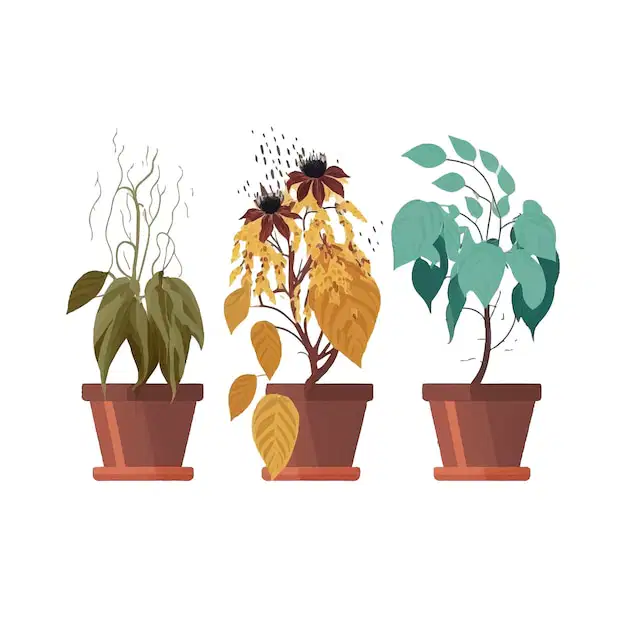
What does "Atrophied" mean in medical terms?
Increased in size
Maintained strength
Diminished in size or strength
Fully recovered
What does "Cynical" describe about a person's view on human nature?
Optimistic and positive
Neutral and unbiased
Believing the worst
Highly trusting
Identify the correct definition for atrophied.
Expects the worst to happen
Withered away
Showing pity for others
Distrustful of humans
Identify the correct definition for cynical.
Distrustful of other humans
A remedy/treatment
Yearning to return to the past
Filled with self-importance
Identify the correct definition for compassion.
A remedy/treatment
Withered away
Filled with self-importance
Showing pity for others
Identify the correct definition for pessimist.
Showing concern for others
Someone who expects the worst to happen
Someone who expects the best to happen
Filled with self-importance
Identify the correct definition for nostalgia.
Distrustful of other humans
Withered away
Hoping to return to the past
Mrs. Johnson is super awesome!
Identify the correct definition for egotistical.
Filled with love
Filled with happiness
Filled with self-importance
Filled with air
Identify the correct definition for antidote.
A headache
An appetite
An attitude
A remedy/treatment
having wasted away or decreased in size (as from disease or disuse)
atrophied
revel
exert
freedom from pride or arrogance : the quality or state of being humble
humility
atrophied
exert
to put forth (strength, effort, etc.)
exert
atrophied
revel
to take intense pleasure or satisfaction
revel
humility
oblivion
a tendency to a particular aspect, state, character, or action
inclination
oblivion
atrophied
one gifted with more than ordinary spiritual and moral insight
prophet
inclination
deficient
the condition or state of being forgotten or unknown
oblivion
prophet
revel
lacking in some necessary quality or element
deficient
oblivion
prophet
excessively thin and angular
gaunt
deficient
narcissist
an extremely self-centered person who has an exaggerated sense of self-importance
narcissist
gaunt
prophet
Finally, when nothing could be found, one doctor ordered a muscle__________ taking a small piece out of Morrie's calf. (examine a piece of tissue or an organ)
cynical
biopsy
aphorism
demise
Study me in my slow and patient ___________. (death)
imminent
biopsy
insatiable
demise
His desire to dance was ________ (impossible to satisfy)
nostalgic
egotistical
insatiable
rational
biopsy
study of atmosphere
study of tissues
study of biology
study of biography
demise
death
awakening
suffering
darkness
insatiable
hungry
lacking air
unhappy
never satisfied
aphorism
inscription
witty statement expressing a truth
terminal disease
statement expressing sorrow
humility
modesty
shy
uneasy
thoughtfulness
deferment
postponement
discontinue
injure
protests
lamented
missed dearly
praised
strongly disliked
expressed sorrow
imminent
detestable
forthcoming
reasonable
unlikely to happen
ambivalence
desire for the past
uncaring
uncertainty
apathy
alienation
isolation
death
loneliness
never satisfied
atrophied
removed
carried
tired
worn away
cynical
truthful
pessimistic
critical
unsure
rational
prone to rashes
sly
reasonable
impulsive
insidious
sly
invasive
wasteful
yo dawg I heard you like peaches
clamoring
digging for clams
collaborating
protesting
arguing
nostalgia
uncertain
fear of noses
indefinite
longing for the past
egotistical
highly perceptive
reflective
heightened sense of self
french fries for the win!
an examination of tissue removed from a living body to discover the presence, cause, or extent of a disease.
biopsy
demise
insatiable
aphorisms
a person's death
humility
demise
insatiable
aphorisms
(of a person) having an insatiable appetite or desire for something
humility
deferments
insatiable
aphorisms
a pithy observation that contains a general truth, such as, “if it ain't broke, don't fix it.”
humility
deferments
lamented
aphorisms
a modest or low view of one's own importance; humbleness
humility
deferments
lamented
alienation
the action or fact of putting something off to a later time; postponement
atrophied
deferments
lamented
alienation
a conventional way of describing someone who has died or something that has been lost or that has ceased to exist
atrophied
cynical
lamented
alienation
the state or experience of being isolated from a group or an activity to which one should belong or in which one should be involved
atrophied
cynical
insidious
alienation
body tissue or an organ wasted away or rudimentary
atrophied
cynical
insidious
intrusive
believing that people are motivated by self-interest; distrustful of human sincerity or integrity
clamoring
cynical
insidious
intrusive
proceeding in a gradual, subtle way, but with harmful effects
clamoring
nostalgia
insidious
intrusive
causing disruption or annoyance through being unwelcome or uninvited
clamoring
nostalgia
imminent
intrusive
shout loudly and insistently
clamoring
nostalgia
imminent
ambivalence
a sentimental longing or wistful affection for the past, typically for a period or place with happy personal associations
opiate
nostalgia
imminent
ambivalence
about to happen
opiate
antidote
imminent
ambivalence
the state of having mixed feelings or contradictory ideas about something or someone
opiate
antidote
indecipherable
ambivalence
dull the senses of (someone) with or as if with opium
opiate
antidote
indecipherable
solidarity
a medicine taken or given to counteract a particular poison
transcend
antidote
indecipherable
solidarity
not able to be read or understood
transcend
deficient
indecipherable
solidarity
unity or agreement of feeling or action, especially among individuals with a common interest; mutual support within a group
transcend
deficient
teeming
solidarity
be or go beyond the range or limits of or to surpass
transcend
deficient
teeming
condemned
not having enough of a specified quality or ingredient
lilting
deficient
teeming
condemned
be full of or swarming with
lilting
exertion
teeming
condemned
sentenced to a particular punishment
lilting
exertion
radical
condemned
speak, sing, or sound with a lilt
lilting
exertion
radical
inclination
physical or mental effort
revel
exertion
radical
inclination
relating to or affecting the fundamental nature of something; far-reaching or thorough; a person who advocates thorough or complete political or social reform; a member of a political party or part of a party pursuing such aims
revel
oblivion
radical
inclination
a person's natural tendency or urge to act or feel in a particular way; a disposition or propensity
revel
oblivion
radical
inclination
enjoy oneself in a lively and noisy way, especially with drinking and dancing
revel
oblivion
radical
inclination
When something withers away or shrivels up, what is that called?
accentuated
atrophied
applicable
anatomical
What is the most important thing in life?
Life
Love
Friendship
Family

