
 Worksheets
3.5 Mastery Check - Types of Chemical Bonds Quiz
Total questions: 50
Worksheet time: 1hrs 8mins
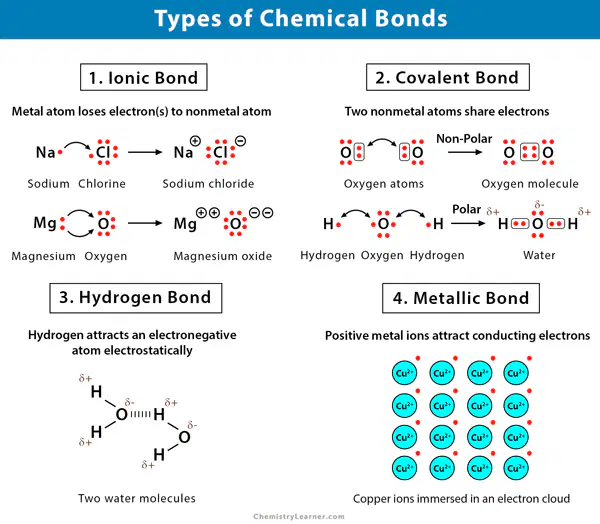
What type of bond involves electrons being transferred from metal to nonmetal?
Ionic
Polar Covalent
Non-Polar Covalent
Metallic
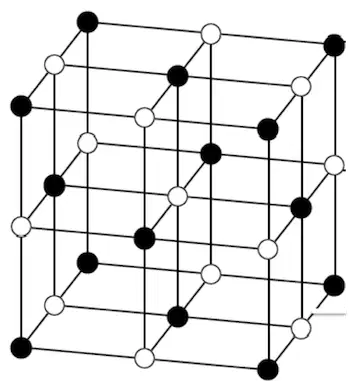
Which type of bond forms a crystal lattice structure?
Ionic
Polar Covalent
Non-Polar Covalent
Metallic

What is the electronegativity range for polar covalent bonds?
>1.7
0.5-1.7
<0.5
1.0-2.0

Which type of bond is usually found in liquids or gases only?
Ionic
Polar Covalent
Non-Polar Covalent
Metallic
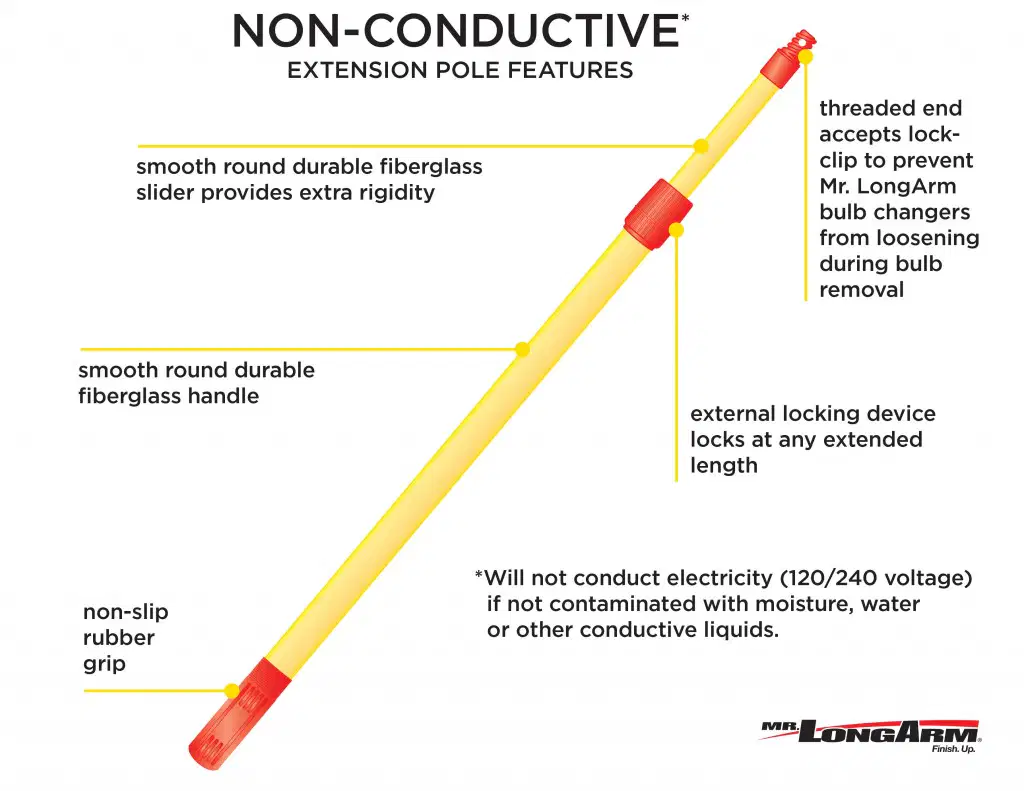
Which type of bond does not conduct electricity in any state?
Ionic
Polar Covalent
Non-Polar Covalent
Metallic

What type of bond is frequently flammable?
Ionic
Polar Covalent
Non-Polar Covalent
Metallic
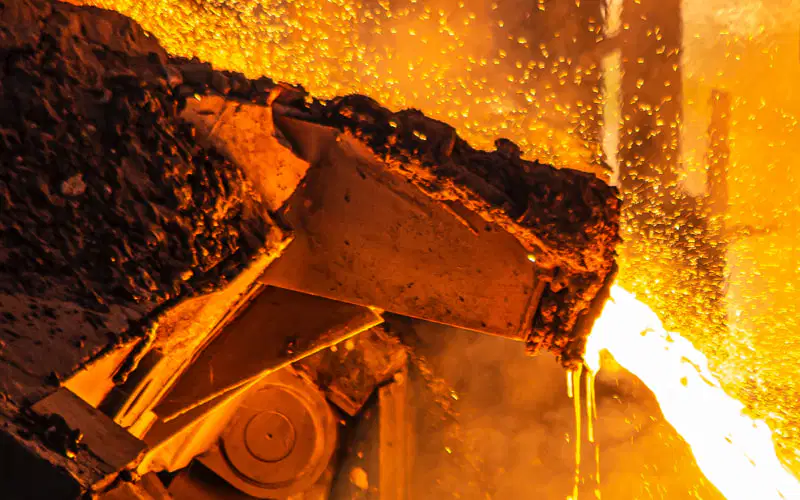
Which type of bond has a high melting point?
Ionic
Polar Covalent
Non-Polar Covalent
Metallic

Which type of bond involves partial charges but no ions?
Ionic
Polar Covalent
Non-Polar Covalent
Metallic

Which type of bond does not dissolve in water?
Ionic
Polar Covalent
Non-Polar Covalent
Metallic

What is an example of a non-polar covalent compound?
NaCl
Sugar
Carbon dioxide
Water

Which type of bond forms hard, rigid, brittle solids?
Ionic
Polar Covalent
Non-Polar Covalent
Metallic

Which type of bond is a poor conductor of electric current?
Ionic
Polar Covalent
Non-Polar Covalent
Metallic

Which type of bond has no charges and no ions?
Ionic
Polar Covalent
Non-Polar Covalent
Metallic

Which type of bond involves electrons shared equally?
Ionic
Polar Covalent
Non-Polar Covalent
Metallic

What is an example of an ionic compound?
Sugar
NaCl
Carbon dioxide
Water
Which type of bond is characterized by a sea of electrons?
Ionic
Polar Covalent
Non-Polar Covalent
Metallic
What type of bond is typically found in salts?
Ionic
Polar Covalent
Non-Polar Covalent
Metallic
Which type of bond allows for malleability and ductility?
Ionic
Polar Covalent
Non-Polar Covalent
Metallic
Imagine Ava, Henry, and Abigail are in a science competition. They are asked: 'What is electronegativity, and how does it relate to chemical bonding?' Can you help them out?
A. It's the size of an atom
B. It's the ability of an element to attract electrons in a bond
C. It's the number of protons in an atom
D. It's the mass of an atom
Elijah, Benjamin, and Anika are having a heated debate in their chemistry class. They are trying to figure out which type of bond occurs when two atoms have similar electronegativities, resulting in an even sharing of electrons. Can you help them settle this debate?
A. Polar Covalent
B. Nonpolar Covalent
C. Ionic
D. Metallic
Olivia, Kai, and Benjamin are in a chemistry lab, working on a project. They are trying to identify the type of bond that forms when there's a significant difference in electronegativity between two atoms, leading to unequal sharing of electrons. Can you help them identify the correct bond type?
A. Polar Covalent
B. Nonpolar Covalent
C. Ionic
D. Hydrogen
Imagine Scarlett, Ethan, and Emma are in a chemistry lab. They are experimenting with different atoms and notice that the electronegativity difference between two atoms is between 0.5 and 1.7. Can you help them figure out which type of bond is formed in this scenario?
A. Polar Covalent
B. Nonpolar Covalent
C. Ionic
D. Metallic
True/False: In a polar covalent bond, electrons are shared equally between atoms.
True/False: In an ionic bond, electrons are transferred from one atom to another.
What is the electronegativity difference between hydrogen (H) and chlorine (Cl) atoms, and what type of bond do they form?
A. Electronegativity difference: 0.9, Type of bond: Polar Covalent
B. Electronegativity difference: 0.4, Type of bond: Polar Covalent
C. Electronegativity difference: 2.1, Type of bond: Ionic
D. Electronegativity difference: 1.2, Type of bond: Metallic
Abigail, Elijah, and Liam are having a heated debate in their chemistry class. They are trying to figure out which type of bond involves the complete transfer of electrons from one atom to another. Can you help them settle this debate?
A. Polar Covalent
B. Nonpolar Covalent
C. Metallic
D. Ionic
Does Br gain or lose electrons?
gain (-)
lose (+)
lose (-)
gain (+)
H2O is an example of a -
ionic bond
polar covalent bond
metallic bond
Non-polar covalent bond
LiF is an example of a -
ionic bond
covalent bond
metallic bond
The octet rule state that for an atom to be stable (happy) it needs how many valence electrons?
2
4
6
8

The law of electric charges says that ___
like charges attract, opposites repel
like charges repel, opposites attract
nuclei attract each other
electrons are clingy

When shared unequally, electrons spend most of their time around the atom with ___
the lower electronegativity
the higher electronegativity
more charisma
less charisma

What type of bond is formed when shared electrons are attracted to one atom more than the other?
an ionic bond
a polar covalent bond
a nonpolar covalent bond
a hydrogen bond

When electrons are evenly shared between two identical atoms, what type of bond forms?
a hydrogen bond
a nonpolar covalent bond
a polar covalent bond
an ionic bond

When a bond is formed, and the difference in electronegativities is tiny, we call that ___
an ionic bond
a polar covalent bond
a nonpolar covalent bond
an intermolecular bond

Which elements tend to form covalent bonds?
metals
metals and non-metals
nonmetals and sometimes metalloids
metalloids

Metals have loosely-held outer electrons, so they're constantly dropping them and becoming ___
negative ions
positive ions
anions
onions

What type of ions are commonly formed from halogens?
negative ions
positive ions
cations
cautions

What type of bond is formed between a positive ion and a negative ion?
an ionic bond
a polar covalent bond
a nonpolar covalent bond
a treasury bond

Sodium and chloride ions are strongly attracted to each other due to their ___
like charges
opposite charges
charisma
small electronegativity difference

Because of the way the ions act together, ionic compounds in their solid form are often ___
crystalline
soft
malleable
conductive

Once they're separated or dissolved, the ions from ionic compounds allow the solution to ___
conduct electricity
radiate light
become charged
precipitate a solid

