
 Worksheets
Ecosystems Review-Unit 3
Total questions: 152
Worksheet time: 3hrs 19mins
What is the role of water, soil, susnshine, and rocks in an ecosystem?
They are all biotic factors.
They are all eaten by animals in the ecosystem.
They are all abiotic factors.
They are all producers of their own food.
Choose all the biotic factors.
cacti
sand
snakes
coyotes
Choose all the abiotic factors.
sand
rocks
camels
air
Which of the following is an example of an ecosystem?
all the living and nonliving things in a pond
all the frogs in a pond
all the living things living in a pond
Some organisms use dead things as food matter
True
False
All the energy that organisms get from food matter originally comes from sunlight
True
False
Soil never changes. It always stays the same
True
False


Use the food chain below to answer the following question:
Forest food chain
trees → bugs→ birds → fox
If the trees are destroyed in a forest fire, what could happen to the rest of the food chain?
there will be no change in the food chain
the population of the primary producers will increase
the population of the consumers will increase
the population of the consumers will decrease
Decomposers such as fungi, insects, and molds get their energy from __________.
Water
Decaying plants and animals
Fertilizer
All of the above
One year, there are more new snakes hatched in the forest than in other years. How would this affect the other organisms that year?
The plants would have fewer nutrients.
There would be an increase in the number of birds
The tigers would have more to eat.
There would be fewer mushrooms
The student draws a diagram to show the roles of the producers, consumers, and decomposers in the rainforest. How is the role of the decomposers different from the role of the producers?
The decomposers eat the plants to get energy.
The decomposers make food using energy from the sun
The decomposers provide nutrients for the atmosphere.
They decomposers break down dead organisms.
A student is developing a model of an ecosystem. Why does she want to include the sun in her model?
The sun is needed to make the seasons on Earth.
The sun keeps everything warm on Earth.
The sun allows plants and animals to be part of the same ecosystem.
The sun provides the energy for the production of food in the ecosystem.
Which of the following statements about producers is CORRECT?
they make their own food
they eat other organisms
they make things other than food
they obtain food by breaking down the remains of other living things
Which of the following statements about consumers is CORRECT?
they make their own food
they eat other organisms
they make things other than food
they obtain food by breaking down the remains of other living things
All animals in an ecosystem depend on __________ for energy.
Decomposers
Producers
Consumers
Herbivores

A student wants to build a model of a grasslands food chain that includes a frog, grasshopper, snake, and grass. Which organism belongs in this food chain immediately after the Sun?
Grass
Frog
Snake
Mosquito
Use the food chain below to answer the following question:
Forest food chain
trees → bugs→ birds → fox
If the trees are destroyed in a forest fire, what could happen to the rest of the food chain?
there will be no change in the food chain
the population of the primary producers will increase
the population of the consumers will increase
the population of the consumers will decrease

What is missing in this simple food chain?
Consumer
Producer
Decomposer
Herbivore
2. the sun in an ecosystem
what are the main categories in an ecosystem
what are the self sustaining producers
what is a common threat to every ecosystem
what is the first step in most ecosystems
ecosystem
what is organic dead products and dead material
what do we call the interaction of animals plants and organisms in a forest
what is a common threat to every ecosystem
what do animals plants and other organisms have to do in a forest
8. food for decomposers to feed
what is a common threat to every ecosystem
what are the main categories in an ecosystem
what is organic dead products and dead material
what is the first step in most ecosystems
What type of living thing can make its own food?
consumer
producer
decomposer
carnivore
Movement of energy in a sequence is called a
ecosystem
niche
food chain
habitat
The Living and nonliving things that interact in an area
ecosystem
habitat
niche
population
An animal that eats plants or other animals
consumer
producer
decomposer
food chain
A living thing that feeds on the remains of plants and animals
producer
consumer
decomposer
niche
During a drought, the available resources in a habitat wil
increase
stay the same
decrease
If a predator moves into an area with a large population of its prey, what will happen to the population of the prey?
decrease
increase
increase, then decrease
decrease, then increase
When a vine grows up a tree and blocks the sunlight causing the tree to die, what is this an example of?
climate changing an environment
trees meeting a basic need
a biotic factor changing an environment
pollution harming an environment
Deer are herbivores that feed on the small leaves of plants. What might happen if more deer move into an area?
The deer population will not change.
Small plants can become scarce, causing a decrease in the deep population.
Deer will learn to eat mice and rabbits.
Other plants will grow better.
A population of mice lives in a barn community. A cat population has just joined the community. What will happen?
mouse and cat populations both go up
mouse and cat populations both go down
mouse population goes down as cat population goes up
mouse population goes up as cat population goes down
A mushroom is growing on the stump of a dead tree. What could you infer about the role of the mushroom?
The mushroom is a producer, using the sun's energy to make its own food.
The mushroom is a decomposer, causing the stump to decay slower.
The mushroom is a herbivore, getting nutrients from the stump.
The mushroom is a decomposer, causing the stump to decay faster.

The diagram above shows a simple food web. What do you think would happen if the number of meat-eating fish decreased? Check all that apply.
The number of seals and sea otters will increase.
The organisms eaten by the meat-eating fish, plant-eating fish and shrimp and crab larvae, would increase.
The organisms eaten by the meat-eating fish, plant-eating fish and shrimp and crab larvae, would decrease.
The number of seals and sea otters will decrease.

Suppose many fish in the food web above died from disease. What would happen to the seal and water plant populations?
The number of seals and water plants would both increase.
The number of seals and water plants would both decrease.
The number of seals would increase and the water plants would decrease.
The number of seals would decrease and water plants would increase.
A ____________ is an illustration that shows how energy is passed from one living thing to another.
herbivore
food chain
food web
carnivore
A ___________ is an illustration that shows how animals are connected in their search for food within an ecosystem.
decomposer
food chain
food web
herbivore
Green plants can make food in their leaves. A living thing that can make food with energy from the sun is called a _____________________.
consumer
producer
omivore
decomposer
Animals get their energy by eating plants and animals. A living thing that needs to eat to obtain energy is called a ______________________.
omnivore
consumer
decomposer
carnivore
Mushrooms can not make their own food and the do not eat food. Instead, they get their energy by breaking down and absorbing dead organic matter. These types of living things are called _______________________.
omnivore
carnivore
consumers
decomposers

Name the living thing in the food web that is a producer.
(a)

What living things does the wild cat consume?
goat,rabbit,rat
rabbit, rat
owl, lion, fox

What living things does the hawk eat
(a)

What is eaten by the goat, rabbit, and mouse?
(a)

Which item in this food chain is a producer ( makes its own food)?
leaf
caterpillar
blue bird
hawk
Which of the following is a nonliving part of an ecosystem?
grass
water
birds
bacteria
Which of the following is a decomposer?
bacteria
fungi
worms
all of them
Choose all of the biomes.
Andalusia
rainforest
desert
grasslands
The living and nonliving things in an environment or area.
ecosystem
food web
abiotic


Invertebrate are animals
Without a backbone
Have a spine
Has a backbone made of cartilage
That look like plants
Click on all the abiotic factors
Rabbit
soil
water
sunlight
Click on all the biotic factors
rabbit
tree
soil
water
A process through which plants make their own food using sunlight, water, and carbon dioxide.
photosynthesis
carnivores
herbivores
omnivores
Energy passing from one living thing to another.
food chain
carnivores
omnivores
photosynthesis
Animals such as earthworms and ants that help to break down pieces of dead matter.
herbivores
photosynthesis
decomposers
food chain
Plants need all of the following except ________________to make their own food.
Oxygen
Carbon dioxide
Water
Sunlight
How do decomposers such as earthworms and ants help the Earth?
They break down decaying matter and return nutrients back to the soil.
They don’t need any sunlight and provide us with oxygen
They help animals find shelter in the wild.
They add water to the soil in very dry climates.
Everything on Earth can be put into two groups: biotic and abiotic. Which list below gives examples of biotic things?
Water, sunlight, computers, and books
Rocks, soil, and oxygen
Trees, animals, flowers, and humans
Plants, sunlight, animals, and rocks
Organisms are living things that carry out basic life functions such as:
Get energy from the sun
Grow and develop
Reproduce
All of the above
Terrestrial biomes are…
Non-living things such as a book or a pencil
Land-based communities such as a desert
Water-based communities such as a marine region
A place where no life forms exist such as the moon
What things found in an environment make up an ecosystem?
People
Living things such as plants and animals
Non-living things such as water, Sun, and soil
All of the above

What is the defining difference between the marine, freshwater, and estuary biomes?
Salinity (dissolved salt)
Sunlight
Oxygen
Amount of Water
As rivers flow from their headwaters in the mountains down to flatter areas they become
more narrow, faster, warmer
faster, more narrow, colder
wider, warmer, slower
wider, colder, faster

Which aquatic biome contains the most water that humans drink.
estuary
wetlands
ocean
freshwater
Freshwater Biomes include (check all)
Ponds
Lakes
Streams
Oceans
What is the difference between ponds and streams?
One is dirty and one is clean.
Pond is running water, stream is still.
Pond is still water, stream is running water.
This is where freshwater and salt water meet.
coral reef
river
estuary
pond
This is home to fish, worms, insects, birds, and shellfish.
pond
estuary
coral reef
This makes up 97% of our planet.
ocean
pond
lake
coral reef
This has a limited amount of species.
ponds and lakes
oceans
This is the largest biome.
Grasslands
Tundra
Desert
Aquatic
What would happen if there was a drought in the grassland?
no change
plant and animal populations would increase
plant and animal populations would decrease
grasses would increase
From looking at owl pellets (regurgitated mass of undigested material), what could you tell?
type of ecosystem
number of owls
role of the owl in the food chain
life cycle of an owl
What role do termites play in an ecosystem?
producers
decomposers
consumers
omnivores
An ecosystem with tall trees.
forest
grassland
both forest and grassland
A terrestrial ecosystem.
forest
grassland
both forest and grassland
Prairie dogs and bison live here.
forest
grassland
both forest and grassland
Is covered with tall grass.
forest
grassland
both forest and grassland
Has varying temperatures depending on the location.
forest
grassland
both forest and grassland
An ecologist observing a deciduous forest ecosystem would most likely write which journal entry?
“This morning I awoke and found it raining again! Thankfully, it was a quick storm and for most of the morning I was able to observe a population of chimpanzees that lives close to the camp. By lunch, I was hot, sweaty, and ready for a shower.”
“When I climbed out of the tent this morning, the first thing I noticed was the large number of birds hunting for breakfast in the water. After breakfast, I took a quick walk to take pictures of the ocean from the shoreline.”
"From the jeep, I am able to observe bison grazing on vegetation. Another mile down the road, I see a group of prairie dogs peeking out from their burrows. Plants include mostly grasses and a few small shrubs.”
“From my observation tower I can see trees that are full of orange, red, and yellow leaves. I also observe deer searching for food and several flocks of birds that are heading south for winter.”
What is climate?
average of all weather conditions through all seasons over a period of time.
the climate of a very small area
the land environment of where animals and plants live
the amount of precipitation that falls from the sky
Which is a difference between a tropical rainforest and a deciduous forest?
A tropical rainforest is smaller in size than a deciduous forest.
A tropical rainforest receives more sunlight than a deciduous forest.
A tropical rainforest receives a greater annual precipitation than a deciduous forest.
A tropical rainforest has a greater number of rivers and lakes than a deciduous forest.
Which two ecosystems are terrestrial?
ponds and lakes
forest and estuaries
oceans and grasslands
forest and grasslands
What terrestrial ecosystem is near the equator?
Rain Forest
Tundra
Taiga
Ocean

Taking into account the image, People can explain that it is an ecosystem because presents
Variety of biodiversity such animals, plants and organisms.
No-living environments like weather, sun, water and climate.
Wonderful and touristic places.
Communities of living and no- living things that work together.
The correct picture that represents aquatic ecosystem is


Peter is an artistic person, the last week he visited Amazon Rainforest. Peter found that Amazon is an example of biodiversity because it has
diversity of dances.
living and no-living things.
a terrestrial ecosystem
variety of life.

The image represents an example of aquatic ecosystem because it has
has communities of living and non- living things under water
has a lot of aqutic animals and plants.
a lot of water.
has communities of living and non- living things on the land.
A terrestrial ecosystem is
communities of living and non-living things on the land.
variety of life.
different types of plants, animals and flowers.
communities of living and non-living things under water.
Which ecosystem gets lots of rain and warm weather?
Deciduous forest
tropical rainforest
ocean
grasslands
Ecosystem that includes: bison, tall grasses, prairie dog
african grasslands
american grasslands
desert
deciduous forest
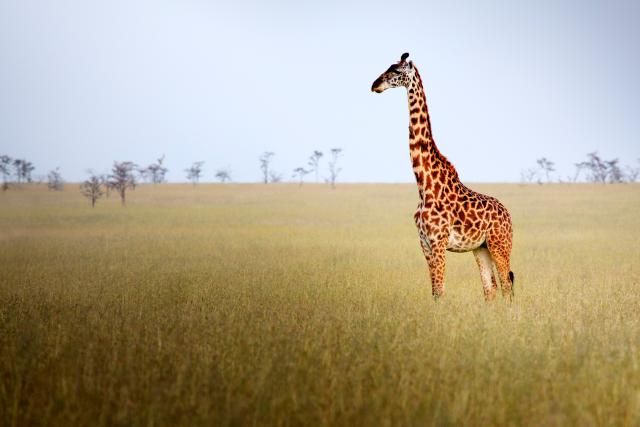
Ecosystem that includes: tall grasses, elephants, zebras
African grasslands
American grasslands
desert
tropical rainforest
Which ecosystem gets less rainfall than the others
Grasslands
decidous forest
tropical rainforest
Which is an abiotic factor?
plant
animal
flower
water
Which is a biotic factor?
bacteria
rock
sun
water
Which ecosystem is terrestrial?
ocean
pond
lake
forest
Which animal belongs in the deciduous forest?
fox
tiger
monkey
parrot
Which ecosystem has adequate rainfall?
desert
grasslands
tropical rainforest
deciduous forest
Which ecosystem gets lots of rain and warm weather?
Deciduous forest
tropical rainforest
ocean
grasslands

What animal would live in this ecosystem?
toucan
zebra
scorpion
polar bear

Where would this animal live?
rainforest
tundra
forest
desert


The biome pictured is
temperate prairie grassland
temperate deciduous forest
desert
tundra


Temperate grasslands include:
the swamps of southern Florida
the prairies of North America
the icy arctic tundra

Temperate prairie grasslands have
hot summers and cold winters
no seasons
hot winters and cold summers

The temperature in the deciduous forest biome is
has cool seasons and warm seasons
cold
always warm
snowy

The kinds of plants you find in the Deciduous Forest are
grasses (few or no trees)
few plants
deciduous trees and herbs
mosses and lichens

Most Rain Forest are found near
really cold places
equator
Europe
Northern North America

The Rain Forest receives
little rain yearly
a lot of rain during half of the year
lots of rain all year long
just enough rain

The temperature in the rain forest
does not change much
is really cold
drastically changes throughout the year
is mostly snowy
An estuary is a _________________________ ecosystem.
terrestrial
aquatic
A grassland is a _________________________ ecosystem.
terrestrial
aquatic
In an estuary, the water is called ___________________ because it is a mix of salt water and fresh water.
muddy
brackish
semi-salty
semi-fresh
The temperature in most ecosystems ____________________ due to the location of the ecosystem.
stays the same all year
varies
is always cold
is always hot
Which ecosystem has two parts called the canopy and the understory?
forest
wetlands
grasslands
lakes and ponds
Which of the following ecosystems are terrestrial?
oceans
wetlands
forests
estuaries
grasslands
Which of the following ecosystems are aquatic ecosystems?
oceans
grasslands
wetlands
lakes and ponds
forests
An estuary ecosystem is where the _________________ meets the ocean.
lake
pond
river
creek
A wetland is a ____________________ ecosystem.
terrestrial
aquatic
A forest is a _____________________ ecosystem.
terrestrial
aquatic

