
Font size
 Worksheets
Repaso (Unidades 1+2)
Total questions: 20
Worksheet time: 30mins
Todos los organismos vivos están hechos de ____.
All living organisms are made up of ____.
células
cells
órganos
organs
tejidos
tissue
Identifica todos los siguientes que estén vivos.
Identify all of the following that are living.
volcán
volcano
arbol
tree
sol
sun
hongo
fungus
¿Cuál de las siguientes características de los seres vivos explica mejor por qué tus piernas y brazos se alargan y fortalecen a medida que envejeces?
Which of the following characteristics of living things best explains why your legs and arms get longer and stronger as you get older?
los seres vivos responden a su entorno
living things respond to their environment
los seres vivos se reproducen
living things reproduce
los seres vivos tienen células
living things are made of cells
los seres vivos crecen y se desarrollan
living things grow and develop
"Cuando sales al frío, tu cuerpo tiembla. Esto es ejemplo de...
When you step out into the cold, your body shivers. This is an example of...
todos los seres vivos usan energía
all living things use energy
todos los seres vivos contienen células
all living things contain cells
todos los seres vivos responden a su entorno
all living things respond to their environment
todos los seres vivos crecen
all living things grow
¿Qué NO es una característica de la vida?
What is NOT a characteristic of life?
reproducir
reproduce
tienen por lo menos una célula
made up of one or more cells
responden a su entorno
respond to their environment
necesitan respirar
need to breathe
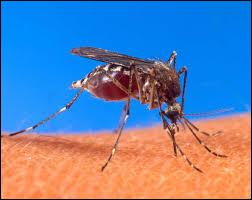
¿A qué reino pertenece el mosquito?
Mosquito belongs to what kingdom?
Animalia
Plantae
Fungi/Hongo
Protista
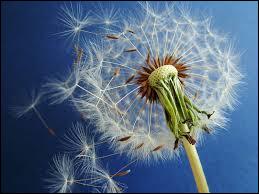
¿A qué reino pertenece esto?
What kingdom does this belong to?
Plantae
Animalia
Fungi/Hongo
Protista
¿Qué grupo está compuesto por organismos que todos pertenecen al mismo reino?
Which group is made up of organisms that are all from the same kingdom?
gato, rana, palmera
cat, frog, palm tree
moho, hongos, peral
mold, fungi, pear tree
Árbol de arce, hierba, pez
maple tree, grass, fish
rosa, tulipán, manzano
rose bush, tulip, apple tree
Archaea y bacterias son dominios que son...
Archaea and bacteria are domains that are...
plantas
plants
eucariotas
eukaryotes
protistas
protists
procariotas
prokaryotes
¿Cuántos reinos de vida existen?
How many kingdoms of life are there?
3
6
8
5
Una célula que contiene un núcleo y otros orgánulos con membrana
A cell that contains a nucleus and other membrane bound organelles
autótrofo
autotroph
heterótrofo
heterotroph
procariota
prokaryote
eucariota
eukaryote
¿Con qué paso siempre empezamos al usar claves dicotómicas?
What step do we always start with when using dichotomous keys?
La Nomenclatura Binomial usa qué dos categorias para nombrar una especie?
Binomial Nomenclature takes which two categories to name a species?
Genus and Kingdom
Phylum and Class
Family and class
Genus and species
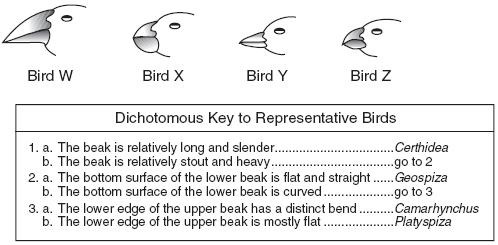
¿Cuál es el nombre del pájaro Z?
What is the name of bird Z?

Identifica la Hoja T (4ª).
Identify Leaf T (4th).
Eastern white pine
balsam poplar
sweet gum
ginko
Los virus se consideran...
A virus is considered...
vivo
living
no vivo
non-living

¡Pregunta trampa! ¿Cuál de estas afirmaciones es verdadera?
Trick Q: Which of these statements is true?
Un virus es unicelular, tiene solo una célula.
A virus is unicellular, it has only one cell.
Un virus puede a veces ser multicelular, tener muchas células.
A virus may sometimes be multicellular, have many cells.
Un virus no tiene células,
A virus has no cells.
La variable que el científico mide según los cambios que hizo.
The variable the scientist measures based on the changes he/she made.
variable dependiente
control
variable independiente
Una compañía quiere probar una nueva comida para perros que se supone que ayuda a los perros con sobrepeso a bajar de peso. Se eligen 50 perros para recibir la nueva comida y 50 más continúan con sus dietas normales. Después de un mes, se revisa a los perros para ver si bajaron de peso. ¿Cuál es la variable dependiente en este escenario?
cantidad de comida
tipo de comida
peso de los perros
tipo de perro
Si las plantas están expuestas a la luz solar, entonces crecerán más altas.
¿De qué parte del método científico es este un ejemplo?
procedimiento
Hipotesis
pregunta
resultados

