
 Worksheets
Science Quiz for Grade 3
Total questions: 30
Worksheet time: 18mins
A wasp can use its wings to move in almost any direction.
TRUE
FALSE
Gravity, electricity, and magnetism are examples of contact forces.
TRUE
FALSE
When the forces are equally strong, the forces are called balanced forces.
TRUE
FALSE
Some forces can cause a push or a pull on an object without touching it.
TRUE
FALSE
The skater uses a friction to stop the forward motion of an inline skate.
TRUE
FALSE
The way an object faces, such as north, west, south, or toward the window is called
position
direction
relative
motion
The _of an object is the exact place where it is.
position
direction
relative
motion
Relative means
compared to
aligned to
assigned to
given to
The measure of how slow and how fast something can move refers to
speed
distance
motion
direction
It is exerted by an object that has been stretched or squeezed.
tension force
spring force
friction
gravity
It refers to how far something travels.
distance
speed
motion
direction
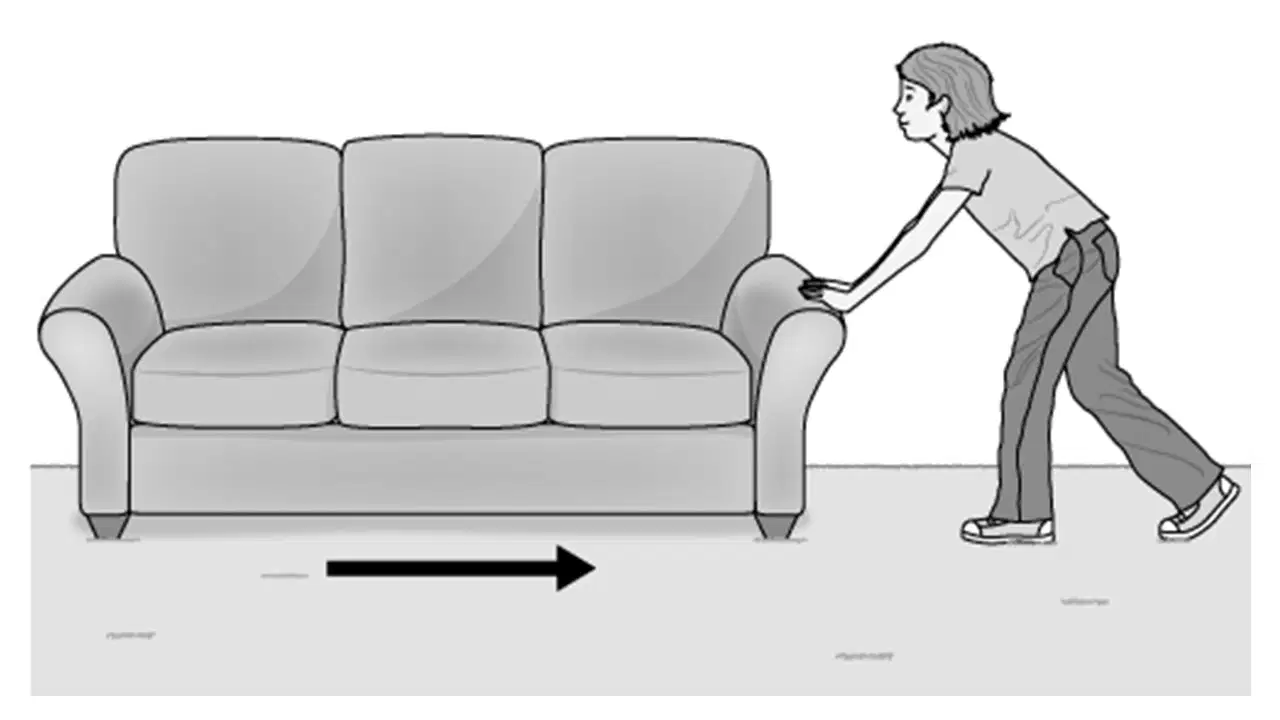
Look at the picture, Madison is trying to push the couch. What does the arrow show?
gravity
friction
spring force
tension force
Which best explains the concept of "attracts" in Science?
Two objects push away.
Electrical charges can move easily.
Negative and positive are the same.
Electric charges can't move easily.
One object pulls on the other object.
Which best describes an insulator?
Two objects push away.
Electrical charges can move easily.
Negative and positive are the same.
Electric charges can't move easily.
Each object pulls on the other object.
Which best explains the concept of "equal" in Science?
Two objects push away.
Electrical charges can move easily.
Negative and positive particles are the same.
Electric charges can't move easily.
One object pulls on the other object.
Which best explains the concept of "conductor" in electric force?
Two objects push away.
Electrical charges can move easily.
Negative and positive are the same.
Electric charges can't move easily.
One object pulls on the other object.
Which best explains the concept of "repel" in Science?
Two objects push away.
Electrical charges can move easily.
Negative and positive are the same.
Electric charges can't move easily.
One object pulls on the other object.

Look at Hassan in the picture. There are two (contact forces, noncontact forces) on the wagon.
(a)
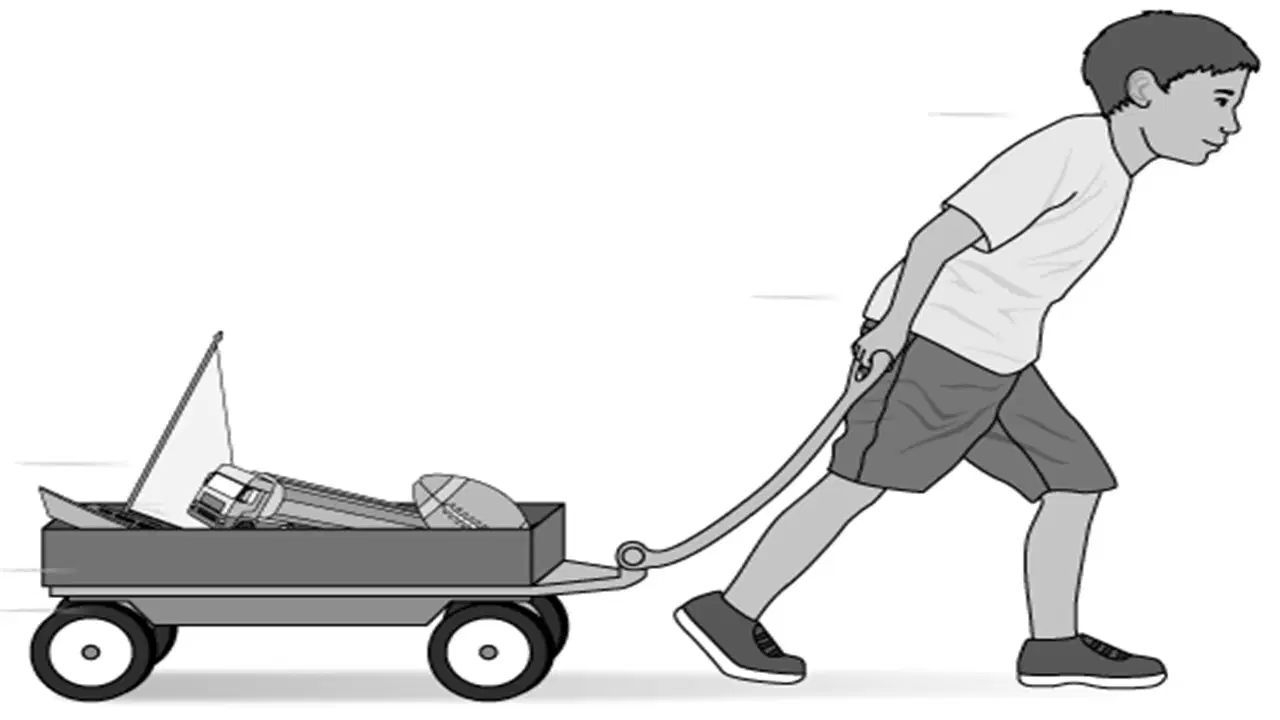
There are 2 contact forces in the picture. Those are the (friction, push, pull) the boy exerts. Type your answer.
(a)
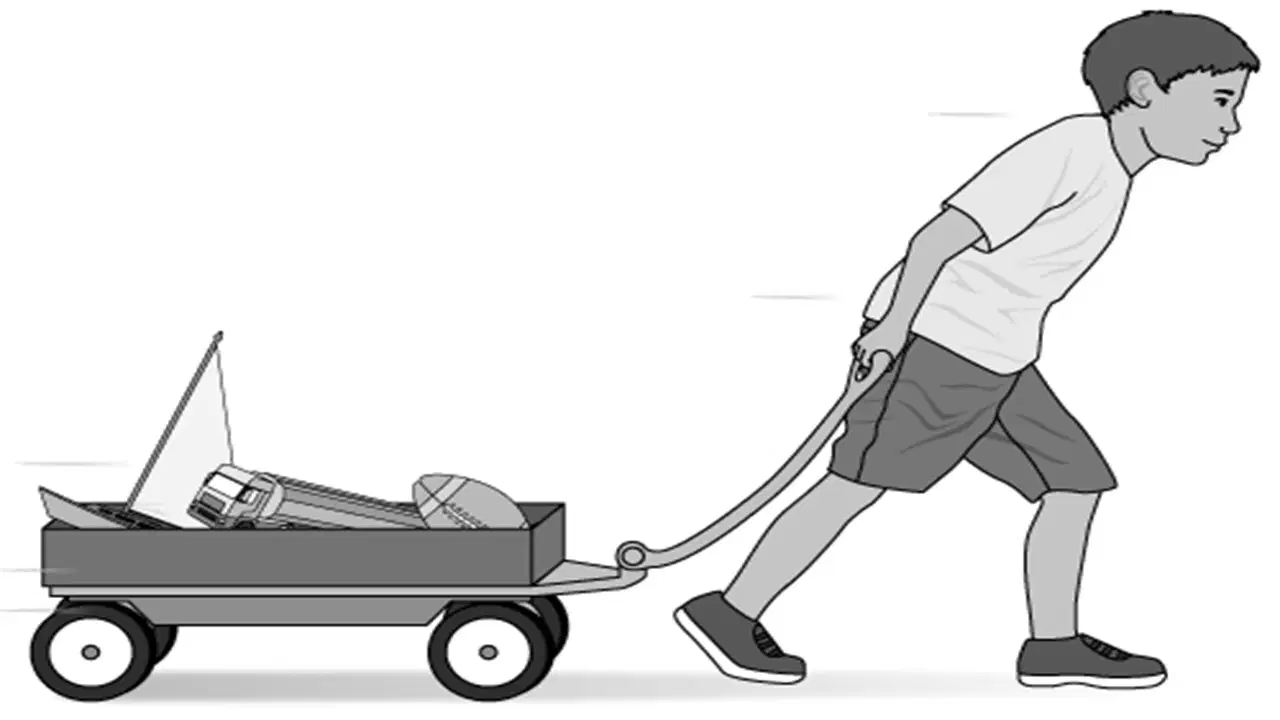
What kind of force is observed between the ground and the wagon?
(a)
Forces that are equal and opposite do not cause a change in motion.
True
False
If the wind changes in direction, the object will move in different
directions.
True
False
When you predict, you tell what will happen in the future.
True
False
Speed is a measure of how slow or fast something travels.
True
False
‘Relative’ means exert.
True
False
To make the ball move, the forces must be
equal
relative
balanced
unbalanced
It refers to the sum of forces acting on an object.
equivalent
equation
net force
unbalanced
It refers to how far something travels.
distance
speed
motion
direction
Any force that can act on something without touching is called
friction
distance
spring
noncontact
Gravity, electricity, and magnetism are examples of
contact forces
spring force
tension force
non contact forces

