
 Worksheets
AMCR 2 - Composite
Total questions: 118
Worksheet time: 2hrs 58mins
It is used to describe two or more materials that are combined to
form a structure that is much stronger than the individual components.
(a)
What composed the simplest composite?
(a)
It is generally in a liquid form that serves as a bonding substance.
(a)
It is a solid form that provide the primary structural strength
to the composite structure when combined in a matrix
(a)
It typically exists in a liquid state and functions as a bonding agent.
(a)
This manual developed by the aircraft Manufacturers that includes information prepared for the AMT or technicians who performs work on units, components and system while they are installed on the airplane.
(a)
A chemical additives that quicken cure, or chemical reactions.
(a)
A material that are mixed into a two –part resin system to improve
the properties of the systems.
(a)
A substance that is applied to two mating surfaces to bond them
together by surface attachments.
(a)
Fibrous materials embedded in a resin matrix.
(a)
The weight of the fiber reinforcement per unit area of tape of
fabric.
(a)
A manual developed by the component manufacturer and frequently adopted by the airframe manufacturer. It is most frequently not approved by the FAA.
(a)
It is most frequently not approved by the FAA.
(a)
Blanket approval comes through what?
(a)
It is defined in FAA AC 4-214.
(a)
A combination of two or more materials (reinforcing elements, fillers, and composite matrix binder), differing in form or composition on a macro-scale.
(a)
The resistance to resist the crushing force.
(a)
An impurity of foreign substance present in the materials or environment that affects one or more properties of the materials, particularly adhesion.
(a)
A compression damage of the core.
(a)
to change the material's physical properties by chemical reaction, by applying catalyst, heat, and pressure, alone or in combination.
(a)
Individual fibers are woven together to produce cloth.
(a)
Single strands of materials are used for reinforcement because of their high strength and stiffness.
(a)
A require document is produced by the manufacturer. It has the parts and their part numbers exploded for identification.
(a)
One Fabric resin layer that is bonded to adjacent layers in the curing process.
(a)
Persons performing a repair or alteration under parts 121 and 135, or repair stations certificated under part 145. As used in this AC, this term includes Maintenance Repair Organization (MRO), certificated repair stations (CRS), and operators’ maintenance facilities.
(a)
Persons performing a repair or alteration under parts 121 and 135, or repair stations certificated under part 145.
(a)
The alignment of the fibers to the baseline set by the manufacturer for the perpendicular component.
(a)
The length of time that the resin, mixed with catalyst will be in a workable state.
(a)
A manual developed by the manufacturer to cover all items not listed as minor, maintenance, including instructions for structural repair, major component removal, installation, and adjustment setup.
(a)
The life span that a product will remain useful, and FAA AC 43-214 defines shelf life as the length of time a raw material may be in storage under specific conditions and still meet the requirements of the applicable material specification, also known as storage life.
(a)
The cumulative length of time a material may be out of freezer storage, before curing, and still maintain the required processability characteristics and mechanical properties.
(a)
FAA
(a)
CAAP
(a)
ACAP
(a)
FRP
(a)
NDT
(a)
NDI
(a)
PVC
(a)
SRM
(a)
AMM
(a)
MSDS
(a)
ADVANTAGES OF USING A COMPOSITE
(a)
It gives primary strength to the composite structure when combined with the matrix
(a)
All of these fibers can be used in combination with one another
(a)
woven in specific patterns
(a)
in combination with other materials such as rigid forms
(a)
It Is made from small strands of molten silica glass that are spun together & woven into cloth.
(a)
It can be recognized as a white gleaming cloth.
(a)
It is considered to be the most economic reinforcing fiber of advance composite.
(a)
Advantage
Widely available & low cost
(a)
Disadvantage
It weighs more & has less strength than other composite fibers
(a)
Common Types of Fiberglass
(a)
It is usually characterized by its yellow color, light weight, tensile strength, and remarkable flexibility.
(a)
It is a registered trademark of the El DuPont company and its most widely used Aramid.
(a)
The tensile strength of it is about 4 times that of Kevlar composite.
(a)
Although it exhibits a great tensile strength , it does not have as much compressive strength.
(a)
Is a very strong, stiff reinforcement and used for its rigid strength characteristics.
(a)
Are used to fabricate primary structural components such as ribs and wing skins.
(a)
Is stronger in compressive strength than Kevlar
(a)
Electrically conductive, have low thermal expansion coefficients, and have high fatigue resistance.
(a)
Has a problem of being corrosive when bonded to aluminum.
(a)
The resulting fiber is about .004 inches in diameter, and has excellent compressive strength and stiffness, and is extremely hard
(a)
are made by depositing the element boron on a thin filament of tungsten.
(a)
Have a very high strength and stiffness in tension, compression and bending stress.
(a)
Hazardous to work with its high expense
Not common to use with civil aviation
(a)
Fibers are used when a high temperature application is needed.
(a)
This form of composite retains strength and flexibility at the temperature of 2,200 F
(a)
Ceramics is a form of composite that retains strength and flexibility at the temperature of
(a)
A manufacturer can design a part by using different types of fiber combination to tailor a part for strength or to reduce cost.
(a)
It utilizes reinforcing material that is woven from two or more different fibers. The strength of the final structure can be designed based on the proportions of each fiber used.
(a)
It uses two or more layers of different reinforcing materials that are
laminated together. Each layer in addition to being a different material, may be used in the form of unidirectional or bi-directional fabric
(a)
Fibers may be selectively placed to give greater strength, flexibility, or reduced cost.
(a)
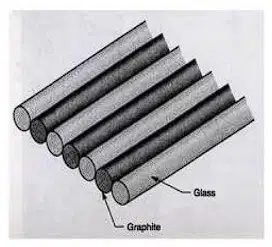
Which type of Hybrid?
(a)
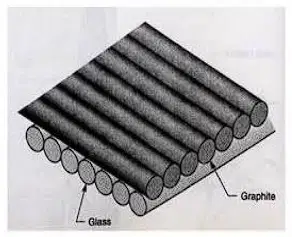
Which type of Hybrid?
(a)
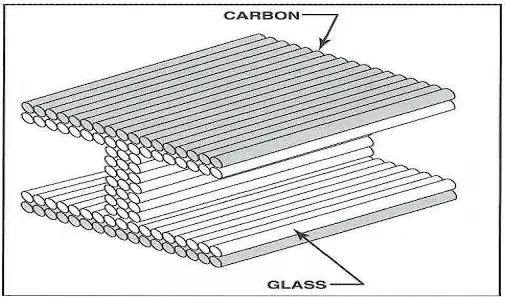
Which type of hybrid?
(a)
Fiber orientation in which all of the major fibers run in one direction, giving strength in that direction
(a)
This fabric is woven together in several weaves and weights and are more resistant to fiber breakout, delamination, and more damage tolerant than unidirectional materials
(a)
Most common weaves used in advanced composite aircraft construction
(a)
It is not as strong as a unidirectional or woven fabric and therefore is not commonly used in repair work.
(a)
The strength of a reinforcing material in a matrix is dependent on the weaves of the material, the wetting process, the filament tensile strength and the design of the part.
(a)
It's at 45 to warp threads, and can be formed into contoured
shapes
(a)
The threads that run the length of the fabric as it comes off the bolt and designated at 0 , more threads and stronger than fill directions.
(a)
Are those that run perpendicular to the warp fibers, designated as 90 and are the threads that interweave with the warp threads.
(a)
It is parallel to the warp threads, and its been removed for all fabrication and repair works.
(a)
This contains the reference to the ATA numbering system which is a common referencing standard for commercial aircraft documentation
(a)
Bonding material that surrounds the fiber, giving it extra strength
(a)
An example of an early matrix formula used with the fiber
glass for many non-structural applications such as fairings, spinners and trim
(a)
Acts as the curing agent
(a)
Resin matrix are a type of plastic, thus some of companies refer to composite as a
(a)
It uses heat to form the part into the desired shape If it is heated a second time, it will
flow to form another shape
(a)
It can be used in more places, as long as the temp. does not exceed to 75F
(a)
Thermoplastic can be used in more places, as long as the temp. does not exceed to (a)
It uses heat to form and set the shape of the part
permanently. The plastic once cured, cannot be reformed even if it is reheated.
(a)
Very stable at room temperature
Can be stored for a year w/o affecting the quality of the materials
It easily cures at room temperature in just a few minutes when an inexpensive peroxide is added
Low cost and very versatile
Not very resistant to alkali however they are strong enough to be used as a matrix material for structural components
(a)
a type of thermosetting plastics resins well known for its:
outstanding adhesion,
strength,
and their resistance to moisture
and chemicals
(a)
They are very useful for bonding nonporous and dissimilar materials
(a)
When working with resins and hardener, always follow the procedures specified in the
(a)
If too much resin is applied to the part
(a)
(a) part is one where not enough resin was applied, which weakens the part.
that they must be stored in a freezer to prevent the resin from curing.
(a)
are the fabrics that have the resin the system already impregnated into the
fabric.
(a)
how long the material has been exposed to temperatures above freezing.
(a)
(a) are the central members of an assembly and are used extensively in advanced composite construction. When bonded between two thin face sheets, a component can be made rigid and lightweight.
Manufacturers construct honeycomb from the ff:
(a)
A paper impregnated material which is widely used as an advance composite core material
(a)
direction in which the honeycomb can be pulled apart.
(a)
materials offer different densities and
temperature characteristics for high-heat applications and fire resistance.
(a)
Common types of foam core used in A/C constructions
(a)
commonly used on home-built aircraft and should only be
used with an epoxy resin.
(a)
cellular, cellulose acetate foam
(a)
used in applications where high stiffness combined with low structural weight is required. based on a simple structure of two high strength skins bonded to either side of a lightweight core. This provides a very light and very stiff structure
(a)
specialty within system engineering that supports program risk management.
(a)
is always important when working with composite materials.
(a)
systematic approach to managing safety, including the necessary organisational structures, accountabilities, policies and procedures.
(a)
Contains information on
Health precautions
Flammability of the materials
Ventilation requirements
Health professionals in case of an accidents
(a)
provide eye protection from front and side impact hazards, chemical splashes, and dust.
(a)
used for cleaning dust, grease, and mold grease agents from
composite components
(a)
Used for general Cleanup of tools and equipment and used as a prebond prep to clean the composite parts after sanding.
(a)

