
 Worksheets
SCIENCE , ASAS 1- Grade 3
Total questions: 90
Worksheet time: 22hrs 18mins
Living things are things that are . . . . .
Never
Dead
Alive
Things that once alive are . . . . . . . . now.
Never
Dead
Alive
All living things ________. This means that they get bigger and taller.
reproduce
nutrition
move
grow
All living things __________. This means that they can have young.
reproduce
nutrition
move
grow
All living things need ________. This means that they need food.
reproduce
nutrition
move
grow
All living things ________. This means that they can change their places or positions.
reproduce
nutrition
move
grow
Look at the table. Put a tick (✓ ) under the correct headings in the table!
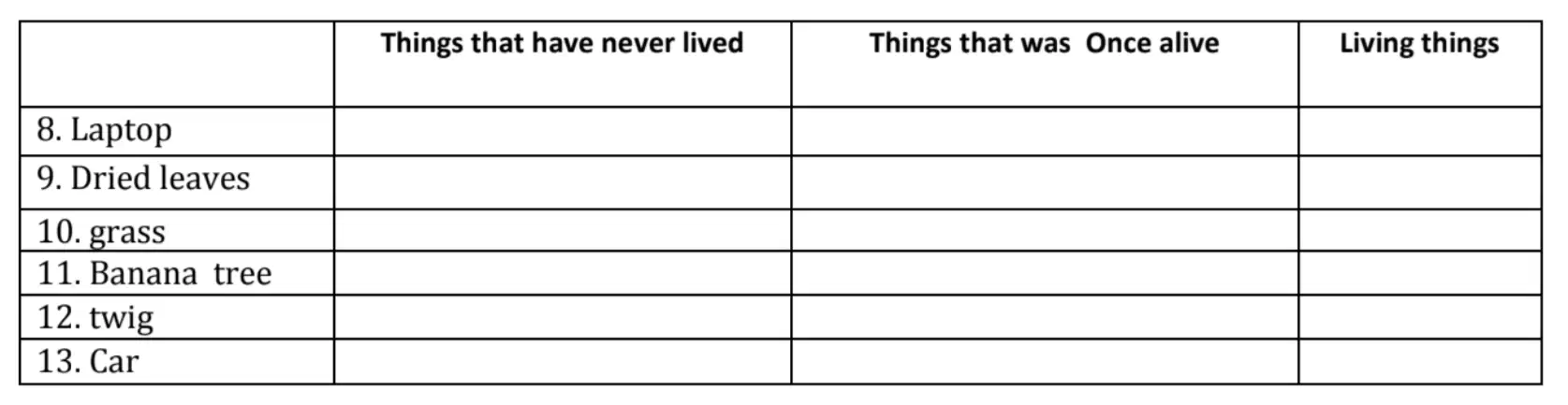
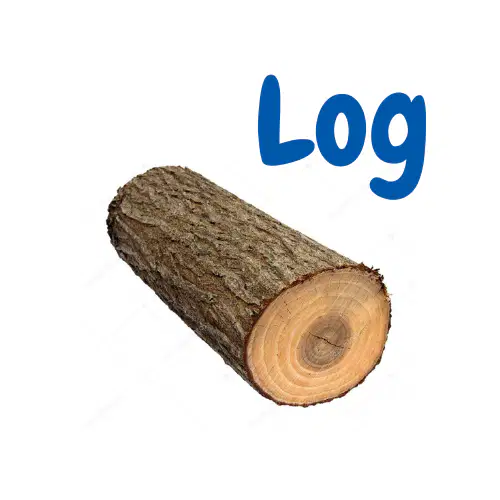
Thing that have never lived
Thing that were once alive
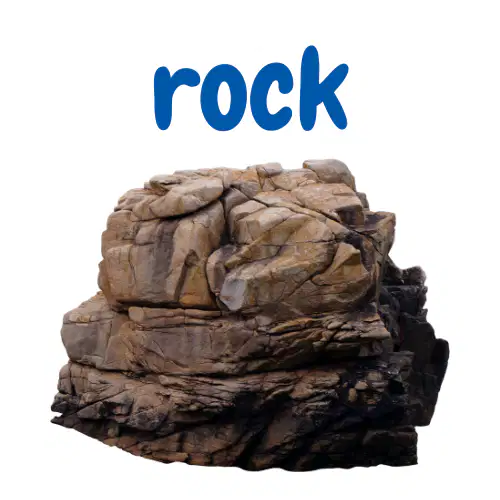
Thing that have never lived
Thing that were once alive
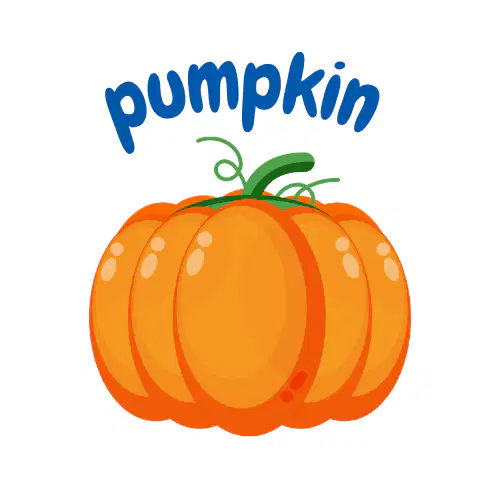
Thing that have never lived
Thing that were once alive
Thing that have never lived
Thing that were once alive
All living things grow.

Correct

Incorrect
All living things do not need nutrition.

Correct

Incorrect
All living things reproduce.

Correct

Incorrect
Which object does not belong in living things ?

Bird


Which object does not belong in group?
This that have never lived.

nail


Name three things that living things need to survive.
They need ___________, ___________ and ___________.
(More than 1 answer)
Water
Dessert
Food
Air
Draw lines to match each sentence to the correct life process!

All living things lay eggs to reproduce.

Correct

Incorrect
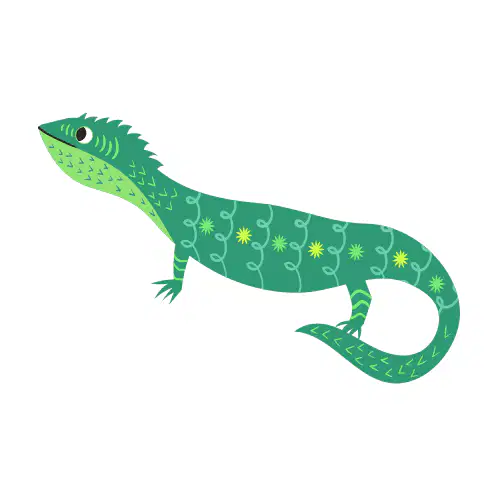
This animal's body is covered with dry . . . . .
scales
thorax
abdomen
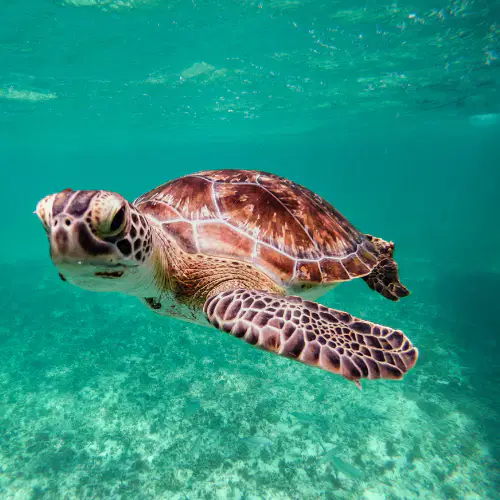
Most reptiles reproduce by . . . . . . .
Give birth to their young
Laying eggs
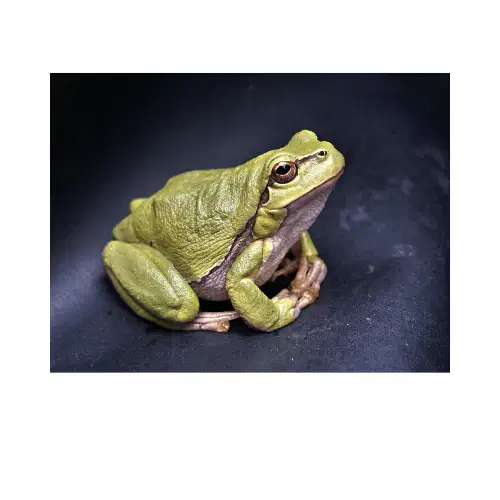
This animals has . . . . . . . . . . skin without scales.
moist
fur
scales
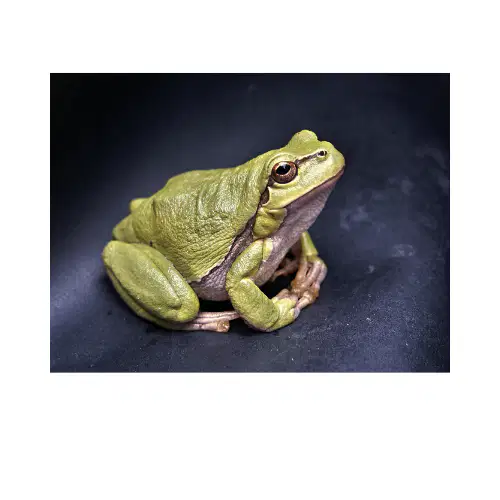
Amphibians are able to live on . .. . . . . and in water.
(a)
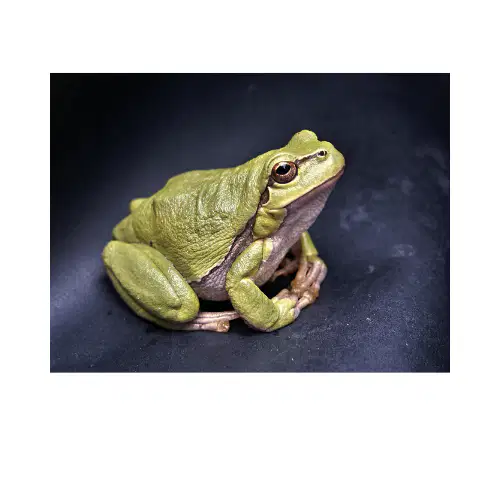
They breathes using their . . . . . . . . . when it is on land.
gills
lungs
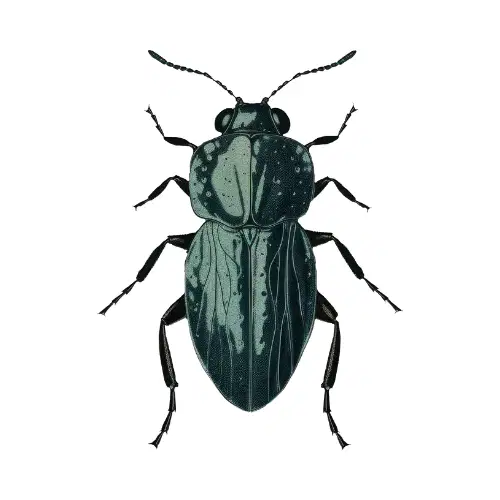
This animal's body devided into . . . . . . parts.
3
4
7
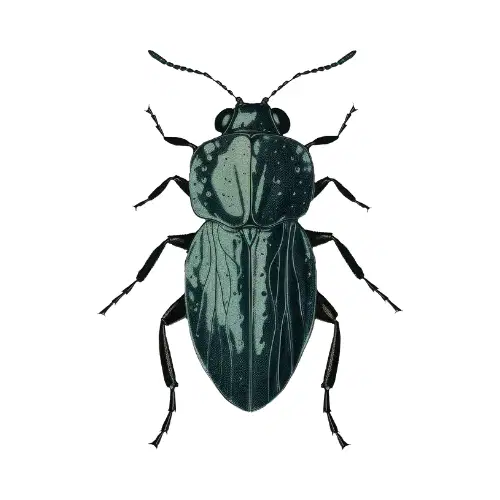
Most insects reproduce by . . . . .
giving birth
laying eggs
not reproduce
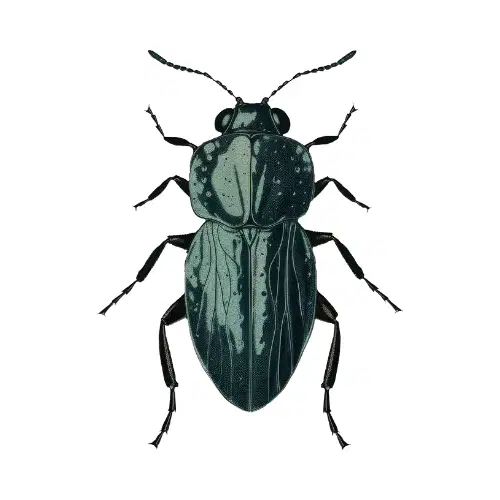
The body of all insects is devided into three parts.
They are head, thorax and . . . . .
abdomen
fur
tail
The tadpole breathes using . . . . . . . like a fish
gills
eggs
All mammals have . . . . . on their body.
Scales
Fur or Hair
Feathers
When the tail of the tadpole starts to dissapear, it turns into a . . . . . . . . .
froglet
frog
salamander
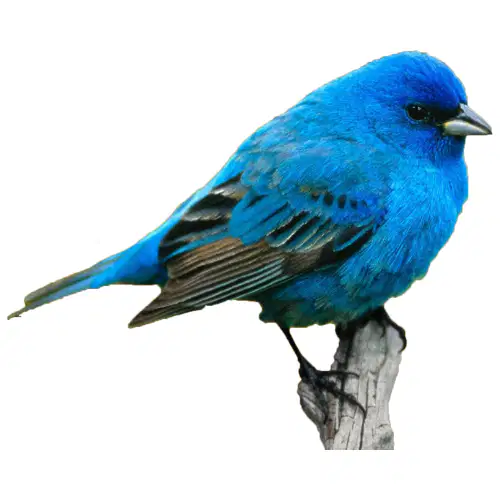
This animal has . . . . . . . . . . as the outer covering.
hairs
scales
feathers

It has two . . . . . . . . to help it flies
wings
antennae
abdomen
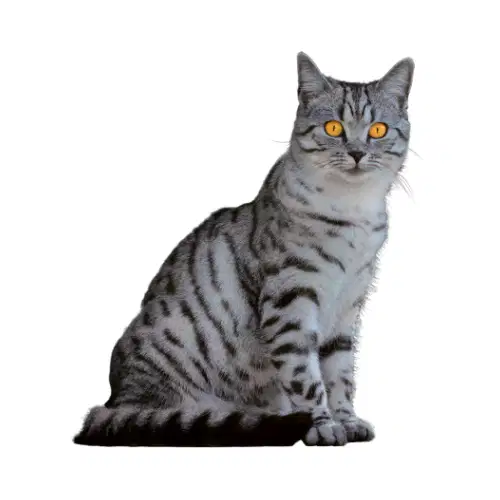
This animal has hair or . . . . . on their body.
thorax
antennae
fur
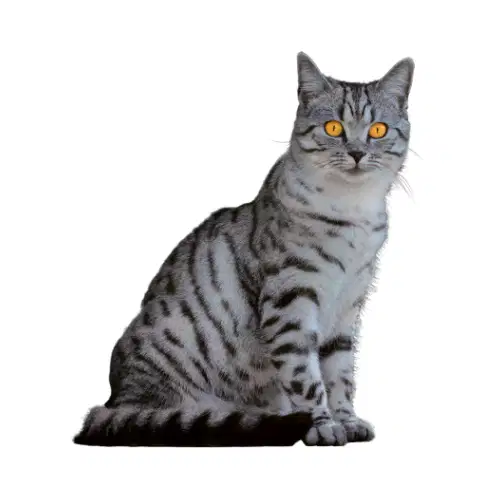
It reproduces by giving . . . . . . . . .
Milk
Birth
Eggs
Please classify these animals by its group!


(a)

(a)
Insect.
They have a pair of antennae on their heads
All insects have wings
They give birth to young alive
Mammals
Fish
Insect
Birds

Here are some food chains in a . . . . . .
Rainforest
Ocean
Pond
Grassland

Here is a food chain in a . . . . . . .
Rainforest
Grassland
Pond
Ocean
The food chain in an ocean.


A food chain only shows living things.
True
False
All animals in a food chain are consumers.
True
False
A food chain is a diagram that shows how each living thing gets its food.
True
False
A living thing that makes its own food called . . . .
Producer
Consumer
Food Chain
An animal that eats plants and/ or other animals . . . . .
Producer
Consumer
Food Chain
A diagram that shows how each living thing gets its food called . . . . .
Producer
Consumer
Food Chain

Look at this food chain in a grassland!
Which is the missing living thing in the food chain?
Chicken
Snake
Grass
Giraffe

Which is the producer in this food chain?
Sun
Banana Tree
Monkey
Phyton

Which are the consumers in this food chain?
(Answer more than one)
Sun
Carp
Duckweed
Snapping Turtle
They ______. This means they become bigger.
grow
move
sleep
They _______. This means they go from one place to another.
move
Eat
Sleep
fight
Start with the . . . . . . . . . . . that provides light for plants.
Sun
Wind
Fire
Rain

Plants need a suitable (a) to grow well.

The (a) take in water and minerals from soil.

The (a) supports the plant and keeps it upright.

The (a) use light to make food for the plant.

The (a) of a plant are often brightly coloured.

The (a) pumps blood around the body.

The (a) take in oxygen from the air.

The large (a) is where the body absorbs water from the undigested food.

The (a) mixes the food with acids and digests the food.
The roots make food for the plant.
True
False
The heart controls other by sending messages to them.
True
False
The stomach digests food by mixing it with acid.
True
False
Draw a line to match each human organ to its function.

The stem keeps the plant upright.
True
False
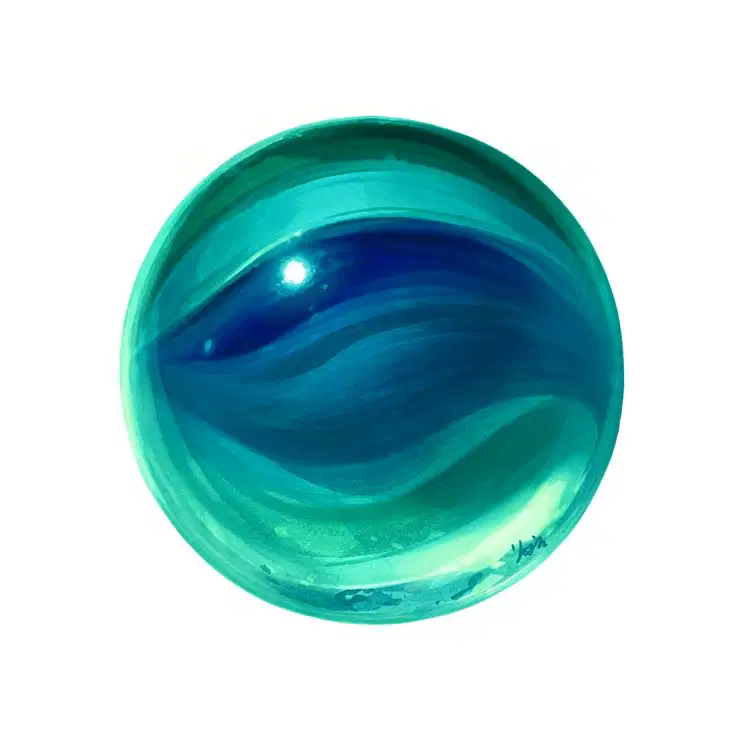
A marble is a ______ because it keeps its shape.
solid
liquid
gas
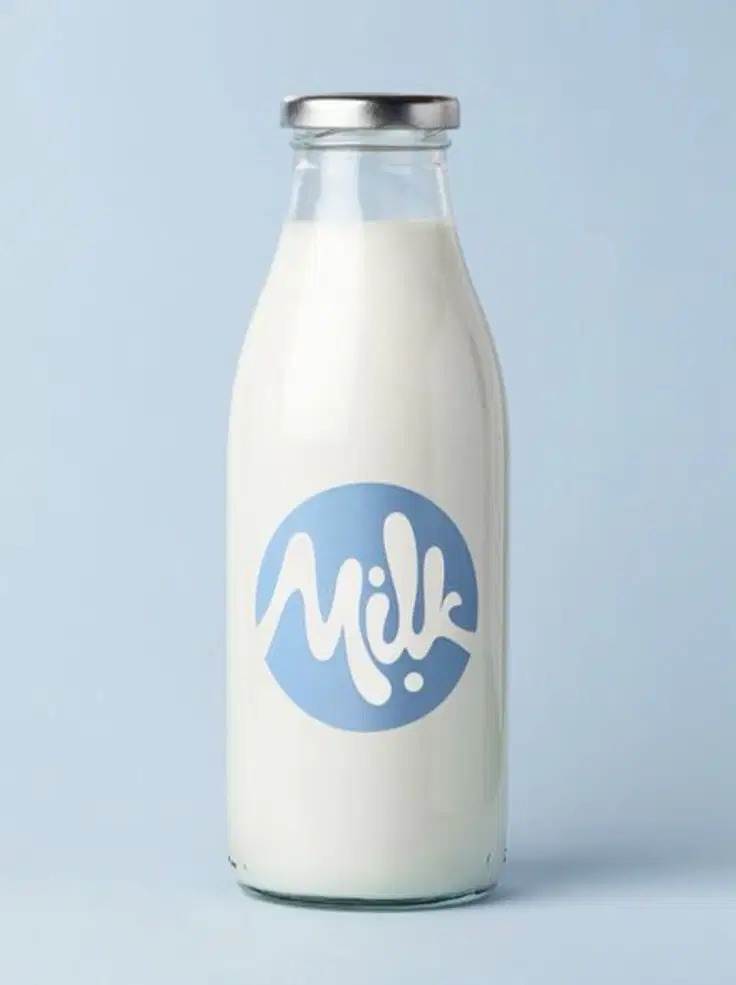
Milk is _______ because it does not keep its shape.
solid
liquid
gas
A mixture of marbles and pebbles can be seperated by _______.
hand
using magnets
sieving
A mixture of the soil and iron paper clips can be seperated by _______.
hand
using magnets
sieving
A mixture of the stones and the sand can be seperated by _______.
hand
using magnets
sieving
Solids and liquids keep their shapes.
True
False
Solids have a fixed volume.
True
False
Liquids can flow but solids cannot flow.
True
False
wLiquids can flow but solids cannot flow.
True
False
Helium and Oxygen are the examples of . . . . . .
Solid
Liquid
Gas
Solids that dissolve in water are called . . . . . . . solids while solids that cannot dissolve in water are called insoluble.
Soluble
Liquid
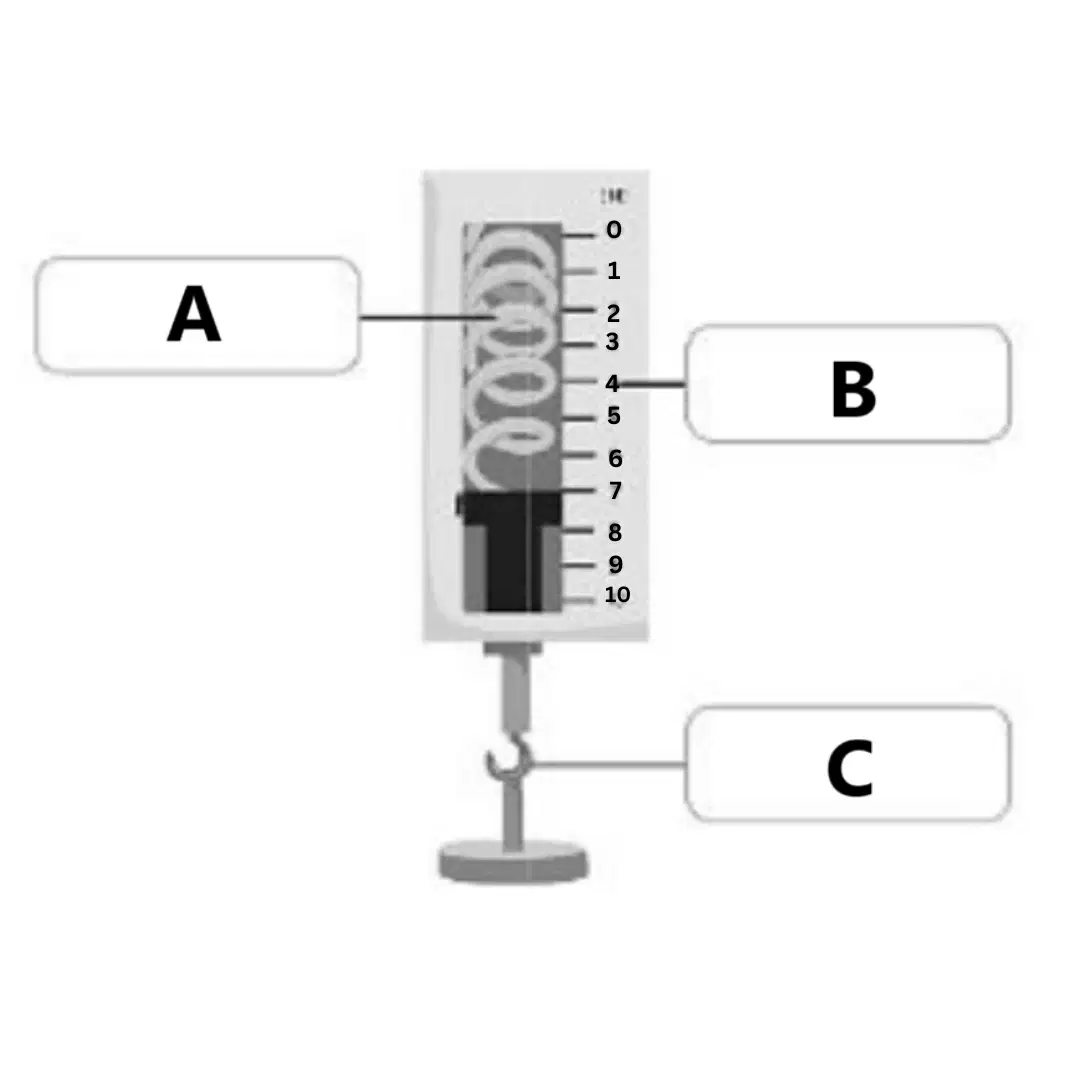
The letter A in the following forcemeter is called . . .
Spring
Scale
Hook
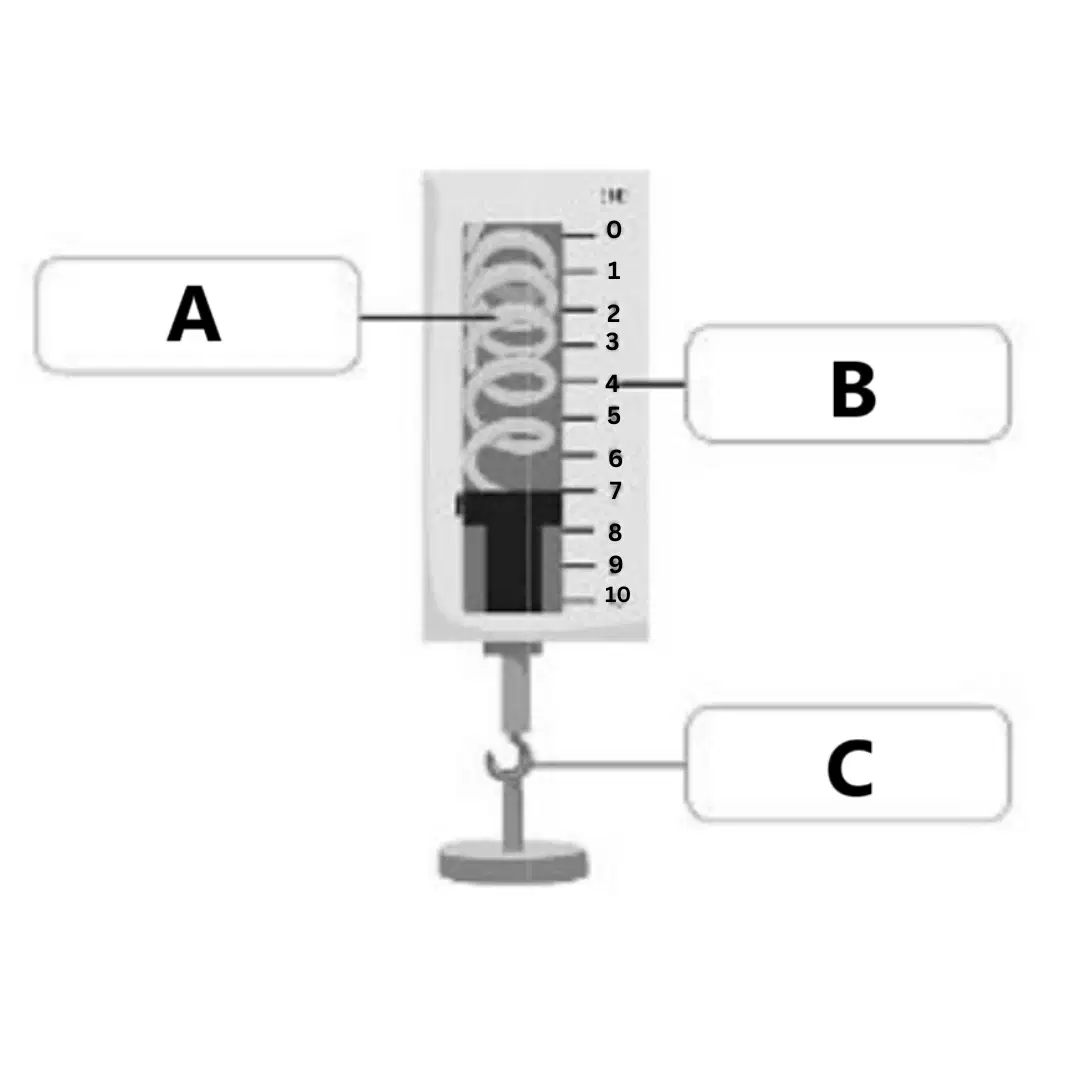
The letter B in the following forcemeter is called . . .
Spring
Scale
Hook
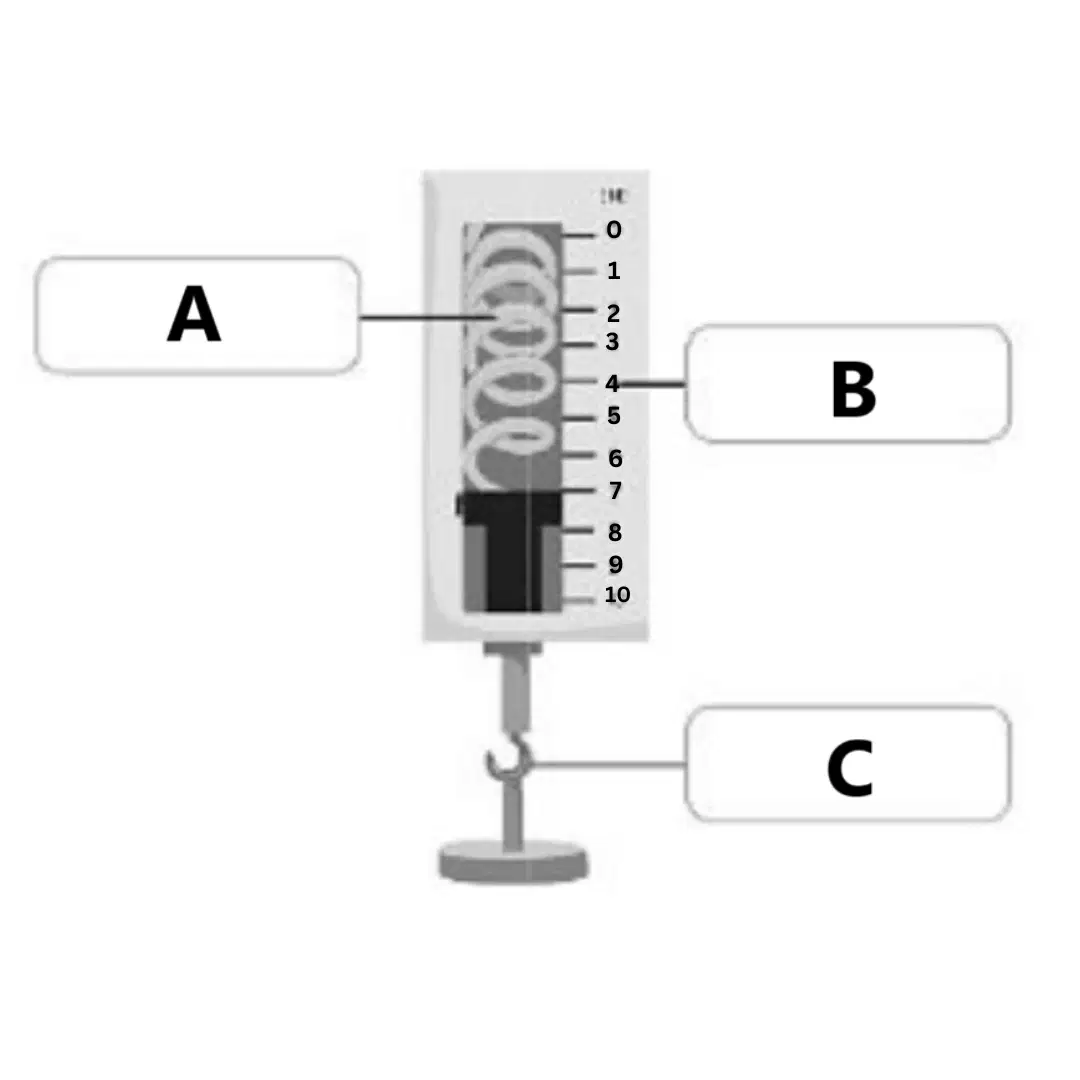
The letter C in the following forcemeter is called . . .
Spring
Scale
Hook
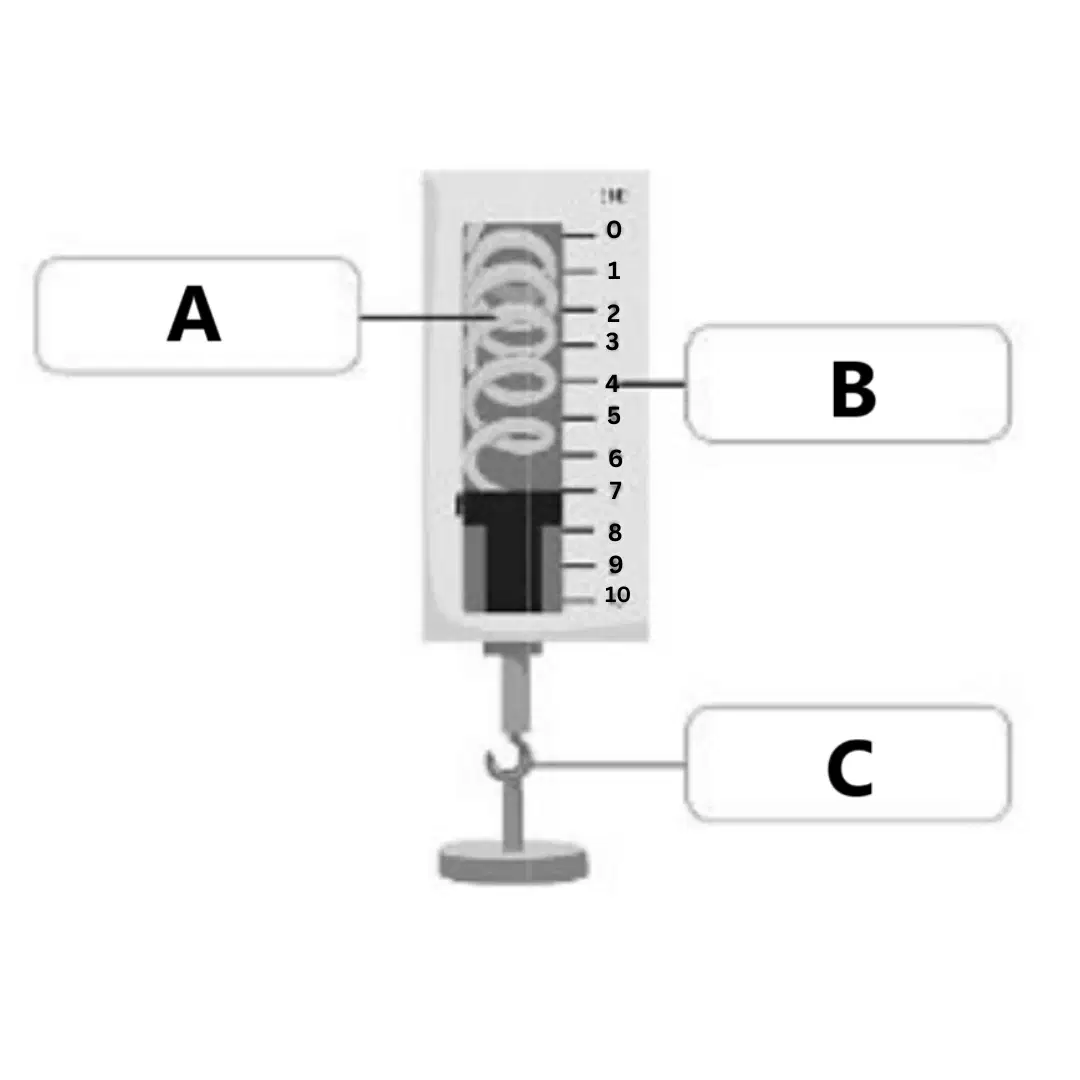
What is the reading on the scale? . . . . . . . . N
2
4
7
10
Force can be measured using a . . . . .
Forcemeter
Rollmeter
Body scale
The force that opposes movement between two surfaces is called . . . . .
(a)
Gravity pull objects towards the center of the . . . .
Earth
Moon
Sun
Black hole
The unit of measurement to measure force is called . . . . . .
Newton
Centimeter
Yard
Gram
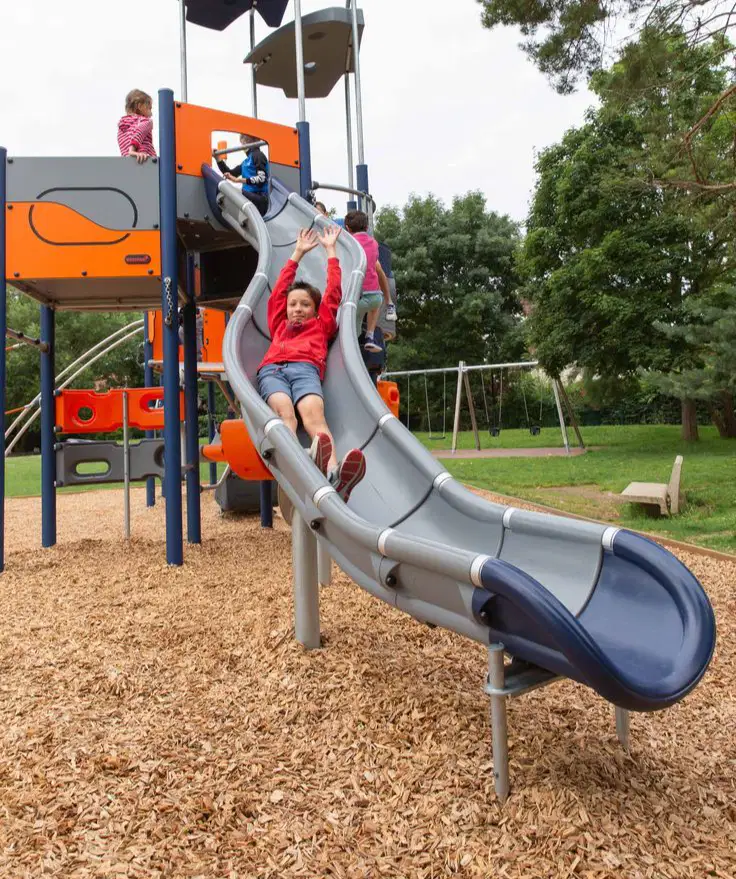
Going down a slide
Friction is helpful
Friction is not helpful
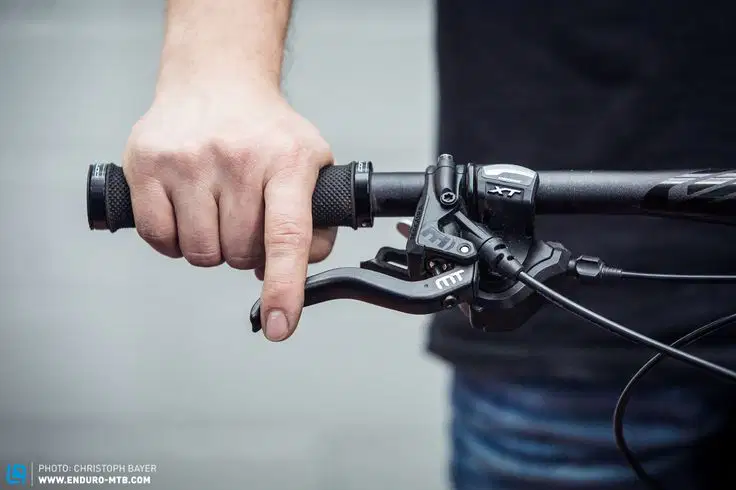
Stopping a bike
Friction is helpful
Friction is not helpful
Rough surfaces create more friction than smooth surfaces.
True
False

