
 Worksheets
Cardiac practice!
Total questions: 59
Worksheet time: 47mins
The contraction/emptying phase of the cardiac cycle?
Systole
Diastole
The relaxing/filling stage of the cardiac cycle?
Systole
Diastole

An abnormal widening/ballooning of a portion of an artery.
aneurysm
embolism
thrombosis
atherosclerosis
A blood clot that travels through the circulatory system and eventually becomes lodged within a blood vessel?
aneurysm
embolism
thrombosis
atherosclerosis
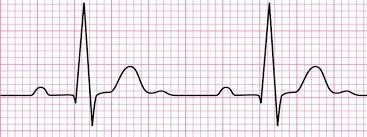
Type of device that measures the electrical currents created by the SA and AV nodes?
AED
MRI
ECG
CAT Scan

The main vein(s) that brings blood to the right atrium?
Aorta
Pulmonary veins
Superior and Inferior vena cava
Jugular vein

Instrument used to measure blood pressure?
AED
ECG
Sphygmomanometer
ultrasound

Name part N.
Right atrium
left atrium
right ventricle
left ventricle

Name part I.
pericardium
mediastinum
septum
unknownum

Name part A.
Pulmonary artery
Pulmonary vein
Superior vena cava
Aorta

Name part B.
Pulmonary arteries
Pulmonary veins
Superior Vena cava
Aorta

Name part M.
Tricuspid valve
Semilunar valve
Bicuspid valve
Mitral valve
Your heart always pumps at the same rate.
True
False
What part of the heart has strong walls and is bigger?
atrium
Aorta
ventricle
Your Pt c/o SOB on exertion and difficulty sleeping at night due to SOB, 2+ pitting edema. During auscultation you notice an extra heart sound. All of these indicate?
Hyperglycemia
Hypertension
CHF
Nothing to worry about
A cardiac Pt presents with HR under 60 bpm. This is recognize as:
Orthostatic hypotension
Bradycardia
Tachycardia
Eupnea
During bed mobility for Supine > Sit EOB your Pt reports, "feeling dizzy and lightheaded" with a noticeable drop of 20mmHg in systolic pressure. Your Pt is demonstrating:
Orthostatic Hypotension
Low Glucose
Orthostatic hypertension
High glucose
Explain the role of the semilunar valves in the heart.
Prevent the mixing of oxygenated and deoxygenated blood
Regulate the flow of oxygenated blood to the lungs
Prevent backflow of blood from the arteries into the ventricles
Control the flow of blood from the atria to the ventricles
Discuss the function of the atrioventricular valves in the heart.
They prevent the backflow of blood from the ventricles to the atria during ventricular contraction.
They help in the production of red blood cells
They control the flow of blood to the rest of the body
They regulate the flow of oxygenated blood to the lungs
Explain the function of heart valves in maintaining blood flow.
Maintaining unidirectional blood flow through the heart.
Aiding in digestion
Regulating body temperature
Causing blood clot formation

When blood enters the right atrium, where is it coming from?
The body
Left ventricle
Right Atrium
Lungs

What is the volume of blood ejected by the ventricle in one minute called?
stroke volume
cardiac cycle
coronary volume
cardiac output

What part of the hearts conduction system is shown in the diagram?
SA node
AV Node
AV bundle
Purkinje Fibers

What part of the hearts conduction system is shown in the diagram?
SA node
AV Node
AV bundle
Purkinje Fibers

What is the name of the circled area of the ECG in the diagram?
P Wave
QRS Complex
T Wave
Cardiac Cycle

What is the name of the circled area of the ECG in the diagram?
P Wave
QRS Complex
T Wave
Cardiac Cycle

What is the name of the circled area of the ECG in the diagram?
P Wave
QRS Complex
T Wave
Cardiac Cycle
John, a 54-year-old man, comes to the clinic complaining of swelling in his legs and noticing his neck veins appear more prominent than usual. Based on these symptoms, which type of heart failure is John most likely experiencing?
Left-sided heart failure
Right-sided heart failure
Congestive heart failure
Pulmonary heart failure
John, a 65-year-old man with a history of heart failure, is seeking advice on lifestyle modifications to reduce his symptoms. Which of the following is most recommended?
Increasing protein intake
Reducing sodium intake
Elevating the head while sleeping
Performing high-intensity interval training
John, a 45-year-old man, has been prescribed Ace inhibitors for his condition. What common side effect might he experience?
Dry cough
Weight gain
Muscle pain
Headache
What is the primary goal of using beta-blockers in the treatment of heart failure?
To increase heart rate
To decrease blood pressure and reduce heart workload
To dilate the blood vessels
To increase sodium excretion
When assessing a patient with suspected heart failure, which symptom is commonly observed?
Decreased urination
Shortness of breath on exertion
Increased thirst
Weight loss
The physician orders cardizem IV bolus at 0.25mg/kg for atrial fibrillation with rapid ventricular rate (afib with RVR). The patient weighs 132 lb (1kg = 2.2 lb). How many milligrams will you administer?
(a)
Where is S1 loudest at?
S1 is loudest at the base
S1 is loudest at the apex
S1 is loudest at Erb's point
S1 is loudest at the aortic point of ausculation
HTN: Which of the following lifestyle modifications has the best evidence in helping to lower a person's blood pressure?
Jogging
Yoga
Meditation
Pushups

WHICH ARE THE UPPER CHAMBERS OF THE HEART?
VENTRICLES
ATRIA
SEPTUM
SEMILUNAR
The two lower chambers of the heart are called_________?
Valves
Veins
Atrium
Ventricles
The base of the heart is at the
Top
Bottom
The name of the structure where the point of maximum impulse is located is
Mediastinum
base
Apex



