
 Worksheets
The Ottoman Empire
Total questions: 37
Worksheet time: 21mins
The Ottoman Empire lasted for more than ___________ years and did not end until the _____________ century
600/ 20th
800/19th
600/19th
800/20th
The Ottoman empire was founded around ______________ after Turkish warriors won battles against the _______________.
1200/Roman
1300/Byzantine
1200/Byzantine
1300/Roman
The Ottomans built a very powerful ___________ that allowed their empire to _______.
military force/ grow
military force/shrink
culture/grow
culture/shrink
Who abdicated (gave up) their throne?
Mehmed II
Murad II
Constantine
Sulieman
Who conquered Constantinople?
Murad II
Mehmed II
Sulieman
Muhammad
Mehmed II established ____________.
slave camps
democracy
colleges
Islam
What happened in the year 1453?
Murad II abdicated his throne
Mehmed II regained his throne
Mehmed II captured Constantinople
Mehmed II died
Which of the following sentences describes the Ottoman Empire's location?
The Ottoman Empire was the largest empire in history.
The Ottoman Empire included land on North America, South America, and Europe.
The Ottoman Empire was mostly located on the continent of Africa.
The Ottoman Empire included land on Europe, Africa, and Asia.
What did Osman the I do in the early 14th century?
captured Constantinople
began the Islamic religion
took control of some land on the Anatolian Peninsula
outlawed Islam
When Mehmed II conquered Constantinople, the Byzantine Empire came to an end.
True
False
Which of the following is an example of non-economic effects that resulted from trade Asia, Africa, and Europe?
ideas, skills, languages, and customs were exchanged.
People's diets changed as they were introduced to new/different types of foods.
Health improved as they learned about new medical practices and traded for new medicines
all of these
What luxury good was not traded in the Islamic empire?
silk
spices
fur
gold
Why was the Indian Ocean trade route more important than land trade routes?
traveling by sea meant you always had a drinking water source
it was easier to ship goods over water than over land
it was safer to travel by sea
all of these
a large group of people that travel together across land, usually on camel and usually with goods to sell/trade.
Muslim
caravan
mosque
dinar
The leader or sovereign of an Islamic nation
prime minister
sultan
ghaza
because they practiced democracy, there was no sole leader
What city did the Ottoman Empire conquer in 1453 putting an end to the Byzantium Empire?
Rome
Constantinople
Athens
Vienna
Why did the fall of Constantinople in 1453 have significant effects on Europe?
It marked the beginning of the Byzantine Empire.
It led to the immediate rise of the Roman Empire.
It resulted in the decline of trade throughout the world.
It meant the loss of a major Christian city and a shift in trade routes.
Which of the following texts is the most fundamental source of Islamic teachings and law?
the Quran
the Vedas
the Torah
the Bible
Who is considered the most central figure in the origins of Islam?
Jesus
Moses
Abraham
Mohammad
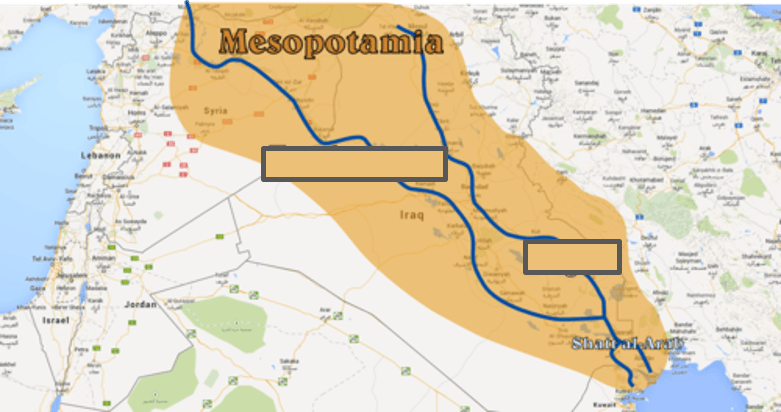
Name these two rivers, located in a region known as Mesopotamia.
Andes-Amazon
Danube-Volga
Tigris-Euphrates
Arabian-Iraqi

The city of Mecca, where millions of Muslims travel each year for the Hajj pilgrimage, is closest to which body of water?
Red Sea
Black Sea
Persian Gulf
Mediterranean Sea
The Ottoman Empire included land on which three continents
Europe
Turkey
Asia
Africa
Why was the Indian Ocean trade route more important than land trade routes?
It was easier to ship goods over water than land
There were more ships available than there were camels
Indian Ocean provided a faster route to the Americas
It was Islamic tradition to trade on water rather than on land

Which letter is where Constantinople used to be before it was renamed Istanbul in the 1930s?
In 1453, the Ottomans attacked Constantinople & conquered the ________ Empire
Persian
Roman
Mughal
Byzantine
The Byzantine domed church shown here is known as the-
Dome of the Rock
Stonehenge
St. Peter's Basicalla
Hagia Sophia
Mark the area that depicts the Ottoman Empire
The Byzantine Empire was originally the
western Roman empire
eastern Turkish empire
western Greek empire
eastern Roman Empire

When Muslims around the world face a specific direction during their prayers, what are they facing towards?
Mount Sinai
the Vatican City
the Kaaba in Mecca
the Western Wall in Jerusalem
Which of the following texts is the most fundamental source of Islamic teachings and law?
the Quran
the Vedas
the Torah
the Bible
Which sacred text of Islam provides details about how Muslims should live their lives based on Prophet Mohammad's example?
the Bible
the Quran
the Sunnah
the Bhagavad Gita
Which of these major trade routes contributed significantly to the early spread of Islam?
the Silk Road
the Sahara Desert trails
the Great Oceanic Currents
the Amazon River pathways


Which number is the Caspian Sea?
3
11
10
4

Which number identifies the Persian Gulf?
4
10
9
8

