
 Worksheets
1st 9-Weeks Exam Physical Science
Total questions: 100
Worksheet time: 8hrs 20mins

Groups 3-12 on the periodic table are called:
Nonmetals
Transition metals
Metalloids
Post transition
Groups 3-12 on the periodic table are called:
Nonmetals
Transition metals
Metalloids
Post transition

The colored part of the periodic table is called:
Metals
Nonmetals
Transition metals
Metalloids

Second group of the periodic table is called:
Alkali metals
Alkaline earth metals
Transition metals
Metalloids

Group 18 on the periodic table is called:
Metals
Metalloids
Halogens
Noble gases
Elements which share properties of metals and nonmetals are called:
Post transition
Alkaline earth metals
Metalloids
Lanthanoids
How many groups are in the periodic table?
7
10
18
8
Most elements are_________________
Nonmetals
Metals
Metalloids
Noble gases
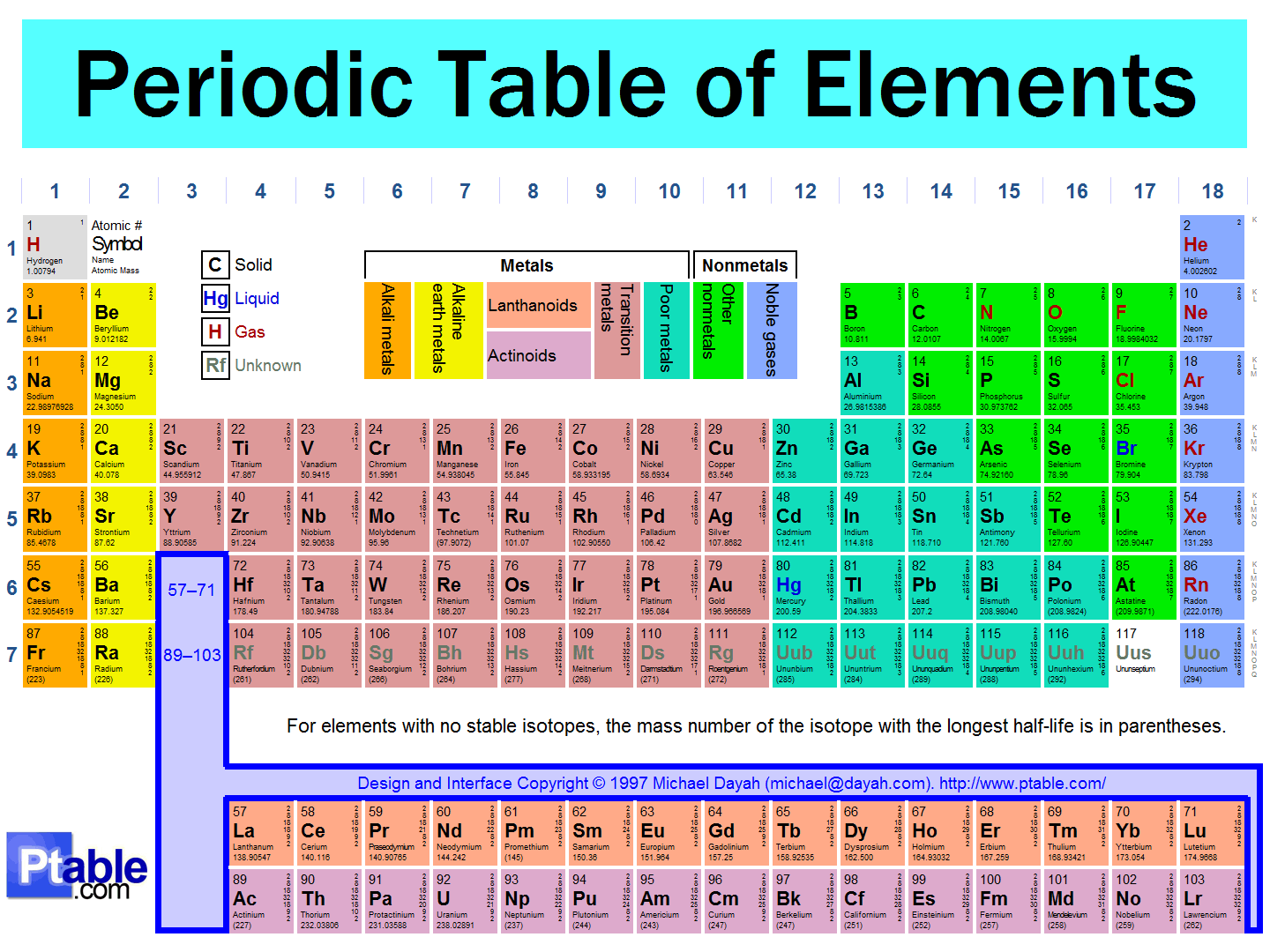
The vertical (up and down) columns in the Periodic Table are called
groups
towers
periods
atomic numbers
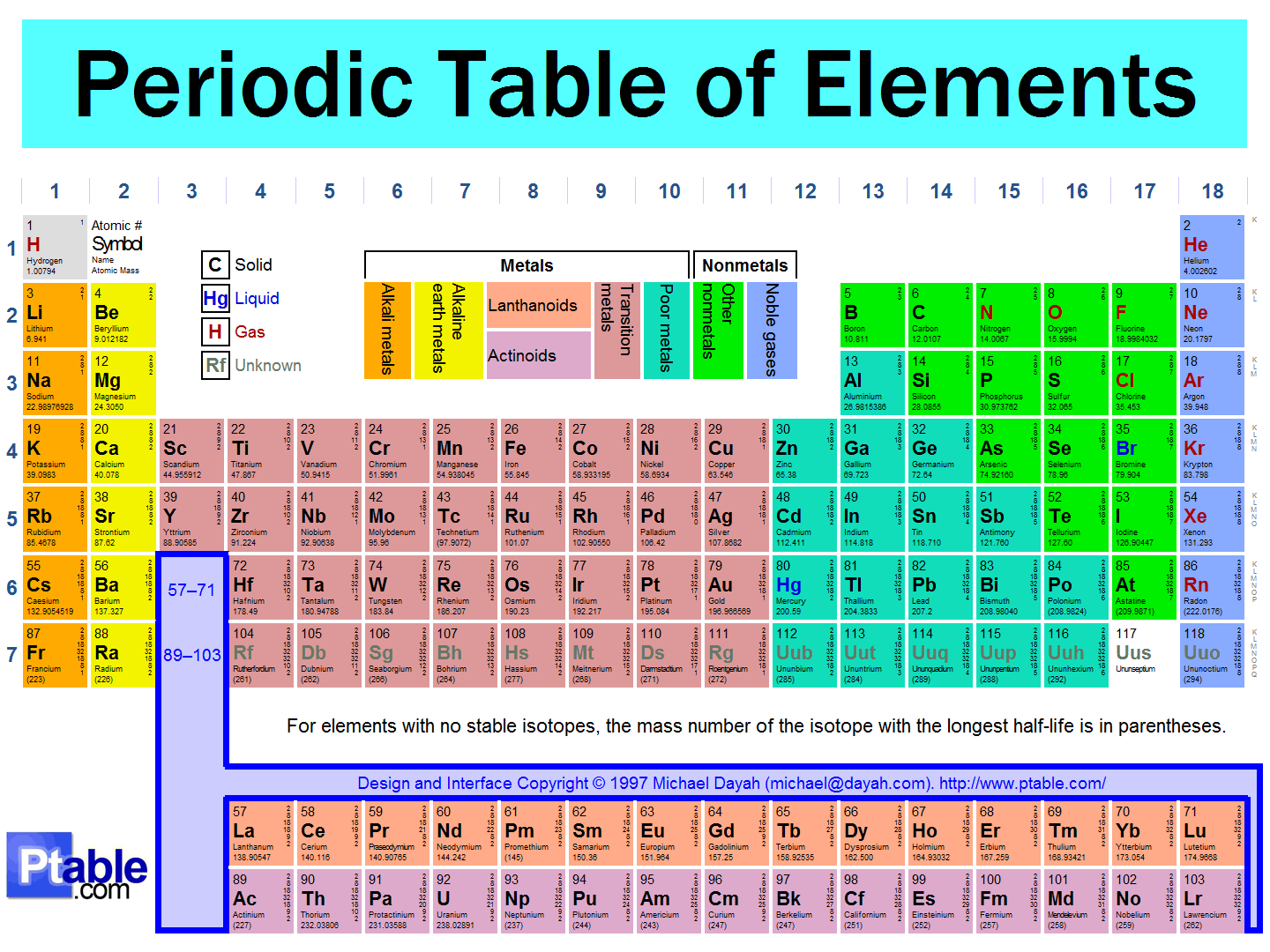
The horizontal (side to side) rows in the Periodic Table are called
groups
families
periods
atomic numbers

Metals are...
dull, brittle, insulators.
shiny or dull, brittle, semiconductor.
shiny, malleable, conductors.
shiny, dull, insulator.


This is a correct dot diagram for nitrogen (N)
true
false

This is a correct dot diagram for neon (Ne)
true
false
What are valence electrons?
The total number of electrons in an atom
The number of electrons in the outermost shell
The number of electrons in the second shell
The number of protons in the outermost shell

When you heat a solid, what happens the the attraction between the particles within the solid?
The particles become more attracted to each other
The particle attraction doesn't change
The particles become less attracted to each other

When you cool a liquid, what happens the the attraction between the particles within the liquid?
The particles become more attracted to each other
The particles attraction doesn't change
The particles become less attracted to each other
When matter is heated what happens to the motion of the particles within the matter?
The particles move faster
The particles move slower
Heat does not affect the motion of the particles
When matter is cooled what happens to the motion of the particles within the matter?
The particles will slow down
The particles will speed up
Cooling will not affect the motion of the particles

Critical Thinking! If gas particles in a tire are moving slowly, your tire pressure will drop because the gas particles are not pressing against the walls of the tire. What temperature change do you think would cause this pressure drop?
The temperature will have become colder
The temperature will have become hotter
Temperature and pressure have no relation
Phase change from a liquid to a gas that occurs when the liquid reaches its boiling point. This will occur throughout the liquid not just at the surface.
vaporization
evaporation
melting
condensation
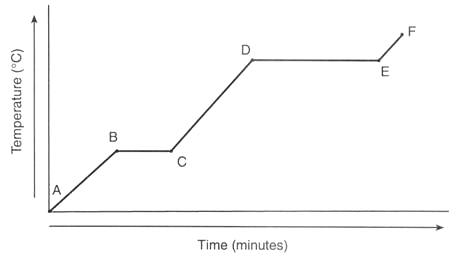
What state/phase is the object likely from points A to B?
Solid
Liquid
Gas
Plasma

Where on the graph are phase changes taking place?
1
2
3
4
5
Anything that takes up space and has weight
matter
belief
bubbles
gases
How heavy something is
weight
brick
tall
measure
There are 3 types of matter: solids, liquids, and gases. We can also call them what?
state of matter
state of the union
city, state
A characteristic that can be observed or measured: EXAMPLES: color, size, smell, taste, state of matter (solid, liquid, gas)
properties
state of matter
evaporation
balloon
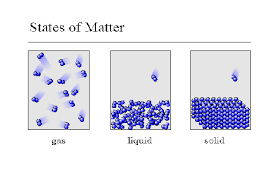
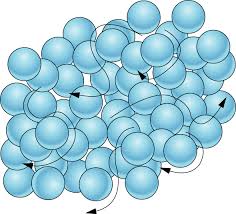
What state of matter?
Solid
Liquid
Gas
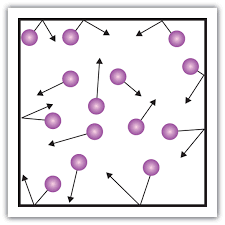
What state of matter?
Solid
Liquid
Gas
What kind of change occurs if matter changes in amount, size, or shape?
substance change
chemical change
physical change
elemental change

Which of the following is true?
A physical property can only be seen.
A physical property describes how matter can change when exposed to air.
A physical property is something that can be observed about the substance by itself.
A physical property can only be observed when two types of matter interact.
Students observed a piece of iron change from shiny to rusty. What caused this change?
a chemical reaction
a heat reaction
a cold reaction
a physical reaction
Which is the best example of a new substance forming?
lighting a match
cutting a piece of paper
popping a balloon
hitting a nail with a hammer
Which is an example of a different substance being formed?
glass breaking
metal melting
water freezing
wood burning
Condensation on a glass
Physical Change
Chemical Change
A chemical change is a change in
an item's properties such as size, shape, density
an item that creates a new substance, releases light or heat
an item's sound
an item's look or state of matter
Fluorine gas spontaneously igniting a concrete block at room temperature is an example of which of the following?
oxidation
viscosity
combustibility
reactivity

water is heated and changed to steam (BOILING WATER ON A STOVE)
The liquid water turned into water vapor or (steam) and it is a physical change
The liquid water turned into a solid and it is a chemical change
The temperature of ice is below 0'C (celsius) and it is a SOLID.
True
False
Every compound is a molecule but not every molecule is a compound.


What are two the two types of pure substances?
elements
compounds
heterogenous mixtures
homogenous mixtures
What are two the two types of mixtures?
elements
compounds
heterogenous
homogenous
A pure substances ________ be broken down into simpler matter using physical methods.
sometimes
can
can not
What is the simplest kind of pure substance?
Element
Compound
Homogenous Mixtures
Heterogenous Mixtures
Why kind of mixture is this? All parts of the mixture are visible because they do not mix together.
Heterogeneous
Homogenous
Element
Compound
Why kind of mixture is this? Compounds cannot be distinguished from each other.
Heterogeneous
Homogenous
Element
Compound
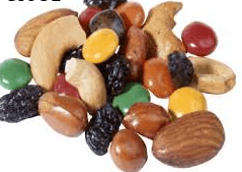
Why kind of mixture is this?
Heterogeneous
Homogenous
Element
Compound
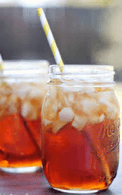
Why kind of mixture is this? (the sugar in the tea)
Heterogeneous
Homogenous
Element
Compound
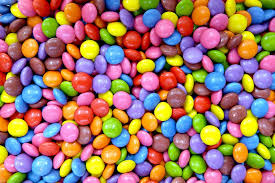
Why kind of mixture is this?
Heterogeneous
Homogenous
Element
Compound
A tool that measures temperature is called a _____.
Property
Gas
Thermometer
Matter that has volume and takes the shape of its container is called_____.
Property
Gas
Thermometer
Something about an object that you can observe with your senses is called ______.
Property
Gas
Thermometer
Matter is anything that takes up space and has mass.
true
false
Matter that has volume and takes the shape of its container is called_____.
Liquid
Solid
Matter
Matter that keeps its own shape and size is called _____.
Matter
Solid
Liquid
Combine means to take things apart.
true
false
To change matter without make it a new kind of matter is called_____.
mixture
physical change

How has the water changed?
It has changed to a solid.
It has evaporated into a gas.
It has melted into a liquid.
It has changed to precipitation.

Compare the liquids. What can you tell about the volume of each liquid?
Each liquid has the same volume.
The orange liquid has a greater volume than the blue and green liquids.
You cannot measure the volume of any of the liquids.
The green liquid has a greater volume than the blue and orange liquids.
Milk takes the shape of its container. Which kind of matter is milk?
gas
solid
liquid
energy
Which answer makes the sentence true? Matter is anything that ______.
reflects light
is burned to make heat
takes up space and has mass
lets electricity move through it

