
 Worksheets
Science QUIZ
Total questions: 125
Worksheet time: 1hrs 8mins
What is the largest organ in the human body?
Lungs
Liver
Skin
Heart
Which part of a plant is responsible for photosynthesis?
Flowers
Roots
Leaves
Stems
What do we call animals that eat both plants and meat?
Herbivores
Carnivores
Insectivores
Omnivores
What is the name of the planet we live on?
Mars
Venus
Jupiter
Earth
What force pulls objects towards the Earth?
Gravity
Magnetism
Friction
Electromagnetism
What is the function of the heart in the human body?
To filter toxins from the blood.
To store nutrients for energy.
To produce hormones for digestion.
To pump blood throughout the human body.
Which part of a plant absorbs water and nutrients from the soil?
Leaves
Flowers
Roots
Stems
What is the term for animals that can live both in water and on land?
Mammals
Amphibians
Fish
Reptiles
What is the Earth's atmosphere primarily made of?
Hydrogen and helium
Nitrogen and oxygen
Carbon dioxide and argon
Ozone and methane
What do we call the force that opposes motion between two surfaces?
Friction
Momentum
Inertia
Gravity
What are the stages of a plant's life cycle?
germination, seedling, vegetative, flowering, pollination, and seed production.
pollination, root growth, hibernation
germination, flowering, wilting
seedling, dormancy, decay
Name a simple machine and describe how it works.
Wheel and Axle
Pulley
Inclined Plane
Lever
What are natural resources found on Earth?
Mountains, oceans, and deserts
Water, air, soil, minerals, forests, and fossil fuels.
Plastic, glass, and paper
Clouds, rainbows, and sunlight
How many systems are in the human body?
10
12
9
11
What do plants need to grow?
Air, soil, and plastic.
Fertilizer, darkness, and salt.
Moonlight, sand, and minerals.
Sunlight, water, carbon dioxide, and nutrients.
How do clouds form in the atmosphere?
Clouds develop due to the presence of dust particles in the air.
Clouds are created by the cooling of ground temperatures.
Clouds form from the evaporation of soil moisture.
Clouds form through the condensation of water vapor in the atmosphere.
What is the difference between renewable and non-renewable resources?
Renewable resources are always more expensive than non-renewable resources.
Renewable resources are finite and cannot be replaced.
Renewable resources can be replenished naturally, while non-renewable resources are finite and cannot be replaced.
Non-renewable resources can be replenished naturally over time.
All below are animals breathing organs EXCEPT:
Lungs
Moist skin
Spiracles
Kidney

State the breathing organ of this animal.
Lungs
Spiracles
Gills
Moist skin

Which of this following animal uses this breathing organ?


1)Lungs
2)Moist Skin
Which of the following animals breathes through both of these breathing organs?


What is the meaning of vertebrates?
Animals with backbones
Animals without backbones
Animals which have scales
Animals which have hard shells
Which animals are invertebrates?


Which class of vertebrates nurse and feed their young?


"When I was young, I lived in the water and breathe using my gills. As an adult, I am able to live in water and on land because I have two breathing organs."
Who am I?


Why grasshopper can stay alive after it head is put into water?
because it has power
because it can breathe through lungs
because it can breathe through moist skin
because spiracle is located at the abdomen
An animals with backbone is known as vertebrates.
True
False

The tiger is vertebrates. It lives on land and give birth.It breathe using lungs. It also can be classify as ________
Fish
Reptiles
Mammals
Amphibians

This animal is vertebrates. It lay eggs. It has hard scales and eat meat. It breathe with its lungs.It also can be classify as ____
Mammals
Reptiles
Fish
Amphibians
Vertebrates can be classified as mammals, reptiles, amphibians,birds and fish.
True
False
When a straw is placed into a glass of water why does it appear broken?
Light travels in a straight line
Light is reflected
Light is refracted
Light is absorbed
While standing in a large empty room, Lisa can hear her voice echoing as she speaks. Which most likely causes the echo?
Sound is absorbed
Sound is reflected
sound is refracted
Sound is broken
A lamp is switched on and the bulb begins to glow. Which types of energy are being released?
heat and light
sound and light
heat and magnetic
magnetic and sound
Guitars are built to control which type of energy?
heat
light
sound
magnetic
Which is most likely the reason that light from a bulb only lights a single room?
The light is absorbed into the walls of the room and makes the room glow.
The light is refracted onto the walls of the room and makes the room dark.
The light travels in a curved path and does not go through the walls to other rooms.
The light travels in a straight path and does not go through walls to other rooms.
Which best describes the type of energy released when the teacher rings a bell?
electrical
heat
sound
light
Two campers put hot dogs on sticks. They held the hotdogs over a campfire. What type of energy cooks the hotdogs?
electrical
heat
light
mechanical
What is the Ring of fire?
It is an area of many volcanoes in the Pacific
It is a forest fire in California.
It is where EVERY volcano exists
It is a volcano that forms a ring, or circle
This is NOT a layer of the Earth
Crust
Mantle
Inner Core
Magma
The layer of rock lying below the crust is the
Mantle
Core
Outer Core
Pangaea
The core of the apple is like the ___________ of the earth.
crust
mantle
core
magma


The carrying away of rocks and soil from one place to another
weathering
erosion
glacier
earthquake
Rocks break down due to ____________ and move to new places during ________________
weathering, erosion
erosion, weathering
tornado, hurricane
hurricane, tornado
Why can the moon be seen in the sky?
It reflects light from Earth.
It reflects light from the sun.
Glowing moss grows on its surface.
Light from the stars collect in crystals.
What is a shadow?
An area where the light is blocked by another object.
The way a light reflects off of a light source.
A spot on the ground where the sun reflects.
An object that makes or produces light.
Which planet is known as the "red planet"?
Mars
Venus
Saturn
What are the TWO cold planets?
Uranus and Mars
Mars and Venus
Neptune and Uranus
What is the largest planet in the solar system?
Saturn
Earth
Jupiter
Mercury, Venus, Earth and Mars are known as the ________ planets
Gas Giants
Terrestrial planets
Mercury, Venus, Earth and Mars are known as the ________ planets
Inner planets
Outer planets
Which planets appears blue because of its atmosphere?
Saturn
Neptune
Jupiter
Jupiter, Saturn, Uranus, and Neptune are called the
Terrestrial Planets
Gas Giants
Has liquid water, and distance from the sun make this place Ideal for life
Venus
Mars
Earth
They have solid surfaces and rocky cores
Inner planets
Outer planets
Made mostly of atmosphere (gas)
Inner planets
Outer Planets
All four Gas Giants have rings
True
False
Which planet is almost 10 times the size of Earth?
Mercury
Saturn
Jupiter
Our solar system has 9 planets?
true
false
Pluto is considered a dwarf planet?
true
false


Which system is the "frame that your body hangs on"?
skeletal system
muscular system
digestive system
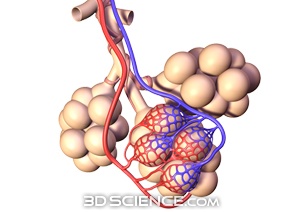
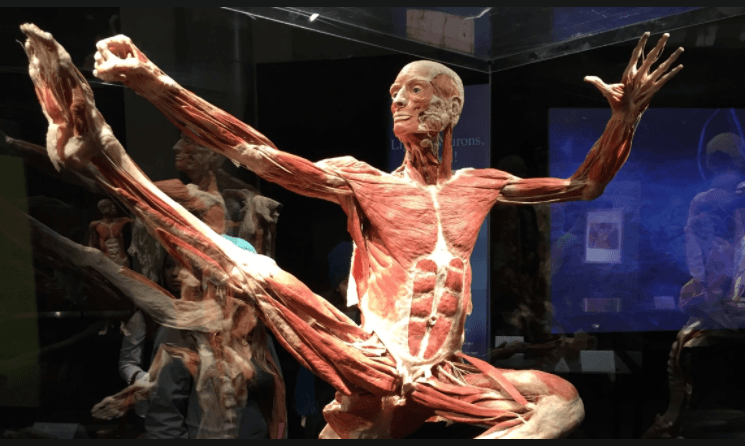


What is the function of the digestive system?
Controls all other systems in the body
Breaks down food and absorbs nutrients
Carries blood to all parts of the body and provides cells with oxygen
It brings air containing oxygen into the body and releases carbon dioxide to the atmosphere
Which of the follwoing help build the different parts of our body?
carbohydrates
proteins
vitamins
fats
What type of nutrients is important for bones and teeth?
proteins
fats
vitamins
carbohydrates
The following factors affect how our body grows and develops, except...
rest
environment
friends
food
One way to keep our body healthy is...
exercise regularly
eat a lot of fats and sugar
sleep for only 2 hours per day
go and see dentist every day
What is the safety rule at home?
play with sharp objects
play in the bathroom and kitchen
ask parents for help to light candles
play with electricity
What is a safety rule in school?
run while walking up the stairs
play in the Science laboratory
queue up when in the dining hall
play with spoon and fork during eating
What do we need to do in case of fire?
hide under the bed or table
use the staircase instead of lift
walk in the thick smoke
be panic and shout hysterically
Which of the following is not a basic need of living things?
clothes
air
water
food
Choose one living thing from the following?
aeroplane
robot
dried leaves
mushroom
Choose a non-living thing from the following.
viruses
bacteria
bird cage
rooster
Which of the following is a characteristic of living things?
die
eat
walk
sing
How does our body respond to hot day?
We sleep all day
We drink hot water
We wear thick clothes
We are sweating
A plant that will close its leaves when touched is called....
pitcher plant
mimosa plant
venus fly trap
rafflesia
Which of the following is not a group of living things?
hummingbird
microorganisms
animals
fungi
Peacock is an animal belongs to .... group.
mammals
birds
reptiles
insects
Which of the following is non-flowering plants?
fern tree
moss
mushroom
algae
How is the microorganisms can be useful to human?
bacteria cause the food to go bad
yeast is used to make bread
bacteria is used to make yogurt
bacteria can grow on the raw meat
The earthworm crawls with its (a) .
Animals that eat plants only are called ...
herbivores
omnivores
carnivores
Choose a herbivore.
chicken
bear
koala
frog
Choose a carnivore.
eagle
panda
monkey
elephant
Choose an omnivore.
snake
caterpillar
giraffe
chicken
How are animals useful to human?
pigs destroy people plants
we can wear jacket from its skin
we can drink milk from cow
they can move us from place to place
Animals that have incisors, canines and molars teeth are belongs to group (a)
Part of plant that will absorb water and mineral.
stem
leaf
root
flower
Part of plant that will carry food to other parts.
stem
leaf
root
flower
Plants that can grow in water is called (a)
Choose water plants from the following.
cattails
creepers
hydrilla
vines
Give one example of 'carnivorous plant'.
(a)

During spring, flowers bloom. Are they living thing or non living thing?
Non living
I am not sure.
Living
Both living thing and non living thing

Rivers run deep. Are they living thing or non living thing?
Living thing
Non living thing
I am not sure.
Both, living thing and non living thing
The characteristics of living things are as follows except .....
can reproduce
can move
can cook
can grow
What are the basic needs of human?
Food
Food and water
Food, water and air
Food, water, air and shelter
Why do human and animals need food?
For quenching thirst
For breathing
For growth and to give energy
For protection from danger, heat and rain
What can living things do?
They are born, they jump and all of them sing songs.
They are born, they grow, they reproduce and they die.
They do nothing.
They cooking.
Which animal giving birth?
Duck
Chicken
Frog
Bat
All animals need food, ______ and air to survive.
chocolate
water
fruits
carbon dioxide

What is the name of the part of the plant shown in the diagram below?
Roots
Flower
Fruit
Stem
Tropical rainforest is made up of how many layers?
2 layers
3 layers
4 layers
5 layers
Plants provides human with many kinds of food, wood to make homes and ........
energy to work
light to make food
carbon dioxide to breath
oxygen to breath
A caterpillar will turns into ..........
an ant
a frog
a ladybug
a butterfly
What is the sense that helps to guess the sound of the musical instrument?
Sense of smell
Sense of sight
Sense of hearing
Sense of taste
State the senses you have used to identify the characteristics of the fruits?
Touch and hearing
Taste and sight
Hearing and smell
Sight and smell

What is the function of the part of the body?
Steering
Protect themselves
Swimming
Fly
Which of the following is the correct tools to see the microlife?
Microscope
Magnifying glass
Spectacles
Glass
Bacteria are microscopic living things made up to more than once cell?
True
False
The sun is a star.
True
False
Animals are divided into how many groups?
1
2
3
4
Which of the following statements is true about the forest floor?
The layer receives bright sunlight and plenty of rain.
It is a thick layer of treetops that is home to animals, birds and lot of climbing plants.
It is the darkest part of the rainforest. It's muddy and covered in leaves that have fallen from the trees above.
A layer of vegetation and specially short trees and shrubs that provide cover for small animals.
Why do human and animals need food?
For protection from danger, heat and rain
For breathing
For growth and to give energy
For quenching thirst

