
 Worksheets
MT - Chapter 2
Total questions: 120
Worksheet time: 1hrs 17mins
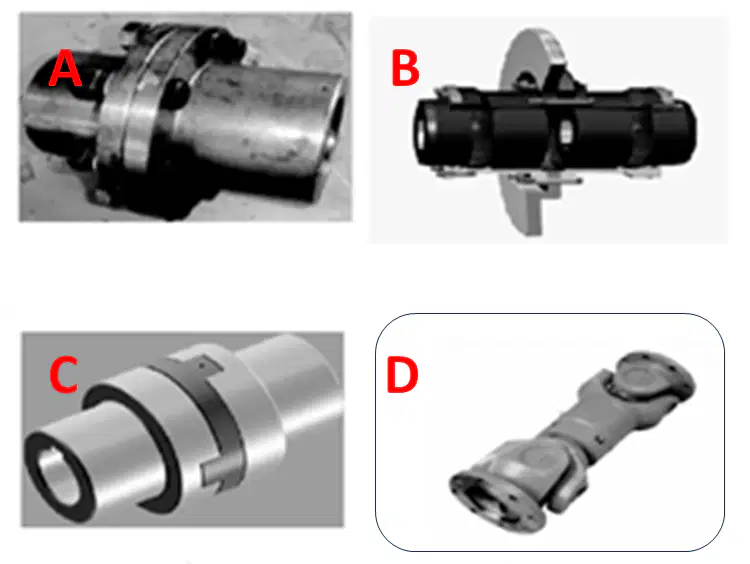
刚性联轴器 - 凸缘联轴器
(a)
刚性联轴器 - 十字轴式万向边轴器
(a)
刚性联轴器 - 十字滑块联轴器
(a)
刚性联轴器 - 齿式联轴器
(a)
Classify "V Belt" according to the cross-sectional shape of the drive belt.


What is the main advantage of a worm gear mechanism in terms of gear ratio?
Low gear ratios
Medium gear ratios
High gear ratios
Variable gear ratios
蜗轮与蜗杆在其中间平面内相当于齿轮与齿条,蜗杆又与螺杆形状相似
真的
错误的
Which of the following is the primary function of a worm gear mechanism?
To transmit motion between parallel shafts
To transmit motion between intersecting shafts
To transmit motion between non-intersecting, non-parallel shafts
To transmit motion between co-axial shafts
蜗轮蜗杆机构常用来传递两交错轴之间的运动和动力
真的
错误的
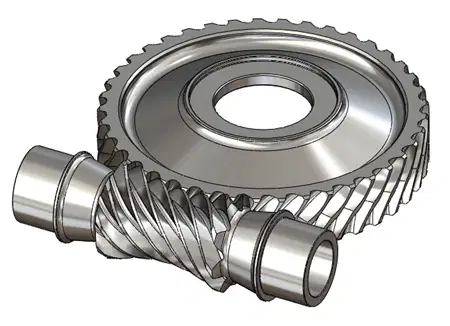
What is the specific name of this gear. Write the name in Chinese.
(a)
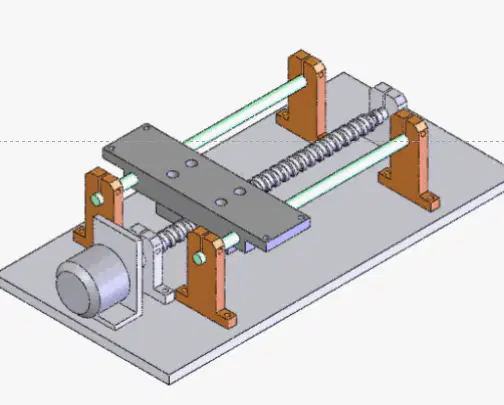
What is the specific name of this transmission. Write the name in Chinese.
(a)
The main function of this transmission mechanism is to convert ______ to ________.
linear motion into rotational motion
rotational motion into linear motion
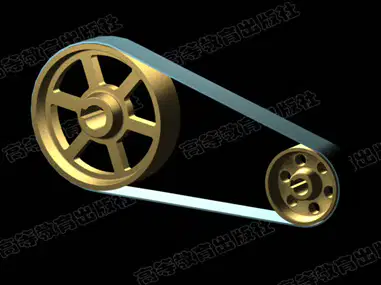
According to different transmission principles, what type of belt is used in this mechanism. Write name in Chinese.
(a)
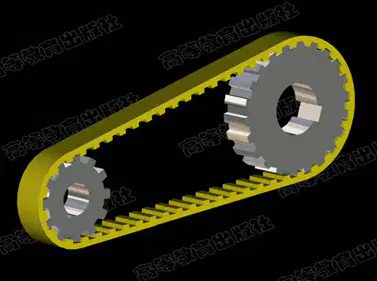
According to different transmission principles, what type of belt is used in this mechanism. Write name in Chinese.
(a)
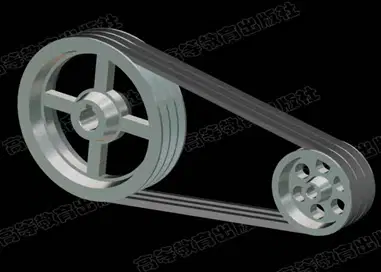
According to different transmission principles, what type of belt is used in this mechanism. Write name in Chinese.
(a)
Classify "Circular Belt" according to the cross-sectional shape of the drive belt.
Classify "Timing Belt" according to the cross-sectional shape of the drive belt.
What is the primary function of a guide rail?
To transmit power between components.
To seal and protect internal components.
To constrain and direct the movement of mechanical parts.
To absorb shock and vibration.
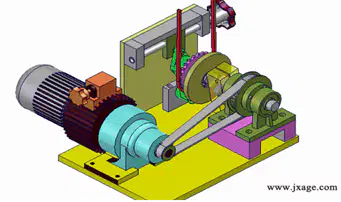
Which "Belt Type" is used to transmit power?
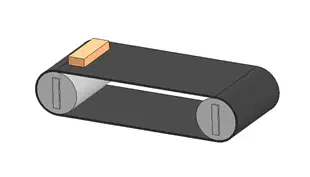
Which "Belt Type" is used to transport items?
Classify "Multi Wedge Belt" according to the cross-sectional shape of the drive belt.
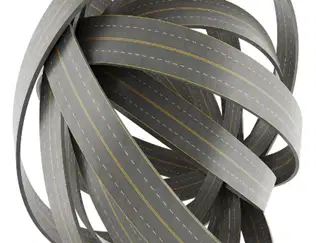
Classify according to the cross-sectional shape of the drive belt. Please write the name of the belt. (Write the name in Chinese)
(a)
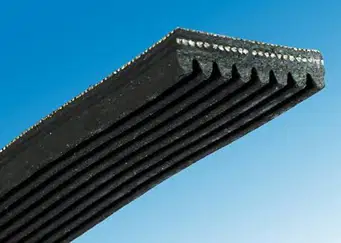
Classify according to the cross-sectional shape of the drive belt. Please write the name of the belt. (Write the name in Chinese)
(a)
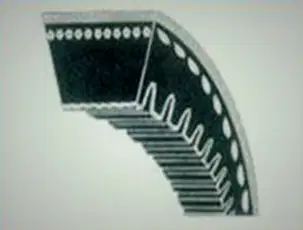
Classify according to the cross-sectional shape of the drive belt. Please write the name of the belt. (Write the name in Chinese)
(a)
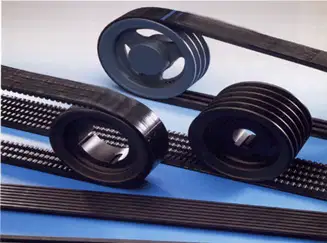
Classify according to the cross-sectional shape of the drive belt. Please write the name of the belt. (Write the name in Chinese)
(a)

Classify according to the cross-sectional shape of the drive belt. Please write the name of the belt. (Write the name in Chinese)
(a)
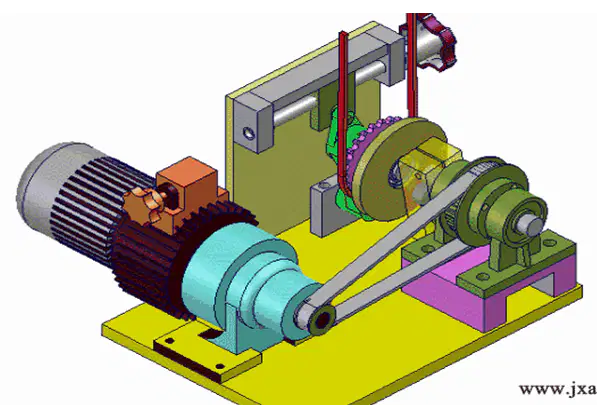
Classify according to the purpose/working operation of the drive belt. Please write the name of the belt. (Write the name in Chinese)
(a)
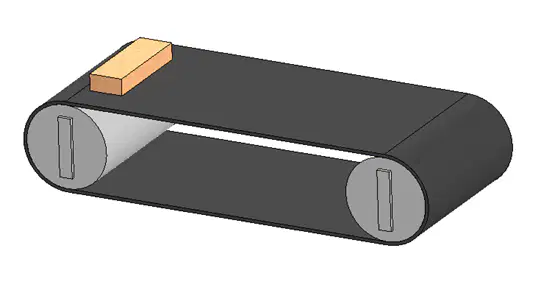
Classify according to the purpose/working operation of the drive belt. Please write the name of the belt. (Write the name in Chinese)
(a)
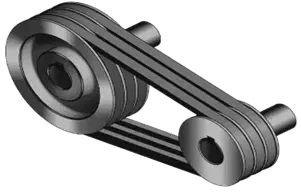
What type of Belt Drive is used shown in the picture? (Write the answer in Chinese)
(a)
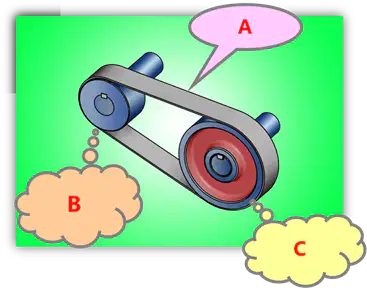
The belt drive is a commonly used mechanical transmission device. Write the name of the part highlighted in "A". (Write the answer in Chinese)
(a)
The belt drive is a commonly used mechanical transmission device. Write the name of the part highlighted in "B". (Write the answer in Chinese)
(a)
The belt drive is a commonly used mechanical transmission device. Write the name of the part highlighted in "C". (Write the answer in Chinese)
(a)
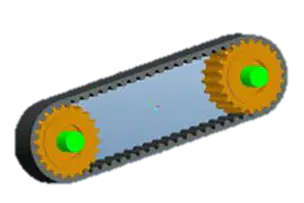
What type of Belt Drive is used shown in the picture? (Write the answer in Chinese)
(a)
What type of Belt Drive is used shown in the picture? (Write the answer in English)
(a)
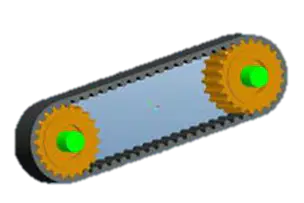
What type of Belt Drive is used shown in the picture? (Write the answer in English)
(a)
Classify "Flat Belt" according to the cross-sectional shape of the drive belt.
Belt drives are classified into how many types based on purpose/working.
1
2
3
4
In what kind of applications are spiral transmissions commonly used?
Automotive transmissions.
Machine tools and precision instruments.
Bicycle drivetrains.
Wind turbines.
The cross-sectional shape of the flat belt is rectangular, and the working surface is the (a) surface.
The cross-sectional shape of the flat belt is rectangular, and the working surface is the _______________ surface.
Left
Right
Top
Inner
Belt drives are used for __________________ transmission with two parallel axes and the same steering direction.
Short-distance
long-distance
Medium-distance
None
Belt drives are used for (a) distance transmission with two parallel axes and the same steering direction.
How do ball bearing guide rails reduce friction and wear?
By using a fluid film to separate surfaces.
By rolling elements that reduce sliding contact.
By magnetic levitation.
By using a hydrostatic bearing.
The multi-wedge belt is commonly used in compact (a) power transmissions.
The multi-wedge belt is commonly used in compact ____________ power transmissions.
high
low
medium
zero
Circular belts are only used for ________ speed and _________ power transmission such as sewing machines, instruments, etc.
low, low
high, high
low, high
high, low
The cross-sectional shape of the circular band is circular.
Rectangular
circular
Triangular
Square
Which of the following is a disadvantage of a worm gear mechanism?
High efficiency
Smooth operation
Compact design
Low efficiency
What is the worm in a worm gear mechanism?
A toothed wheel
A bevel gear
A screw-like thread
A helical gear
In which application are worm gear mechanisms commonly used?
Automobile transmissions
Bicycle gearboxes
Machine tool drives
Clock mechanisms
What is the primary function of a spiral transmission system?
To convert linear motion into rotational motion.
To convert rotational motion into linear motion.
To amplify rotational speed.
To reduce frictional forces in a mechanical system.
Which components are essential in a spiral transmission system?
A gear and a pinion.
A belt and a pulley.
A screw and a nut.
A chain and a sprocket.
How does a spiral transmission system achieve its motion conversion?
By utilizing the meshing of teeth on gears.
By transferring power through a flexible belt.
By the helical engagement between the screw thread and the nut.
By the rolling contact between two cylindrical surfaces.
What is a key advantage of spiral transmissions over other types of mechanical transmissions?
Precise control of linear motion.
High efficiency at high loads.
Low maintenance requirements.
High rotational speed.
What is the primary characteristic of a rolling spiral transmission?
It utilizes sliding friction between components.
It relies on rolling friction for power transmission.
It is primarily used in high-speed applications.
It is limited to low-load applications.
How does rolling friction contribute to the efficiency of a spiral transmission?
It increases the power loss due to heat generation.
It reduces frictional losses compared to sliding friction.
It amplifies the input torque.
It limits the maximum achievable speed.
What is the key advantage of rolling spiral transmissions over traditional sliding spiral transmissions?
Simpler manufacturing process.
Lower load-carrying capacity.
Higher noise levels.
Higher efficiency and longer lifespan.
In what applications are sliding friction guide rails commonly used?
High-speed, high-precision machinery
Lower-speed, lower-precision applications
Aerospace and aviation industries
Medical equipment and surgical robots
Which of the following is a type of rolling friction guide rail?
Triangular guide rail
Rectangular guide rail
Ball bearing guide rail
Flat guide rail
In what industries are rolling spiral transmissions commonly used?
Textile industry.
Precision engineering and robotics.
Automotive industry.
Aerospace industry.
What is the primary factor influencing the efficiency of a rolling spiral transmission?
The material of the screw and nut.
The quality of the manufacturing process.
The lubrication used.
The operating temperature.
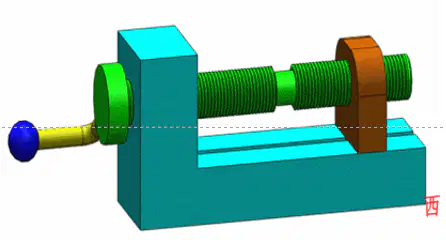
单螺旋传动机构
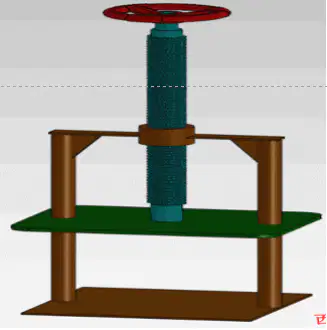
双螺旋传动机构
Which of the following components is responsible for providing precise guidance to a moving part?
Coupling
Guide/guidance
Fulcrum bearing
Drive shaft
How does a fulcrum bearing contribute to the functionality of a guide rail system?
It transfers rotational motion to linear motion.
It supports and reduces friction in rotating components.
It seals the system from external contaminants.
It dampens vibrations and noise.
In what type of machinery are guide rails commonly used?
Only in heavy industrial equipment.
In a wide range of machinery, from simple to complex.
Primarily in automotive applications.
Exclusively in aerospace applications.
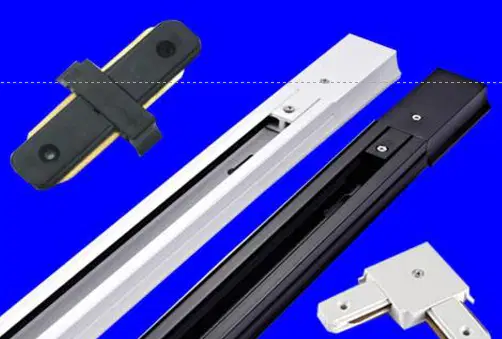
导轨是支承和限制运动部件按给定的运动要求和规定的运动方向运动
True
False
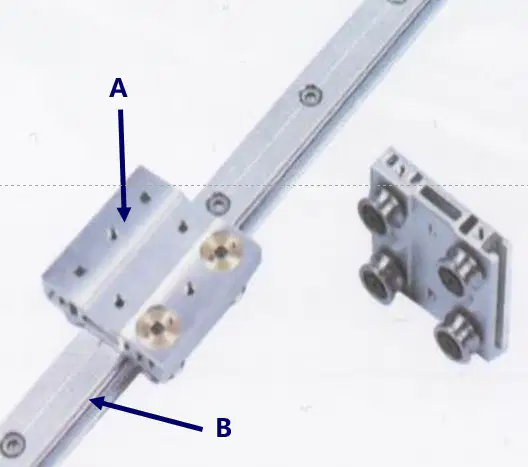
In the composition of rail/track (导轨), the Chinese name of the part highlighted with "A" is
(a)
In the composition of rail/track (导轨), the Chinese name of the part highlighted with "B" is
(a)
直线运动导轨副 (Linear motion guide pair)
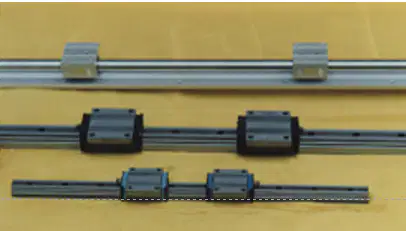
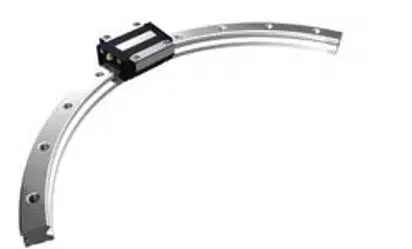
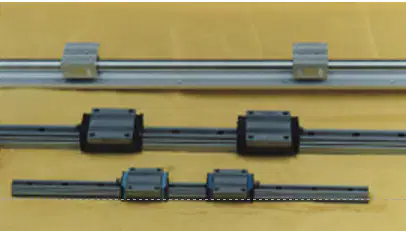
The Chinese name of motion guide rail shown in the picture is (a) ?
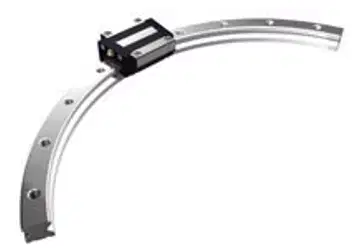
The Chinese name of motion guide rail shown in the picture is (a) ?
回转运动导轨副 (Rotating motion guide rail pair)
Which of the following is a common shape for a sliding friction guide rail?
Circular
Triangle
Rectangle
Swallowtail
What is the primary mechanism of motion in a sliding friction guide rail?
Rolling friction
Sliding friction
Magnetic levitation
Hydrostatic bearings
How does a triangular guide rail contribute to precise linear motion?
By providing a large contact area.
By constraining motion in two directions.
By reducing friction through rolling elements.
By using magnetic forces to levitate the moving part.
What is a potential drawback of sliding friction guide rails compared to rolling element guide rails?
Higher load capacity
Higher friction and wear
Lower manufacturing cost
Simpler design
What is the primary advantage of rolling friction guide rails over sliding friction guide rails?
Lower load capacity
Higher manufacturing cost
Lower friction and wear
More complex design
In what applications are rolling friction guide rails particularly beneficial?
Low-speed, low-precision applications
High-speed, high-precision applications
Heavy-duty industrial machinery
Simple mechanical systems
What is a key factor to consider when selecting a rolling friction guide rail?
The weight of the moving parts
The required precision and accuracy of movement
The operating temperature range
The cost of the system
Which of the following is a key requirement for a guide rail system?
High weight capacity
High precision and accuracy
Low cost
Simple design
What factors influence the selection of a guide rail system?
The weight of the moving parts
The required precision and accuracy of movement
The operating environment (temperature, humidity, etc.)
All of the above
How does the operating environment affect the choice of a guide rail system?
It determines the required load capacity.
It influences the choice of materials and lubrication.
It dictates the required precision and accuracy.
It has no significant impact on the selection process.
What is the importance of lubrication in a guide rail system?
To increase friction and prevent wear.
To reduce friction and wear, and improve performance.
To cool the system and prevent overheating.
To protect the system from corrosion.
What is the importance of sufficient rigidity in a guide rail pair?
To reduce the weight of the system.
To maintain accuracy and prevent deformation under load.
To improve the damping properties of the system.
To facilitate easy assembly and disassembly.
滑动摩擦导轨副 - 三角形导轨 (Triangle Guide Rails)
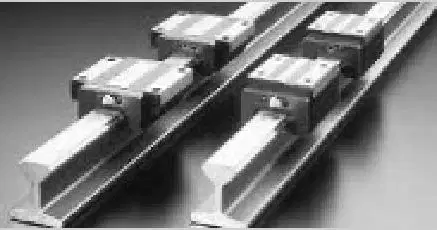
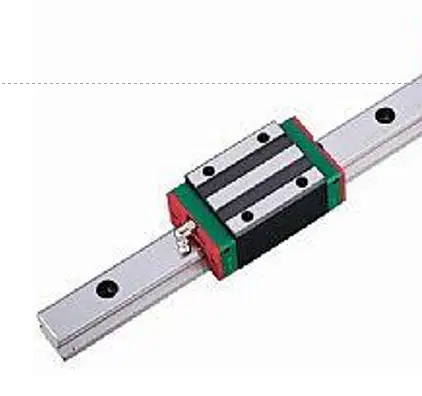
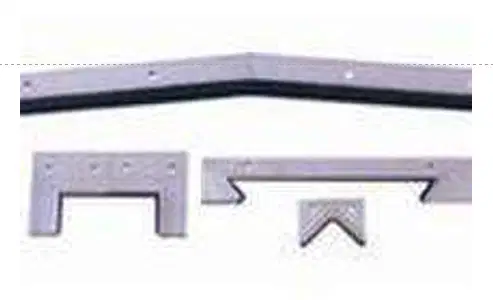
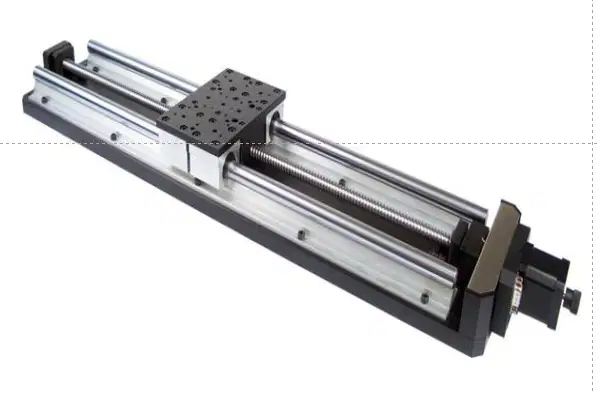
滑动摩擦导轨副 - 矩形导轨 (Rectangular Guide Rail)
滑动摩擦导轨副 - 燕尾形导轨 (Swallowtail shaped guide rail)
滑动摩擦导轨副 - 圆形导轨 (Circular guide rail)
滚动摩擦导轨类型 - 滚柱导轨 (Roller guide rail)
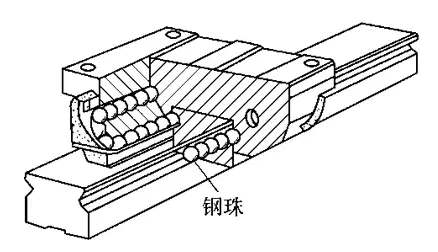
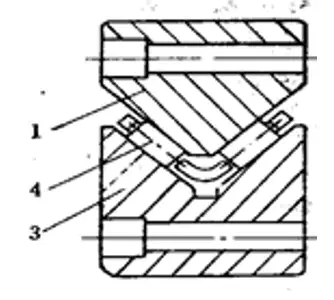
滚动摩擦导轨类型 - 滚珠导轨 (Ball guide)
What is the primary function of a coupling in a mechanical system?
To convert rotational motion into linear motion.
To connect two rotating shafts and transmit torque.
To absorb shock and vibration.
To reduce rotational speed.
Which of the following is NOT a primary category of couplings?
Rigid couplings
Hydraulic couplings
Elastic couplings
Universal couplings
What is the primary characteristic of a rigid coupling?
It allows for misalignment between shafts.
It transmits torque directly without allowing for relative motion.
It absorbs shock and vibration.
It is used in high-speed applications.
What is the primary function of an elastic coupling?
To transmit high torque at low speeds.
To absorb shock and vibration.
To allow for large angular misalignments.
To reduce rotational speed.
What is the primary function of a universal coupling?
To transmit torque between parallel shafts.
To transmit torque between non-parallel shafts.
To absorb shock and vibration.
To reduce rotational speed.
轴系支承部件 - 刚性联轴器
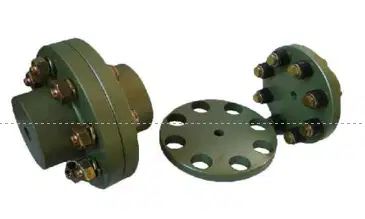
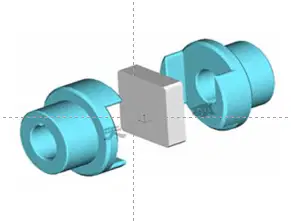
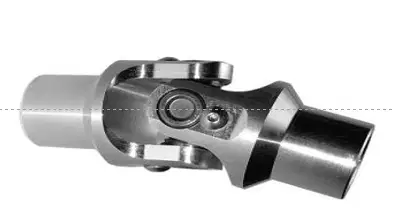
The type of coupling shown in figure is (a) . (write your answer in Chinese)
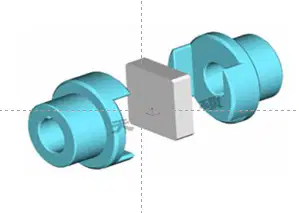
The type of coupling shown in figure is (a) . (write your answer in Chinese)
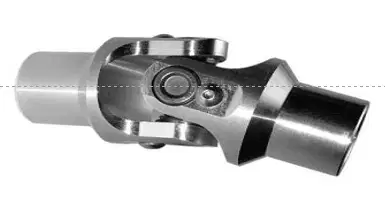
The type of coupling shown in figure is (a) . (write your answer in Chinese)
轴系支承部件 - 弹性联轴器
轴系支承部件 - 万向联轴器
What is the primary function of a bearing in a mechanical system?
To transmit power between components.
To support rotating shafts and reduce friction.
To absorb shock and vibration.
To convert rotational motion into linear motion.
What are the two main categories of bearings?
Ball bearings and roller bearings
Rolling bearings and sliding bearings
Hydraulic bearings and pneumatic bearings
Magnetic bearings and hydrostatic bearings
What is the primary advantage of rolling bearings over sliding bearings?
Higher friction and wear
Lower load capacity
Lower friction and higher efficiency
Simpler design and lower cost
Which type of bearing uses rolling elements to reduce friction?
Sliding bearings
Rolling bearings
Hydrostatic bearings
Magnetic bearings
What is a common type of rolling bearing?
Journal bearing
Sleeve bearing
Ball bearing
Hydrodynamic bearing
What is the primary factor influencing the lifespan of a bearing?
A) The material of the shaft
B) Lubrication and maintenance
C) The operating temperature
D) The initial cost of the bearing
(a)
In what applications are rolling bearings commonly used?
Low-speed, low-load applications
High-speed, high-load applications
Heavy-duty industrial equipment
Simple mechanical systems
What is the primary function of a bearing's lubricant?
To increase friction and wear
To reduce friction and wear, and prevent corrosion
To cool the bearing and prevent overheating
To protect the bearing from external contaminants
What is the most critical factor to consider when selecting a bearing for a specific application?
The initial cost of the bearing
The required load capacity and operating conditions
The weight of the rotating component
The ease of installation and maintenance
What is the primary function of an actuator?
To transmit power between components.
To convert energy into mechanical motion.
To absorb shock and vibration.
To measure physical quantities.
Which of the following is a key requirement for an actuator?
High weight
High accuracy and precision
Low power consumption
Simple design
What factors influence the selection of an actuator for a specific application?
The required force or torque
The required speed and acceleration
The operating environment (temperature, humidity, etc.)
All of the above
How does the operating environment affect the choice of an actuator?
It determines the required power output.
It influences the choice of materials and construction.
It dictates the required accuracy and precision.
It has no significant impact on the selection process.
What is the importance of reliability in an actuator?
To reduce maintenance costs.
To ensure consistent performance and avoid downtime.
To improve the appearance of the system.
To increase the load-carrying capacity.
机器人末端执行器 - 吸盘 (sucker)
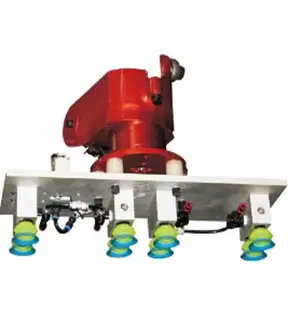
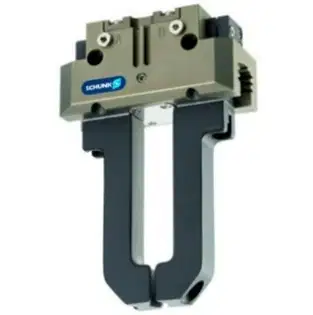
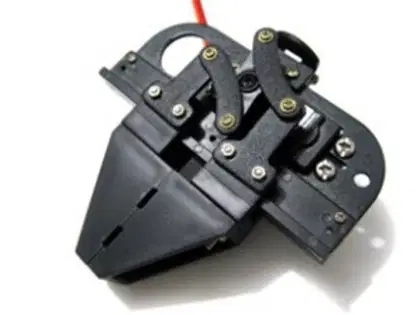
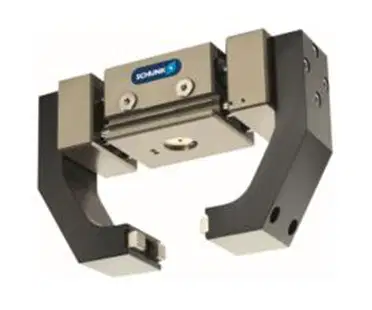
机器人末端执行器 - 机械气爪 (Mechanical pneumatic claw)
机器人末端执行器 - 机械手夹持器 (Mechanical arm gripper)
机器人末端执行器 - 二指夹持器 (Two finger gripper)

