
 Worksheets
Chemistry review PS8.1-5
Total questions: 46
Worksheet time: 27mins
The measure of the pull of gravity on an object describes
mass
weight
volume
density
What term means "take up space"
Volume
Matter
Mass
Substance


What is the outcome of observing a chemical property?
Nothing
A new substance is formed with different properties
NaCl
A rise in thermal conductivity
What effect does observing the physical properties of a substance have on the substance?
Measuring physical properties changes the chemical identity of the substance
Observing physical properties has no effect on the substance
It makes to substance develop a deep seeded distrust of humans
The substance will undergo an exothermic reaction
Choose the one that is a chemical property
Magnetism
Size
Color
Reactivity with water
Choose which one is a physical property
Flammability
Solubility
Water Reaction
Magic


Physical or Chemical Change? Iron rusts
Physical Change
Chemical Change
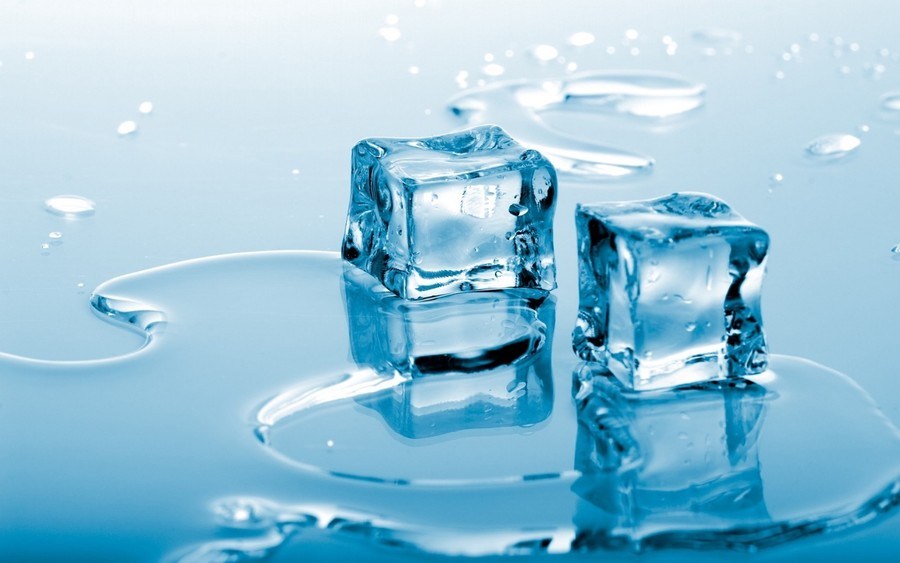
Water freezing into ice is an example of a...
Physical Change
Chemical Change
Which of the following is a negatively charged subatomic particle?
Electron
Proton
Neutron
Quark
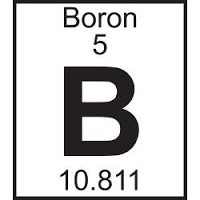
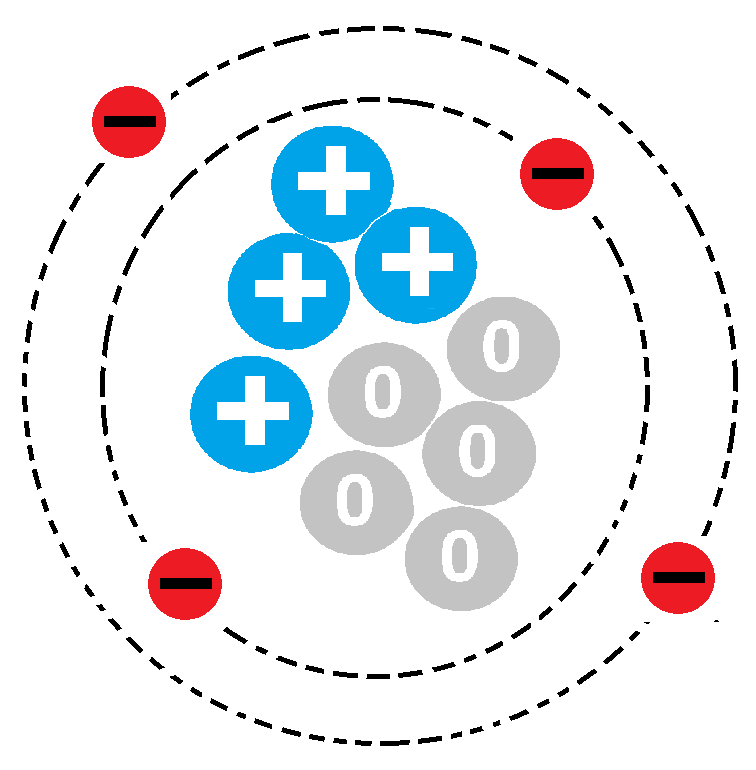
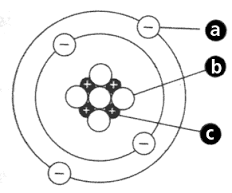

How many valence electrons does the element have?
1
2
3
4
What do the vertical columns on the periodic table tell us?
The number of orbitals
The number of valence electrons (electrons on the outer most shell)
What are the vertical columns on the periodic called?
groups
periods
nonmetals
metals
metalloids
how many rows are on the table
4
5
6
7
a row on the Periodic Table of Elements
family
period
row
isotope
Which of the following is not an alkali metal?
Cesium
Francium
Hydrogen
Sodium
Highly reactive
Alkali metal
Noble gases
Rare earth metals
Neon
Which elements are found on the left to middle of The Periodic Table?
Metals
Nonmetals
Metalloids
Candles
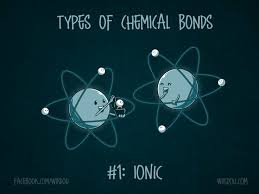
An ionic bond forms when
valence electrons are shared back and forth (move between) two atoms.
a sea of mobile electrons surround the cations and they then become negativly charged
valence electrons are transferred from one atom to another, forming charged ions that are then pulled together by attraction between opposite charges
none of the above
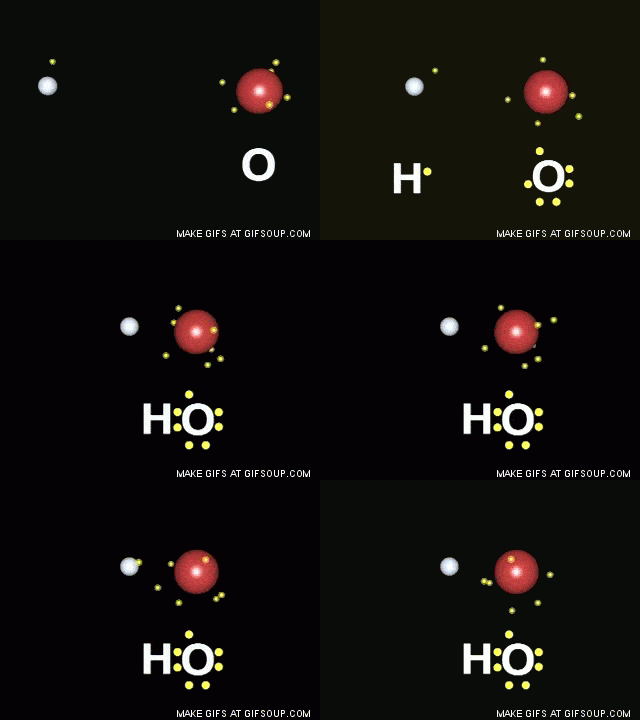

Structural differences between different chemicals can be represented in models of the particles. Which drawing BEST represents a compound?
Picture A
Picture B
Picture C
Picture D
Earth’s air is made up of molecules of different gases that are not joined chemically. Which term best describes air?
compound
mixture
pure substance
element
What kind of substance is composed of two or more elements that are chemically combined?
element
mixture
solution
compound
Is salt (NaCI) a compound or a element
Compound
element
How many different elements are in an amino acid with the formula C5H11NO2S?
5
20
18
4
Alanine is an amino acid with formula C3H7NO2. How many atoms in all are in each molecule of alanine?
3
7
12
13
How many atoms of sulfur are in each molecule of H2SO4?
1
4
2
7
What does the number 4 represent in 4NH3?
Subscript
Superscript
Coefficient
What does the number 3 represent in 4NH3?
Subscript
Superscript
Coefficient
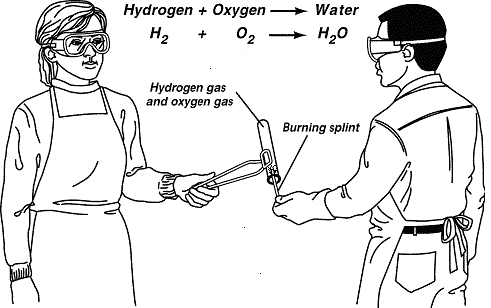
The Law of Conservation of Mass says that matter can neither be __________ or __________.
created; destroyed
recycled; renewed
subtracted; added
joined; separated

Why does this picture demonstrate the Law of Conservation of Mass?
the number of atoms of each element are the same on both sides
they start out separate and end up combined
the same elements are used
it doesn't demonstrate the Law of Conservation of Mass

