
 Worksheets
BODY SYSTEMS
Total questions: 76
Worksheet time: 53mins

What is the circulatory system?
It is a group of organs which perfom nutrition.
It is a group of organs which perform circulation.
It is a group of organs which perform respiration.
It is a group of organs which perfom revolution.
What is circulation?
It is the process by which blood is moved around the body.
It is the process by which carbon dioxide is moved around the body.
It is the process by which waste is moved around the body.
It is the process by which oxygen is moved around the body.
What are the main organs of the circulatory system?
The heart and the the lungs.
The heart and the blood vessels (arteries, trachea and capillaries).
The heart and the blood vessels (arteries, veins and capillaries).
The heart and the blood vessels (arteries, veins and bronchi).

What is the function of blood?
The function of blood is to carry oxygen, waste and other nutrients to all the cells in the human body.
The function of blood is to carry oxygen, water and other nutrients to all the cells in the human body.
The function of blood is to carry carbon dioxide, waste and other nutrients to all the cells in the human body.
The function of blood is to carry only oxygen to all the cells in the human body.
What is the heart?
It is the most important organ of the circulatory system. It is a muscular organ and it is the pump of the body.
It is the most important organ of the excretory system.
It is the most important organ of the nervous system. It is in the head.
It is the most important organ of the respiratory system. It is in the chest.
What is the function of the heart?
Its function is to pump blood around the body through the trachea.
Its function is to carry oxygen around the body.
Its function is to pump blood around the body through the blood vessels.
Its function is to carry waste around the body.
Can the heart stop pumping?
Yes, it stops while we are sleeping.
No, because it has batteries.
No, because our body is in constant need of oxygen.
No, because our body is in constant need of glucose.

What happens when the blood is pumped into the lungs?
In the lungs, the blood passes through the alveoli and picks up carbon dioxide and gets rid of oxygen.
Deoxygenated blood is pumped into the left atrium. Then it passes to the left ventricle, from where it is pumped around the body through the arteries.
Oxigenated blood is pumped into the left atrium. Then it passes to the left ventricle, from where it is pumped around the body through the arteries.
In the lungs, the blood passes through the alveoli and picks up oxygen and gets rid of carbon dioxide.
Which of the following organ system in our body is responsible for breaking down food into smaller pieces and absorb its nutrients
circulatory system
respiratory system
digestive system
skeletal system
Alex is having difficulty in breathing. Which system in her body is she having problems with?
circulatory system
respiratory system
digestive system
skeletal system
DIRECTIONS: Choose Agree if the following statement shows care to their body otherwise choose Disagree, if not.
"I will drink one extra glass of water each day"
Agree
Disagree
Which organs do the ribs protect?
Brain
Heart and lungs
Stomach
Liver
Which activities does not use muscles?
Breathing air
Remembering a name
Jumping rope
Digesting the apples
Ella waves good bye from the bus. What pulles on bones to let Ella wave her arm?
Stomach
Heart
Brain
Muscles
Which system in your body has the job of moving your body?
The respiratory system
The nervous system
The muscular system
The digestive system
Bones support the body. What pulles and pushes on bones to move them?
Heart
Nerves
Muscles
Skins
The digestive process starts in the:
Stomach
Intestine
Mouth
Esophagus
What does the digestive system do?
Breaks down the handle food
Pumps blood throughout the body
Helps you breath
Helps your arms and legs
What is the small intestine responsible for?
Takes in more enzymes and start absorption
Breathing down food
Chewing
Adding food
Which among following is the longest?
Stomach
Esophagus
Small intestine
Large intestine

Which type of muscle is involved in this activity?
skeletal muscle
cardiac muscle
smooth muscle
Which type of muscle is involved when you feel your stomach churning?
skeletal muscle
cardiac muscle
smooth muscle
Which type of muscle allows your blood to circulate or move around your body?
skeletal muscle
cardiac muscle
smooth muscle
Muscles and bones work together to help move the food down the esophagus and to the stomach.
TRUE
FALSE
Which of the following is TRUE?
The heart is NOT a muscle.
Muscles can allow the body to move even without the bones.
Muscles give our body shape and help us with our bodily movement.
What is the main organ of the respiratory system?
brain
heart
lungs
stomach
What three things does food provide our body with?
oxygen, energy, carbon dioxide
energy, vitamins, minerals
oxygen, vitamins, minerals
carbon dioxide, vitamins, energy
What carries blood away from the heart?
capillaries
veins
arteries
What carries blood back to the heart?
capillaries
veins
arteries
What are the smallest blood vessels called?
capillaries
veins
arteries
What is the longest bone in the body?
tibia
fibula
femur
The brain and the spinal cord make up what system?
respiratory system
central nervous system
circulatory system
What system gives the body its shape and form?
respiratory system
central nervous system
skeletal system
What system brings oxygen into the body and removes carbon dioxide from the body?
respiratory system
central nervous system
skeletal system
What system breaks our food down so that our body can use it for energy?
respiratory system
circulatory system
digestive system
Skeletal, smooth, and cardiac are the three types of what?
blood vessels
muscles
organs
Arteries, veins, and capillaries are the three types of what?
blood vessels
muscles
organs
Which system pumps blood through your body?
circulatory
digestive
respiratory
muscular
Which important substance is replenished as blood flows through the heart?
iron
nitrogen
water
oxygen
As you exercise, your circulatory system works with which other system to TAKE IN oxygen?
muscular
digestive
respiratory
endocrine
What happens to what's left of our food after it goes through the intestines?
goes back to the stomach
absorbed into blood
becomes stomach acid
disposed of in the bathroom
As your body works harder, what happens to your HEART rate?
increases
decreases
stays the same
beats backwards
If you take a rest after running a mile, what happens to your BREATHING rate?
increases
decreases
stays the same
none of these
True or False? Your body systems work separately and do not effect each other.
True
False

When exercising, your __________ system helps you get oxygen from the air.
respiratory
circulatory
muscular
nervous

When exercising, your __________ system helps move oxygen throughout your body.
respiratory
circulatory
muscular
nervous

The body is made up of only four systems that all work together.
True
False

Which body system includes the heart?
respiratory
circulatory
muscular
nervous

Which body system includes the lungs?
respiratory
circulatory
muscular
nervous

Chewing your food is the first step in digestion.
true
false

When Dr. Jeff pedals the bike, which THREE major systems is he using?
respiratory
circulatory
muscular
nervous
digestive

Which body system is your blood a part of?
respiratory
circulatory
muscular
digestive

What does oxygen hitch a ride on to move from the lungs to the blood and eventually the heart?
red blood cells
platelets
white blood cells
nerves

surface
epidermis
subcutaneous
dermis
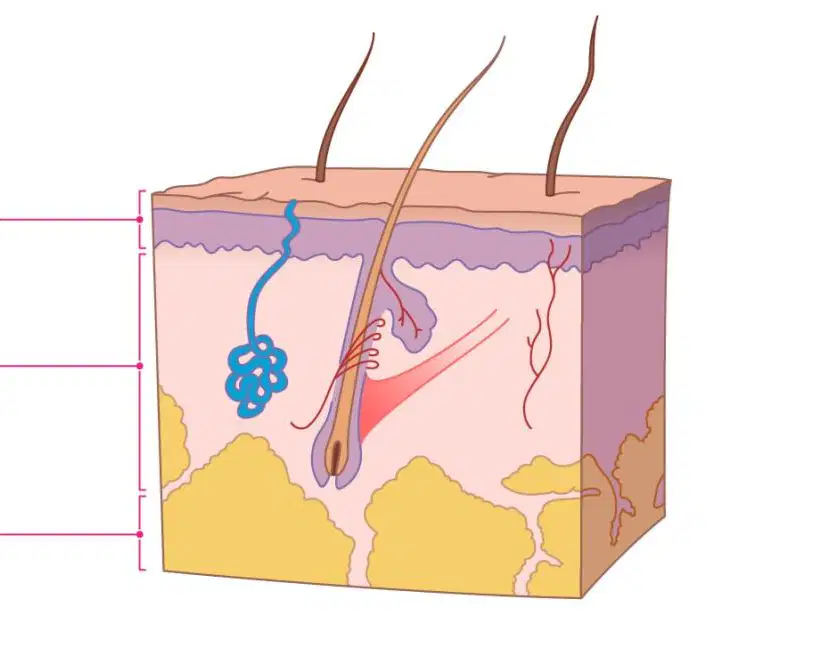
The second layer of the skin is called the
dermis
papillary
dermal
epidermis
Epidermis protects your body, it keeps _____ and ____ out of your body.
germs
water
detox
dirt
fat
What sense do we need skin for?
touch
taste
sight
hearing
smelling
Your skin has special structures called ______________ that make sweat and move it to the skin's surface.
sweat glands
sebaceous glands
nerves
hair follicle
Respiratory system


Circulatory system


How big is the heart?
Size of a golfball
Size of your fist
Size of your eyeball
Size of your head

How many atria are there?
1
7
2
4

How many ventricles are there?
1
2
10
0
What is your heart's purpose?
To pump blood throughout the body
To manage your emotions
to fall in love
to breathe
The Main tube that takes air to your lungs
bronchi
bronchioles
trachea
air sacs
What type of air to we breath "out"
carbon dioxide
oxygen
nitrogen

