
 Worksheets
EXAM UNIT 1 2 AND 3 2º ESO
Total questions: 10
Worksheet time: 3hrs 30mins
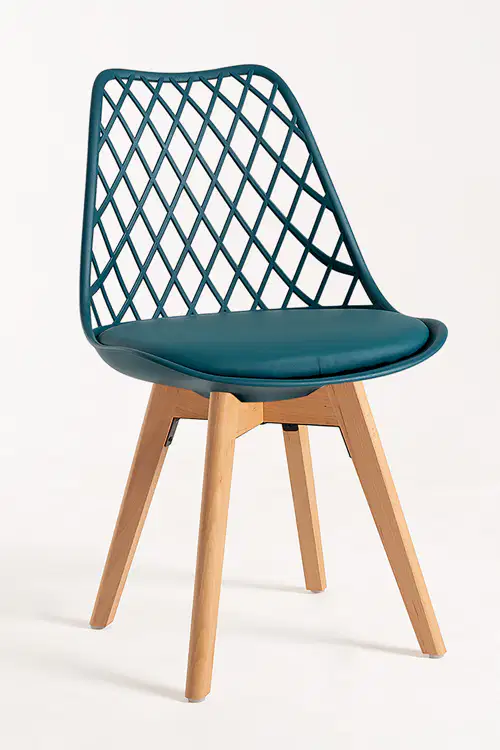
If you describe a chair focusing on the colours, structure, materials, design…
We are using:
Analytical observation
Functional observation
Exhortative observation

Look at this picture.
This picture REPRESENTS THE PRINCIPLE OF:
Law of similarity
Law of figure-ground perception
Law of proximity
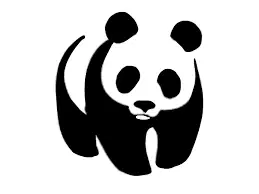
Look at this image.
This picture REPRESENTS THE PRINCIPLE OF:
Law of figure-ground perception
Law of proximity
Law of closure
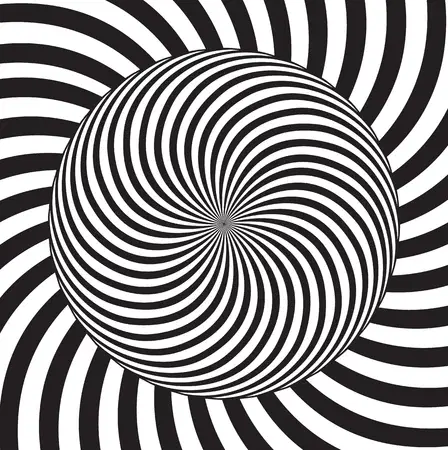
Talking about perceptual illusions:
We can CLASSIFY the optical illusions INTO:
Kinetic images, distorted figures and after images
Kinetic images, impossible objects and ambivalent figures
After images

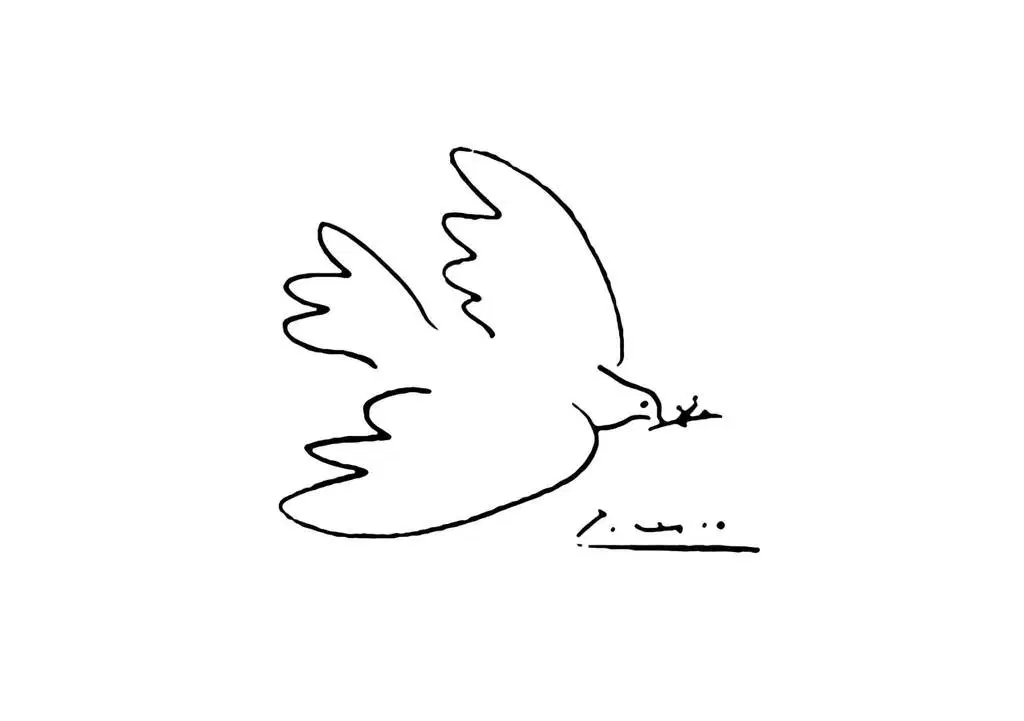
Look at this image.
What is the LEVEL OF ICONICITY?
Low level
Medium level
High level
In SYMBOLIC SINGS:
They use representations that are similar to reality.
They are icons in which the signifier and the signified coincide by analogy.
These signs synthesize information so that the recipient can easily understand and interpret the meaning.
The message gives a sign a conceptual meaning.
Realistic representation predominates, in which the elements express an idea, feeling or emotion.
These signs have a cause-effect relationship with reality.
Many of them are linked with a meaning by experience, such as a cloudy sky as a sign for stormy weather, or by common sense.

Which are the THREE STAGES TO READ AN IMAGE ?
Analysis, function, observation
Description, analysis and interpretation
Description, observation, explore
Talking about the intentionality of visual images READ THIS DEFINITION:
“ They try to persuade the receiver to consume a product, a service or an idea.
In propaganda, the image highlights the positive qualities of something and hides the bad ones.”.
This definition belongs to:
Exhortative images
Informative images
Aesthetic images
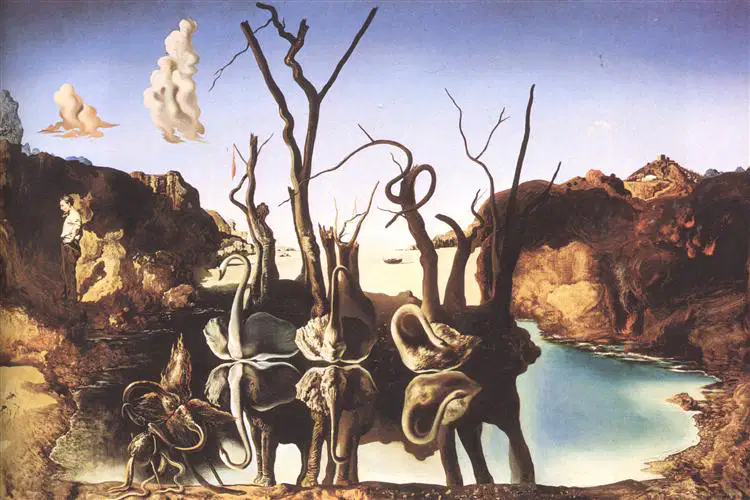
How can we CLASSIFY this IMAGE?
Impossible objects
Ambivalent figures
After images
Kinetic images
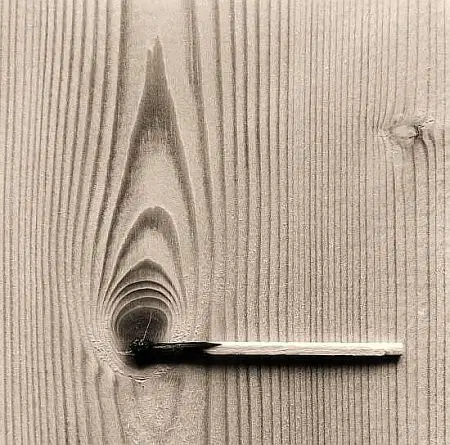
Look at this image.
Is it a MONOSEMY or POLYSEMY image?
Monosemy
Polysemy

