
NEW
Font size
 Worksheets
Quiz on Modern Materials
Total questions: 44
Worksheet time: 22mins
What are modern materials?
Materials discovered and used within the last century that do not react to their environment.
Materials that have been used for centuries and react to their environment.
Materials that are only used in traditional crafts and arts.
Materials that are exclusively used in electronic devices.
What is a key advantage of fiberglass compared to composites based on carbon fiber?
It is stronger and stiffer.
It is more brittle.
It is less expensive.
It is heavier.
Which of the following is NOT an application of fiberglass?
Aircraft
Bath tubs
Concrete bridges
Surfboards
What materials are used to coat fiberglass?
Epoxy resin, polyester resin, or vinylester
Carbon fiber, steel, or aluminum
Wood, plastic, or glass
Copper, zinc, or lead
What is a key characteristic of carbon fibre when combined with a plastic resin?
Low strength-to-weight ratio
High strength-to-weight ratio
High flexibility
Low rigidity
Which resin is most commonly used with carbon fibre?
Polystyrene
Polyethylene
Epoxy
Polypropylene
What determines the strength of a carbon fibre composite?
Color of the fibre
Length of the fibre
Angle of the weave and type of resin
Temperature of the environment
Which of the following is NOT typically made from carbon fibre?
High-end automobile components
Bicycle frames
Fishing rods
Wooden furniture

What is one of the main reasons Kevlar is used in various applications?
It is cheaper than steel.
It has a high tensile strength-to-weight ratio.
It is waterproof.
It is biodegradable.
How much stronger is Kevlar compared to steel by its tensile strength-to-weight ratio?
2 times stronger
3 times stronger
5 times stronger
10 times stronger
Which of the following is NOT an application of Kevlar mentioned in the text?
Bicycle tires
Racing sails
Body armor
Solar panels
What is a suitable use for Kevlar when it is used as a woven material?
Building construction
Mooring lines
Electrical wiring
Food packaging
What is metal clay primarily used for?
Building construction
Making jewelry, beads, and small sculptures
Cooking utensils
Textile manufacturing
What is the typical shrinkage range for metal clay after drying?
1% to 5%
8% to 30%
15% to 50%
25% to 40%
Which of the following metals is NOT mentioned as a component of metal clay?
Silver
Gold
Iron
Copper
In what year was metal clay first developed?
1980
1990
2000
2010
What is a metal foam?
A solid metal with no pores
A cellular structure with a large volume of gas-filled pores
A liquid metal with bubbles
A dense metal alloy
What percentage of a metal foam's volume typically consists of void spaces?
10-20%
30-50%
75-95%
100%
Which metal is frequently used to make metal foams?
Iron
Copper
Aluminium
Gold
What is one application of metal foams mentioned in the text?
Jewelry making
Tank armor plating
Cooking utensils
Musical instruments
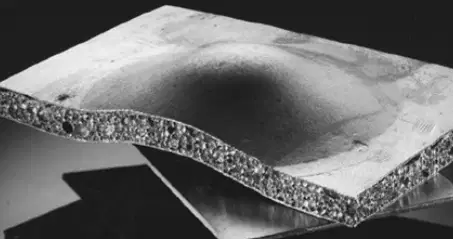
Diagram showing the use of metal foams in tank armor plating.
Metal foams are used for weight reduction.
Metal foams are used for thermal insulation.
Metal foams are used for soundproofing.
Metal foams are used for decorative purposes.
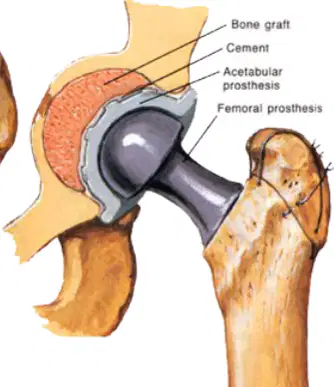
What are the two most useful properties of titanium?
High melting point and electrical conductivity
Corrosion resistance and high strength-to-density ratio
Magnetic properties and thermal insulation
Flexibility and low cost
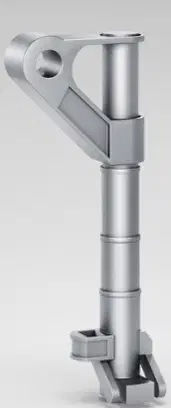
In its unalloyed condition, how does titanium compare to steel?
Titanium is stronger and denser than steel
Titanium is as strong as some steels but less dense
Titanium is weaker and more dense than steel
Titanium is more flexible and less dense than steel
Which of the following is NOT an application of titanium?
Medical prostheses
Orthopaedic implants
Electrical wiring
Sporting goods
What is plywood made from?
Solid wood blocks
Thin layers of wood veneer
Metal sheets
Plastic panels
Which type of plywood is known for being cheap and full of splinters?
Marine plywood
Birch plywood
Far Eastern plywood
Aero ply
What characteristic does marine plywood have?
Cheap and splintery
Excellent resistance to humidity and water
Very flexible
Pale and heavy
Which type of plywood is used in the De Havilland Mosquito?
Marine plywood
Birch plywood
Far Eastern plywood
Aero ply
What is a key characteristic of flexible plywood?
It is very rigid and cannot be bent.
It can be formed into various curved shapes.
It is only available in one thickness.
It is not suitable for furniture design.
What is flexible plywood composed of?
A single thick layer of wood.
Several layers of thin plies.
Metal sheets.
Plastic layers.
In which applications is flexible plywood ideal?
Applications requiring straight lines.
Applications requiring bends and curves.
Applications requiring metal reinforcement.
Applications requiring waterproofing.
Where is flexible plywood commonly used?
In roofing.
In modern furniture and interior design.
In outdoor decking.
In concrete construction.
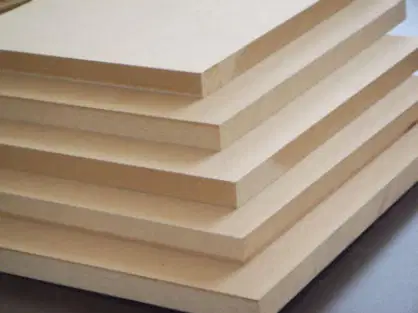
What is Medium Density Fibreboard (M.D.F.) primarily made from?
Super fine particles of timber bonded with formaldehyde
Large wood chips and glue
Metal shavings and resin
Plastic fibers and adhesive
What is a concern associated with M.D.F.?
It is too lightweight
It may cause health problems
It is not durable
It cannot be painted
What is a notable feature of M.D.F. in terms of finishing?
It cannot be painted
It takes painted finishes really well
It is difficult to shape
It is only available in natural wood color
What is 'flexible M.D.F.' used for?
Making straight lines
Making curves and circles
Reinforcing structures
Insulating buildings
What is Aeroply ideal for producing?
Rectangular shapes
Curves and irregular shapes
Flat surfaces
Transparent materials
What makes Maplex a sustainable building material?
It is made from plastic
It uses chemical binding agents
It is biodegradable and recyclable
It is waterproof
What is Hexaboard coated with?
A UV resistant black phenolic grp film
A water-resistant plastic layer
A metal coating
A rubberized surface
What type of glue can be used with Aeroply?
Super glue
Epoxy resin
Woodworkers resin / PVA
Hot glue
What are nanomaterials?
Large-scale materials used in construction
Tiny components used in various applications
Materials used only in electronics
Natural materials found in forests
Which of the following is a property of manufactured nanomaterials?
High density
Magnetic/optical performance
Low melting point
High flammability
What is one application of nanomaterials mentioned in the text?
Building bridges
Creating musical instruments
Developing water-repellent and anti-bacterial coatings
Producing food additives
What natural feature uses nanomaterial technology to stick to surfaces?
Butterfly wings
Gecko feet
Lotus leaves
Spider silk

