
Font size
 Worksheets
Principles of Design Quiz
Total questions: 40
Worksheet time: 26mins
Which principle of design focuses on creating a focal point or center of interest?
proportion
unity
balance
emphasis
Which principle of design creates a sense of motion or guides the viewer's eye through the artwork?
Movement
Contrast
Proportion
Balance
Which principle of design involves the repeating use of elements to create a sense of order and consistency?
contrast
repetition
balance
rhythm
Which principle of design uses differences in value, color, texture, or size to create visual interest?
Balance
Unity
Harmony
Contrast
Which principle of design creates a sense of movement or action in an artwork?
rhythm
unity
balance
proportion
Design principle that states things that are related should be nearer to each other, and things that are unrelated should be placed further from each other.
Emphasis
Proportion
Proximity
Hierarchy
Design principle that states the placement of visual elements in an invisible line that ensures the design stays in place and organized so they line up in a composition.
Unity
Balance
Hierarchy
Alignment
The type of text alignment when the text is aligned evenly along the left and right margins.
Justified
Right
Left
Center
Determines the appearance and orientation of the edges of the paragraph or words
Edge alignment
Text alignment
Hierarchy alignment
Symmetrical alignment
Which is not one of the main types of balance?
Radial Balance
Symmetrical Balance
Hierarchy Balance
Asymmetrical Balance
Select all of the options for text alignment.
Left
Right
Center
Justified
Design principle that states the intentional arrangement of information in a design to highlight the most important information.
Proportion
Balance
Unity
Hierarchy
Design principle referring to the regular repetition of elements to create a design
Pattern
White Space
Unity
Proportion
Design principle concerning the visual scale and weight of elements and how they relate to each other.
Rhythm
Proportion
Alignment
Contrasy
When elements harmonize creating a cohesive and aesthetically pleasing design
Proximity
Contrast
Unity
Emphasis
Negative space or empty space between elements and content in a design.
Emphasis
Pasteboard
Page margins
White Space
Type of balance where all elements radiate out from a center point in a circular fashion.
Asymmetrical
Radial
Symettrical
Formal
Type of balance that is not identical on both sides of a central line
Formal
Radial
Symmetrical
Asymmetrical
Type of balance where there is a mirror image balance where if you drew a line down the center of the page, all the visual elements on one side of the screen are mirrored on the other side.
Formal
Radial
Symmetrical
Asymmetrical

What type of Balance is this image an example of ?
Radial
Asymmetrical
Symmetrical

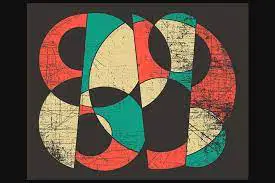
Which balance is this an example of?
Radial

Which design principle is best illustrated in this design?
Pattern
Alignment
Proximity
White Space


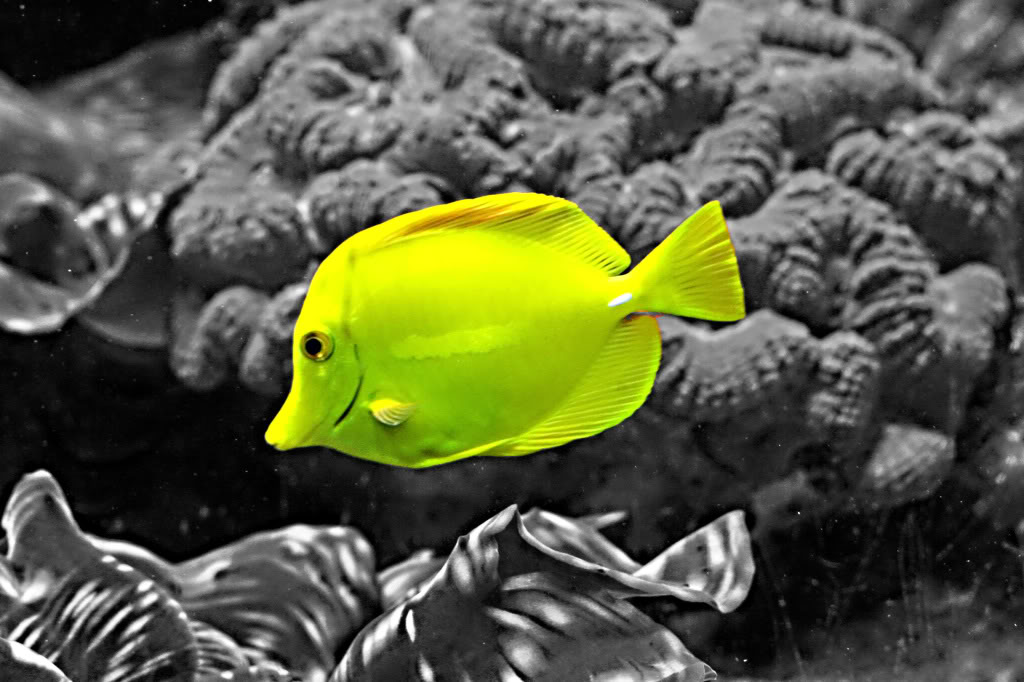


Which principle of design is this the best example of?


What are the principles of design?
Several colors in order to make a pattern more coherent.
The rules; help arrange the ingredients (elements) in a design.
None of the above
Elements of art that are just for digital art.
When all of the elements in a work look as though they belong together it is called
form
unity
contrast
emphasis
In what way is "rhythm" different from "movement?"
Rhythm is based on musical interpretation
Movement has a focal point while rhythm does not
Movement suggests that the piece itself is moving
Rhythm suggests that the piece itself is moving

This is an example of
Left aligned text
Edge alignment
Justified text
Three columns

