wayground logo

Free Printable Worksheets

Font size

S
M
L
XL
Worksheets

G6 Unit 1 review practice 1

Total questions: 64

Worksheet time: 2hrs 52mins
Name
Class
Date
1.
What is another name for the Neolithic Age?
a)
New Stone Age
b)
Old Stone Age
c)
Prehistoric Period
d)
The Ice Age
2.
What change marked the beginning of the Neolithic Revolution? 
a)
beginning of hunting and gathering
b)

people learned to write

c)

people began farming

d)

people built towns and cities

3.

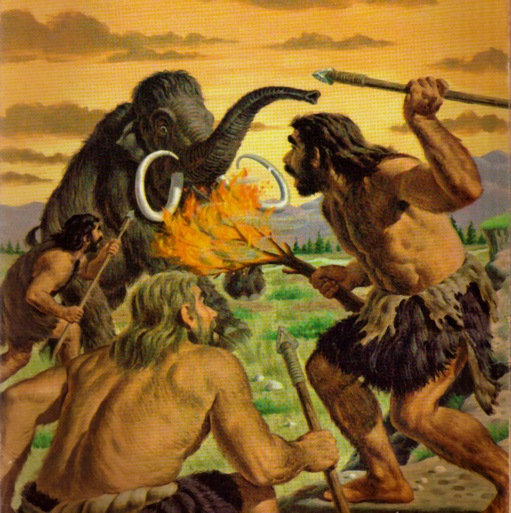
How did people get their food during the Paleolithic Age?
a)
Growing crops
b)
Hunting and Gathering
c)
Stealing from others
d)
Scavenging
4.
What was one benefit of having a permanent home?
a)
safety from wild animals
b)
less disease
c)
less children so fewer people
d)
more space to live
5.

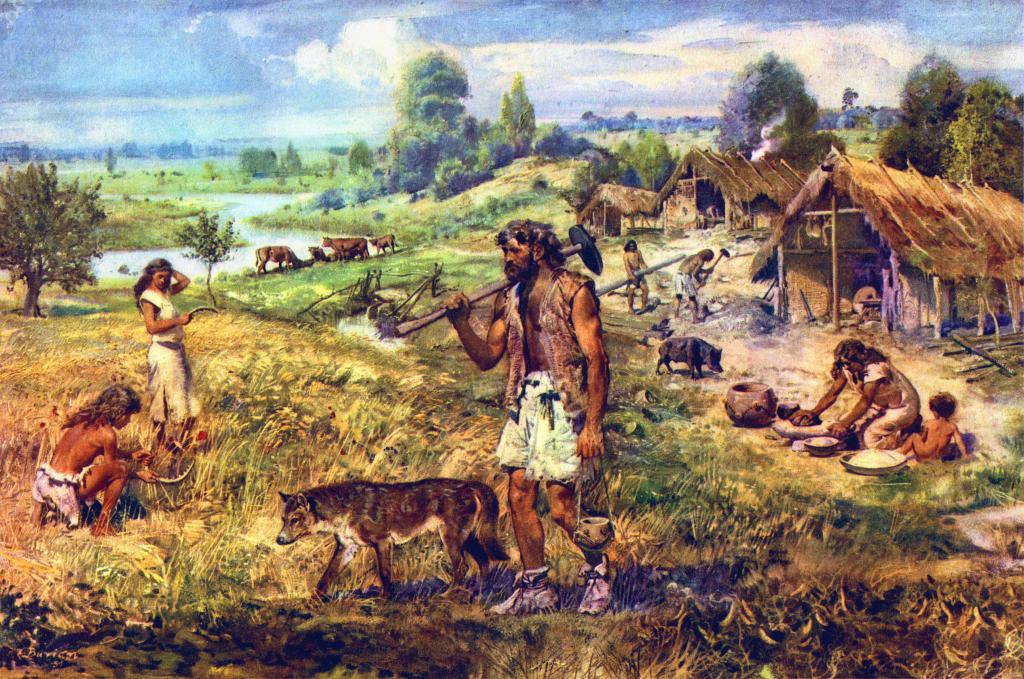
Which of the following happened when people began to farm?
a)
There were communities where people could do jobs other than farming jobs 
b)
They had more meat in their diet
c)
They were constantly attacked by wild animals
d)
They had to move from place to place following crops
6.
What is another word for farming?
a)
industry
b)
Paleolithic
c)
agriculture
d)
migration
7.

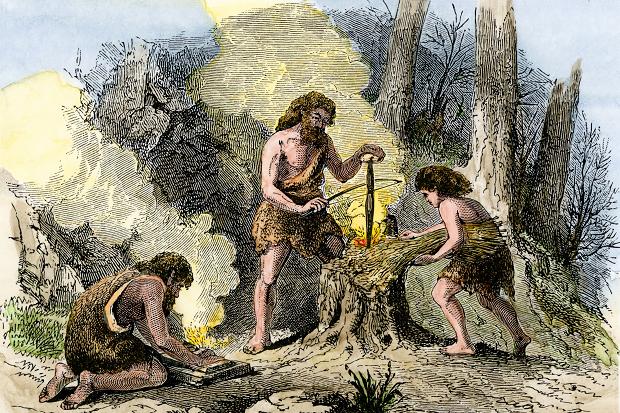
What did people use to build their first permanent shelters?
a)
wood and straw
b)
sun baked mud or clay
c)
aluminum siding
d)
animal skins
8.
How did the "Stone Age"get its name?
a)

people made his homes out of stone.

b)

people made tools and weapons out of stone.

c)

people carved sculptures out of stone.

d)

people worshiped statues made of stone.
9.
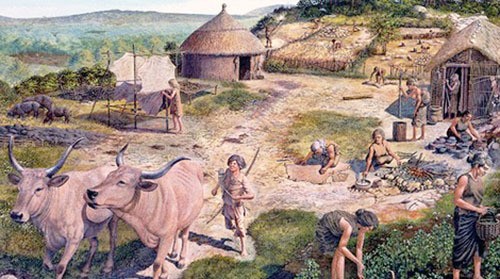
Which of the following is NOT a domesticated animal?
a)
cattle
b)
horses
c)
lions
d)
sheep
10.
Which of the following would NOT be a job someone might have in a Neolithic village?
a)
trader
b)
stone cutter
c)
potter
d)
car salesman
11.

When people lived in larger communities, they

a)
never got lonely
b)

stole food from their neighbors

c)
could divide the work
d)
had to hunt more often to feed so many people
12.
What is another name for the Old Stone Age?
a)
Paleolithic Age
b)
Neolithic Age
c)
Archeology Age
d)
Prehistory
13.
What did Neolithic man use obsidian (volcanic glass) for?
a)
make up
b)
knives
c)
plates and bowls
d)
windows
14.
What ended the Stone Age?
a)

People ran out of stone.

b)

People stopped using stone.

c)

People began using metal to make weapons and tools.

d)

People learned to write.

15.
What happened when people began to trade during the Neolithic Age?
a)

People invented the bicycle.

b)
Many new materials and ideas were spread from town to town. 
c)
Shopping centers were built.
d)

People used paper money for the first time.

16.
Before the _______________________ Revolution, people were  _______________________.
a)
Paleolithic, monsters
b)
Neolithic, nomads
c)

innovations, cultivation
d)
Neolithic, hunter-gatherers
17.
They lived the life of a  _______________________, constantly on the move in search of food, water, and  _______________________.
a)
hunter-gatherer, wigwam
b)
nomad, shelter
c)
nomad, settlement
d)
hunter-gather, shelter
18.
People at this time did not live in permanent  _______________________ because of their constant  _______________________, or movement.
a)
shelters, cultivation
b)
shelters, domestication
c)
settlements, migration
d)
innovations, cultivations
19.
During Neolithic times, people engaged in  _______________________ of the land and  _______________________ of animals and plants. Because people could now grown their own food, known as farming or  _______________________, they were able to establish permanent settles, develop many  _______________________, or improvements, to make their lives easier.
a)
innovations, shelters, cultivation, migration
b)
settlements, cultivation, innovations, shelter
c)
cultivation, migration, shelters, domestication
d)
cultivation, demestication, agriculture, innovations
20.
study prehistoric and historic people and their cultures by studying artifacts
a)
Archaeologist
b)
Paleontologist
c)
Geographer
d)
Anthropologist
21.
study fossils
a)
Archaeologist
b)
Paleontologist
c)
Geographer
d)
Anthropologist
22.
study humans from beginnings to present
a)
Archaeologist
b)
Paleontologist
c)
Geographer
d)
Anthropologist
23.
study how places change and how people interacted with their environment
a)
Archaeologist
b)
Paleontologist
c)
Geographer
d)
Anthropologist
24.
Advantages people had after they discovered fire were:
a)
Hunt later at night
b)
Temper better tools
c)
Cook
d)
All the above
25.
Which is NOT a Stone Age innovation?
a)
Needle
b)
Wheel 
c)
Chisel
d)
Tractor
26.
Early human settlements settled along major rivers.
a)
True
b)
False
27.
Resources are items that are essential to life (food, water, shelter).
a)
False 
b)
True
28.
An abundance is when there is not enough resources to go around.
a)
True
b)
False
29.
The main reason early modern humans began to have permanent homes, because they didn’t like moving from place to place as nomads.
a)
True
b)
False
30.
What happens to the population when a hunter gatherer community is healthy (there are enough resources for everyone) ?
a)
Increase
b)
Decrease
31.
What happens to the population when a hunter gatherer community runs out of resources?
a)
Increase
b)
Decrease
32.
1.  What were the primary occupations of people during the Paleolithic Era?
a)
a.  Hunters & Gathers
b)
a.  Toolmakers
c)
a.  Farmers
33.
1.  What did the Neolithic Revolution bring about?
a)
a.  Storms
b)
a.  Drought
c)
a.  Agriculture
34.
One Way that farming changed the way people lived was____________________.
a)
They no longer were nomads
b)
Life expectancy was shorter
c)
They had to move around to new farms
35.
During the Neolithic Revolution
a)
People learned to grow food
b)
People migrated to find food
c)
People were nomadic
36.
Nomadic means to
a)
Sleep in tents
b)
Move around frequently
c)
Stay in one place
37.

SEDENTARY life is...

a)

settled life- as in farms & civilizations

b)

nomadic life- as in migration from place to place

c)

pastoral life- as in herders or cowboys

38.

Specialization of labor is...

a)

People have different jobs

b)

Everyone farms so there is enough food

c)

Migration

39.
People in the Paleolithic Era were nomads because
a)
they did not know how to build sturdy houses.
b)
they were easily bored and wanted to see the world.
c)
they followed the herds of animals in order to get food to survive
d)
None of these
40.

What does Paleolithic mean?

a)

Old Stone Age

b)

New Stone Age

41.

True or False: The Paleolithic people were hunters and gatherers.

a)

True

b)

False

42.

What types of tools did the Paleolithic people use?

a)

Stone tools

b)

Animal bones

c)

Fire

d)

All of the above

43.

What is Pastoralism?

a)

People who travel with their animals bringing them from water sources to pastures to feed.

b)

People who live on a farm with a large pasture for animals.

c)

People travel from farm to farm in order to find work.

44.

True or False: Pastoralists bought the tools they needed.

a)

True

b)

False

45.

An economic system based on herding flocks of goats, sheeps, cattle, or other animals.

a)

horticulture

b)

pastoralism

c)

metallurgy

d)

socialism

46.
The subsistence pattern that has a focus on herding is:
a)
Foraging.
b)
Horticulture.
c)
Agriculture.
d)
Pastoralism.
47.
Pastoralism is best defined as
a)
domestication of animals
b)
a religion led by a pastor
c)
sedentary agriculture
d)
nomadic hunting
48.

What does it mean to "herd" animals?

a)

to hurt them

b)

to keep or look after, to keep them in a group

c)

to eat them

d)

to use their fur for clothing

49.

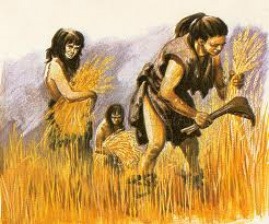
What does this picture show?

a)

Agriculture

b)

Pastoralism

c)

Herding

d)

All of the above

50.

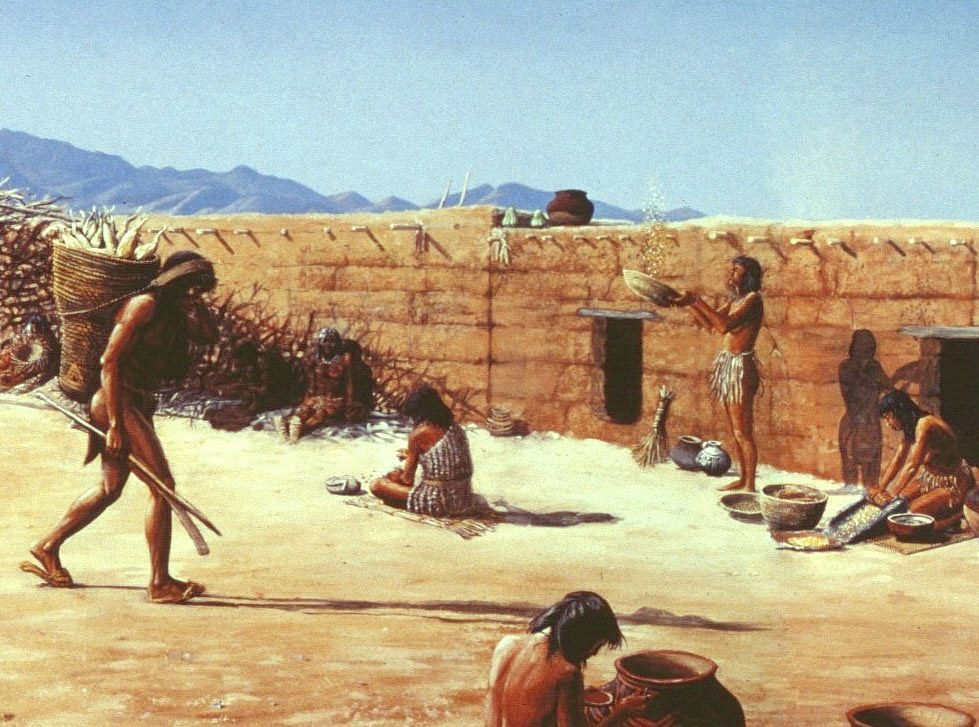
What does this picture show?

a)

Agriculture

b)

Pastoralism

c)

Farming

d)

None of the above

51.

What do cave paintings provide insights into?

a)

Modern art techniques

b)

Ancient civilizations

c)

Geological formations

d)

understand the values and experiences of Paleolithic people.

52.

What term describes Paleolithic person?

a)
Farmer
b)
Hunter-gatherer
c)
Renaissance Man
d)
New Stone Age Man
53.

What is the name of the continent by number 1?

a)
North America
b)
South America
c)
United States
d)
Europe 
54.

What is the name of the continent by number 2?

a)
North America
b)
South America
c)
United States
d)
Europe 
55.

What is the name of the continent by number 3?

a)
North America
b)
Antarctica 
c)
South Pole 
d)
Europe 
56.

What is the name of the continent by number 4?

a)
North America
b)
Europe
c)
South Pole 
d)
Africa
57.

What is the name of the continent by number 5?

a)
Australia  
b)
Africa
c)
Asia
d)
Europe 
58.

What is the name of the continent by number 6?

a)
Australia  
b)
Africa
c)
Asia
d)
Europe 
59.

What is the name of the continent by number 7?

a)
Australia  
b)
Africa
c)
Asia
d)
Europe 
60.

What is the name of the ocean by number 8?

a)
Atlantic Ocean 
b)
Indian Ocean
c)
Pacific Ocean
d)
Arctic Ocean 
61.

What is the name of the ocean by number 9?

a)
Atlantic Ocean 
b)
Indian Ocean
c)
Pacific Ocean 
d)
Arctic  Ocean
62.

What is the name of the ocean by number 10?

a)
Atlantic Ocean 
b)
Indian Ocean
c)
Pacific Ocean 
d)
Arctic  Ocean
63.

What is the name of the ocean by number 11?

a)
Atlantic Ocean 
b)
Northern Ocean
c)
Pacific Ocean 
d)
Arctic  Ocean
64.

What is the name of the ocean by number 12?

a)
Atlantic Ocean 
b)
Indian Ocean
c)
Pacific Ocean 
d)
Southern  Ocean