
 Worksheets
ILT Week 3
Total questions: 20
Worksheet time: 12mins
Name
Class
Date
1.
Which subatomic particle has a negative (-) charge?
a)
Proton
b)
Electron
c)
Neutron
2.

The subatomic particles in green are...
a)
Protons
b)
Neutrons
c)
Electrons
3.

How many electrons does this picture show?
a)
4
b)
5
c)
6
d)
3
4.
An atom has 10 protons, 15 neutrons and 10 electrons what is its mass number.
a)
20
b)
10
c)
5
d)
25
5.
The particles of the atom you can find by knowing the atomic number.
a)
neutrons
b)
protons and electrons
c)
protons and neutrons
d)
atomic mass
6.

What is an isotope?
a)
A charged atom
b)
An atom with different amounts of neutrons
c)
An atom with different amounts of protons
d)
A neutral atom
7.
Who created the "plum pudding" model of the atom?
a)
Democritus
b)
Rutherford
c)
Dalton
d)
Thomson
8.
Which scientist conducted experiments using alpha particles and thin gold foil, which later helped him develop his model for the atom?
a)
Ernest Rutherford
b)
Kneels Bore
c)
Niels Bohr
d)
Earnest Rutherfraud
9.
When Lithium forms an ion, what charge does it have?
a)
1+
b)
2+
c)
3+
d)
0
10.

Believed that electrons traveled around the nucleus in definite paths.
a)
Niels Bohr
b)
John Dalton
c)
Modern Atomic Theory
d)
Ernest Rutherford
11.
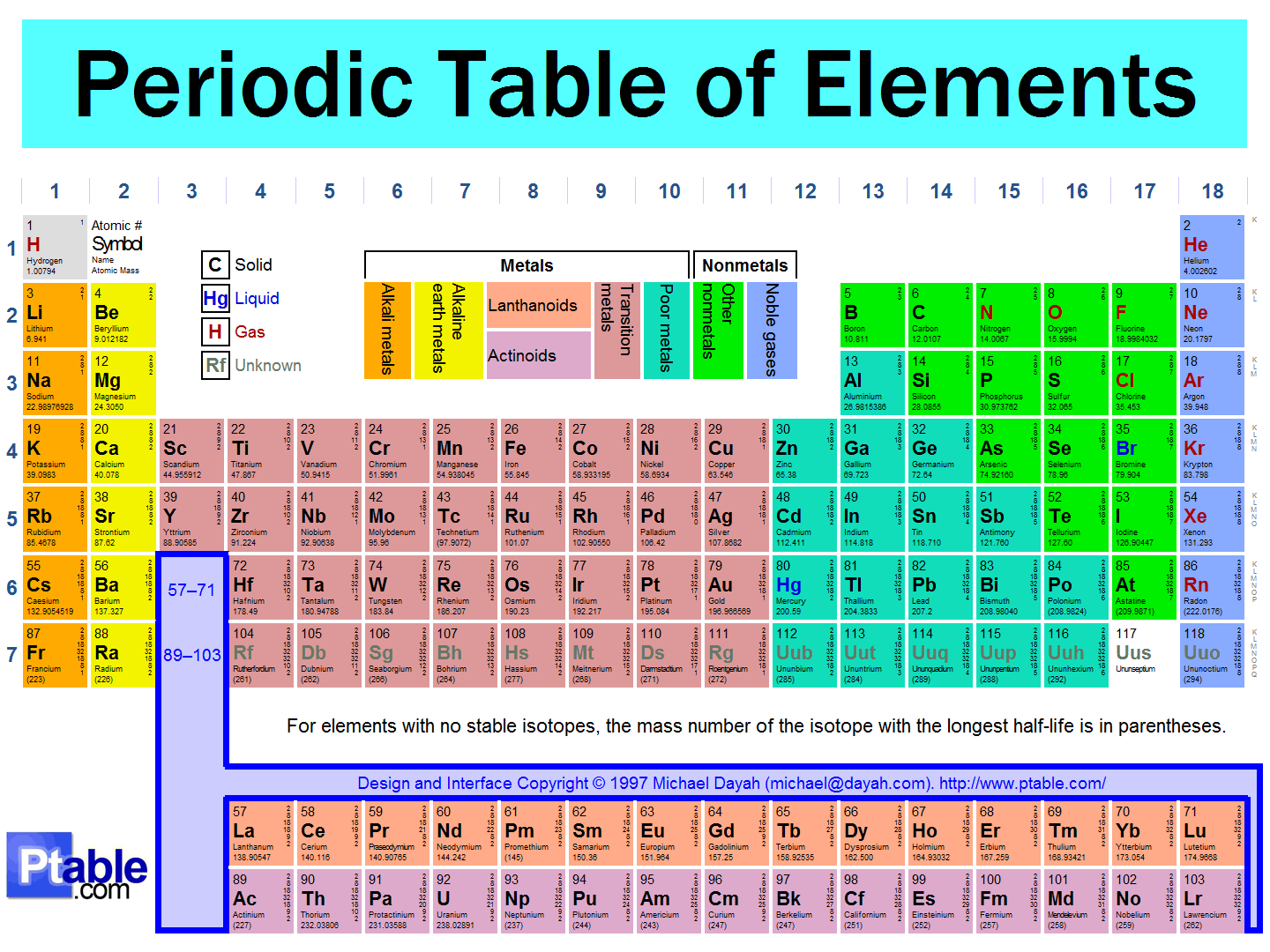
The horizontal row on the periodic table is called a
a)
group
b)
family
c)
period
d)
atomic number
12.

What best describes this diagram?
a)
Molecules of an element
b)
Atoms of an element
c)
Molecules of a compound
d)
Ions of an element
13.
Which of the following is a property of a mixture?
a)
Can be separated easily
b)
Have definite melting points
c)
Cannot be separated easily
d)
Have a fixed composition
14.
Which separation technique would best separate salt from salt water solution
a)
crystallisation
b)
filtration
c)
distillation
d)
chromatography
15.
Which technique would be best to separate crude oil (a mixture of many liquids)
a)
Fractional distillation
b)
simple distillation
c)
filtration
d)
crystallisation
16.
Which separation technique would best separate sand from water
a)
filtration
b)
evaporation
c)
distillation
d)
chromatography
17.

Which separation technique is shown in the picture?
a)
Fractional distillation
b)
Simple distillation
c)
Filtration
d)
Crystallisation
18.
Which scientist discovered the nucleus?
a)
Thompson
b)
Rutherford
c)
Bohr
d)
Chadwick (Chadders to his mates)
19.
How many electrons are in the second shell of a carbon atom?
a)
4
b)
2
c)
6
d)
12
20.

Which property would this giant ionic compound have?
a)
Conducts electricity
b)
Low boiling point
c)
High melting point
d)
Is a gas
100 %

