
 Worksheets
Test Positioning RTPSU8 FUN
Total questions: 20
Worksheet time: 10mins
การเคลื่อนไหวของร่างกาย ในข้อใดต่อไปนี้กล่าวถูกต้อง
Eversion คือการบิดข้อเท้าเพื่อหมุนเท้าเข้าแกนกลางของร่างกาย
Dorsiflexion คือการเหยียดเท้าออกจากกระดูกขา
Supination คือการบิดข้อมือไปด้านกระดูก radius
Plantarflexion คือการกระดกปลายเท้าขึ้น
Pronation คือการหมุนกระดูกปลายแขนเพื่อคว่ำฝ่ามือลง
การถ่ายภาพ Towne เอียงหลอดเอกซเรย์อย่างไร
30 องศา Cephalad
30 องศา Caudad
12 องศา Cephalad
12 องศา Caudad
45 องศา Cephalad
ข้อใดเป็นท่าทั่วไปที่ใช้ในการดู paranasal sinus
Caldwell and Water open mouth
Caldwell and Towne
Towne and Water open mouth
Caldwell and Submentovertex
Submentovertex and Lateral
OML ทำมุม 45 องศากับแนวระนาบ จุดกึ่งกลางแสงลงที่ Acanthion เป็นการถ่ายกะโหลกศีรษะในท่าใด
Lateral
Caldwell
Water
PA
Towne
การถ่ายเอกซเรย์ AP Shoulder เพื่อให้เห็น Greater tubercle of humerus ชัดเจน ควรจัดแขนให้อยู่ในลักษณะใด
Abduction
Internal rotation
External rotation
Neutral rotation
Adduction
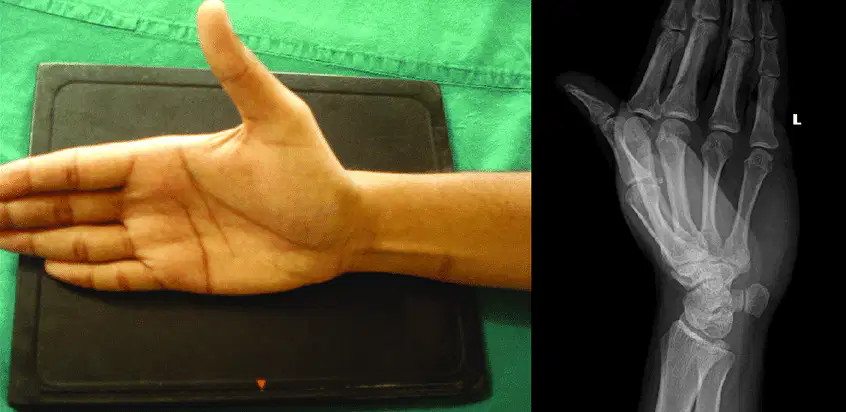
ท่าใดเห็นกระดูก pisiform แยกออกจากกระดูกชิ้นอื่นได้ดีที่สุด
PA
AP
PA oblique
AP oblique
PA ulna deviation
ในการถ่ายภาพ Y-view scapula จุดกึ่งกลางแสงลงที่กึ่งกลางส่วนใด
Medial border
Lateral border
Infraspinous fossa
Supraspinous fossa
Scapular spine
การถ่ายภาพรังสีในท่า Transaxilla มีประโยชน์สำหรับดูส่วนใด
Elbow ในท่าด้านข้าง
Scapula ท่าเฉียง
Clavicle ในท่าเฉียง
Upper humerus ในท่าด้านข้าง
Shoulder ในท่าด้านข้าง
ข้อใดเป็นท่าเอกซเรย์ประจำของส่วน Calcaneus
AP, Lateral
AP axial, Lateral
AP, AP axial
AP axial, weight bearing
AP, weight bearing

Longitudinal arch ของ foot เห็นได้ชัดจาก projection ใด
Oblique
Lateromedial
Mediolateral
Lateral weight-bearing
Anteroposterior
ข้อใดเป็นการถ่ายภาพข้อเท้าเพื่อแสดง mortise joint
AP ankle with no rotation
AP oblique ankle with 15-20 degree medial rotation
AP oblique ankle with 15-20 degree lateral rotation
AP oblique ankle with 45 degree medial rotation
AP oblique ankle with 45 degree lateral rotation
การถ่ายภาพรังสีกระดูกสะโพกในท่า Judet view ใช้ท่าไหน และเพื่อดูโครงสร้างใด
RPO, LAO / hip joint
RPO, LAO / acetabulum
RPO, LPO / hip joint
RPO, LPO / acetabulum
AP, Lateral / pelvis
"คอ" ของ scotty dog ในภาพรังสีท่า Oblique 45º บริเวณกระดูกสันหลังส่วนเอว คือส่วนใด
Pedicle
Pars interarticularis
Superior articular process
Spinous process
Body
ในการถ่ายภาพรังสีกระดูกอุ้งเชิงกรานท่า AP axial inlet projection จุดกึ่งกลางแสงอยู่ตรงตำแหน่งใด และ เอียงลำรังสีอย่างไร
กึ่งกลางระหว่าง ASIS ทั้งสองข้าง โดยเอียงลำรังสีไปทางเท้า 20 องศา(caudad)
กึ่งกลางระหว่าง ASIS ทั้งสองข้าง โดยเอียงลำรังสีไปทางเท้า 40 องศา(caudad)
กึ่งกลาง pelvic symphysis โดยเอียงลำรังสีไปทางเท้า 20 องศา(caudad)
กึ่งกลาง pelvic symphysis โดยเอียงลำรังสีไปทางเท้า 40 องศา(caudad)
กึ่งกลางกระดูกสันหลังข้อที่ 3 โดยเอียงลำรังสีไปทางเท้า 20 องศา(caudad)
ข้อใด ไม่ใช่ เกณฑ์ในการพิจารณาภาพเอกซเรย์ปอดท่า PA ที่ดี
ส่วนของ scapula ควรจะเคลื่อนออกจาก lung fields
กึ่งกลางลำรังสีควรอยู่ที่ระดับ T7
เห็น posterior ribs 7 คู่
เห็นครอบคลุมส่วนของ apex, costophrenic angles และ lateral margins ของ ribs
ควรจะเห็นส่วนของปอดประมาณ 2 นิ้วอยู่เหนือ clavicles
Acute Abdomen Series ประกอบด้วยการถ่ายเอกซ-ray ท่าใด
Abdomen Supine และ Abdomen Upright
Abdomen Decubitus และ Abdomen Upright
Abdomen Supine, Abdomen Upright และ Abdomen Decubitus
Abdomen Supine, Abdomen Upright และ Chest PA
Abdomen Supine, Abdomen Upright, Chest PA และ Abdomen Decubitus
Swimming's lateral position เป็นการจัดท่าเพื่อดูส่วนใด
Atlanto-Occipital articulations
Cervicothoracic region
Lumbosacral joint
Sternoclavicular joints
Zygapophyseal joints
ข้อใดเป็นแนวลำแสงในการถ่ายภาพรังสีกระดูก sacrum ลงเหนือหัวเหน่า (PS) 5 ซม.
35 องศากับแนวดิ่งไปทางศีรษะ(cephalad)
35 องศากับแนวดิ่งไปทางเท้า(caudad)
10 องศากับแนวดิ่งไปทางศีรษะ(cephalad)
10 องศากับแนวดิ่งไปทางเท้า(caudad)
15 องศากับแนวดิ่งไปทางศีรษะ(cephalad)
ในท่า Anteroposterior ของ coccyx ลำรังสีเอียงอย่างไร
10° Caudad
15° Cephalad
15° Caudad
30° medially
45° Cephalad
Cleves หรือ Frog leg position เป็นท่าที่ใช้สำหรับการถ่ายภาพทางรังสีเพื่อดูสิ่งใด
1. Humerus
2. Knee
3. Femoral necks
4. Patella
5. Ankle

