
 Worksheets
Competition and Interactions in Ecosystems
Total questions: 63
Worksheet time: 55mins

Identify which image below is showing a population:


What term describes organisms striving for the same limited resources?
Competition
Predation
Mutualism
Commensalism


These are organisms that feeds on plants or other animals for energy.
Producer
Consumer

This can make its own food, like plants.
Herbivore
Abiotic
Omnivore
Producer

A consumer that eats only plants.
Carnivore
Omnivore
Herbivore

Animal that feeds only on the flesh of other animals.
Herbivore
Omnivore
Carnivore

A consumer whose normal diet includes both plants and animals.
Carnivore
Omnivore
Herbivore
Plant
Another word for a living thing is a:
animal
organism
plant
community

Herbivores eat
Everything
only plants.
only meat

Plants are...
producers
herbivores
omnivores


The graph here shows the populations, over several years, for two animals that share a habitat. Foxes are mammals that hunt for food, and grouse are birds, a common prey animal of foxes.
According to the data, in which year did the population of foxes show a decrease that is most likely the result of a decrease in the availability of a source of food?
2003
2005
2008
2012

Non-Living things that affect the ecosystem
biotic
abiotic
dead
zombies

Living things that affect the ecosystem.
rocks
pokemon
abiotic
biotic

Competition in an ecosystem occurs when
animals get bored.
more than one individual or population in an ecosystem relies (needs) the same limited resource.
there is more than enough of a resources for every living organism.
resources are unlimited.

When an organism depends on a factor for survival, this is called a ______________________ interaction.
independent
questionable
dependent
expendable

A system made up of all the biotic and abiotic factors in an area and all the interactions among them.
Ecosystem
Niche
Adaptation
Nutrasystem

A group of individuals from the same species living and interacting together in the same ecosystem is called a
organism.
troup.
zebra festival.
population.

A self-contained living thing. Examples include bacteria, douglas fir tree, wolf, turkey, madrone, salmon.
ecosystem
organism
cell
abiotic
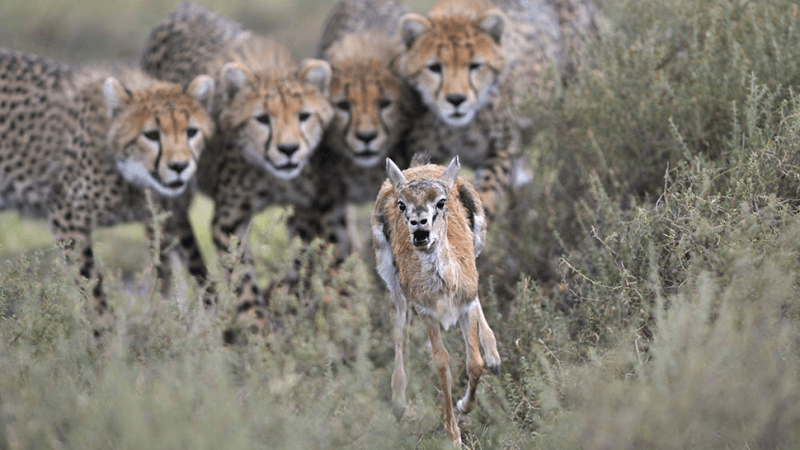
Hawks and owls eat the same type of food and struggle with one another to get their food. What is this an example of?
Competition
Biotic factor
Symbiosis
Population
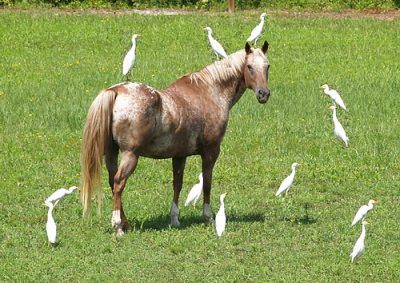
Competition becomes more important as the number of individuals ______ or the availability of resources _________.
increases, decreases
increases, increases
decreases, increases
decreases, decreases

The graph to the right shows the interaction of the wolf and moose populations on Isle Pekie. If the moose population continues to increase, the wolves' food supply will increase. What will most likely happen to the wolf population as a result?
It will decrease.
It will increase.
It will remain the same.

What is a group of interacting individuals of the same species located in the same area?
ecosystem
abiotic factor
biotic factor
population

What is a source or supply that benefits organisms?
resource
limited resource
organism
secondary consumer

What is an animal that eats primary consumers?
abiotic factor
dependent Interaction
Secondary consumers
primary consumers

What do you call an organism that gets its energy by feeding on producers in the food chain?
secondary consumer
primary consumer
limited resource
biotic factor

What is a living thing that affects the ecosystem?
abiotic factor
resource
dependent interaction
biotic factor

_____________ is when more than one individual or population in an ecosystem relies on the same limited resources.
ecosystem
population
competition
organism

An _____________ is a system comprising all the biotic and abiotic factors in an area and all the interactions among them.
ecosystem
population
primary consumer
competition

What is a nonliving thing that affects the ecosystem?
resource
biotic factor
ecosystem
abiotic factor

When an organism depends on a factor for survival this is considered a _____________
limited resource
secondary consumer
organism
dependent interaction

Which of these is NOT a limited resource organisms compete for in a community?
Wind
Food/Water
Mates
Sunlight

When the insect population increases, the toad population:
increases
decreases
stays the same
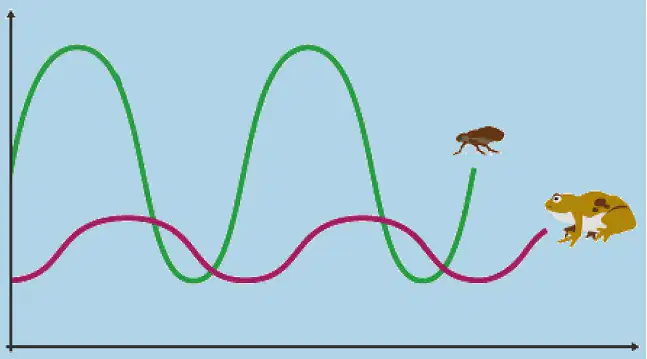
The toad increases when the insects increase because...
the toad rely on the insects for food
the insects rely on the toad for food
the toad don't affect the insects
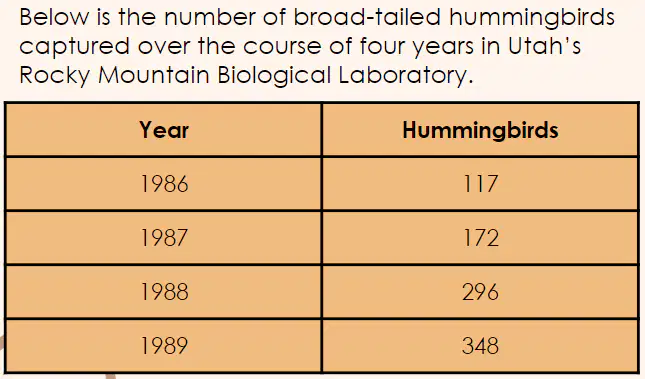
Hummingbirds eat nectar producing flowers. From 1986 to 1989, it’s likely that the amount of these flowers in hummingbird habitats ____________________.
increased
decreased
stayed the same
What role do decomposers play in an ecosystem?
They produce their own food through photosynthesis
They consume living plants and animals
They break down dead material and recycle nutrients back into the ecosystem
They regulate the population of other species
In an ecosystem, primary consumers are also known as:
Herbivores
Carnivores
Omnivores
Decomposers
Explain how energy flows through an ecosystem, starting from the sun and ending with decomposers.
Energy is captured by producers, transferred to consumers, and finally to decomposers.
Energy is captured by decomposers, transferred to consumers, and finally to producers.
Energy is captured by consumers, transferred to producers, and finally to decomposers.
Energy is captured by decomposers, transferred to producers, and finally to consumers.
How is commensalism different from mutualism?
In commensalism, one species benefits while the other is unharmed; in mutualism, both species benefit
In commensalism, one species is harmed while the other benefits; in mutualism, both species benefit
In commensalism, neither species is harmed; in mutualism, one species is harmed
In commensalism, both species benefit; in mutualism, one species is harmed


Match these terms
both organisms benefit
one organism harms the other
one benefits; the other doesn't care
Tapeworms live in the small intestines where it feeds and grows, robbing the human of essential nutrients.
Parasitism'
Predation
Competition
Mutualism'

The Remora fish swim alongside the shark and take scraps of food that the shark drops during feeding. The shark does not eat the Remora and appears unaffected by its presence.
Parasitism
Predation
Competition
commensalism
What is an invasive species?
A native (naturally found) species which are added to an area
A non-native (not naturally found) species added to an area
A keystone species in an environment
none of the above
What is something that is common to most invasive species?
they don't have many predators in their new area
they don't live long
they can't have babies in the new area
they can't eat anything in the new area

In the energy pyramid here, which organisms have the most energy available?
Producers
primary consumer
secondary consumer
tertiary consumer

The consumers that are the top carnivores that eat other carnivores
Tertiary
Secondary
Primary

What kind of organisms are usually primary consumers?
plants
herbivores
carnivores

The mouse in this diagram represents a

