
 Worksheets
3rd quarter review
Total questions: 60
Worksheet time: 1hrs 29mins
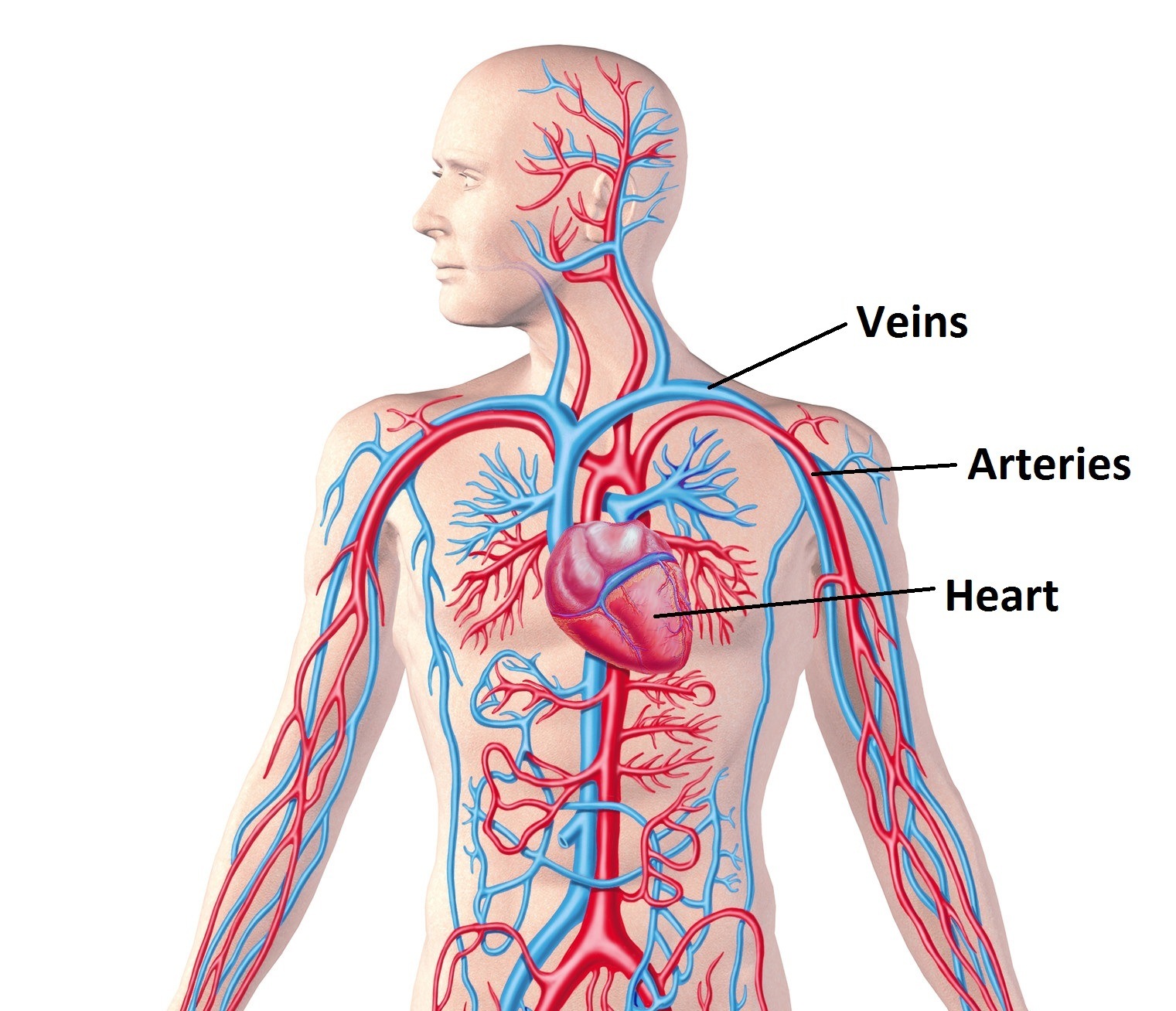
Which system allows blood to circulate throughout the body to transport oxygen and nutrients to all the cells and tissues?
Nervous
Respiratory
Circulatory
Which of the following DOES NOT BELONG in the circulatory system?
Heart
Blood
Nerves
Blood Vessels
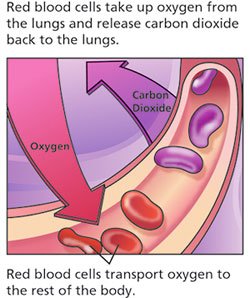
These cells, in the blood, carry oxygen and give the blood its color.
white blood cells
plasma
platelets
red blood cells
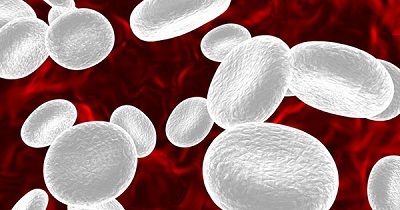
The cells in the blood that help fight germs like bacteria and viruses
red blood cells
platelets
white blood cells
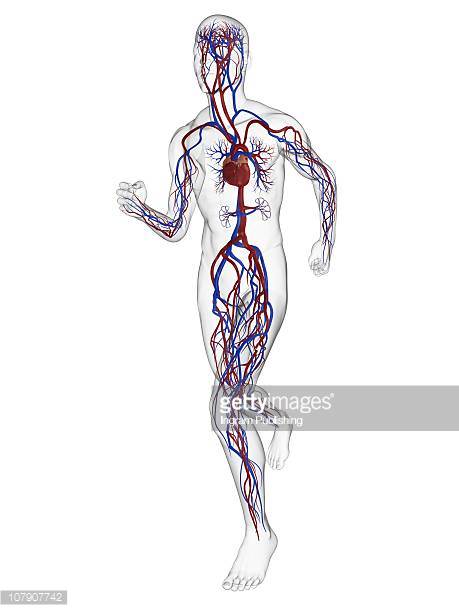
What is the main organ of the circulatory system?
small intestine
bone
lungs
heart
The job of the heart is to . . .
pump blood around the body.
send food to the small intestines.
break down food.
give energy to the body.
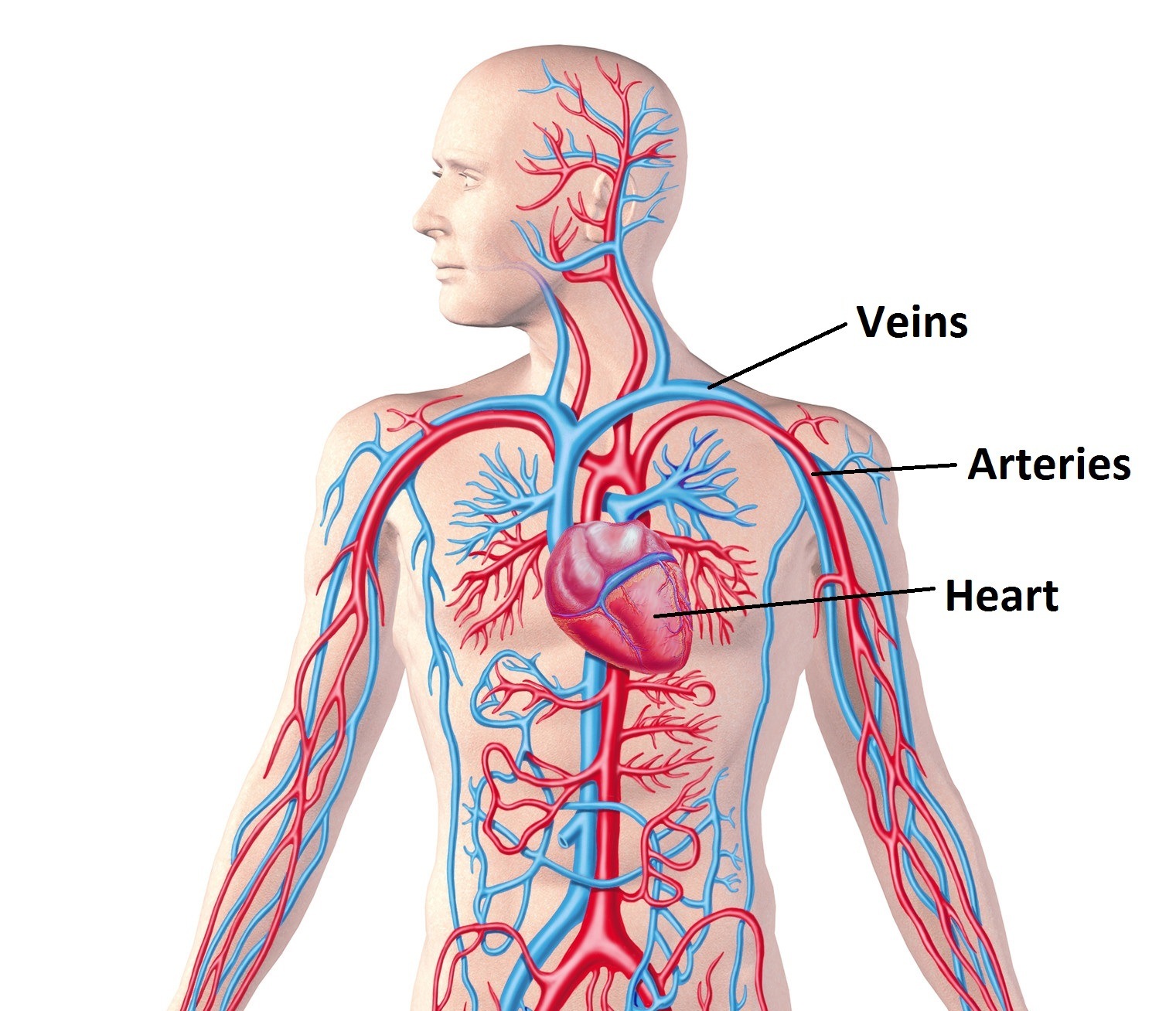
The circulatory system works with the ___________ system to provide our body with oxygen.
respiratory
digestive
muscular

Choose the 3 TRUE statements about the circulatory system
The circulatory system and the respiratory system work together to deliver oxygen to all of the cells and tissues in the body.
The circulatory system and the respiratory system work together to remove CO2 and other waste products from cells and tissues in the body.
The circulatory system, respiratory system, and excretory system all work together to remove waste products from the body.
The circulatory system is a special system that does not work with other systems of the body.

Deoxygenated blood enters the ______ atrium.
Right
Left

What chamber of the heart pumps deoxygenated blood to the lungs?
right atrium
right ventricle
left atrium
left ventricle

Oxygenated blood is carried from the lungs to the ______.
right atrium
right ventricle
left atrium
left ventricle

Oxygenated blood is carried from the lungs to the left atrium by the ____.
pulmonary veins
pulmonary arteries
aorta
vena cava

Oxygenated blood will be pumped from the left ventricle through the ______ to be delivered to the body.
pulmonary veins
pulmonary arteries
aorta
vena cava
Pulmonary circulation describes the flow of blood from the heart to the _____.
lungs
body

The part of the heart that contains only oxygen-rich blood is. . . .
1 and 2
1 and 3
2 and 4
2 and 3
Blood that has circulated from the body's tissues will enter the heart chambers first in the ...
Right atrium
Right ventricle
Left ventricle
Left atrium
What is the correct path through the circulatory system which describes the passage of blood originating in the left leg?
Vena cava-> right atrium-> right ventricle-> lungs-> left atrium-> left ventricle-> aorta
Vena cava-> left atrium-> left ventricle-> lungs-> right atrium-> right ventricle-> aorta
Vena cava-> right atrium-> left atrium-> lungs-> right ventricle-> left ventricle-> aorta
Vena cava-> left atrium-> right atrium -> lungs-> left ventricle-> right ventricle-> aorta

Is soil a biotic or abiotic factor?
biotic
abiotic

Are rocks biotic or abiotic factors?
biotic
abiotic

Is temperature a biotic or abiotic factor?
biotic
abiotic

Are producers biotic or abiotic factors?
biotic
abiotic
Abiotic factors are ___________.
non-living parts of an ecosystem
living parts of an ecosystem
things that once were alive, but now are dead
not important parts of ecosystems.
Biotic factors are ___________.
non-living parts of an ecosystem
living parts of an ecosystem
things that once were alive, but now are dead
not important parts of ecosystems.
An ecosystem is made up of __________.
living things only
non-living things only
both living and non-living things

Termites are tiny insects that can cause severe damage to homes and other structures that consist of wood. Termites are an example of what type of factor.
Biotic
Abiotic
Which of the following shows an abiotic factor interacting with a biotic factor in the environment?
Lamprey eels survive by attaching themselves to trout.
Water temperature affects its oxygen level.
Low light intensity affects the growth of forest pine trees.
Gypsy moth caterpillars eat the leaves of apple tree.
Which of the following is an abioitic factor that could affect biotic factors?
Population of rabbits.
Length of daylight.
Presence of harmful bacteria.
Number of herbivores.
Which is an example of a seasonal change to a biotic factor?
Temperatures get cooler in the fall.
Hours of sunlight increase the summer.
Birds fly south for the winter.
Rainfall increases in the spring.

What interaction is displayed when birds live in the hollow of trees?
Parasitism
Mutualism
Predator-Prey
Commensalism

What ecological relationship is involved when a mosquito sucks the blood of different organisms?
Mutualism
Parasitism
Decomposition
Commensalism

What ecological relationship is involved in this situation?
"A feeder fish usually follows behind sharks to pick up food and the shark is unaffected."
Mutualism
Decomposition
Parasitism
Commensalism

What kind of ecological relationship is involved when a larva of an insect lives on the leaves of the plant and causes damage by eating?
Parasitism
Decomposition
Commensalism
Mutualism
Which of the following defines predation?
A relationship between organisms that strive for the same resources in the same place
A relationship in which one organism benefits while the other one is unharmed
A relationship where one organism benefits while the other is eaten
A relationship where both organisms benefit from the relationship
Which of the following represents an abiotic component of the environment?
Gliding snail
A pail of water
Growing grass
Sprouting mongo seeds
You are asked by your science teacher to set up an aquarium as a mini ecosystem. Which of the following are needed in setting up your aquarium?
Fish and Water
Water, Sand, and Light
Fish, Snails, and Plants
Water, Sand, Soil, and Sunlight
Which is NOT a biotic component in the ecosystem?
Rice Field
A Waterfall
Flower Garden
Banana Plantation
Which is an abiotic factor that may affect the population of organisms?
Extreme Temperature
Food Availability
Predators
Prey
The following are abiotic components that may affect the population of organisms EXCEPT?
Drought
Typhoons
Predators
Earthquake
How will you differentiate biotic from abiotic factors in ecosystems?
Both are living things
Both are non-living things
Biotic are living things while Abiotic are non-living things
Biotic are non-living things while Abiotic are living things
Which best describes biotic components of the ecosystems?
It stands still
It grows, reproduces, and will die
It does nothing
It eats dead things

What will happen to living organisms if their physical environment cannot provide them with their basic needs?
The organisms will grow and develop
The population of organisms will increase
The organisms will die and become extinct
The organisms will remain healthy and undisturbed

Which of the following relationships exhibit mutualism?
Algae/Fungi
Rice Birds/ Hawks
Rats/Cats
Worms/Humans

What relationship is known whereby one organism benefits and the other is unaffected?
Mutualism
Commensalism
Parasitism
Immigration
It means multiplying and recreating new plants using the different parts of a plant.
Compost soil
Plant Propagation
It is done by growing roots from a stem of a plant that is still attached to the parent plant.
Cutting
Layering
Grafting
It is a horticultural technique whereby tissues of plants are joined so as to continue their growth together.
Cutting
Layering
Grafting
It is simply done by cutting a part of the parent plant and planting the cut part in a separate container or pot.
Cutting
Layering
Grafting
It is the lower part of the plant used for grafting.
Scion
Stock
1. This orchard concentrates on growing tree-bearing fruits such as papaya, mango, orange, lime and avocado.
a. Fruit Orchard
b. Nut Orchard
c. Seed Orchard
d. Tree Orchard
3.The method of plant propagation that is done without the help of the reproductive organs of the plants.
a. Asexual
b. Budding
c. Grafting
d. Sexual
5. It induces the stem to develop roots while it is still growing on the mother plant.
a. Budding
b. Cutting
c. Grafting
d. Marcotting
9. The following are the Proper Selection of Seedlings except one
a. Seeds must be damaged.
b. Seed must have good germinating capacity.
c. Seed should be free from mixture of weed seeds.
d. Seed must come only from mature fruits or nearly mature fruits for seedling
A method that allows the stem to develop roots while still on the mother plant.
a. T- Budding
b. marcotting
c. cleft grafting
d. plant maturity
Which is an example of asexual plant reproduction?
a. Tissue culture
b. Cuttings
c. Grafting
d. All of the above
Which of the following plants is planted through the use of a bud and a small piece of bark from the scion with a rootstock?


It is the process by which new plants grow from a variety of sources: seeds, cutting, and other plant parts.
Photosynthesis
Plant Propagation
Asexual Propagation
Reproduction of plants by seeds.
Asexual Propagation
Sexual Propagation
Refers to the plant reproduction using roots, stems, or leaves of a parent plant.
Asexual Propagation
Sexual Propagation

