
 Worksheets
Nhóm 3 - Minigame - Tín dụng Ngân hàng
Total questions: 15
Worksheet time: 8mins

What did HSBC warn about in February 2007?
Rising risks from subprime mortgage defaults
The failure of Bear Stearns
The U.S. government taking over Fannie Mae and Freddie Mac
The approval of the $700 billion bailout plan

Which event occurred in September 2008, signaling a severe financial crisis?
Lehman Brothers filed for bankruptcy
IndyMac Bank failed
Barack Obama signed the $787 billion stimulus package
The government announced a $600 billion plan to buy mortgage-backed securities

What are subprime mortgages typically characterized by?
Low interest rates and stable payments
Higher interest rates and adjustable-rate mortgages (ARMs)
Prime credit borrowers and low fees
Large down payments and full income verification

How did securitization contribute to the 2008 financial crisis?
It encouraged excessive lending and risky mortgages by transferring risk to investors
It decreased housing prices and limited borrowing
It prevented borrowers from defaulting on loans
It provided more accurate risk assessments for mortgage-backed securities
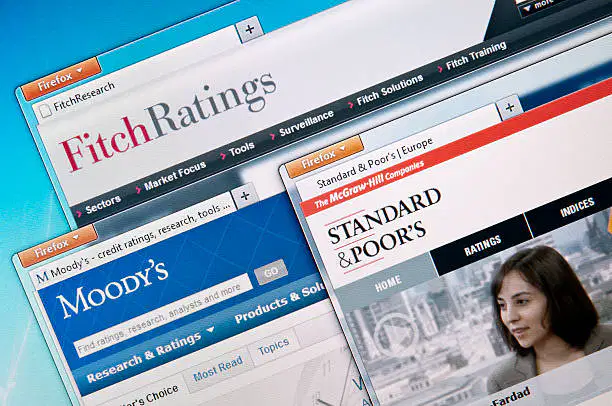
What was a major issue with the ratings from rating agencies during the financial crisis?
The ratings were too conservative for mortgage-backed securities
They correctly assessed the risks of subprime CDOs
They over-relied on short-term data and failed to anticipate systemic risks
The ratings for corporate bonds were more volatile than those for CDOs

Which factor contributed significantly to the misjudgment of subprime mortgage risks?
Unrealistically simple risk models that failed to account for the complexity of structured credit products
Accurate estimates of default rates
Excessive regulation of mortgage-backed securities
Investors' refusal to buy subprime mortgages due to accurate ratings
What was one of the key reasons financial institutions were more vulnerable during the financial crisis?
They had too much liquidity in reserve
They relied heavily on leverage, increasing their exposure to losses
They invested solely in prime mortgages
They avoided investing in mortgage-backed securities

How did the housing market slowdown contribute to the financial crisis?
Falling house prices made it difficult for homeowners to refinance, leading to increased mortgage defaults
Rising house prices allowed homeowners to easily repay their loans
Financial institutions reduced their exposure to risky mortgages
The securitization system became more transparent, reducing risks

What was one of the key ways leadership contributed to excessive risk-taking in financial institutions during the 2008 financial crisis?
Leadership encouraged conservative lending practices
Leadership prioritized aggressive growth and profitability over sound risk management
Leadership focused on long-term sustainability and risk management
Leadership prevented decentralized decision-making

How did incentive structures in the financial services industry contribute to excessive risk-taking?
They rewarded long-term performance over short-term gains
They penalized executives for taking on excessive risk
They provided bonuses for short-term profits without penalties for long-term losses
They discouraged risk-taking by aligning incentives with long-term performance

How did the U.S. financial crisis affect Vietnam's export sector from 2008 to 2010?
Vietnam's export sector grew steadily without any issues
The U.S. recession reduced consumer demand, leading to a decline in Vietnamese exports
Vietnam's exports remained unaffected by the global financial crisis
Vietnamese exports to the U.S. and Europe increased during the financial crisis

What was the main challenge faced by the Vietnamese banking sector in 2008?
Lack of foreign investment
Managing interest rate fluctuations, with deposit rates reaching over 20%
Declining inflation rates
Maintaining a stable exchange rate without interventions from the State Bank of Vietnam

What major reform did Vietnam's banking sector implement post-crisis in 2010?
Reducing the capital adequacy ratio
Encouraging mergers and acquisitions of weak banks to strengthen the financial system
Increasing the lending rates for all sectors
Introducing new foreign exchange control policies to stabilize the currency

What was a key lesson learned for Vietnam's economy from the 2008 financial crisis?
Focus solely on expanding credit and investment
Quick decision-making and accurate situation analysis are crucial for economic management
Prioritize only monetary policy while ignoring fiscal measures
Reduce international cooperation in financial sectors

What is a major recommendation for Vietnam's financial sector post-crisis?
Implement long-term administrative measures for market control
Enhance international financial cooperation and share information to better manage crises
Eliminate all administrative measures during financial crises
Focus only on internal market stabilization without considering global impacts

