
 Worksheets
213 ppt 9 Quiz on Atoms and Molecules
Total questions: 46
Worksheet time: 23mins
What is the smallest part of any material called?
Atom
Molecule
Proton
Electron
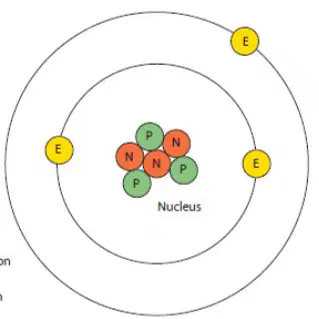
What is an atom primarily composed of?
Neutrons surrounded by protons
Electrons surrounded by neutrons
A central core containing protons surrounded by orbiting electrons
Molecules surrounded by atoms
What charge do protons have?
Negative
Neutral
Positive
No charge
What charge do electrons have?
Positive
Neutral
Negative
No charge
In an electrically neutral atom, the number of protons is equal to the number of what?
Neutrons
Electrons
Atoms
Molecules
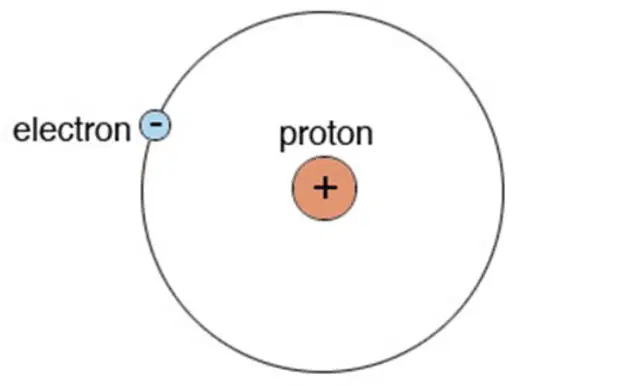
What is the simplest atom, consisting of one proton and one electron?
Helium
Uranium
Hydrogen
Oxygen
Which atom is described as the heaviest, with 92 protons balanced by 92 electrons?
Helium
Uranium
Hydrogen
Carbon
How many protons and electrons does a Helium atom have?
One proton and one electron
Two protons and two electrons
Three protons and three electrons
Four protons and four electrons
What is the charge of an electrically neutral atom?
Positive
Negative
Neutral
Variable
In a copper atom, how is the single electron in the outer orbit attached to the atom?
Tightly
Loosely
Permanently
Not attached
What is the role of the positive plate in a circuit connected to a battery?
It repels electrons.
It attracts electrons.
It provides electromotive force.
It generates heat.
What does the battery provide in a circuit?
Resistance
Capacitance
Electromotive force (EMF)
Inductance
What is the resultant electron flow around the circuit called?
Voltage
Resistance
Electric current
Capacitance
What is the unit for electromotive force (emf)?
Ampere
Ohm
Volt
Watt
Which unit is used to measure current?
Volt
Ampere
Ohm
Joule
What does the ohm measure?
Voltage
Current
Resistance
Power
What happens when the voltage is increased?
The force to cause electrons to flow decreases
The force to cause electrons to flow increases
The resistance increases
The current stops
Which unit is used to measure electrical energy, although it is not generally used due to its small size?
Watts
Kilowatts
Joules
Amperes
How is electricity typically measured for billing purposes today?
In watts
In joules
In kilowatt hours
In amperes
What is the function of an ammeter in an electrical circuit?
To measure voltage
To measure current
To measure resistance
To measure power
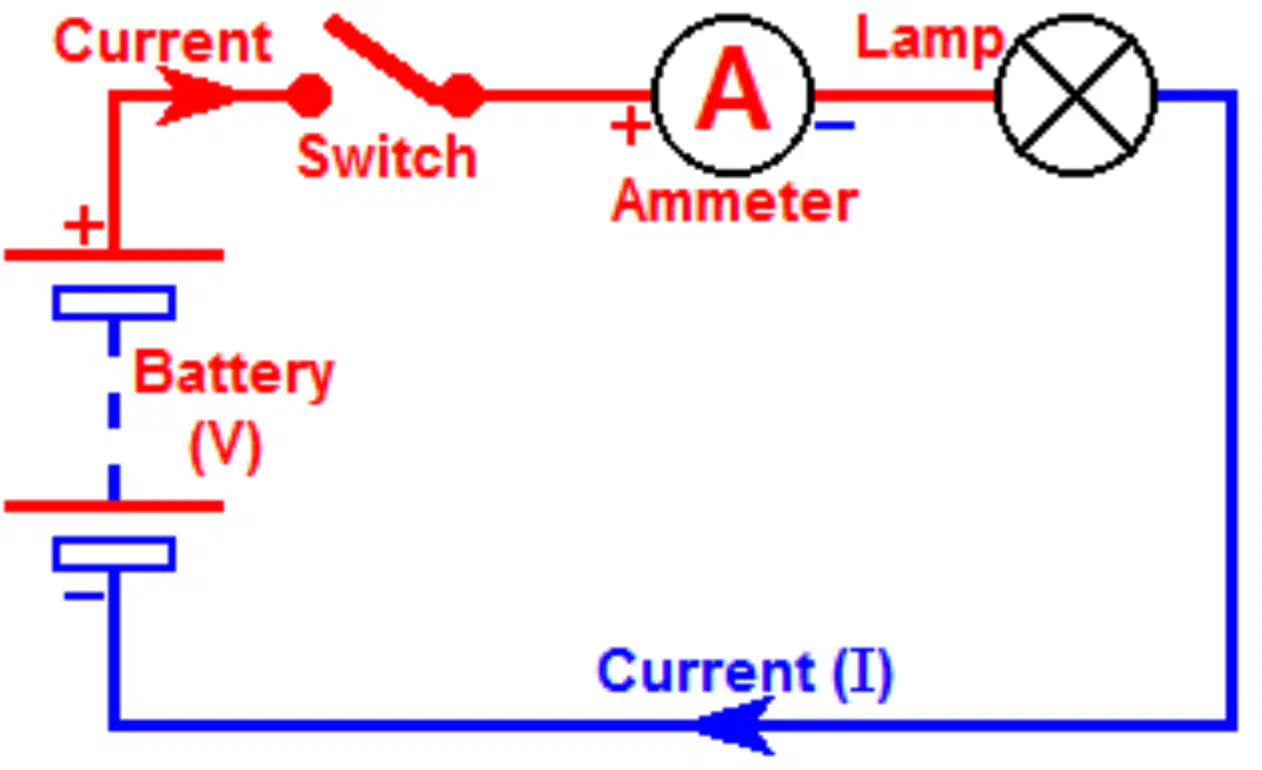
In the given circuit diagram, what component is used to control the flow of electricity?
Battery
Ammeter
Switch
Lamp
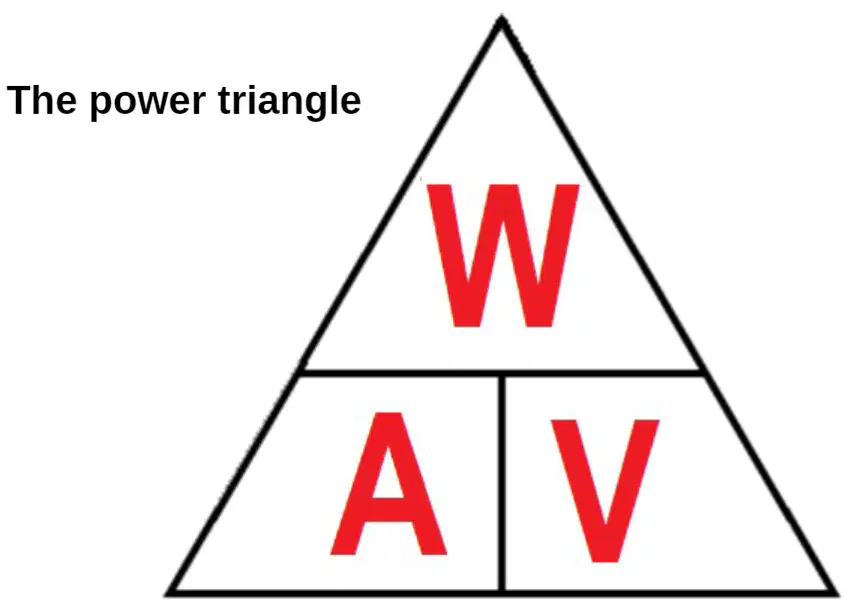
What does the "W" in the power triangle represent?
Watts
Amperes
Volts
Ohms
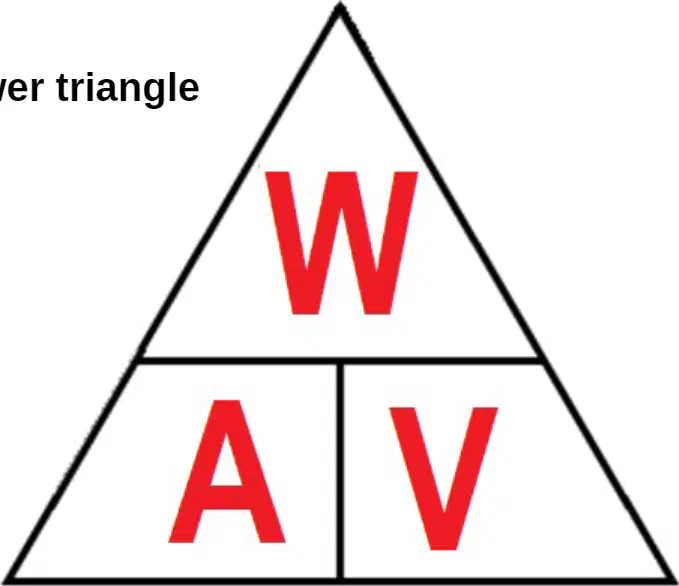
In the power triangle, what does the "A" stand for?
Amperes
Volts
Watts
Ohms
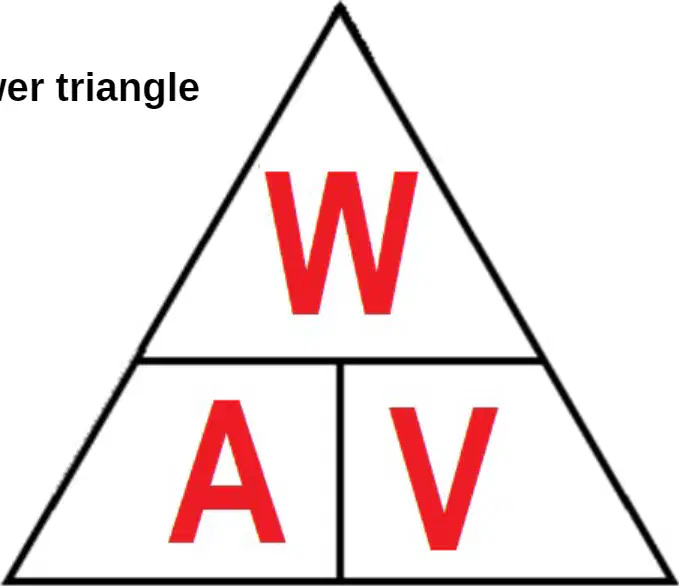
What is the relationship between watts, amps, and volts known as?
The power triangle
The energy square
The voltage circle
The current rectangle
If an appliance needs 3kW in a domestic property, what is the fuse size?
10 amp
12.5 amp
15 amp
20 amp
In a domestic property, an appliance has a fuse size of 3 amp. What is the maximum power rating of the appliance?
500w or 0.5kW
600w or 0.6kW
720w or 0.72kW
900w or 0.9kW
An appliance has a 5 amp fuse and needs 1.2kW of power. What is the voltage required?
220v
230v
240v
250v
What does Ohm's Law state about the relationship between current, voltage, and resistance in a circuit?
Current is inversely proportional to voltage and directly proportional to resistance.
Current is directly proportional to voltage and inversely proportional to resistance.
Current is directly proportional to both voltage and resistance.
Current is inversely proportional to both voltage and resistance.
Using Ohm's Law, how can you calculate voltage (V) if you know the current (I) and resistance (R)?
V = I / R
V = I + R
V = I × R
V = R / I
According to Ohm's Law, how do you calculate current (I) if you have the voltage (V) and resistance (R)?
I = V × R
I = V / R
I = R / V
I = R × V
How can you determine resistance (R) using Ohm's Law if you know the voltage (V) and current (I)?
R = V × I
R = I / V
R = V / I
R = I × V
What is the formula to calculate current (I) using Ohm's Law?
I = V + R
I = V - R
I = V * R
I = V / R
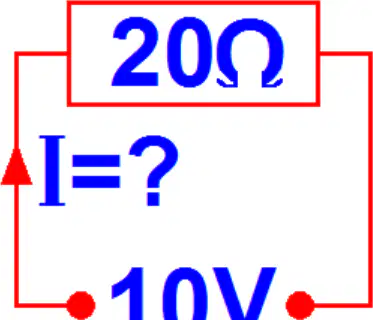
If an EMF of 10 volts is applied to a resistance of 20 ohms, what is the current that will flow?
2A
0.5A
5A
1A
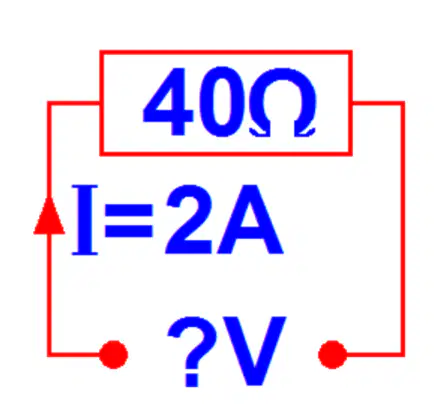
What is the applied EMF when 2 amperes flows through a resistance of 40Ω?
80 volts
20 volts
60 volts
100 volts
Which formula is used to calculate voltage in this example?
V = I × R
V = R / I
V = I / R
V = R × I²
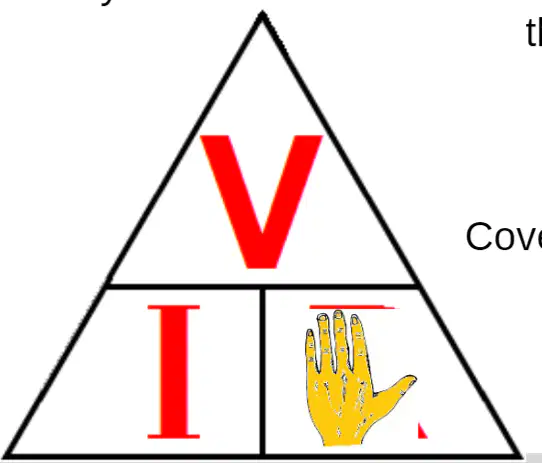
What is the resistance of a circuit when an EMF of 50 volts is applied and a current of 5 amperes flows?
10 ohms
5 ohms
15 ohms
20 ohms
Which formula is used to calculate resistance in a circuit using Ohm's law?
R = V/I
R = I/V
R = V*I
R = I^2*V
What would be the resistance of a domestic appliance if the fuse size was 3 amp?
60 ohms
70 ohms
80 ohms
90 ohms
What is the fuse size for a domestic appliance which has 1,200 ohms resistance?
0.1 amp
0.2 amp
0.3 amp
0.4 amp
If an appliance had a fuse rated at 13 amp and the resistance was 32 ohms, what would the voltage be?
415v
420v
425v
430v
What is the formula for calculating the total resistance in a series circuit?
$ R_T = R_1 + R_2 + R_3 $
$ R_T = \frac{1}{R_1} + \frac{1}{R_2} + \frac{1}{R_3} $
$ R_T = R_1 \times R_2 \times R_3 $
$ R_T = R_1 - R_2 - R_3 $
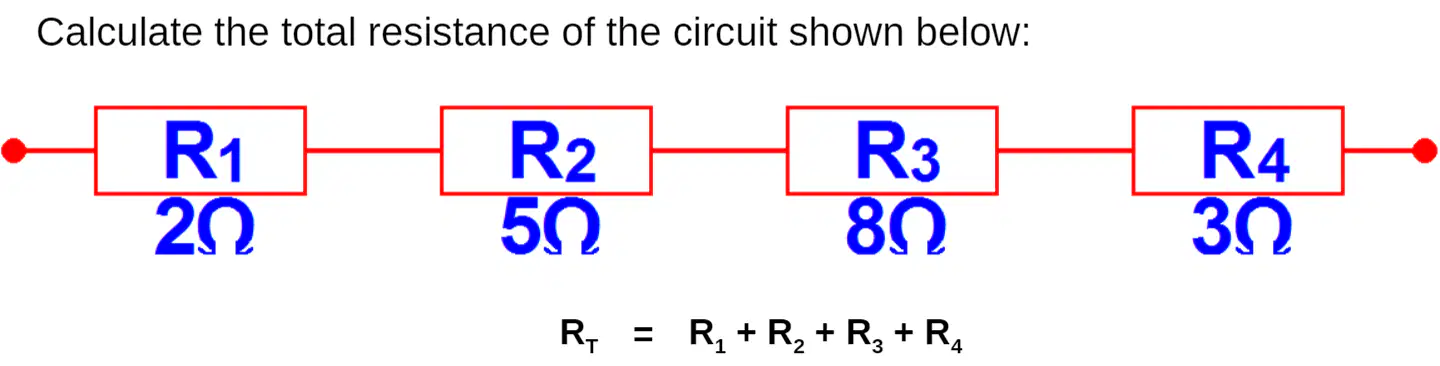
What is the total resistance of the circuit shown in the example?
18Ω
15Ω
20Ω
10Ω
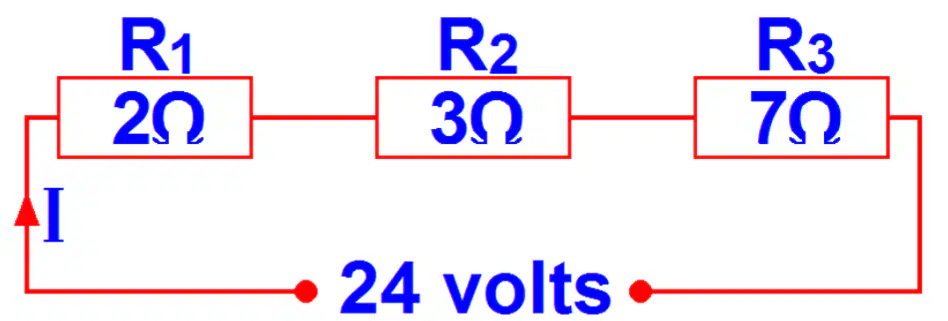
What is the total resistance in the circuit shown in the example?
12Ω
10Ω
15Ω
9Ω
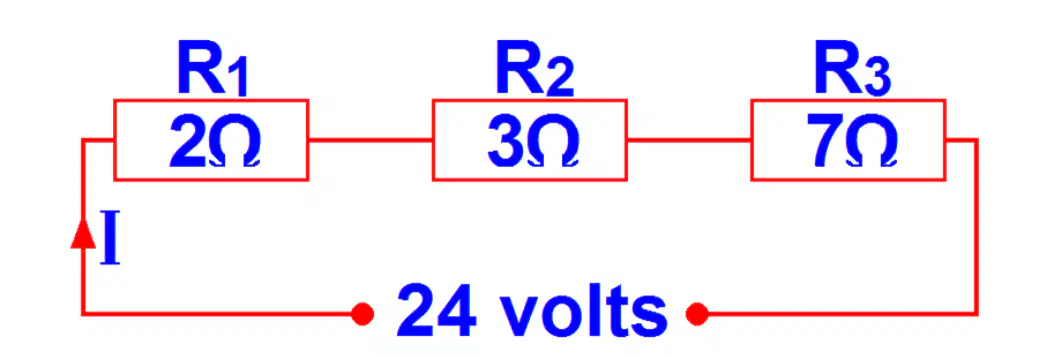
Using Ohm's Law, what is the current flowing through the circuit?
2A
3A
1A
4A
What does AC stand for in the context of electricity?
Alternating Current
Direct Current
Active Current
Analog Current
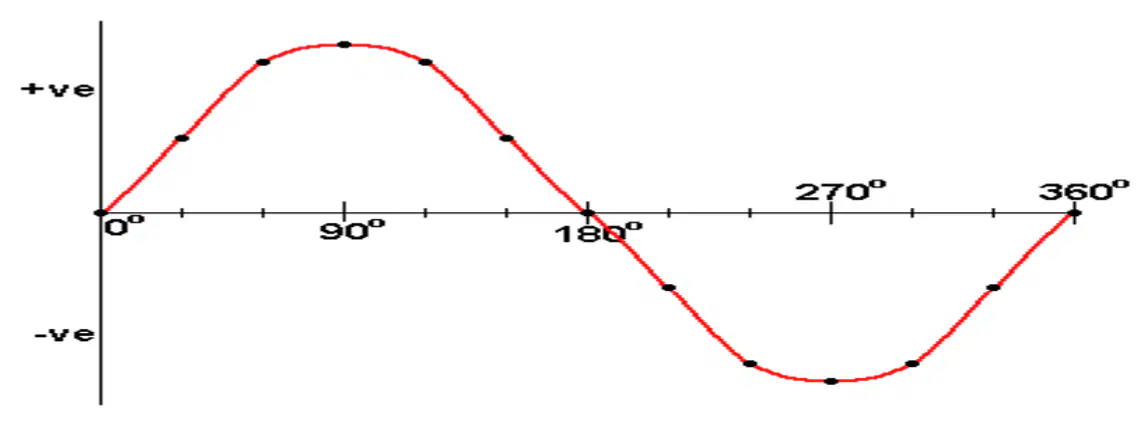
What is the main characteristic of the waveform shown in the diagram?
Sinusoidal
Square
Triangular
Sawtooth

