
Font size
 Worksheets
Unit 2 Chapter 1social studies
Total questions: 61
Worksheet time: 55mins
define amend
To make changes or add to something already established
define legislative
define executive
having the power to carry out laws
define judicial
have the power to decide questions (interpret) the law
have the power to create laws
have the power to carry out the laws
define propose
define constituent
A person who does not vote
A person who does not live in an area
A person who is a part of the government system.
A person who lives/votes in an area
define beacon
something that guides or provides hope
define ciziten
someone NOT born in a country and is protected under the law of the country
someone born in a country and is protected under the law of the country
someone who wants to go to a country and is protected under the law of the country
someone who visits a country on vacation and is protected under the law of the country
define naturalization
define allegiance
what did the fathers amend?

song

The Declaration of Independence

dress
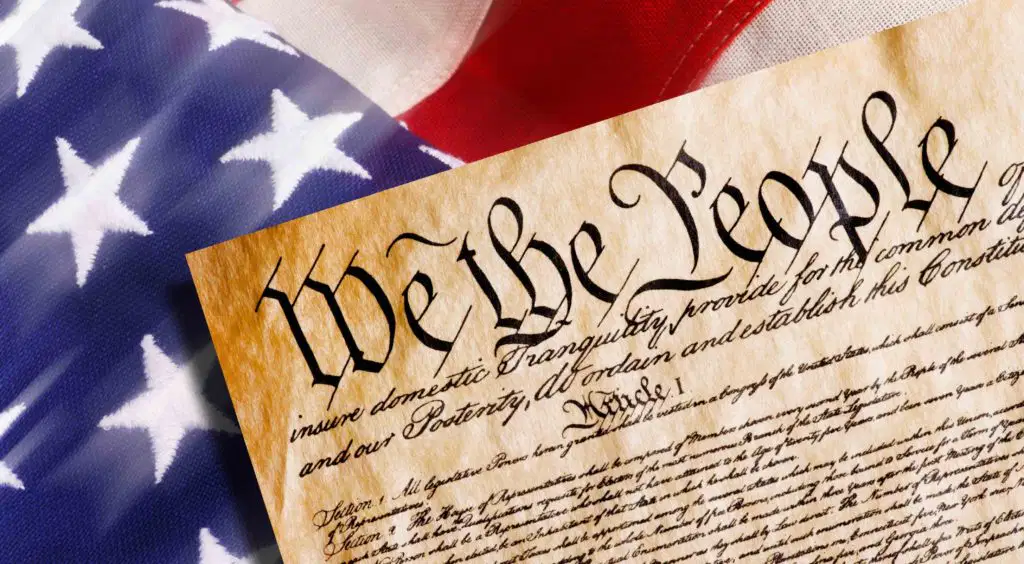
The Constitution of the United States
match
legislative
makes the laws
judicial
intreprets the laws
executive
carry out the laws
match
executive

judicial
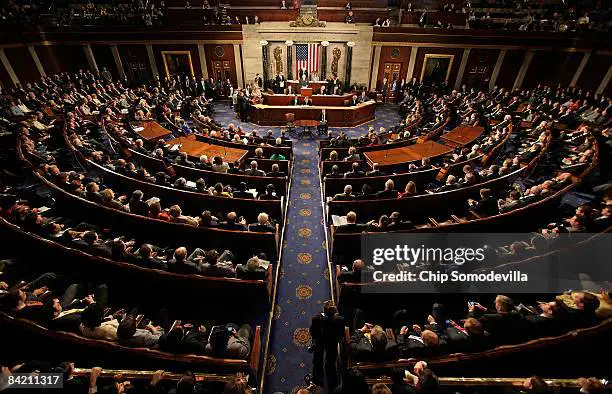
legislative
constituent of Livingston parish





The ___ is a beacon for immigrants who enter the US




Lana is a ciziten of the country of _____
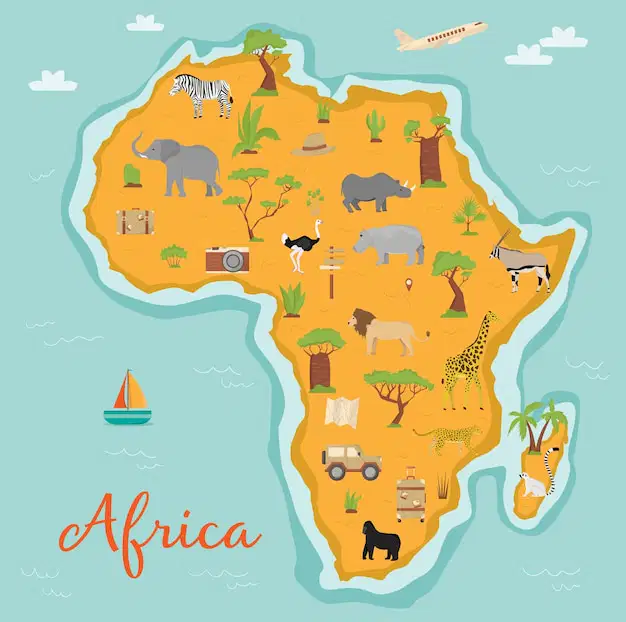
Africa
Russia

United States

china
Lana has an allegiance to the softball team of ____

bayou blazers

lady fury

bombers

swarm
The ____ is an important document because it is the over all plan for our government.
____ outlines the three branches of government.
Article 1-3
the ____ understood that the needs of the citizens/country would change over time.
framers
_____ makes it possible for the constitution and the governemnt to change to meet the changing needs of the citizens.
Article 5
Article 3
The first step in passing a law is a ____ of either congress must propse a bill.
legislator
The ____ are different from the president and members of congress because they are appointed to their position.
supreme court justice
Supreme court justices are appointed for ______
President and congress members are elected by ______ for a number years.
citizens
The constitution makes sure no one branch of government becomes too powerful because it _______ of government.
Seperating the powers of government created a system of ______
congress can _____ a veto by the president
Check and balance: the president can make a treaty with another country but, the senate ______
it is approved by the judges
published in the Federal Register
approves it
the president is the commander in chief of the ______
check and balance: The president is the leader of the army (commander in chief), buty Only the _____ can declare war.
congress
check and balance: The president can appoint a judge, but the senate can ___
approve the jduges
recommend judges to the president
appoint their own judges.
check and balance: The president can appoint a judge, but the senate can ___
impeach the judges
recommend judges to the president
appoint their own judges.
Checks and Balances: Congress can make a law, but Judicial branch
interpets the law if it goes with the constitution
enforces the law
makes the laws
Checks and Balance: Congress makes the laws, but the president ___
can veto/pass laws
checks and balances: The president can veto a law, but congress can
Checks and balances: The president can do its job, but congress can ______
impeach the president
hire a new president
ignore the president
hire a second president
Checks and Balances: The president can inforce the laws as he sees fit and appoint who he needs to to get the job done, but the judicial branch can
pass laws without any checks and blaances
decide if the president's laws/actions are constitutionally
Which branch can veto a law passed by Congress
Legislative
Exectutive
Judicial
Which branch can declare laws unconstitutional
Legislative
Exectutive
Judicial
Which branch nominates judges to the Supreme Court
Legislative
Exectutive
Judicial
Which branch can override a presidential veto with a 2/3 majority vote
Legislative
Exectutive
Judicial
Which branch can override a presidential veto with a 2/3 majority vote
Legislative
Exectutive
Judicial
Which branch can reject presidential nominations to the Supreme Court
Legislative
Exectutive
Judicial
Which branch may ask Congress to come together for a talk in certain situations
Legislative
Exectutive
Judicial
Which branch may declare executive actions unconstitutional
Legislative
Exectutive
Judicial
Which branch may reject treaties
Legislative
Exectutive
Judicial
Which branch may propose constitutional amendments to overrule judicial decisions
Legislative
Exectutive
Judicial
Which branch may impeach the president
Legislative
Exectutive
Judicial
Which branch may withhold money for presidential activities
Legislative
Exectutive
Judicial
Which branch may impeach Supreme Court justices
Legislative
Exectutive
Judicial
______ is the system of dividing powers between the national government and the state government
Federalism is the system that divides powers between the ___ and the ____ government
National Government have their own powers. State government has their own powers. SEPERATE THE POWERS:
create new states
declare war
make peace
CREATE military
control trade between states
control trade between countries
print/coin money
make citizenship laws
conduct elections
set voting qualifications
control trade within states
set up local government
set up public schools
collect taxes
borrow money
set up courts
make health and safety laws
Why do federal and the state government share certain powers under the federal system?
to make sure there is checks and balances so no one gets too powerful
all the powers go to federal government
all the power goes to the state government
to make sure the president gets all the power
_____ are important because they are a way that people uphold the principles of the constitution
Civic virtues
hundred of thousands of people tryto become US ____ each year because US offers many benefits.
requirements to become an American citien are live in the states for __________ years.
requirements to become an American citien are be at least ___- years old
18
71
to become a citizen, you have to ______
take an oath
cross illegally
sneak into the country
lie
To become a US citizen, you have to show knowedge about ____

