
 Worksheets
Physiology of exercise- (upper and lower extremities)
Total questions: 41
Worksheet time: 26mins
What is continuous training?
Performing a set of exercises in a circuit
Running at a steady pace for a set period of time
Running for a period of time, then resting, then running again
Lifting weights
What is progressive overload?
Lifting the same weight.
Gradually increasing the load of training
Changing the types of exercise you are doing
How many times a week you train
Which of the following is a long term response to exercise
Decreased resting heart rate
Increased muscular strength
Increased muscular endurance
All of the above
What does BMI stand for?
Body Measurement Indicator
Body Muscle Injury
Body Mass Index
What are the three parts of a training session?
Warm-up, Gameplay, Cool-down
Warm-up, Main set, Cool-down
Cool-down, Exercise, Jog
Warm-up, Main set, Exercise

Example Exercise of Cardiovascular Endurance
Sitting
Running
Shouting
Watching

Which word from the text means a slow run?
athlete
muscle
jog
sprint

Which word means able to bend without breaking?
physical
flexible
athlete
rigid
Which is not a Principle of Exercise?
Overload
Progression
Dieting
Individual differences
Regular physical activity can improve your memory and attention span.
True
False
Which of the following is an immediate response to exercise?
Increased heart rate
Increased body temperature
Increased blood flow
All of the above
What happens to the heart rate when you exercise?
Increases
Decreases
Region lying between the proximal of the chest and the distal pelvis.
Lower Extremity
Upper Extremity
Core or Abdomen
Refers to the part of the body from hip to the toes.
Core or Abdomen
Upper Extremity
Lower Extremity
Region of the body extending from the deltoid region to the hands, including the arms and shoulders.
Upper Extremity
Core or Abdomen
Lower Extremity
Three-headed muscle of the upper arm.
Biceps
Triceps
QuadrIceps
Group of muscles located in front of the thigh.
Quardriceps
Triceps
Biceps
Refers to the number of times an exercise performed during one set.
Set
Repetition
Time
Group of repetition followed by a rest period.
Interval
Set
Repetition
Refers how often you will exercise.
Intensity
Time
Frequency
Type
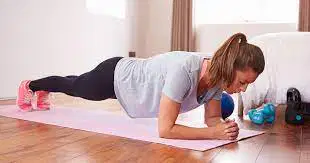
Which is MOST engaged here for the trunk?
Erector spinae
Abdominal obliques
Rectus abdominus
Serratus anterior

Which part of the Trapezius help him shrug?
Lower
Middle
Upper
All of them
muscles found in organs
cardiac
smooth
slow twitch
skeletal
muscles that contract/relax more slowly
fast twitch
slow twitch
involuntary
voluntary
a pulled, stretched, torn muscle/tendon
strain
sprain
fracture
contusion
Another name for Arms and Legs is...
Face
Posterior
Extremities
Lateral

How we position our bodies when we are standing or sitting is known as _______.
Posterior
Posture
Extremity
Strava

The TORSO is the part of the body that holds the LEAST organs
True
False

Extremities can also be called "Limbs" or "Appendages"
True
False

Our skin is elastic...
True
False

Moving our Calf Muscles help our bodies circulate blood...
True
False

This picture is showing ______________ which is used as a reference to medical professionals around the world.
Anatomical Position
Extremities
A man
Posterior
Which exercise improves the efficiency of the body's cardiovascular system?
anaerobic
balance
flexibility
aerobic
An even distribution of weight describes which exercise?
anaerobic
balance
flexibility
aerobic
Which vocabulary word is NOT a type of exercise?
anaerobic
balance
hydration
aerobic
flexibility
What does F.I.T.T stand for?
Frequency Intensity Time Type
Fast Intermittent Training Types
Frequency Intensity Training Types
Fast Intense Training Time
Which of the following is an immediate response to exercise?
Increased heart rate
Increased body temperature
Increased blood flow
All of the above
Which of the following is a skill related fitness component?
Aerobic fitness
Flexibility
Power
Muscular Endurance

Based upon the picture of my leg muscles this past year what is being pointed to?
Quadriceps
Gastrocnemius
Deltoid
Hamstring
Muscles that you control are known as....
Involuntary
Fast Twitch
Voluntary
Slow Twitch
How we position our bodies when we are standing or sitting is known as _______.
Posterior
Posture
Extremity
Strava

