
Font size
 Worksheets
Chapter 3 Environmental Systems: Matter, Energy, and Life
Total questions: 30
Worksheet time: 18mins
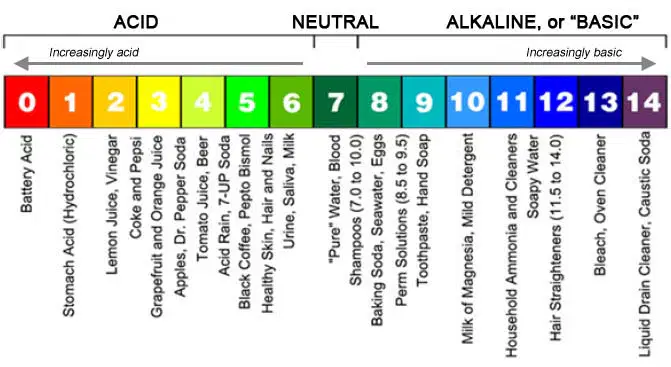
In general, what types of substances tend to be acidic?
coffee
soda pop
drain cleaner
vinegar
soap
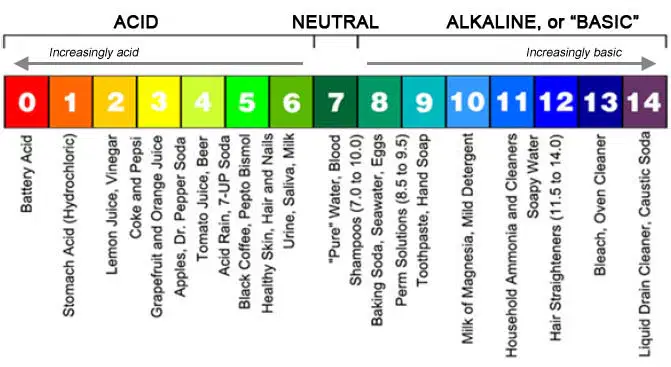
What types of substances tend to be alkaline or basic?
lemon juice
hand soap
soda pop
oven cleaner
ammonia
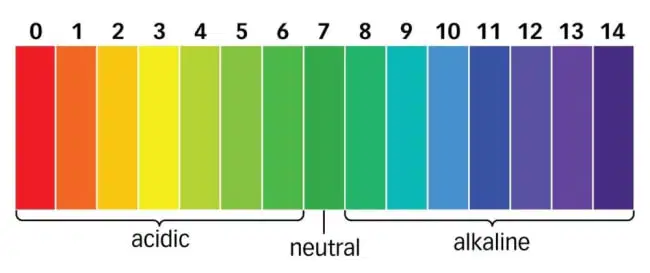
A pH of less than 7 indicates that the liquid is
acidic
a base
alkaline
neutral
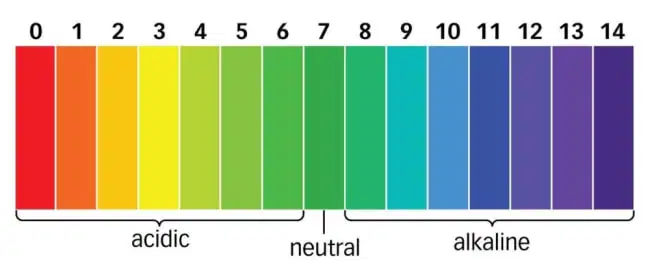
A pH of g4reater than 7 indicates a liquid is
acidic
alkaline (basic)
neutral
water

A pH of 7 indicates that a liquid is
acidic
alkaline (basic)
neutral

Rainfall generally has a pH value between 5 and 6.5. It is acidic because of dissolved carbon dioxide and air pollutants, such as sulfur dioxide or nitrogen oxides. Heavy rains can change the pH of streams and rivers by
lowering the pH and making the water more acidic
raising the pH and making the water more alkaline (basic)
having no affect on pH
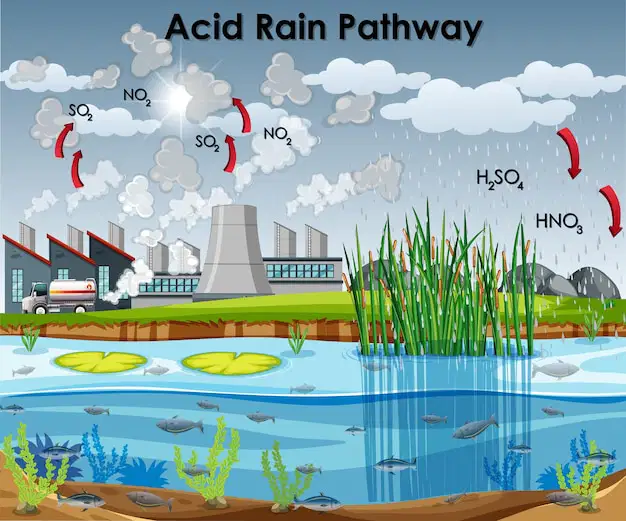
If rain water flows over soil containing hard-water minerals, such as limestone, the pH of the water will _____________________ producing pH values between 7 and 8.5.
increase
decrease
remain neutral
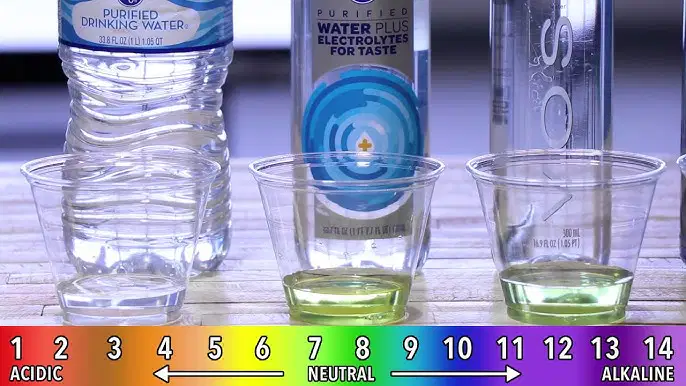
The optimal pH level for fish and aquatic insects is between
6.5 and 8.2
4.5 and 5.0
9.0 and 10.5
11.0 and 11.5

Which foods contain high levels of starch?
potato
apples
tuna
bread
milk
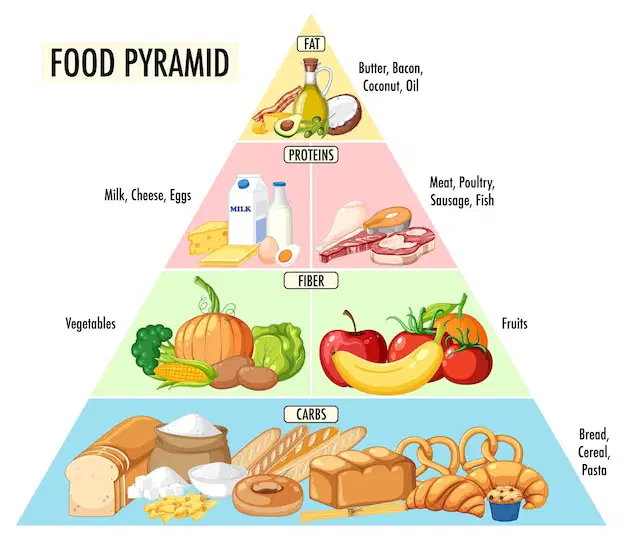
Which foods are good sources of protein?
tuna
milk
apples
potatoes
beans

Which foods are good sources of fats?
tuna
apples
milk
potato
walnut

Which foods are a good source of sugar?
tuna
bread
apples
walnuts
milk

Which two macronutrients are carbohydrates?
sugar
protein
fats
starch

Assume that a barn owl forms one pellet each day and that your pellet represents an average of how much a barn owl eats each night. If an owl pellet contains 3 rodent skulls, how many animals would an owl eat in a week?
3
7
21
42
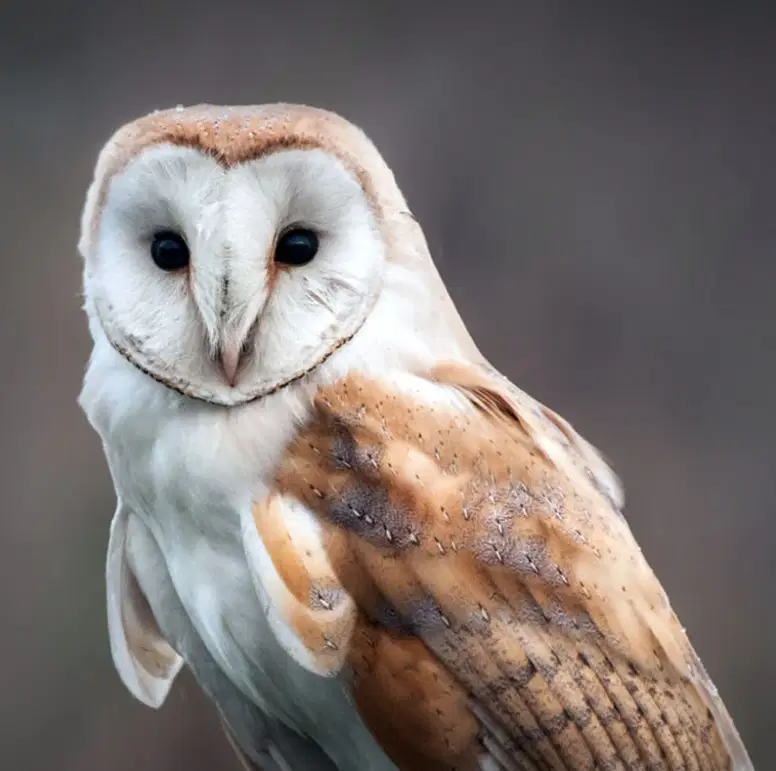
Many farmers like to have owls living on their farms. Why?
They reduce the rodent population on the farm.
They are nice to look at.
They keep the mosquito population down.
They keep away hawks.

Like all birds of prey, owls are ___________________—they eat other
animals.
carnivores
herbivores
producers
omnivores

A _______________________ is a visual model that depicts how energy flows through organisms
in an ecosystem.
food chain
molecule
feedback loop
open system

An ecosystem includes multiple food chains linked into a ______________ that includes several consumers(herbivores, carnivores, omnivores), producers (plants and other photosynthetic organisms), and decomposers (fungi, bacteria, and detritivores).
open system
food web
throughput
feedback loop
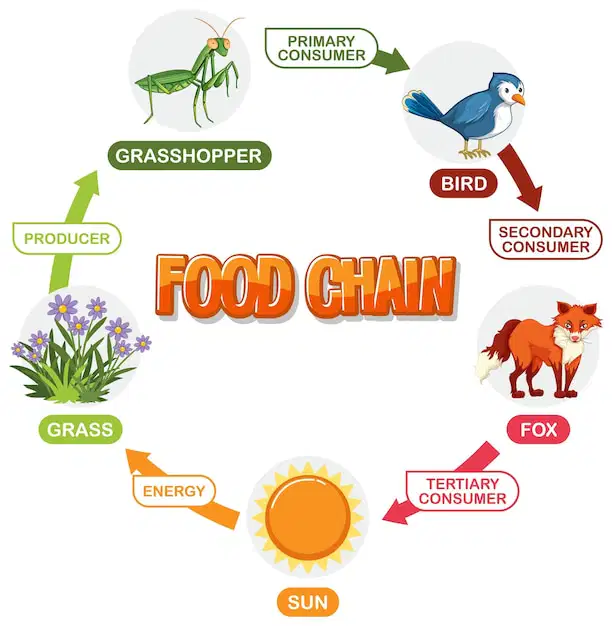
What is the source of the energy that goes into a food chain?
the sun
water
soil nutrients
carbohydrates
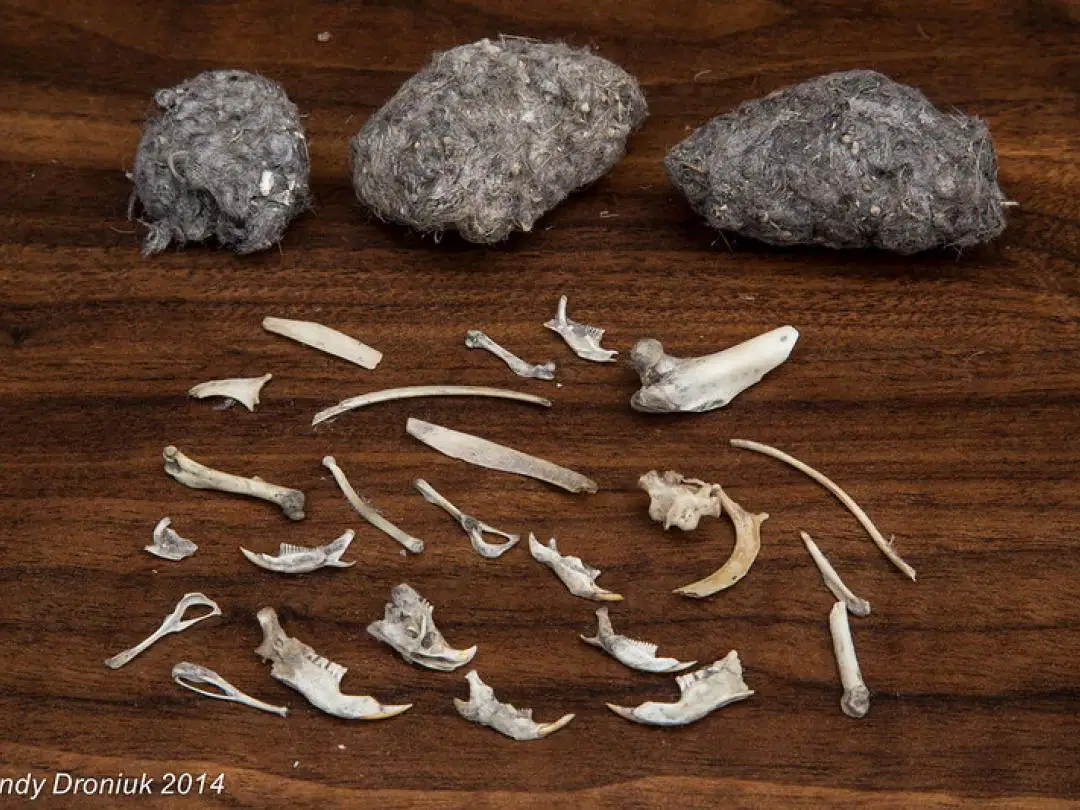
What can you learn about owls by dissecting owl pellets?
How owls maintain a well balanced diet
the small animals that live in an ecosystem
the animals they prefer to eat
the number of owls living in an area
The flow of energy and matter into, through, and out of a system is called
throughput
equilibrium
positive feedback
negative feedback

In a ecosystem, abundant plants produce abundant rabbits. This is an example of
a positive feedback loop
a negative feedback loop
a food web
equilibrium
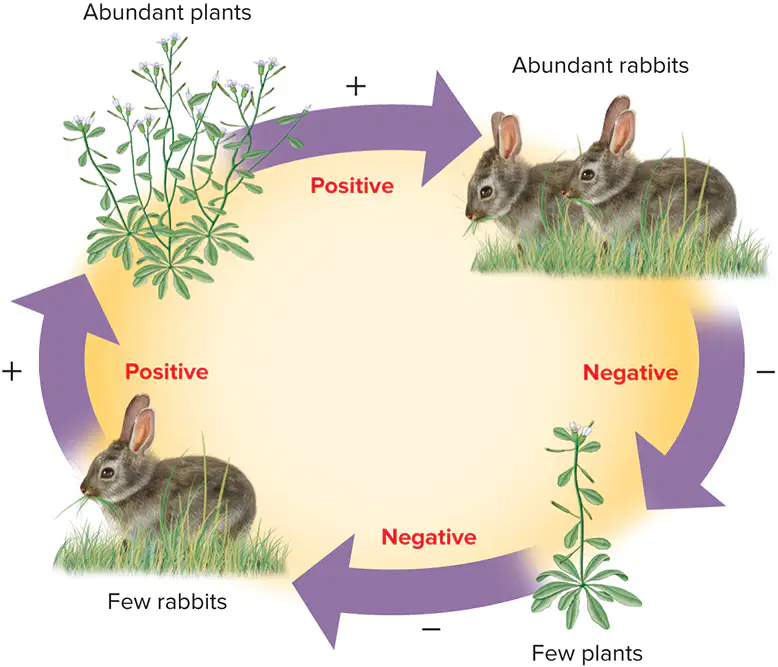
In a ecosystem, abundant rabbits produce few plants. This is an example of
positive feedback loop
negative feedback loop
equilibrium
food web

Green plants are often called ________________ because they create carbohydrates and other compounds using sunlight,
primary producers
primary consumers
secondary consumers
tertiary consumers
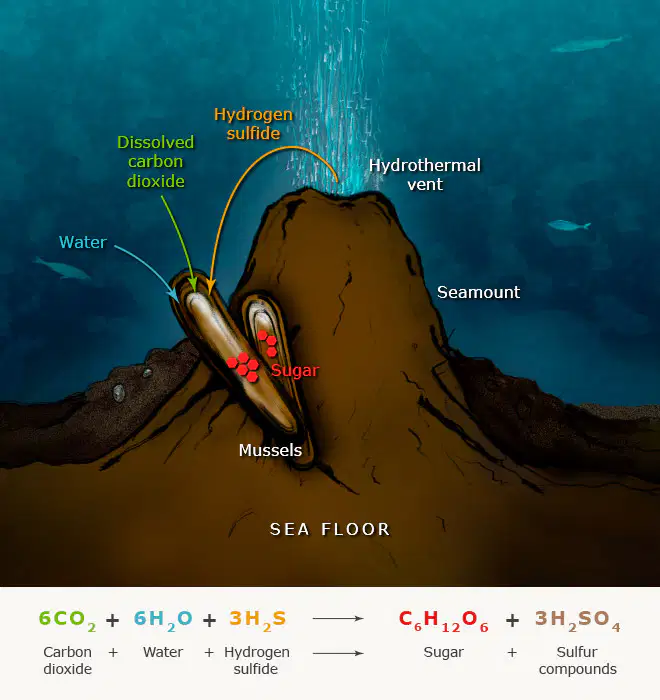
Organism that gain their energy from the inorganic compounds, such as hydrogen sulfide, through the process of
photosynthesis
chemosynthesis
cellular respiration
decomposition

Energy from the sun is converted by green plants into carbohydrates by a process called
photosynthesis
chemosynthesis
cellular respiration
decomposition

Energy captured and stored in carbohydrates is released by the breaking of chemical bonds in a process called
photosynthesis
chemosynthesis
cellular respiration
decomposition
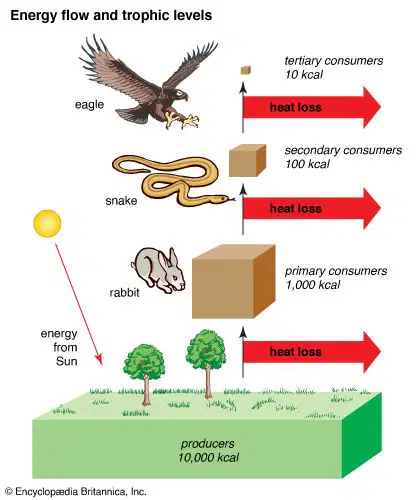
Ninety percent of the energy from each trophic level is lost in the form of ______ as you move to the next level.
water
food
heat
eagles

The damage to an ecosystem caused by a hurricane or flood can be referred to as
an open system.
an emergent property.
equilibrium in nature.
a disturbance.
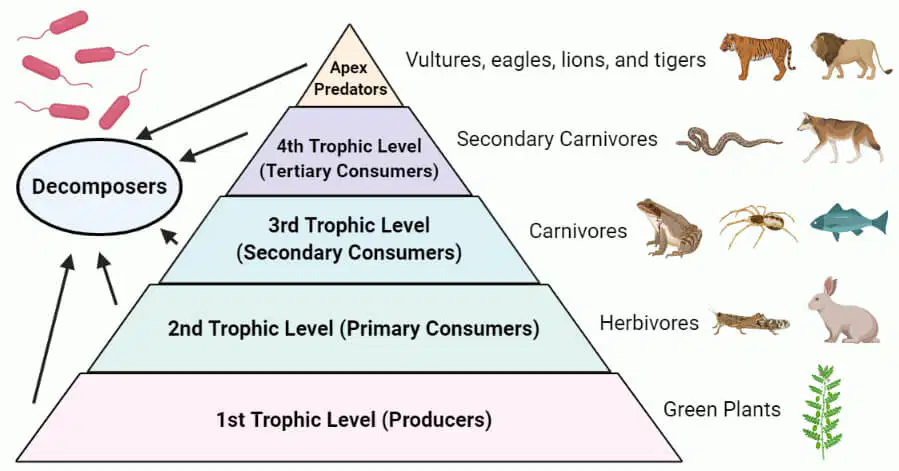
Match each word with its definition.
plant eaters
herbivores
flesh eaters
carnivores
eat both plants and animals
omnivores
eat dead carcasses of animals
scavengers
consume debris, litter, and dung
detritivores

