
 Worksheets
Investigation 1-2 Human Systems Interactions
Total questions: 33
Worksheet time: 33mins
Cells get oxygen from the respiratory system. They make their way to the bloodstream through varies parts of the body and the circulatory system carries oxygen to the cells.
Cells get oxygen from the respiratory system. The oxygen enters the digestive system and helps break down food. The circulatory system then takes over.
The nervous system allows us to bring in the oxygen and the muscular system give the body the ability to use the oxygen.
None of these.
The circulatory system carries oxygen and glucose to the cells.
The circulatory system is not involved withe ACR it's the respiratory system.
The circulatory system brings oxygen into the body for ACR.
The circulatory system helps mix all the nutrients needed in the body.
sleep
exercise
food
vaccines
How do symptoms give us clues about different diseases?
Which is the correct order of the levels of organization from smallest and most simple to largerst and most complex?
cell, organ, tissue, organ system
cell, tissue, organ system, organ
cell, tissue, organ, organ system
cell, organ system, organ, tissue

The function of the nervous system is to? What is the main organ it includes?
Break down food. stomach
Help the body move. muscles
Send and receive messages. brain
Pump blood around the body. heart

The function of the digestive system is to? What is the main organ it includes?
Break down food. stomach
Help the body move. muscles
Send and receive messages. brain
Pump blood around the body. heart

The function of the circulatory system is to? What is the main organ it includes?
Break down food. stomach
Help the body move. muscles
Send and receive messages. brain
Pump blood around the body. heart

The function of the muscular system is to? What is the main organ it includes?
Break down food. stomach
Help the body move. muscles
Send and receive messages. brain
Pump blood around the body. heart

The function of the excretory system is to? What is the main organ it includes?
Bring in oxygen, and remove carbon dioxide. lungs
Remove waste. kidneys
Send and receive messages. brain
Pump blood around the body. heart

The function of the respiratory system is to? What is the main organ it includes?
Bring in oxygen, and remove carbon dioxide. lungs
Remove waste. kidneys
Send and receive messages. brain
Pump blood around the body. heart

How do the respiratory an circulatory systems work together?
The respiratory system removes waste and the circulatory system moves it around.
The respiratory system breaks down food, and the circulatory system moves it around.
The circulatory system brings in oxygen, and the repiratory system moves it around.
The respiratory system brings in oxygen, and the circulatory system moves it around.
What does the skeletal system do?
Allow us to move and give structure to the body
Make us strong
digest our food
Turn oxygen into carbon dioxide
What is the nervous system made of?
The brain, spinal cord, nerves
heart, veins and blood
stomach, liver and intestines
heart, kidneys, lungs
Which two body systems work together to allow you to move? (Choose two)
Digestive System
Excretory System
Muscular System
Skeletal System
Which two body systems work together to transport oxygen throughout the body?
Digestive System
Respiratory System
Excretory System
Circulatory System
Which two body systems work together to allow a baseball player to swing a bat?
Digestive System
Endocrine System
Muscular System
Skeletal System
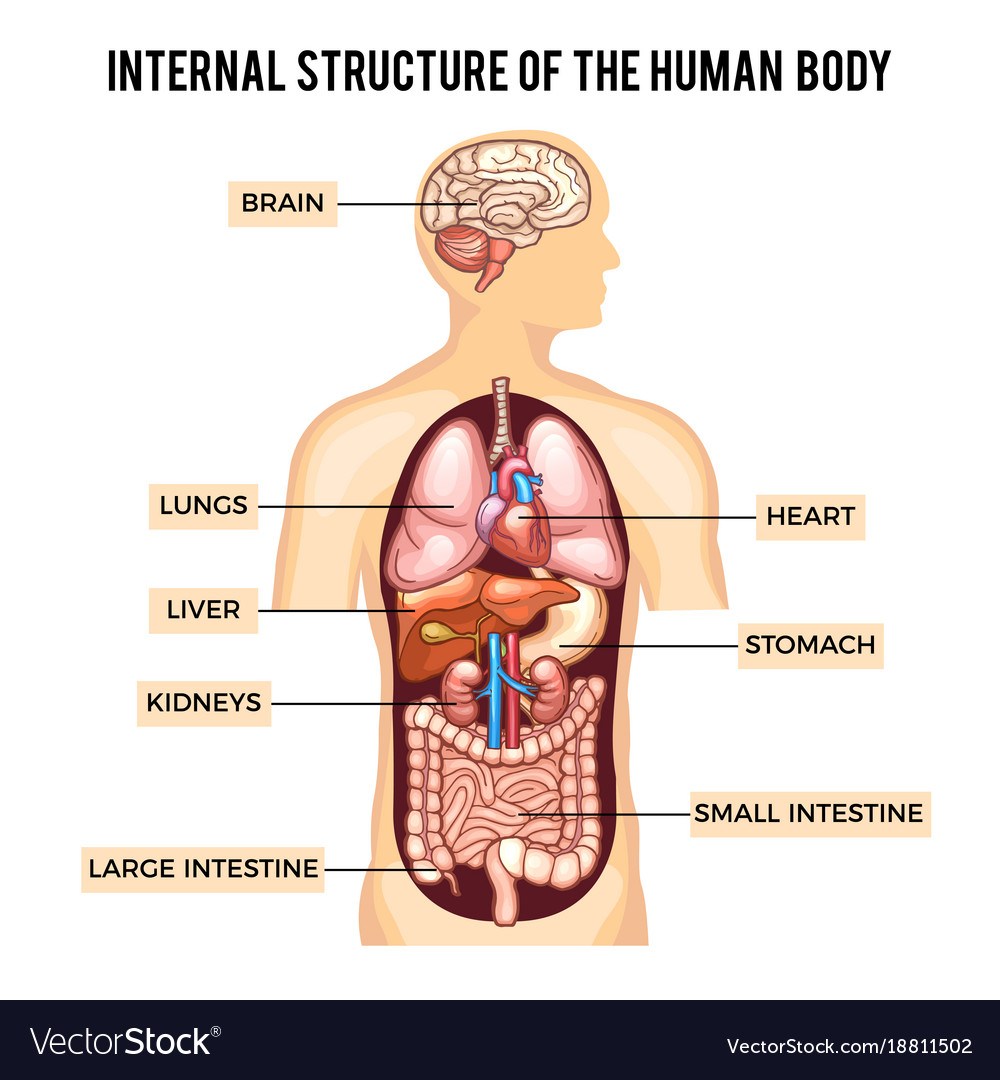
What is an organ?
A group of tissues that work together to perform closely related functions.
the network of nerve cells and fibers that transmits nerve impulses between parts of the body.
all of the bones and muscles in your body and responsible for body structure and movements.
responsible for providing your body with nutrients from food.
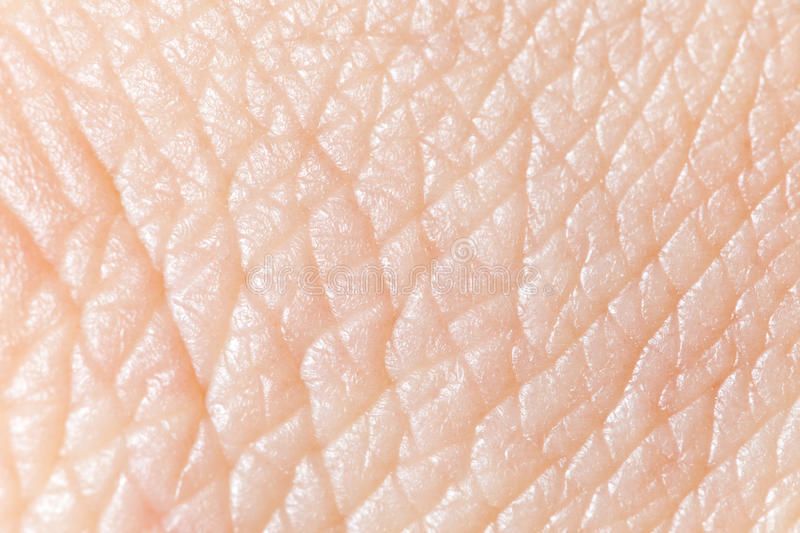
Define tissue.
A group of similar cells that perform the same function.
A living thing
responsible for filtering your blood, removing wastes, and heating and cooling your body.
A group of tissues that work together to perform closely related functions.
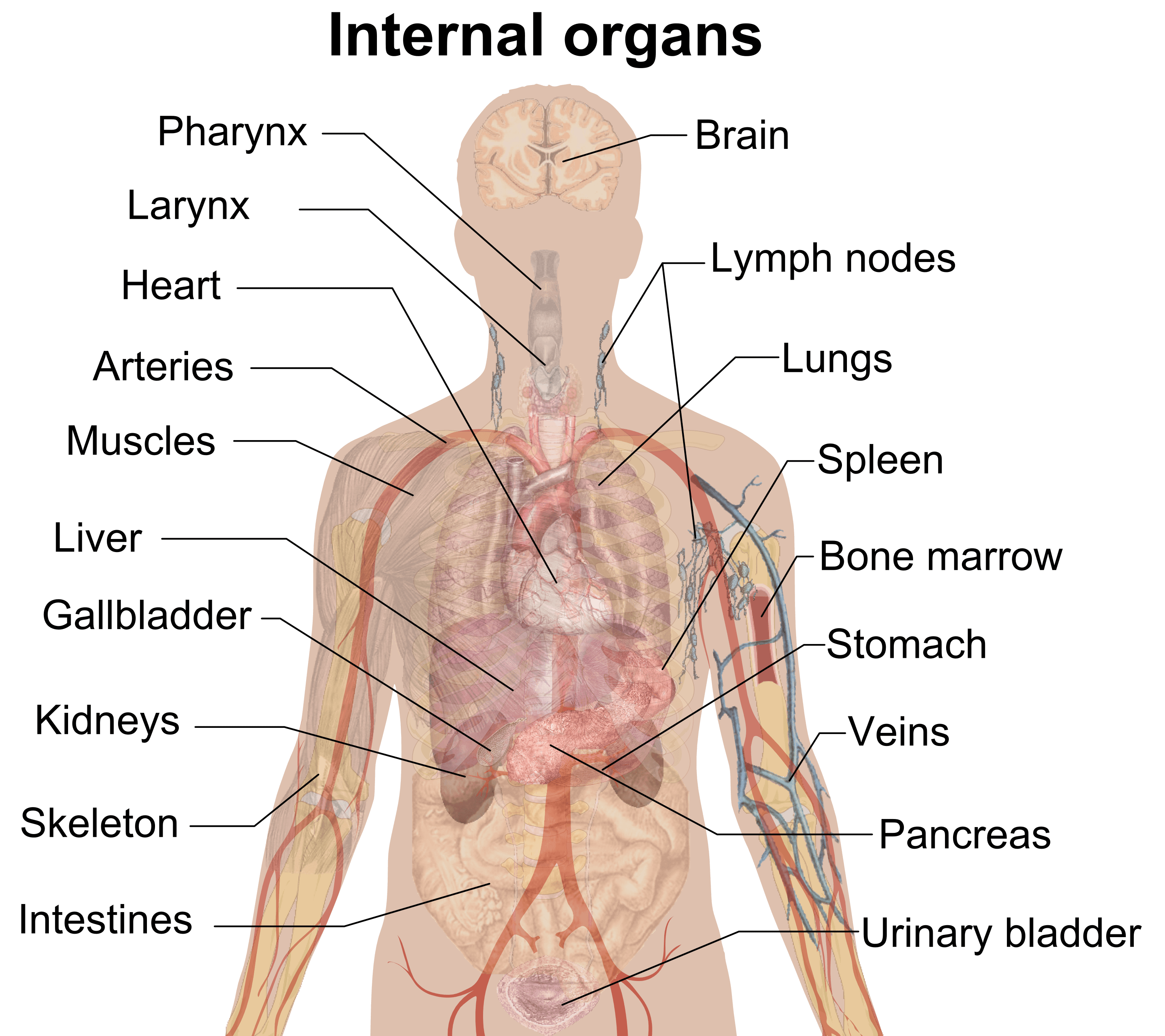
What is an organ system?
the network of nerve cells and fibers that transmits nerve impulses between parts of the body.
A group of similar cells that perform the same function.
A group of organs that work together in performing vital bodily functions.
all of the bones and muscles in your body and responsible for body structure and movements.
Human body system responsible for cleaning your blood and removing liquid waste?
Excretory System
Nervous System
Digestive System
Respiratory System
Where do your red blood cells pick up oxygen from?
Heart
Brain
Lungs
Bladder
Where are nutrients absorbed?
stomach
small intestine
large intestine
liver
Which organ absorbs water?
small intestine
stomach
villi
large intestine
Finger-like projections in the small intestine that absorb nutrients.
digestion
absorption
peristalsis
villi
Tiny air sacs of the lungs where oxygen and carbon dioxide are exchanged.
alveoli
trachea
bronchi
pharynx
The two tubes connecting the lungs and the trachea
Nasal Passage
bronchi
Inhale
Respiration

