
 Worksheets
Chapter 5 and 6 test
Total questions: 44
Worksheet time: 38mins


The area in which a population lives is the ____.
geographic range
age structure
population distribution
population density
This type of population distribution is when the individuals are in groups.
Uniform
Random
Clumps
Organized
When comparing the number of males to the number of females in a population and their years of life, this is the ______.
population density
age structure
limiting factor
growth pattern
When individuals move out of an area, this is called _____.
immigration
emigration
carrying capacity
age structure diagram
This type of growth pattern would occur in a population that reproduces rapidly, like rabbits.
Exponential Growth
Logistic Growth
S Curve
All of the other options.
This type of growth pattern would occur if a population grew rapidly and then slowed/stopped growing.
Exponential Growth
Logistic Growth
J Curve
All of the other options.
The maximum number of individuals a particular environment can support is the ____.
limiting facors
carrying capacity
growth curve
growth pattern
This type of limiting factor affects larger populations and is usually biotic, like predators.
Density Independent
Density Dependent
This type of limiting factor affects any size population and drastically reduces it, such as a tornado.
Density Independent
Density Dependent


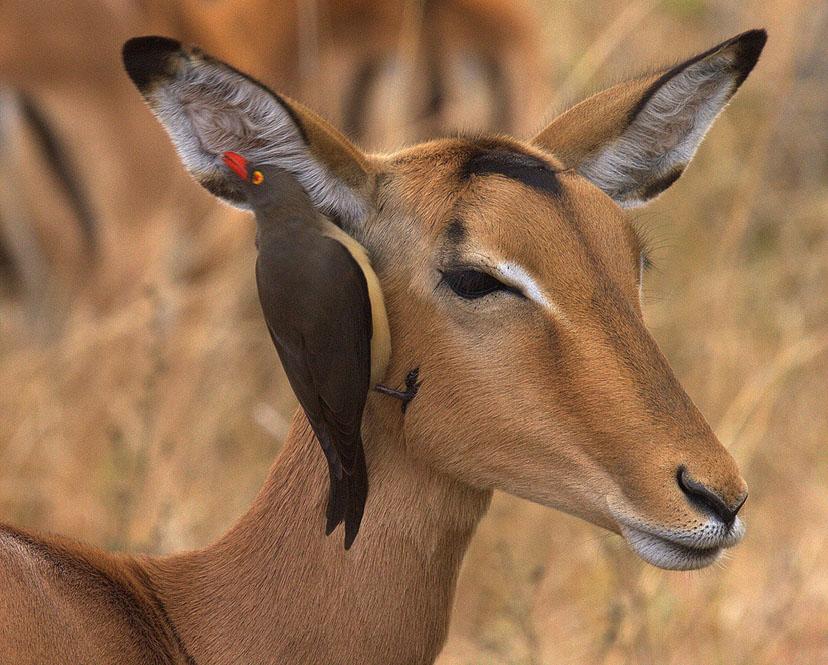

What type of distribution pattern is evenly spaced apart from one another?
Uniform
Clumped
Random
Uneven

This is the most commonly seen distribution pattern. Example: wolves. This is usually because there are resources found in particular areas and the organisms need more space to survive.
Random
Uniform
Clumped
Ueven
What are the three types of distribution patterns?
uniform, clumped, random
uniform, uneven, random
uneven, clumped, random
uniform, clumped, uneven
Population (a) is the number of individuals in a population.
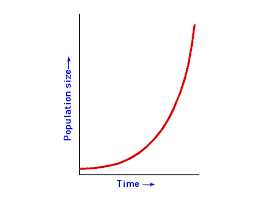
Factors that affect population size:
DECREASE: Number of ___________ & ____________
Choose all that applies.
Birth
Death
Immigration
Emigration

What is an example of a density-independent (Abiotic) limiting factor?
food
parasites
disease
pollution

parasites, disease, predators, are examples of what type of limiting factors?
density dependent
density independent
survivorship
type 1 curve
What is the area inhabited by a population called?
Population density
Geographic range
Growth rate
Population distribution
What does symbiosis mean?
Living separately, no relationship between 2 species
Living together, close relationship between 2 species
Living separately, long distance relationship between 2 species
When one species kills and eats another
how well an organism can handle changes to its environment
Predation
Tolerance
Coevolution
Symbiosis
What term do we use to define how an organism makes a living or fits into their community?
niche
carrying capacity
The ecological role an organism performs in their specific environment is considered the organism's...
Habitat
Population
Biome
Niche
"Organisms that have moved to a location that does not naturally support them."
Invasive species
Destructive species
Unwelcomed species
Infected species


What type of distribution pattern is evenly spaced apart from one another?
Uniform
Clumped
Random
Uneven
What type of distribution pattern is evenly spaced apart from one another?
Uniform
Clumped
Random
Uneven
Herds of animals and schools of fish are examples showing a clumped (clustered) population distribution. What is one advantage that animals have in being distributed this way?
Increased competition for resources
Decreased potential for mating
Decreased protection from predators
Increased protection from predators

