
NEW
Font size
 Worksheets
general Biology vocab chapter 5 to 6
Total questions: 24
Worksheet time: 12mins
Lipids
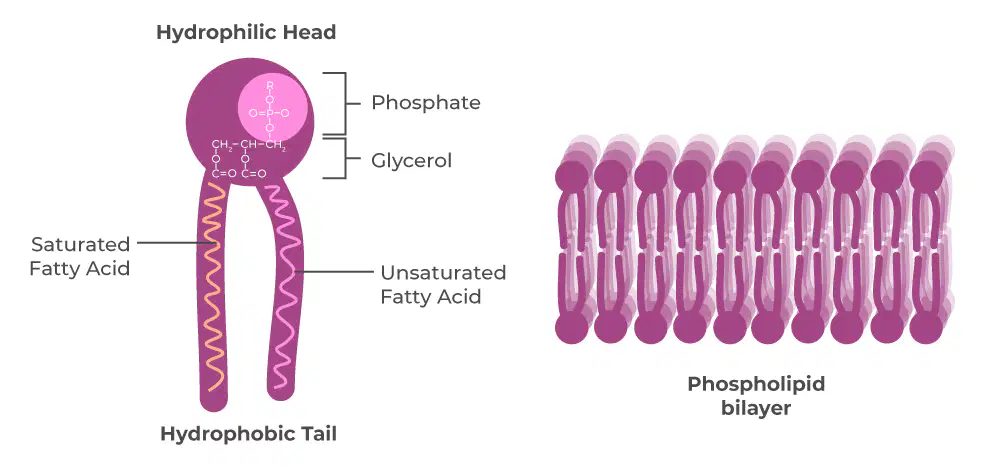
A group of organic compounds that includes fats and waxes
Primary animals store energy. (stored in liver and skeletal muscle).
An important component of the primary cell wall of green plants.
A large carbohydrate molecule made up of many smaller sugar molecules
Starch
Adds a water molecule, breaking a bond.
The primary way plants store energy. (Stored in plastids)
Macromolecules that speed up the dehydration process.
A long molecule consisting of "many" similar building blocks.
Monomer
A long molecule consisting of "many" similar building blocks.
An important component of the primary cell wall of green plants.
A small group of atoms that can bond with other monomers. (One single unit)
Primary way animals store energy. ( Stored in liver and skeletal muscle)
Cellulose
A large carbohydrate molecule made up of many smaller sugar molecules (monosaccharides)
Primary way plants store energy.
Adds a water molecule, breaking a bond.
An important component of the primary cell wall of green plants.
Polymer
A long molecule consisting of "many" similar building blocks
A simple sugar molecule that cannot be broken down into a simpler sugar.
A sugar molecule is made up of two monosaccharides that are joined together by a glycosidic bind
The building blocks of the fat in our bodies an din the food that we eat.
Monosaccharide
Has no double bonds (Is straight)
A simple sugar molecule that cannot be broken into a simpler sugar.
Have one or more double bonds (is NOT straight)
Helps cells move (Bacteria, Archea, and eukaryote.
Saturated Fatty Acids
Carries genes in the form of DNA
Where the cell's DNA is located (not closed by a membrane)
Has no double bonds (Is straight)
Small structure made of RNA and protein that use DNA to produce proteins.
Plasma Membrane
A molecule consisting of two amino acids by a single peptide bond.
A long chain of amino acids that are linked by peptide bonds.
A nonliving layer that surrounds and supports the cells of many organisms.
The membrane found in all cells that separates the interior of the cell from the outside environment.
Cell Wall
A nonliving layer that surrounds and supports the cells of many organisms.
A covalent bond that links amino acids together to form a protein
removes a water molecule, forming a new bond.
Primary way animals store energy.
Peptide Acids
A covalent bond that links amino acids together to form a protein.
Macromolecules that speed up the dehydration process.
A large carbohydrate molecule made up of many smaller sugar molecules.
Helps cells move
Enzyme
Macromolecules that speed up the dehydration process.
Helps cells move
A large carbohydrate molecule made up of many smaller sugar molecules.
The building blocks of the fat in our bodies and in the food we eat.
Glycogen
Primary way animals store energy. (stored in liver and skeletal muscle)
A sugar molecule made up of two monosaccharides that are joined together by a glycosidic bond.
Adds water molecule, breaking a bond.
The building blocks of the fat in our bodies and in the food we eat.
Hydrolysis
Add a water molecule, breaking a bond.
Carries genes in the form of DNA
Where cells DNA is located.
Small structure made of RNA and protein that use DNA or RNA to produce proteins.
Polypeptide
A long chain of Amino acids that are by peptide bonds.
A molecule consisting of two amino acids joined by a single peptide.
Helps cells move (Bacteria)
The building blocks of the fat in our bodies and in the food we eat.
Polysaccharide
A large carbohydrate molecule made up of many smaller sugar molecules (monosaccharides)
Small structures made of RNA and Protein that use DNA or RNA to produce proteins.
Where the cells DNA is located (Not closed by a membrane)
Carries genes in the form of DNA
Unsaturated fatty Acids
Have one or more double bonds (Is Not straight)
Carries genes in the form of DNA
Where the cells DNA is located
Removes water molecules, forming a new bond.
Dehydration
Removes a water molecule, Forming a new bond.
Primary way animals store energy.
Have one or more double bonds (is not straight)
Primary way plants store energy.
Disaccharide
A sugar molecule made one of two monosaccharides that are joined together by a glycosidic bond.
The building blocks of the fat in our bodies and in the food we eat
Carries genes in the form of DNA
Where the cell's DNA located (not closed to the membrane)
Fatty Acids
The building blocks of the fat in our bodies and in the food we eat.
carries genes in the form of DNA
Where the cells DNA is located (Not in the membrane)
Small structure made of RNA and protein that use DNA or RNA to produce proteins.
Nucleoid
Where the cells DNA is located (Not closed by a membrane)
Small structure made of RNA and protein that use DNA or RNA to produce proteins.
A molecule consisting of two amino acids by a single peptide bond.
Helps Cells move (Bacteria)
Flagellum
Helps Cells Move (Bacteria, Archaea, and eukaryotic)
Carries genes in the form of DNA
A molecule consisting of two amino Acids by a single peptide bond
A small structure made of RNA and protein that use DNA or RNA to produce proteins
Ribosomes
A small structure made of RNA and protein that use DNA or RNA to produce proteins
Adds a water molecule, breaking a bond
Carries genes in the form of a DNA
A molecule consisting of two amino acids by a single peptide bond
Bacterial Chromosomes
Carries genes in the form of a DNA
A molecule consisting of two amino acids by by a single peptide bond.
Macromolecules that speed up the dehydration process
Primary ways animals store energy.
Enzyme
Macromolecules that speed up the dehydration process.
A covalent bond that links amino acids together to form a protein.
A long molecule consisting of "many" similar building blocks
Adds a water molecule, breaking a bond

