
 Worksheets
CS 5 and 6 Breakout Box Review
Total questions: 114
Worksheet time: 1hrs 13mins
Match the following
Article I
The Legislative Branch (Congress)
Article II
The Executive Branch (President)
Article III
The Judicial Branch (Supreme Court)
Article IV
Relations among the States
Article V
Provisions for Amendments
What does Article I of the Constitution create?
The legislative branch
The executive branch
The judicial branch
The military
What type of government must all states have according to Article IV?
Monarchy
Dictatorship
Republican
Oligarchy
What did the Bill of Rights aim to do?
Limit state powers
List specific rights not already mentioned in the Constitution
Increase taxes
Abolish federal laws
What are the first ten amendments to the Constitution called?
The Articles of Confederation
The Bill of Rights
The Federalist Papers
The Declaration of Independence
What does the Constitution say is the 'supreme law of the land'?
The Bill of Rights
State laws
The amendments
The Constitution and U.S. or federal laws
Which article describes the powers of the Executive Branch?
Article II
Article I
Article III
Article IV
Label the parts of the Constitution
The legislative branch is also called ___________________________
Supreme
Congress
Anarchy
Treason
States all have an agreement with each other to return suspected criminal to the state where the crime took place. This is called
Federalism
Extradition
Republican
Amendment
Congress is
The President
The Supreme Court
The House of Representatives and the Senate
The Judicial Branch
Match the following
The Power to tax
Congress
The power to ratify treaties
Senate
Commander in Chief of the armed forces
President
Hear cases involving states
Supreme Court
Has 435 members
House of Representatives
Put these in order as they happened
French and Indian War
Stamp Tax
Lexington and Concord
Writing the Articles of Confederation
Writing the Constitution
Prints Money
Executive
Legislative
Judicial
Decides what a law means
Executive
Legislative
Judicial
Divided into the House and Senate
Executive
Legislative
Judicial
The part of the Constitution that is the largest is the part dealing with
The President
The States
The Supreme Court
The Congress
What is the best definition for Limited Government?
The government's power is restricted
Powers are separated into 3 branches
Power is shared between the states and federal government
The people have power
Which of the following is the best definition for Consent of the Governed?
People have the power
People must approve of government's actions
Powers are separated between 3 branches of government
Each branch has power over the other
Which of the following is the best definition of Popular Sovereignty
The people hold the power in the government
Powers are divided and shared between the national government and the states
Powers are divided between 3 branches of government
The people must approve of the governments actions
What is the best definition for Rule of Law
People must approve of government's actions
The people have the power
The powers of government are limited
Everyone must follow the law
Which of the following is the best description of Separation of powers?
People have the power
Powers are divided between the national and state governments
Powers are divided among 3 branches of government
Branches have power over each other to keep each other from becoming too powerful
Which of the following is the best definition for Federalism?
Powers separated between 3 branches of government
Powers given only to the Federal Governments
Powers shared between the Federal government and the states
People have the power.
Which of the following is the best definition of Checks and Balances?
Power divided between 3 branches of government
Each branch has power over the other to keep them from becoming too powerful
It has to do with money and scales
Everyone must follow the law

Which Principle of Government is best described in this passage?
Federalism
Consent of the Governed
Limited Government
Popular Sovereignty

Which Constitutional Principle is best described in this passage ?
Separation of Powers
Checks and Balances
Consent of the Governed
Rule of Law

Which principle is best represented in this passage?
Popular Sovereignty
Federalism
Limited Government
Checks and Balances
Prints Money
Executive
Legislative
Judicial
Enforces the law
Legislative
Judicial
Executive
Decides what a law means
Executive
Legislative
Judicial
Declares war
Executive
Legislative
Judicial
Includes the president, vice-president and cabinet
Executive
Legislative
Judicial
Divided into the House and Senate
Executive
Legislative
Judicial
Punish Pirates
Executive
Legislative
Judicial
Makes treaties with other countries
Executive
Legislative
Judicial
Can declare laws unconstitutional
Executive
Legislative
Judicial
Selected by the electoral college
Executive
Legislative
Judicial
Selected by popular vote
Executive
Legislative
Judicial
Appoints Supreme Court Justices, Federal judges, ambassadors and cabinet members
Executive
Legislative
Judicial
Approves presidential appointments
Executive
Legislative
Judicial
Makes a State of the Union address each year
Executive
Legislative
Judicial
Collects taxes
Executive
Legislative
Judicial
Match the following
Article I
The Legislative Branch (Congress)
Article II
The Executive Branch (President)
Article III
The Judicial Branch (Supreme Court)
Article IV
Relations among the States
Article V
Provisions for Amendments
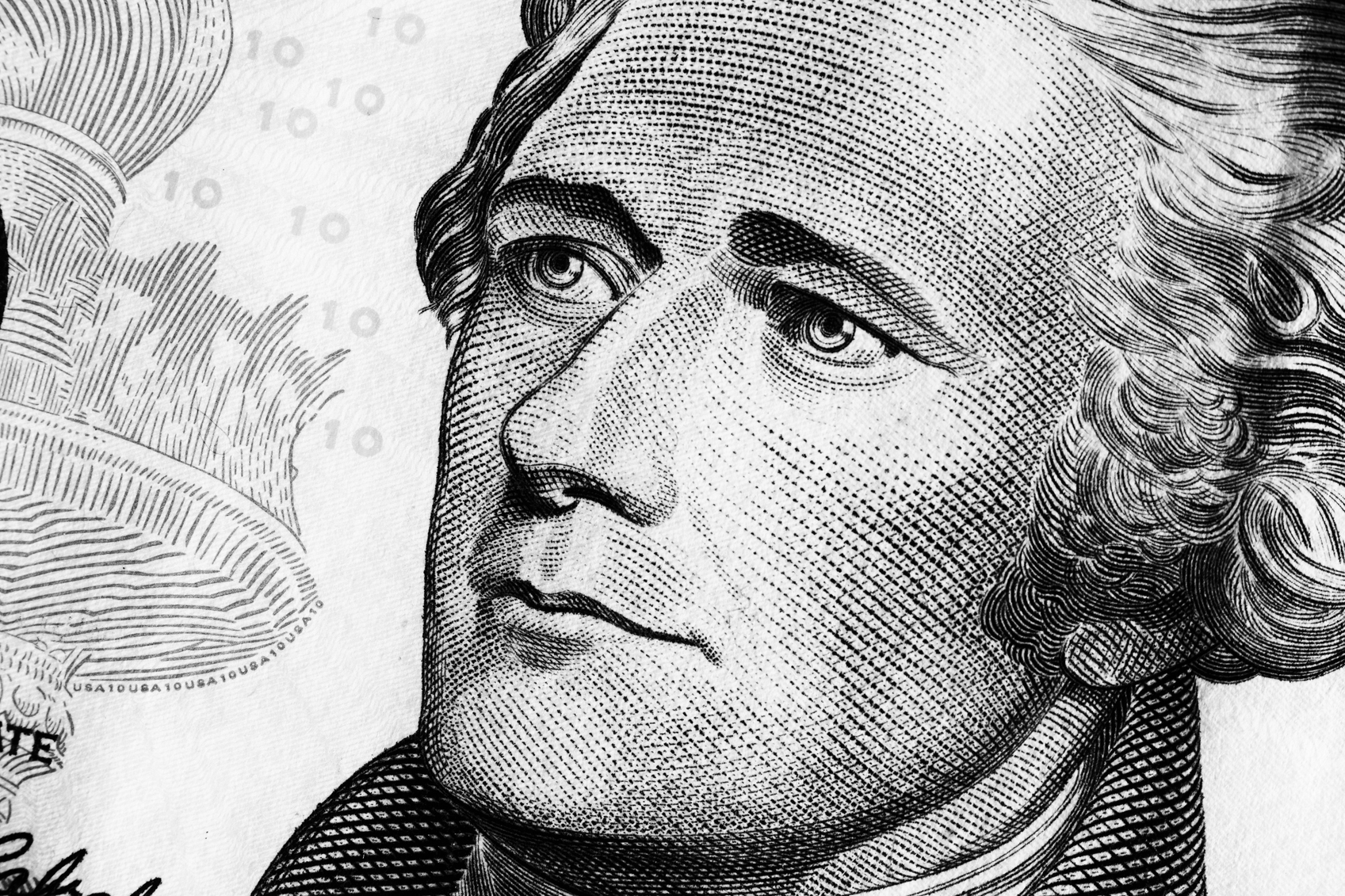
Who is known as a leader of the Federalists?
James Madison
Brutus
Montezuma
Benjamin Franklin
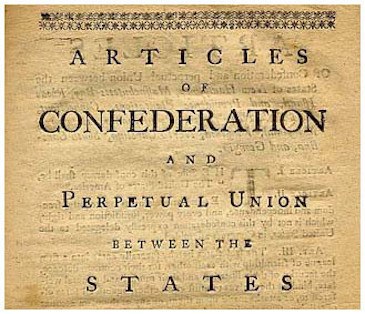
Federalists believed that the Articles of Confederation were a ________ and set up a ________ National Government.
Success, Strong.
Success, Weak.
Failure, Weak.
Failure, Strong.

The ___________ are for the ratification (approval) of the U.S Constitution.
Federalists
Anti-Federalists
Whiggs
Representatives

The ___________ are NOT for the ratification (approval) of the U.S Constitution.
Anti-Federalists.
Federalists.
Whiggs.
Supreme Court Justices.
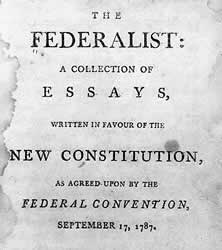
The "Federalist Papers" were written to:
Explain and convince the people into supporting the new U.S Constitution.
spark a new revolution among the American people against their government.
oppose a strong centralized government.
create a new monarchy.

Anti-Federalists were in favor of:
States Rights and the protection of individual rights.
A strong Central Government.
A Monarchy (King & Queen) to rule over the country.
a powerful National Government
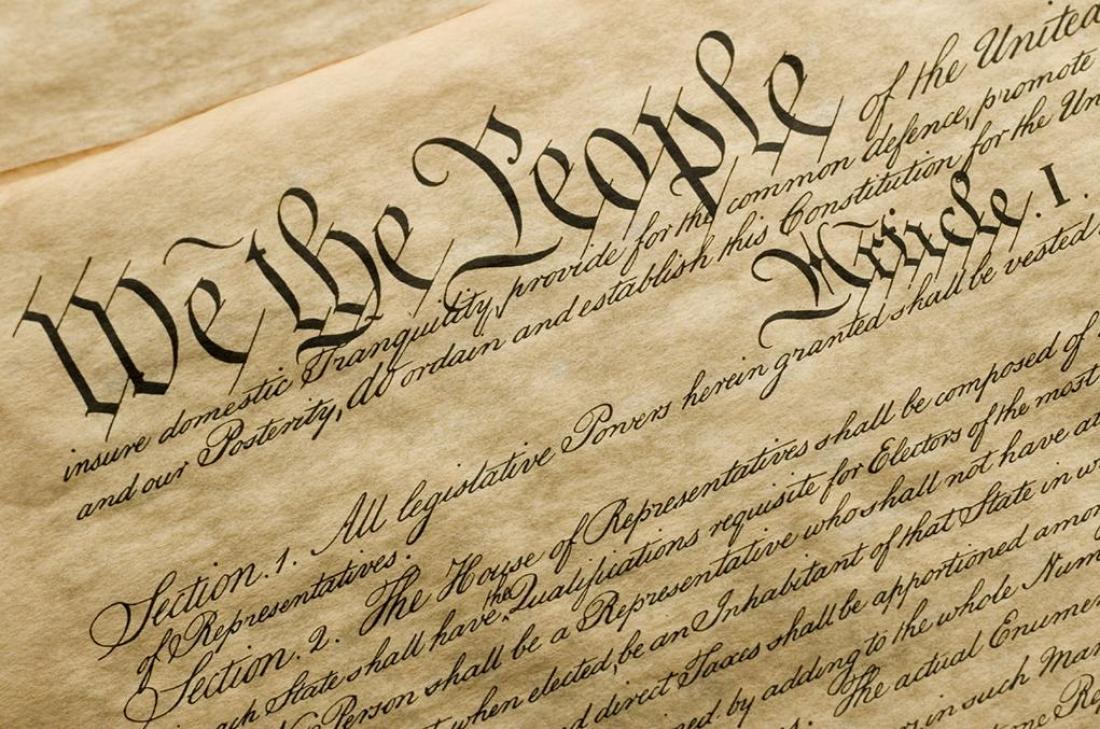
How did the Federalists and Anti-Federalists "compromise" to ratify (approve) the U.S Constitution?
The added the Bill of Rights (First 10 Amendments)
They outlawed cruel and unusual punishment.
Ensured due process of the law.
The Federalists threatened the Anti-Federalists to war.
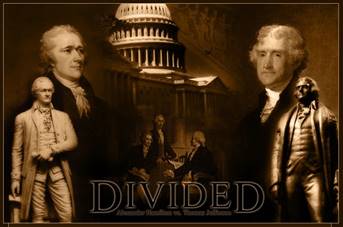
The Anti-Federalists wanted to:
ratify the new constitution and establish a powerful central government.
fix the Articles of Confederation.
Replace the Articles of Confederation.
get rid of strong State governments.
Which group wanted a strong president?
Federalists
Anti-Federalists
Who said, "the Constitution already contains a Bill of Rights"
Federalists
Anti-Federalists
Who said, "the Constitution is the Supreme Law of the Land, so the states will completely lose control?"
Federalists
Anti-Federalists
All of the following are parts of the Constitution that the Anti-Federalists disagreed with EXCEPT:
Elastic Clause
Supremacy Clause
Power to build a big army
Allowing the states to pick the President and the Senate
Allowing Congress to pass all laws necessary and proper to fulfill their duties is known as the
Supremacy Clause
Elastic Clause
Taxing Power
Electoral College
The part of the Constitution that forbids the states from passing laws that contradict with the federal government is called the
Supremacy Clause
Elastic Clause
Taxing Power
Electoral College
According to Federalist #44, what would happen without the Supremacy Clause?
States would lose power
The government would be the same as before
The national government would be stronger
The Constitution would be void
What does Anti-Federalist #9 claim about the House of Representatives?
It can hold trials
It can bring charges but not hold trials
It has complete judicial power
It is the most powerful branch
According to Anti-Federalist #9, what is the risk of the military?
It will remain small
It will grow uncontrollably
It will be disbanded
It will be under state control
What does Anti-Federalist #9 suggest will happen without a Bill of Rights?
The national government will run wild
States will gain more power
The Constitution will be void
The military will be disbanded
What does Federalist #45 say about the power distribution between national and state governments?
National has power in war, state has power in peace
State has power in war, national has power in peace
Both have equal power in war and peace
National has all the power
What does Anti-Federalist #17 claim about the national government?
It strengthens state governments
It does away with states
It creates a new confederation
It limits its own power
According to Anti-Federalist #17, what could Congress do regarding state taxes?
Increase them for state benefit
Abolish them for national funding
Leave them unchanged
Reduce them for economic growth
What does Anti-Federalist #17 suggest about the power to raise an army?
It will protect liberty
It will destroy liberty
It will be controlled by states
It will be limited by Congress
What does Federalist #44 suggest about listing all necessary and proper powers?
It is unnecessary and impractical
It should be avoided
It is already included in the Constitution
According to Anti-Federalist #9, what does the Constitution let states think?
They have no rights
They have rights but will fall to national government
They have the power to make treaties
They are more powerful than the national government
What does Federalist #45 say about the powers to the national government?
They are vague and undefined
They are few and specific
They are left to interpretation
They are shared equally with states
What does Anti-Federalist #17 suggest about state legislatures?
They will be strengthened
They could be abolished completely
They will gain more power
They will remain unchanged
According to Federalist #44, what is one consequence of not having the Supremacy Clause?
Different state laws might go against national treaties
States will have more power
The national government will be stronger
The Constitution will be void
Who is known as a leader of the Federalists?
James Madison
Brutus
Montezuma
Benjamin Franklin
Federalists believed that the Articles of Confederation were a ________ and set up a ________ National Government.
Success, Strong.
Success, Weak.
Failure, Weak.
Failure, Strong.
The ___________ are for the ratification (approval) of the U.S Constitution.
Federalists
Anti-Federalists
Whiggs
Representatives
The ___________ are NOT for the ratification (approval) of the U.S Constitution.
Anti-Federalists.
Federalists.
Whiggs.
Supreme Court Justices.
The "Federalist Papers" were written to:
Explain and convince the people into supporting the new U.S Constitution.
spark a new revolution among the American people against their government.
oppose a strong centralized government.
create a new monarchy.
Anti-Federalists were in favor of:
States Rights and the protection of individual rights.
A strong Central Government.
A Monarchy (King & Queen) to rule over the country.
a powerful National Government
How did the Federalists and Anti-Federalists "compromise" to ratify (approve) the U.S Constitution?
The added the Bill of Rights (First 10 Amendments)
They outlawed cruel and unusual punishment.
Ensured due process of the law.
The Federalists threatened the Anti-Federalists to war.
The Anti-Federalists wanted to:
ratify the new constitution and establish a powerful central government.
fix the Articles of Confederation.
Replace the Articles of Confederation.
get rid of strong State governments.
Which group wanted a strong president?
Federalists
Anti-Federalists
Who said, "the Constitution already contains a Bill of Rights"
Federalists
Anti-Federalists
Who said, "the Constitution is the Supreme Law of the Land, so the states will completely lose control?"
Federalists
Anti-Federalists
All of the following are parts of the Constitution that the Anti-Federalists disagreed with EXCEPT:
Elastic Clause
Supremacy Clause
Power to build a big army
Allowing the states to pick the President and the Senate
Allowing Congress to pass all laws necessary and proper to fulfill their duties is known as the
Supremacy Clause
Elastic Clause
Taxing Power
Electoral College
The part of the Constitution that forbids the states from passing laws that contradict with the federal government is called the
Supremacy Clause
Elastic Clause
Taxing Power
Electoral College
According to Federalist #44, what would happen without the Supremacy Clause?
States would lose power
The government would be the same as before
The national government would be stronger
The Constitution would be void
What does Anti-Federalist #9 claim about the House of Representatives?
It can hold trials
It can bring charges but not hold trials
It has complete judicial power
It is the most powerful branch
According to Anti-Federalist #9, what is the risk of the military?
It will remain small
It will grow uncontrollably
It will be disbanded
It will be under state control
What does Anti-Federalist #9 suggest will happen without a Bill of Rights?
The national government will run wild
States will gain more power
The Constitution will be void
The military will be disbanded
What does Federalist #45 say about the power distribution between national and state governments?
National has power in war, state has power in peace
State has power in war, national has power in peace
Both have equal power in war and peace
National has all the power
What does Anti-Federalist #17 claim about the national government?
It strengthens state governments
It does away with states
It creates a new confederation
It limits its own power
According to Anti-Federalist #17, what could Congress do regarding state taxes?
Increase them for state benefit
Abolish them for national funding
Leave them unchanged
Reduce them for economic growth
What does Anti-Federalist #17 suggest about the power to raise an army?
It will protect liberty
It will destroy liberty
It will be controlled by states
It will be limited by Congress
What does Federalist #44 suggest about listing all necessary and proper powers?
It is unnecessary and impractical
It should be avoided
It is already included in the Constitution
According to Anti-Federalist #9, what does the Constitution let states think?
They have no rights
They have rights but will fall to national government
They have the power to make treaties
They are more powerful than the national government
What does Federalist #45 say about the powers to the national government?
They are vague and undefined
They are few and specific
They are left to interpretation
They are shared equally with states
What does Anti-Federalist #17 suggest about state legislatures?
They will be strengthened
They could be abolished completely
They will gain more power
They will remain unchanged
According to Federalist #44, what is one consequence of not having the Supremacy Clause?
Different state laws might go against national treaties
States will have more power
The national government will be stronger
The Constitution will be void

