
 Worksheets
AP Unit 1 brain review
Total questions: 20
Worksheet time: 20mins
What is the function of the frontal lobe in the brain?
Motor control
Executive functions
Language processing
Memory storage
What is the function of the occipital lobe in the brain?
Processing auditory information.
Regulating emotions.
Controlling motor functions.
Processing visual information
What is the function of the temporal lobe in the brain?
Processing auditory information, language comprehension, and memory formation.
Regulating body temperature and hormone production.
Visual perception and recognition.
Motor control, balance, and coordination.


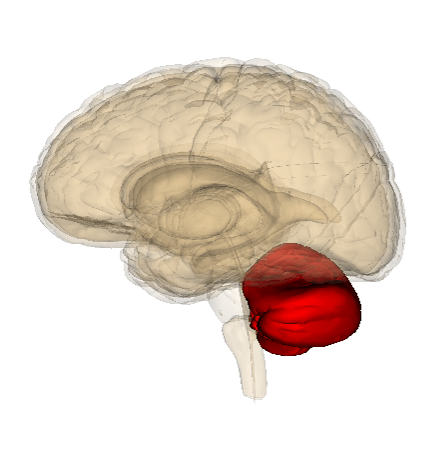

This part of the brain controls motivational behaviors such as feeding/eating and your fight-or-flight response.

What structure is GREY in this picture?
Cerebrum
Cerebellum
Brainstem
Pons
What is the role of the amygdala in the brain?
The amygdala is responsible for processing visual information.
The amygdala is responsible for controlling motor functions.
The amygdala is responsible for processing emotions and storing emotional memories.
The amygdala is responsible for regulating body temperature.
Which part of the brain is responsible for forming new memories?
cerebellum
hippocampus
pons
medulla
What happens when the hippocampus is damaged?
Improved memory and enhanced ability to form new memories.
Memory loss and difficulties in forming new memories.
Temporary memory loss and difficulties in forming new memories.
No effect on memory or ability to form new memories.
When your brain is forming new neurons, it is called _________.
A/an _________ takes pictures of soft tissues.
Your brain's ability to recover is referred to as its ________.
Which of the following activities most directly relies on the hippocampus?
navigating a physical obstacle course in gym class
memorizing the layout of your childhood neighborhood
using critical thinking skills to solve a riddle
Which lobe of the cerebral cortex is most significantly involved in activities like reading a sentence out loud, moving your arms to communicate with American Sign Language, and doing your math homework?
Parietal
Frontal
Occipital
Temporal
Your _______ is your body's information relay station. All information from your body's senses (except smell) must be processed through it before being sent to your cerebral cortex for interpretation.
corpus collasum
hippocampus
thalamus
cerebrum

