
NEW
Font size
 Worksheets
Alfred Nobel: The man behind the Nobel Pr
Total questions: 20
Worksheet time: 10mins
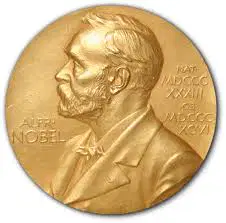
When was the Nobel Prize first awarded?
A) 1895
B) 1901
C) 1867
D) 1833
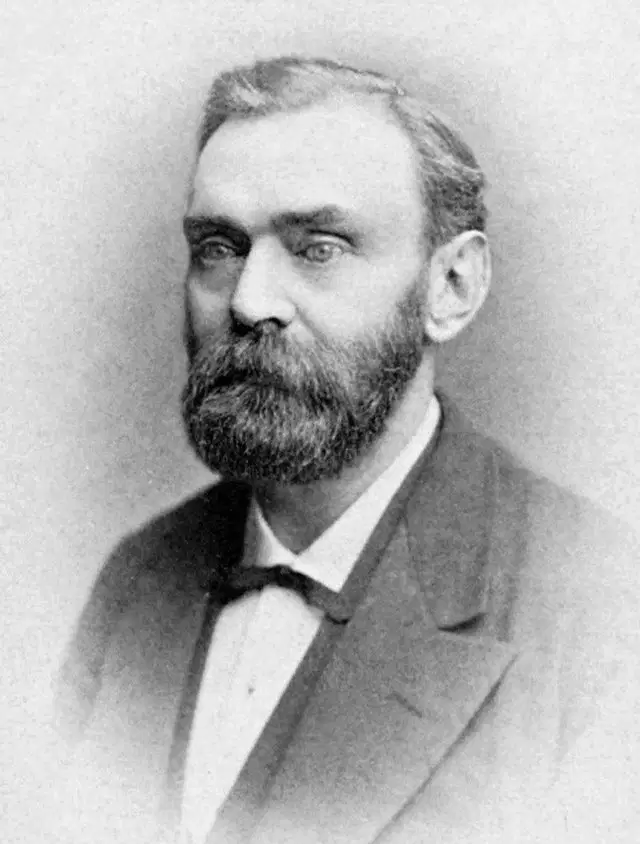
Who established the Nobel Prize?
A) Immanuel Nobel
B) Bertha von Suttner
C) Alfred Nobel
D) Ragnar Sohlman
What was Alfred Nobel's primary interest besides chemistry and physics?
A) Engineering
B) Philosophy
C) Literature and poetry
D) Politics
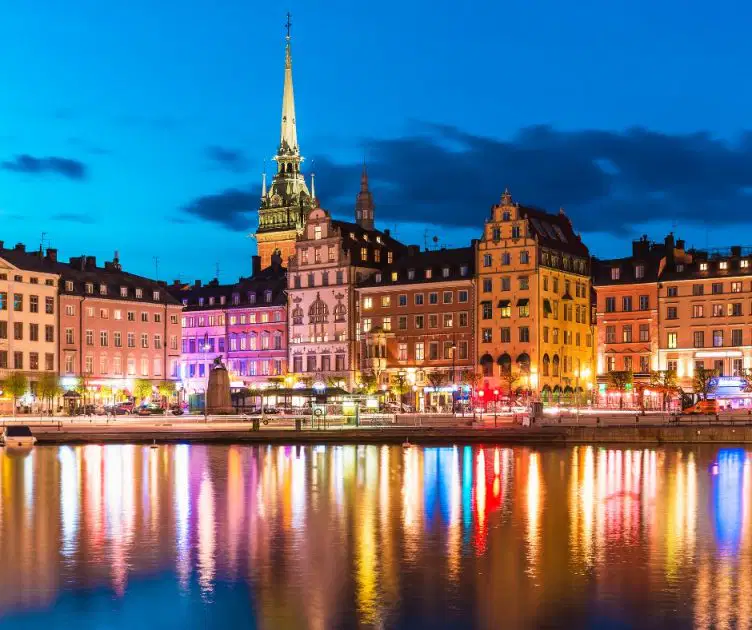
Where was Alfred Nobel born?
A) Paris
B) St. Petersburg
C) Stockholm
D) Berlin
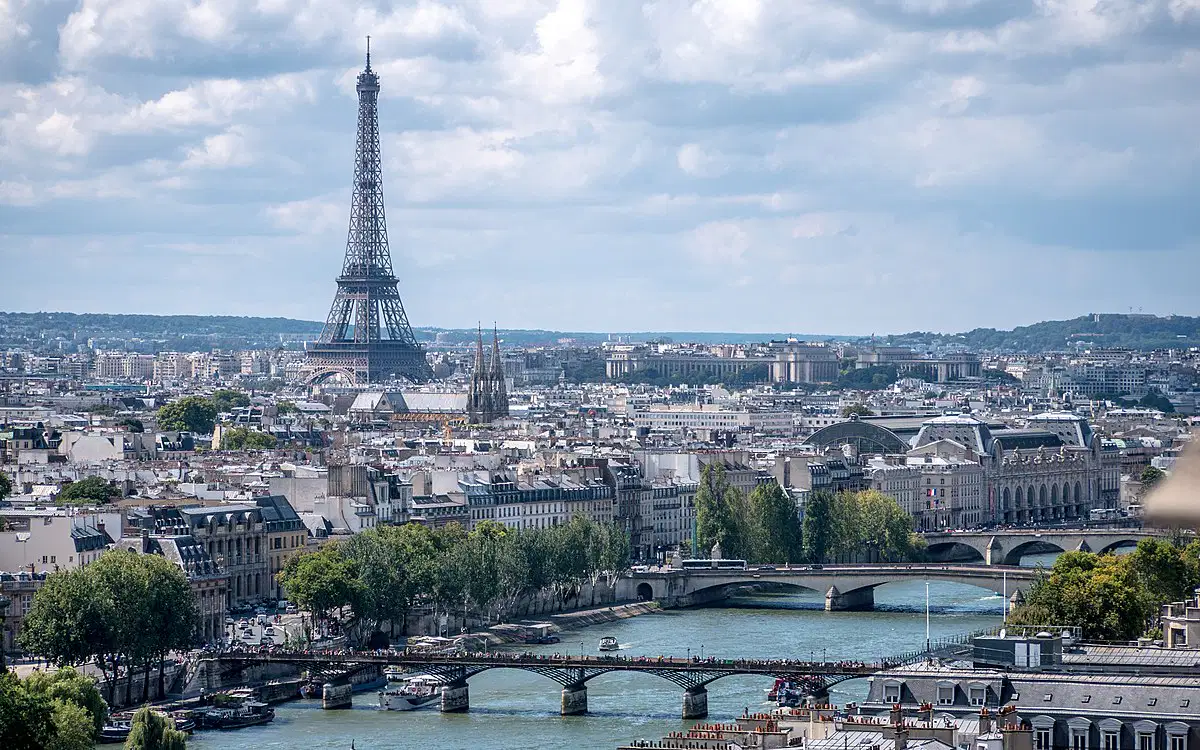
In which city did Alfred Nobel work in a private laboratory?
A) Berlin
B) Stockholm
C) Paris
D) London

What explosive did Alfred Nobel become interested in during his training?
A) Gunpowder
B) TNT
C) Nitroglycerine
D) Dynamite
What safety measure did Nobel develop for nitroglycerine?
A) A new formula
B) A detonator
C) A blasting cap
D) Mixing it with kieselguhr
What did Nobel patent in 1867?
A) Nitrocellulose
B) Dynamite
C) Synthetic rubber
D) Artificial silk
How many patents did Alfred Nobel hold by the time of his death?
A) 100
B) 250
C) 355
D) 500
Who was Countess Bertha Kinsky?
A) Nobel's business partner
B) His secretary and friend
C) His wife
D) A famous chemist
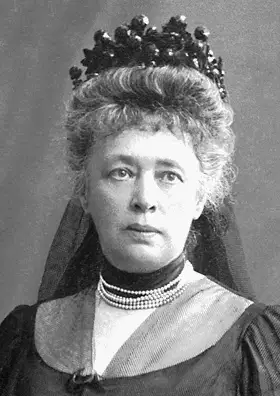
What influential book did Bertha von Suttner write?
A) The Nobel Prize and Its Legacy
B) Lay Down Your Arms
C) The Life of Alfred Nobel
D) The Dynamics of Peace

Where did Alfred Nobel die?
A) Stockholm
B) Paris
C) San Remo
D) Berlin
What was surprising about Nobel's will when it was opened?
A) It included a peace prize.
B) It left everything to his family.
C) It contained no mention of science.
D) It was written in multiple languages.
Who were the executors of Alfred Nobel's will?
A) Bertha von Suttner and Immanuel Nobel
B) Ragnar Sohlman and Rudolf Lilljequist
C) Albert Einstein and Marie Curie
D) His brothers
What did Nobel's inventions drastically reduce the cost of?
A) Manufacturing explosives
B) Blasting rock and construction work
C) Traveling
D) Education
What character trait did Alfred Nobel possess that influenced his views on peace?
A) Introversion
B) Radical views
C) Greed
D) Indifference
Which of the following is NOT one of the categories for which the Nobel Prize is awarded?
A) Physics
B) Literature
C) Biology
D) Peace
What role did Alfred Nobel's father play in his life?
A) He discouraged his interests in poetry.
B) He was a famous writer.
C) He was a chemist.
D) He managed Nobel's factories.
How did Alfred Nobel's travels influence his education?
A) He stopped studying entirely.
B) He learned only about explosives.
C) He received a broader education in various fields.
D) He focused solely on business.
What was one of the difficulties faced by the executors of Nobel's will?
A) They had no financial resources.
B) The will was contested by relatives.
C) They could not find a suitable location for the prize ceremony.
D) They disagreed on the prize categories.

