
 Worksheets
5th AOT Cycle 2 Review
Total questions: 38
Worksheet time: 40mins
The process of analyzing and evaluatiing information to form a reasoned judgment is called?
Opinion
Convergent
Divergent
Critical Thinking
Metacognition

A capability that can be developed and improved through practice and learning is called?
Skill
Opinion
Metacognition
Divergent

How can you develop critical thinking skills? Choose THREE.
Reflecting
Asking Questions
Solving Problems
Asking your best friend
Going to the park

(a) thinking involves exploring many possible solutions or ideas.
(a) thinking involves narrowing down options to find the best or most logical solution.

Your class is helping to design a new community park near the school. You brainstorm adding a climbing wall, splash pad, zip line, and obstacle course. Is your approach convergent or divergent thinking?
Convergent Thinking
Divergent Thinking
Both convergent and divergent thinking
None

After considering all the new video game releases of the year, Peter decides to buy Astro Bot so that he can play it on his PS5. Is this approach convergent or divergent thinking?
None
Divergent thinking
Convergent thinking
Both convergent and divergent
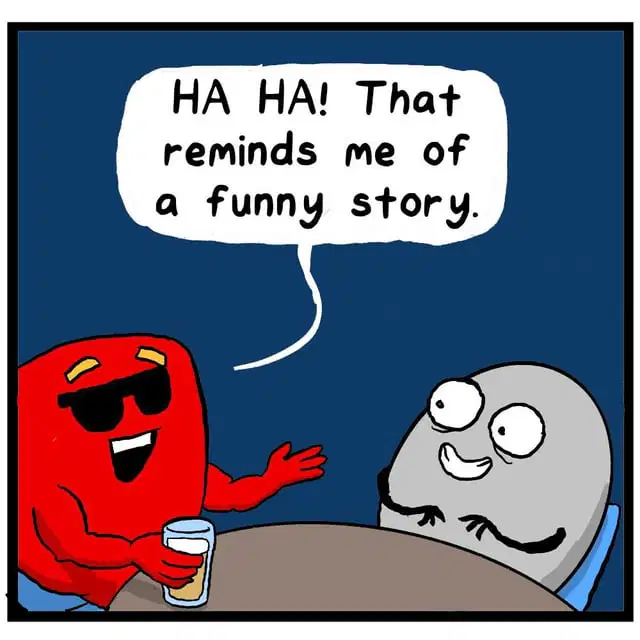
To help with a decision about what to eat for lunch, your friend told a story about the cheeseburgers always being dry with no sauce. What kind of evidence is this?
Empirical
Anectodal
Factual
Testimonial

(a) thinking is making decisions based on feelings and emotions.

“I studied really hard, and this is so unfair! Maybe the teacher doesn’t like me, and that’s why I got a bad grade.” This is an example of what kind of thinking?
Logical thinking
Factual thinking
Emotional thinking
Scientific thinking

“I received a 70% on the test. I should review the material I struggled with and ask the teacher for feedback.” This is an example of what kind of thinking?
Scientific thinking
Expert thinking
Emotional thinking
Logical thinking
(a) thinking is making decisions based on facts, evidence, and reasoning.
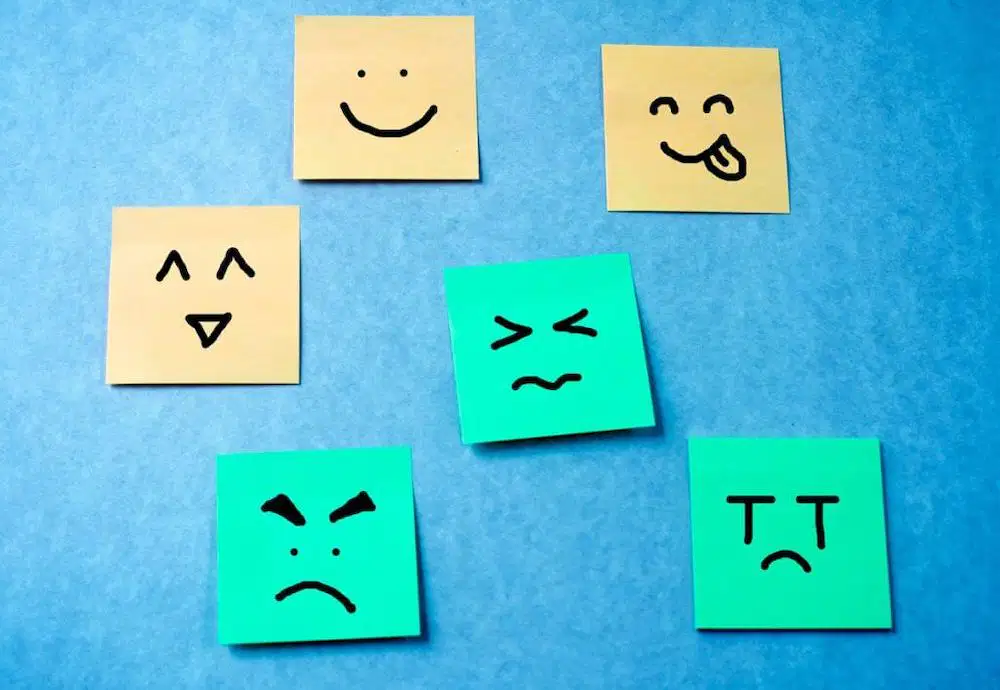
“My parents said I have to clean my room before I can go play with my friends, and they are always ruining my plans.” What kind of thinking is this?
Logical thiking
Emotional thinking
Factual thinking
Great thinking

Betty is about to graduate 5th grade and to attend the graduation ceremony, she will be wearing her best Halloween costume. This action is?
Ok. You can wear anything to your graduation ceremony
Out of context. Graduation ceremony is not the place to wear Halloween costumes
Funny. All her friends and parents are going to be amused and happy.
Ok. She is trying to be different than everybody else.

"I’ve been practicing my dribbling and shooting. I should just give it a try! Even if I don’t make the team, I can still have fun and learn more about basketball." What kind of thinking is this?
Empirical thinking
Emotional thinking
Logical thinking
Deep thinking
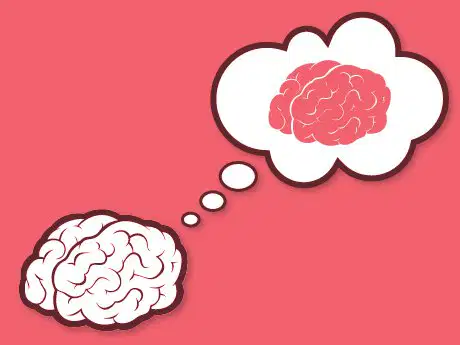
Thinking about and managing your own thinking and learning process. This is called? Type your answer.
(a)
Select the metacognitive question.
My brother is 5.
I am hungry and I want to eat now.
I wonder what can I do to improve my soccer skills and be a better player.
I am sleepy.

What would be the first metacognitive question you need to ask yourself When you are trying to understand a new topic?
Can I ask for help?
What strategies worked well for me and what did not?
What do I already know about this topic?
This is very challenging

(a) problems are issues that people have different and strong opinions about. They generally don't easily agree on a solution.

Your local community is debating whether to redesign a popular park. The proposed changes includes a new sports area. However, some community members are concerned that these changes may disrupt local wildlife. What is the first metacognitive question you should ask about this topic?
I don't like when people don't agree.
Why don't they build the park in a different place?
Why do people have problems?
What do I already know about this topic?
Someone willing to consider new ideas and listen to others and try new things is considered (a) -minded.

Select the open-minded approach to trying new foods. Select TWO.
Ew, that looks disgusting. I will never try sushi.
I am excited to try sushi. I may love it.
I don't think that food is for me.
I have never had sushi before but it looks interesting.

A (a) -minded person is unwilling to consider new ideas and or try new things.
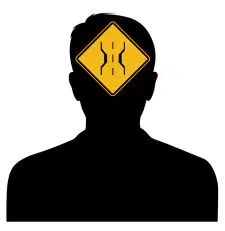
"I don’t want that! It looks weird and I’ve never heard of it. I only eat burgers and fries, and nothing else will be good." This approach is?
Never-Minded
Open-Minded
Narrow-Minded
Easy-Minded
Categorize the Open-minded and Narrow-minded options
Improved frienships
Better teamwork
Better Decisions
Adapt to change
Conflict with peers
Fear of new things
No teamwork
Limited learning

Events or situations that shape how a person thinks and reacts. Type your answer.
(a)
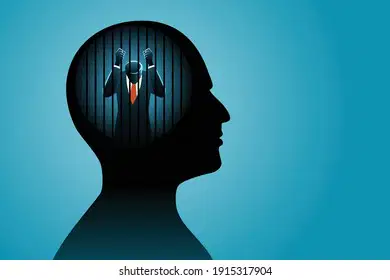
What is a common behavior of narrow-minded people regarding change?
They embrace new ideas
They encourage flexibility in all of their routines
They seek out different opinions and thoughts
They resist change and stick to stablished beliefs.

A conclusion reached based on available evidence and schema rather than explicit statements. Type your answer.
(a)

What are the two components of an inference. Select TWO.
Evidence
Schema
Conclusion
Guess
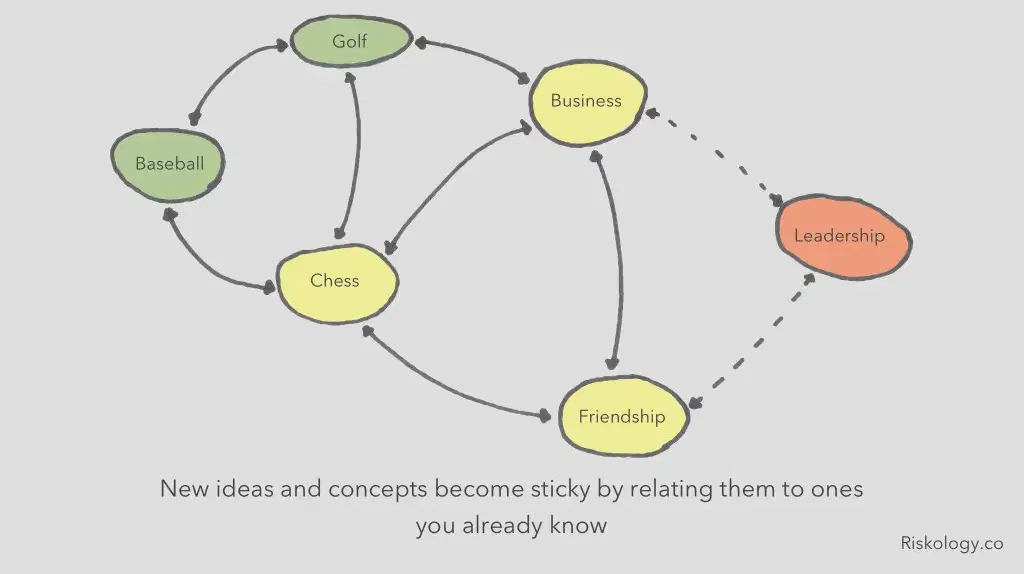
It is a mental framework that helps us organize information in our brains. It is how we connect what we already know about a topic with new information we learn.
(a)
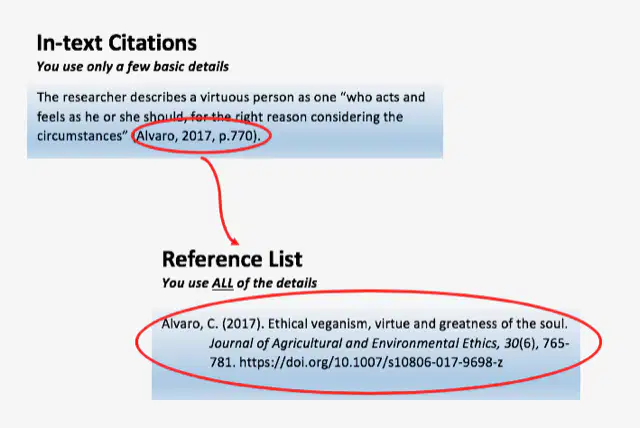
Jade’s teacher asked her to cite evidence with her inferences. Which is an example of citing evidence?
Jade can consider learning new ideas
Jade an be open to other people's opinions
Jade can make an educated guess
Jade can refer to specific information from the text

Sufficiency means to have (a) evidence to support a claim or a conclusion.
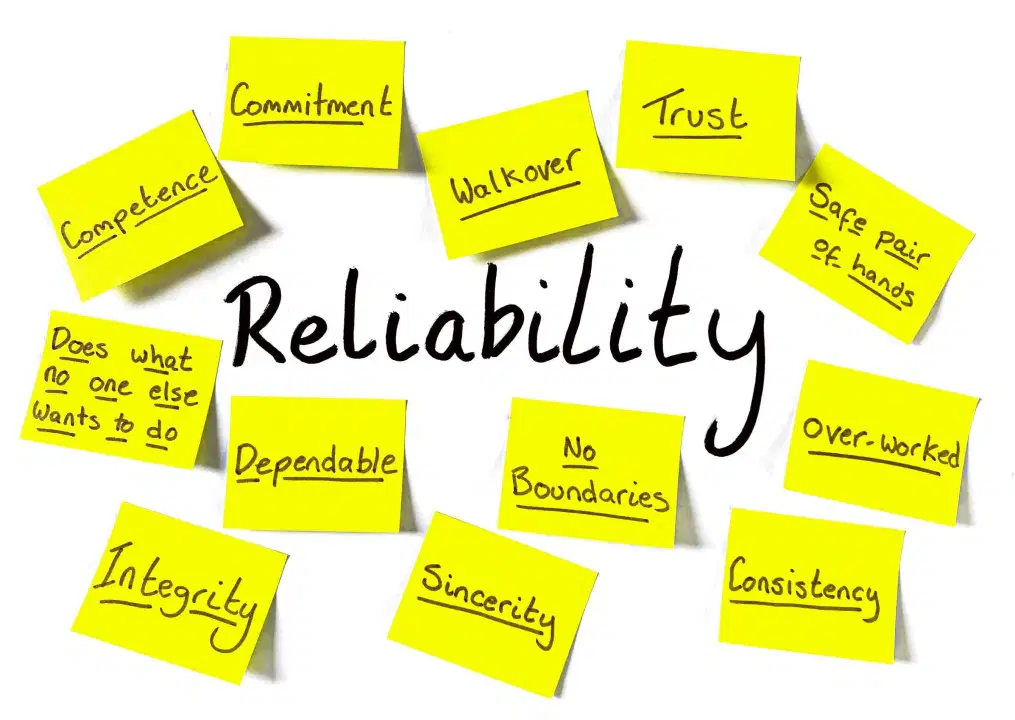
What is an example of a reliable source? Select TWO.
Wikipedia
National Geographic Magazine
Mr. Beast Youtube channel
A peer-reviewed science paper
Your friends diary

What is the best definition of Information Literacy?
The ability to find, evaluate and use information effectively
How closely related is the article to the conclusion
Having enough evidence to support your claim
The reliability of the source
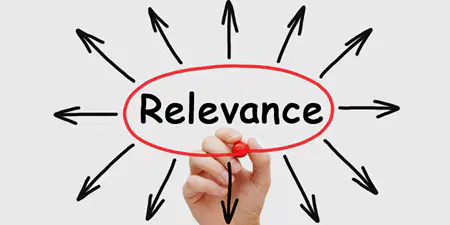
What is the best definition of relevance?
The level of trust or reliability
Having enough evidence to back up your claim
The ability to search, evaluate and use information
How the evidence connects to the argument or the conclusion

What should you check when evaluating the information in a source?
Any bias present in the information
The number of pictures in the source
The popularity of the author
The lenght of the text
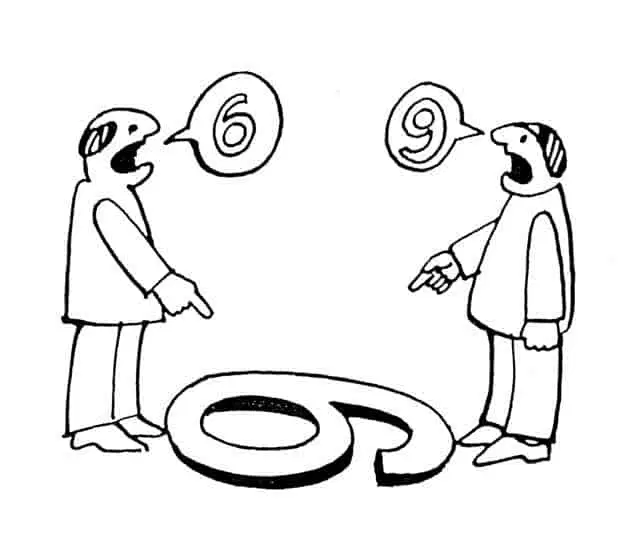
(a) is a particular attitude of way of viewing something based on experiences or background.

A tendency to favor one thing, person, or group compared with another, usually in a way considered unfair. Type your answer.
(a)

