
 Worksheets
Energetics Summary
Total questions: 24
Worksheet time: 16mins
Photosynthesis
process used by plants and other organisms to convert light energy into chemical energy
synthesis of organic compounds by bacteria or other living organisms using energy derived from reactions involving inorganic chemicals
metabolic pathway that uses glucose to produce adenosine triphosphate (ATP)
chemical breakdown of a substance by bacteria, yeasts, or other microorganisms, typically involving effervescence and the giving off of heat
Chemosynthesis
process used by plants and other organisms to convert light energy into chemical energy
synthesis of organic compounds by bacteria or other living organisms using energy derived from reactions involving inorganic chemicals
metabolic pathway that uses glucose to produce adenosine triphosphate (ATP)
chemical breakdown of a substance by bacteria, yeasts, or other microorganisms, typically involving effervescence and the giving off of heat
Cellular Respiration
process used by plants and other organisms to convert light energy into chemical energy
synthesis of organic compounds by bacteria or other living organisms using energy derived from reactions involving inorganic chemicals
metabolic pathway that uses glucose to produce adenosine triphosphate (ATP)
chemical breakdown of a substance by bacteria, yeasts, or other microorganisms, typically involving effervescence and the giving off of heat
Fermentation
process used by plants and other organisms to convert light energy into chemical energy
synthesis of organic compounds by bacteria or other living organisms using energy derived from reactions involving inorganic chemicals
metabolic pathway that uses glucose to produce adenosine triphosphate (ATP)
chemical breakdown of a substance by bacteria, yeasts, or other microorganisms, typically involving effervescence and the giving off of heat
Calvin Cycle
series of chemical reactions that occurs as part of the dark reactions of photosynthesis
series of chemical reactions to release stored energy through the oxidation of acetyl-CoA derived from carbohydrates, fats, and proteins
organic compound that provides energy to drive many processes in living cells
linear network of links in a food web starting from producer organisms and ending at an apex predator species, detritivores, or decomposer species
Kreb Cycle
series of chemical reactions that occurs as part of the dark reactions of photosynthesis
series of chemical reactions to release stored energy through the oxidation of acetyl-CoA derived from carbohydrates, fats, and proteins
organic compound that provides energy to drive many processes in living cells
linear network of links in a food web starting from producer organisms and ending at an apex predator species, detritivores, or decomposer species
ATP
series of chemical reactions that occurs as part of the dark reactions of photosynthesis
series of chemical reactions to release stored energy through the oxidation of acetyl-CoA derived from carbohydrates, fats, and proteins
organic compound that provides energy to drive many processes in living cells
linear network of links in a food web starting from producer organisms and ending at an apex predator species, detritivores, or decomposer species
Food Chain
series of chemical reactions that occurs as part of the dark reactions of photosynthesis
series of chemical reactions to release stored energy through the oxidation of acetyl-CoA derived from carbohydrates, fats, and proteins
organic compound that provides energy to drive many processes in living cells
linear network of links in a food web starting from producer organisms and ending at an apex predator species, detritivores, or decomposer species
Trophic Pyramid
graphical representation, showing the flow of energy at each level in an ecosystem
an organism that eats other plants or animals for energy and nutrients
an organism that can produce its own food using light, water, carbon dioxide, or other chemicals
organism, especially a soil bacterium, fungus, or invertebrate, that breaks down organic material
Heterotroph
graphical representation, showing the flow of energy at each level in an ecosystem
an organism that eats other plants or animals for energy and nutrients
an organism that can produce its own food using light, water, carbon dioxide, or other chemicals
organism, especially a soil bacterium, fungus, or invertebrate, that breaks down organic material
Autotroph
graphical representation, showing the flow of energy at each level in an ecosystem
an organism that eats other plants or animals for energy and nutrients
an organism that can produce its own food using light, water, carbon dioxide, or other chemicals
organism, especially a soil bacterium, fungus, or invertebrate, that breaks down organic material
Decomposer
graphical representation, showing the flow of energy at each level in an ecosystem
an organism that eats other plants or animals for energy and nutrients
an organism that can produce its own food using light, water, carbon dioxide, or other chemicals
organism, especially a soil bacterium, fungus, or invertebrate, that breaks down organic material
Omnivore
an organism that eats food of both plant and animal origin
an organism that feeds on flesh
an organism that feeds on plants
an organism which feeds on dead organic material
Carnivore
an organism that eats food of both plant and animal origin
an organism that feeds on flesh
an organism that feeds on plants
an organism which feeds on dead organic material
Herbivore
an organism that eats food of both plant and animal origin
an organism that feeds on flesh
an organism that feeds on plants
an organism which feeds on dead organic material
Detrivore
an organism that eats food of both plant and animal origin
an organism that feeds on flesh
an organism that feeds on plants
an organism which feeds on dead organic material
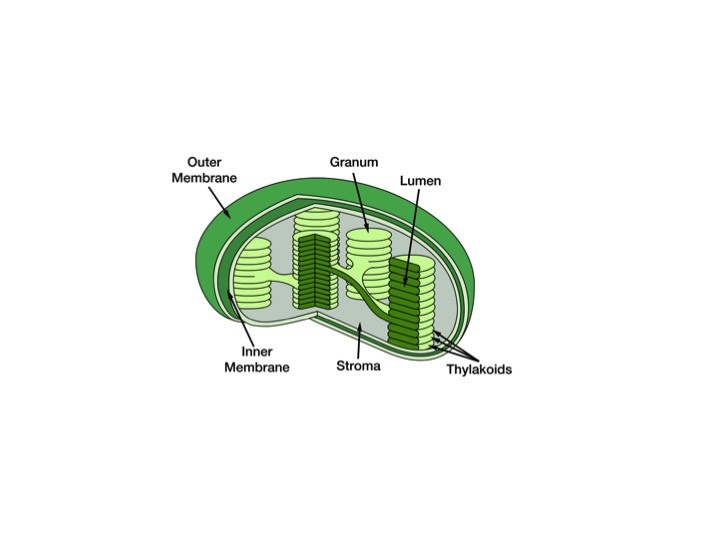
Chloroplasts are...
Structures of animal cells to produce ATP
Organelles where lipids are elaborated
Organelles in plant cells where photosynthesis takes place
Waste organelle of plants
Which of the following is the correct equation for PHOTOSYNTHESIS?
6CO2 + light + 6H2O --> 6O2 + Sugar
6CO2 + sugar + H2O --> 6O2 + light
O2 + light + H2O --> 6CO2 + Sugar
CO2 + 6O2 + H2O --> Light+ Sugar
Cellular respiration is considered an "__________" process when it requires oxygen.
Aerobic
Anaerobic

What is the energy transformation that occurs in photosynthesis?
Light energy to Chemical energy
Light energy to Electrical energy
Chemical energy to Light Energy

