
Font size
 Worksheets
Final Exam - Quarter 1- 7th Grade
Total questions: 45
Worksheet time: 33mins
State of matter with a definite shape and definite volume.
solid
liquid
gas
State of matter with a definite volume, but no definite shape.
solid
liquid
gas
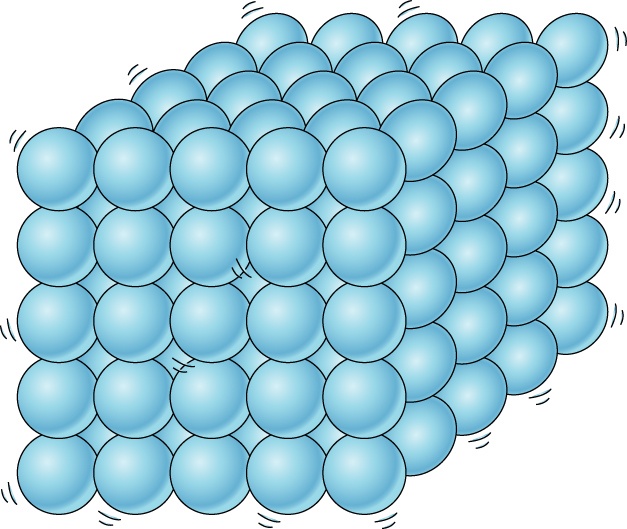
What state of matter?
Solid
Liquid
Gas
Plasma!!!

What state of matter are the particles moving the fastest and are farthest apart?
Solid
Liquid
Gas
In this state of matter the particles are "tightly packed" together and don't move
Liquid
Solid
Gas
This state of matter the particles "slip past" each other and take the shape of it's container
Solid
Gas
Liquid
Below 32 degrees Fahrenheit is the ____________ of water (Fill in blank)
Freezing
Melting
Boling
Water forming on the bathroom mirror after taking a shower is considered what? (Gas to a Liquid)
Evaporation
Precipitation
Condensation
Infiltration
In order to get water in a solid form (Ice) to melt into a liquid (Water) what must be added to it?
Matter
Cold
Heat
Cheese
When heat is added to particles what happens?
They move quickly
They slow down
No Change
In which state of matter are the particles furthest apart?
gas
solid
liquid
It is the amount of matter in an object.
volume
mass
weight
density
It refers to the space that matter occupies.
volume
mass
weight
density
Which of the following determines an object’s ability to float in water?
volume
mass
weight
density
Matter is
Anything that has volume
Anything that has mass
Anything that has mass and volume
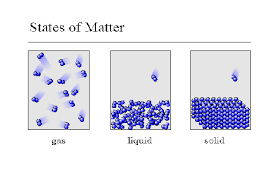

Freezing
Solid to gas
Liquid to solid
Gas to solid

Boiling
liquid to gas
gas to solid
gas to liquid
The slower the particles in a substance move,
the colder it is.
the warmer it is.
the more energy it has.
Liquid to Gas
Condensation
Evaporation
Sublimation
What happens to particles when their temperature increases?
The particles move slower
The particles move faster
The particles lose mass
The particles gain mass
The amount of space something takes up is its...
Mass
Volume
Thermal Energy
Temperature
How many states of matter are there?
2
3
4
5

Bobby is investigating magnets. He wants to find out whether a magnet can pick up a paper clip through paper, glass, and other materials.
He may not remember what materials he tested.
No one will be able to understand his hypothesis.
His results won’t be accurate.
Someone else can replicate the experiment to check his results.
sharpening a pencil
physical change
physical property
chemical change
chemical property
inflating a tire
physical change
physical property
chemical change
chemical property
corrosion (rusting) of a bicycle frame
physical change
physical property
chemical change
chemical property
a burning candle
physical change
physical property
chemical change
chemical property
a change of one substance to another
physical change
physical property
chemical change
chemical property
milk going sour
physical change
physical property
chemical change
chemical property

The particles in a solid are...
loose and have high energy
tightly packed and have very little energy
move freely and have lots of energy
I dont know Ms. Turner, I didnt take notes
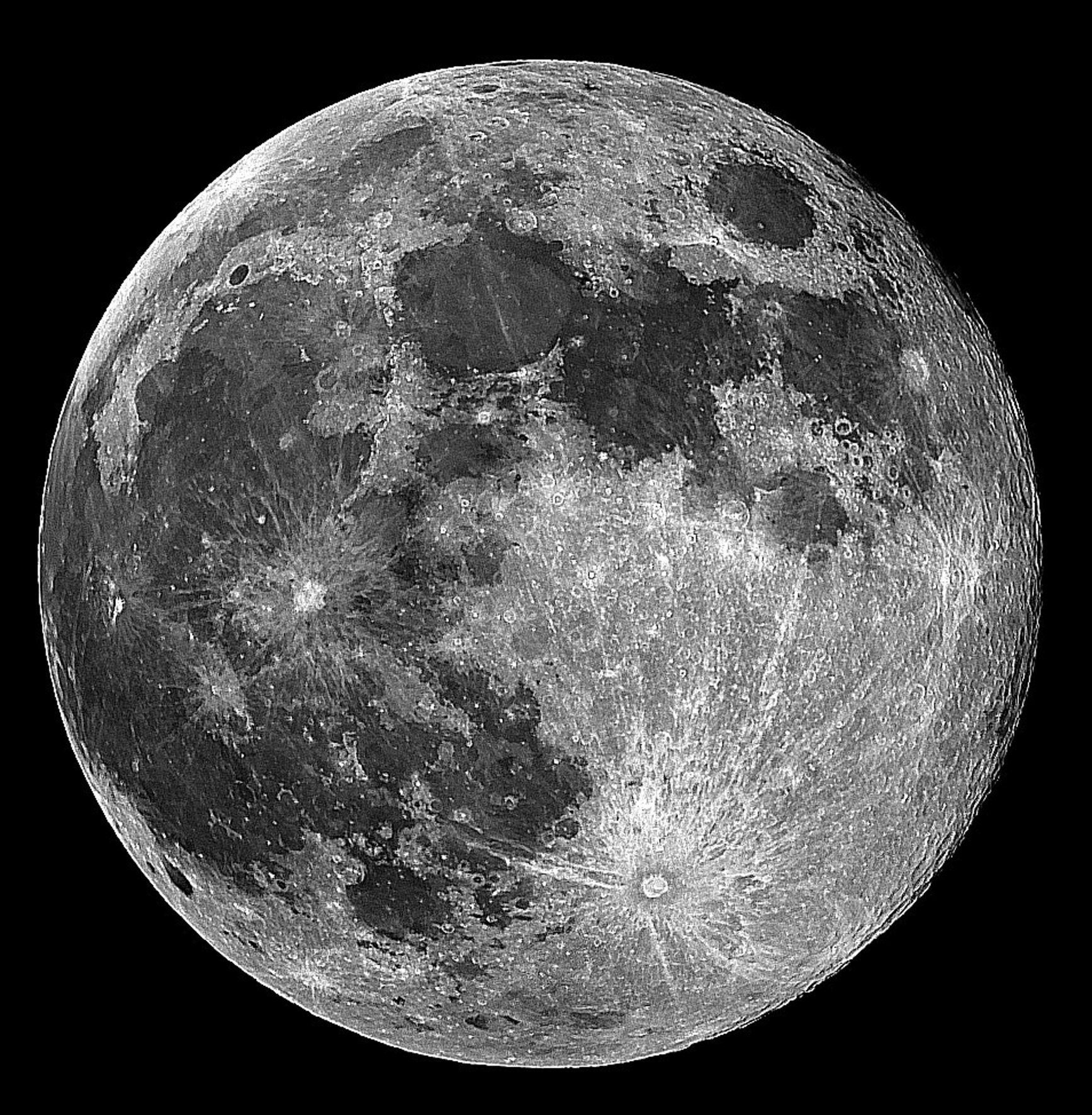
Select all of the following examples that are chemical changes (a) (b) (c)
boiling water
physical change
physical property
chemical change
chemical property



