
 Worksheets
Quest #2
Total questions: 31
Worksheet time: 16mins
Name
Class
Date
1.

Which factor was NOT strength for the British at the beginning of the American Revolution?
a)
The British government was powerful and organized
b)
The British army was the best trained, equipped, and experienced army in the world
c)
The war would be fought on land the Americans were defending and knew well
d)
King George III was able to hire 30,000 mercenaries from other European nations
2.
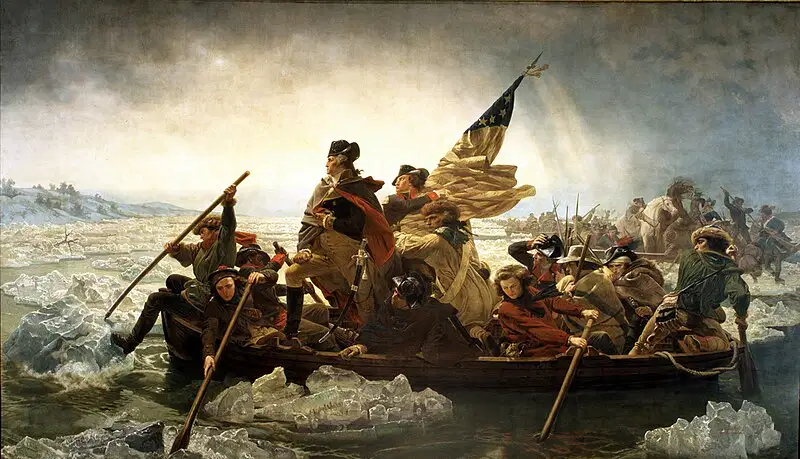
After suffering defeat in New York, Washington made a bold move and attacked Hessian and British soldiers at these two Battles in the winter of 1776.
a)
Brandywine Creek and Brooklyn Heights
b)
Camden and Cowpens
c)
Bunker Hill and Saratoga
d)
Trenton and Princeton
3.

Who was the leader of the Sharpshooter division in the North that helped win the Battle of Saratoga?
a)
John Burgoyne
b)
Simon Frasier
c)
George Washington
d)
Daniel Morgan
4.

How did the Battle of Saratoga impact the American Revolution?
a)
General Burgoyne won a massive victory in the North
b)
The American forces defeated Burgoyne and France agreed to support the U.S.
c)
General Howe was forced to retreat to Philadelphia
d)
General Cornwallis was forced to retreat to Yorktown
5.

What was the name of the young soldier we read about in 'The Young Patriot' and saw in America the Story of Us at Valley Forge?
a)
Francis Marion
b)
John Locke
c)
Joseph Plumb Martin
d)
Jean Jacques Rousseau
6.

What disease did George Washington have his soldiers inoculated for at Valley Forge?
a)
Small Pox
b)
Influenza
c)
Measels
d)
Scurvy
7.
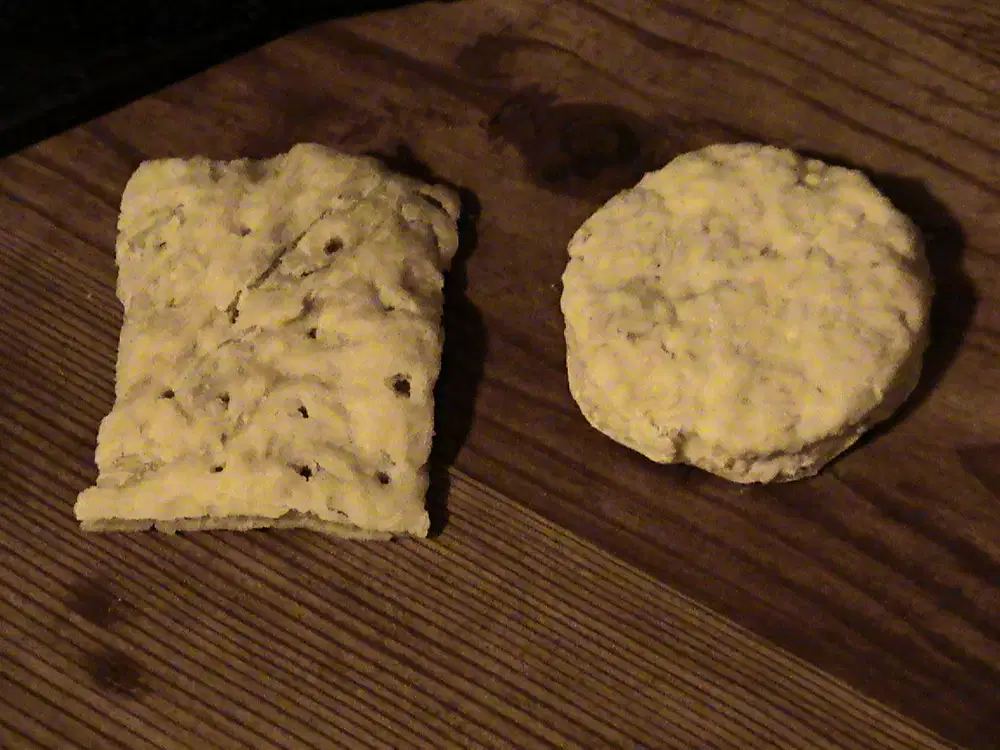
What was the name of the 'snack' soldiers ate during the Revolution?
a)
Water bread
b)
Fire cookie
c)
Fire cake
d)
Flour water
8.

What new weapon did Baron Von Steuben teach the Colonists to use with great skill at Valley Forge?
a)
bayonets
b)
rifled muskets
c)
cannons
d)
fire cake
9.

Which Patriot wrote The Crisis inspiring many people to support the American Revolution?
a)
George Washington
b)
Thomas Paine
c)
Thomas Jefferson
d)
Francis Marion
10.

Which was NOT a role women played in the American Revolution?
a)
Espionage (spies)
b)
Wrote letters supporting Independence
c)
Loading weapons and caring for injured soldiers
d)
Enlisting as soldiers to fight the British in huge numbers
11.

After the winter at Valley Forge, Washington's army was able to stand their ground against British soldiers at the Battle of Monmouth.
a)
True
b)
False
12.

Which Patriot was nicknamed the "Swamp Fox" by using Guerilla Warfare against British troops in the South?
a)
John Paul Jones
b)
Francis Marion
c)
Baron Steuben
d)
Daniel Morgan
13.
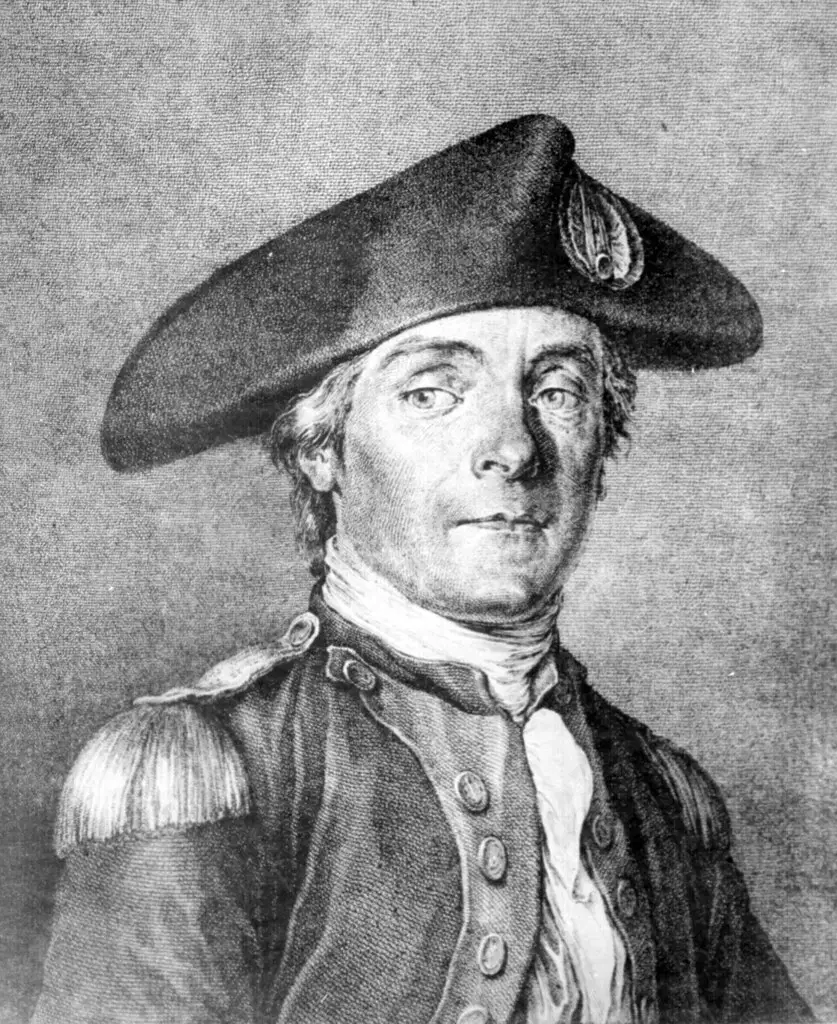
Which famous American Captain was able to defeat and capture the Serapis off the coast of Great Britain?
a)
John Paul Jones
b)
Daniel Morgan
c)
Alexander Hamilton
d)
Francis Marion
14.
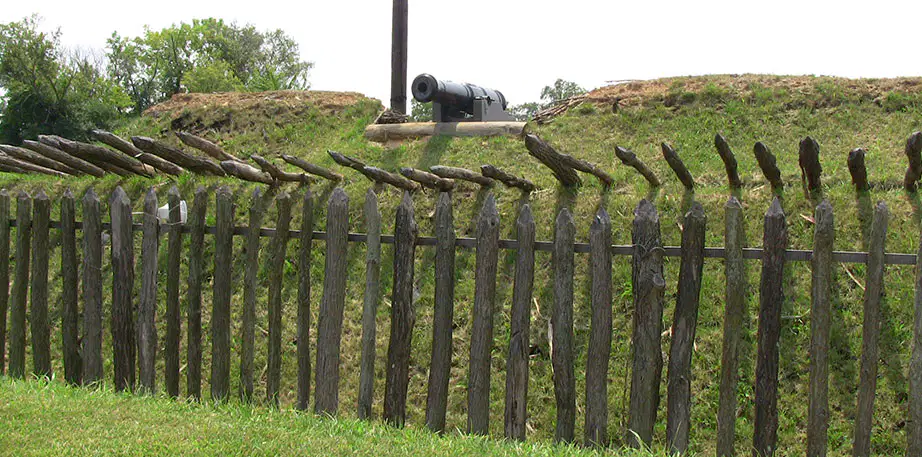
What type of defensive fortification is pictured here?
a)
Cavalry
b)
Redoubt
c)
Bayonet
d)
Infantry
15.

Which of the following was the final battle of the American Revolution?
a)
The Battle of Trenton
b)
Siege of New York
c)
Siege of Yorktown
d)
The Battle of Cowpens
16.
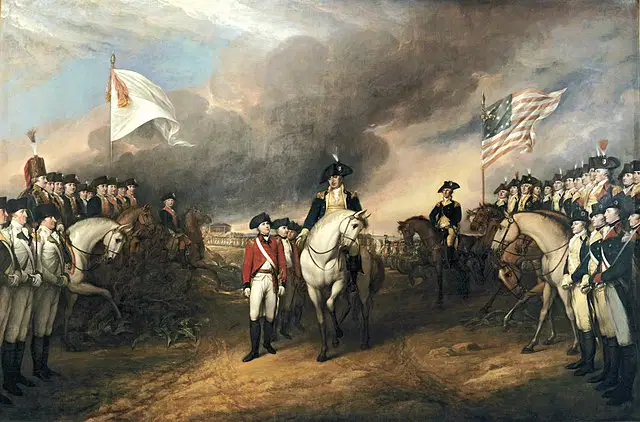
Why was General George Washington able to defeat General Cornwallis in the final battle of the American Revolution?
a)
He tricked General Clinton in New York with fake battle orders and bakeries.
b)
The French Naval fleet defeated the British fleet at the Battle of Virginia Capes.
c)
Cornwallis could not escape by river because of harsh weather and a lack of boats.
d)
All of the above
17.

About how many Colonists died fighting in the American Revolution
a)
10,000
b)
25,000
c)
50,000
d)
100,000
18.
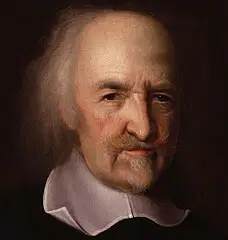
Thomas Hobbs believed that people were naturally good and did not need a strong ruler.
a)
True
b)
False
19.
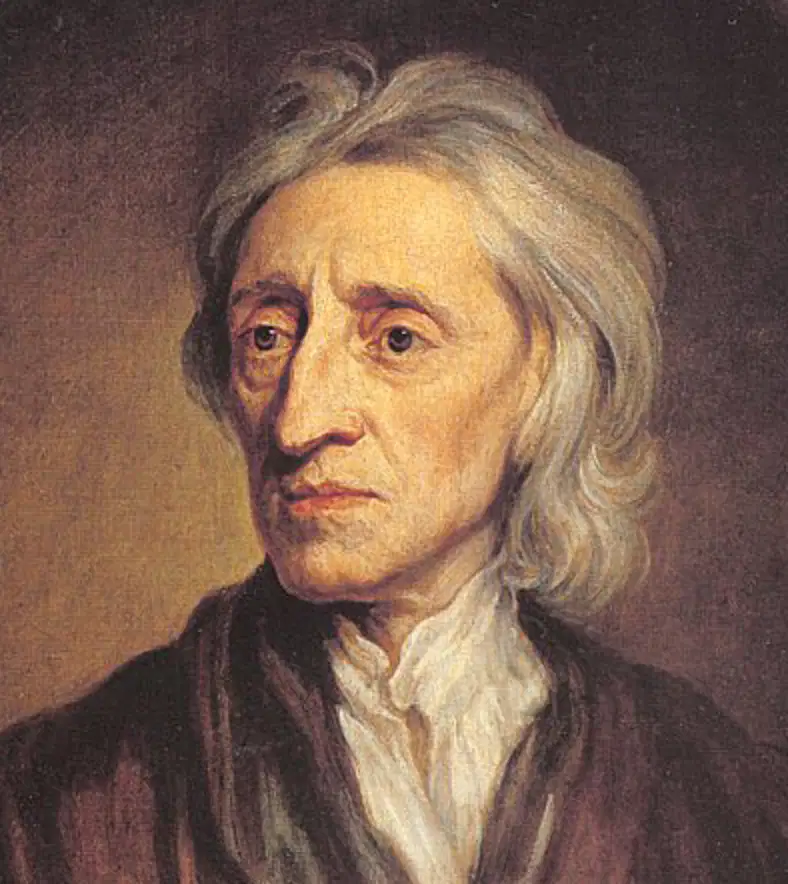
Which Enlightenment Philosopher believed the government should protect citizens natural rights?
a)
Locke
b)
Montesquieu
c)
Rousseau
d)
Voltaire
20.
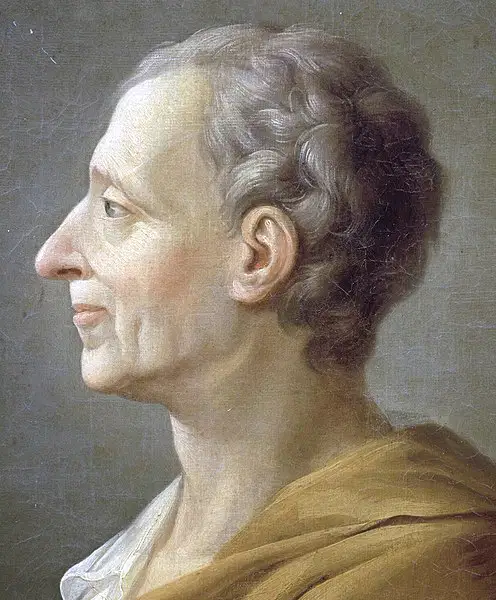
Which Enlightenment Philosopher called for Separation of Powers between three branches of government?
a)
Locke
b)
Montesquieu
c)
Rousseau
d)
Voltaire
21.
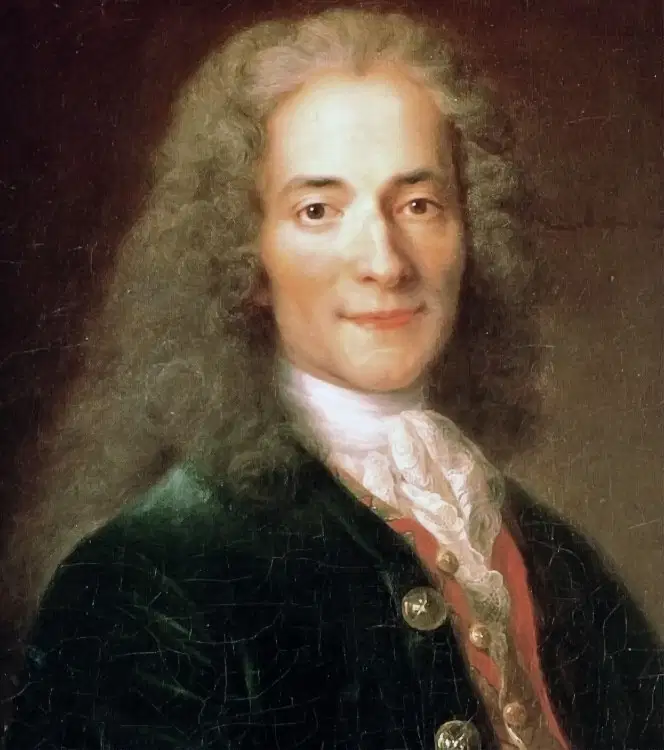
Which Enlightenment Philosopher believed in the Separation of Church and State?
a)
Locke
b)
Montesquieu
c)
Rousseau
d)
Voltaire
22.
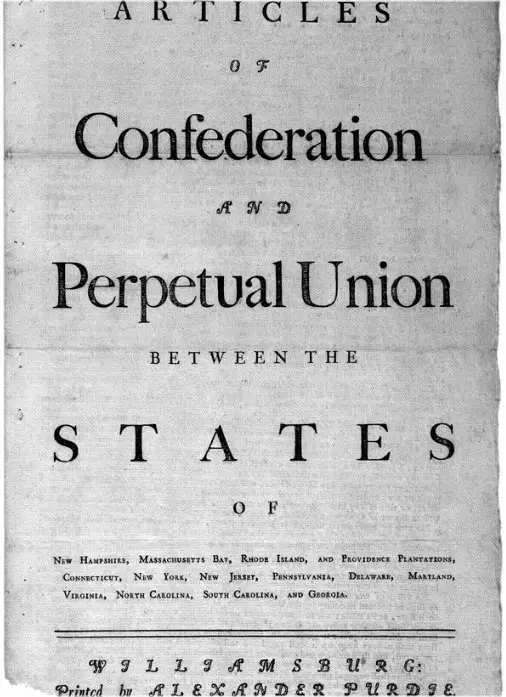
Which of the following is the greatest strength of the Articles of Confederation?
a)
The President was given the power to declare war.
b)
Foreign trade was decreased.
c)
A strong federal court system was first established.
d)
Colonists gained more land through a series of laws.
23.
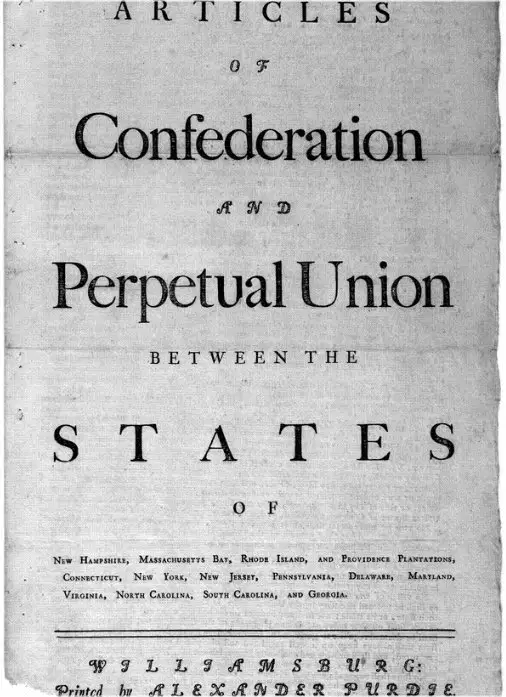
Which of the following is considered a weakness of the Articles of Confederation?
a)
Congress had no power to tax the states.
b)
All states had to agree if they wanted to make changes.
c)
There was no chief executive power, like a President.
d)
All of the above are weaknesses.
24.
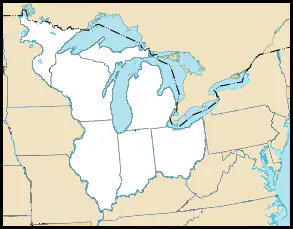
Which Ordinance helped to create the state of Michigan?
a)
Northwest Ordinance
b)
Big Ten Ordinance
c)
Northeast Ordinance
d)
Midwest Ordinance
25.
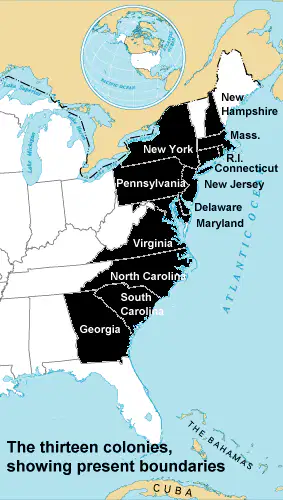
During the Confederation years, the states could best be described as a "league of _______________.
a)
independence
b)
friendship
c)
justice
d)
congress
26.
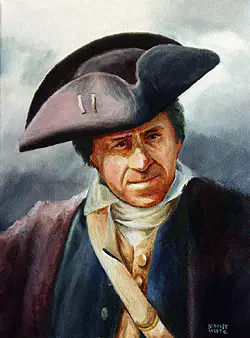
Who was Daniel Shays?
a)
A Revolutionary War hero
b)
A farmer from Massachusetts
c)
A man who couldn't pay his taxes.
d)
All of the above
27.
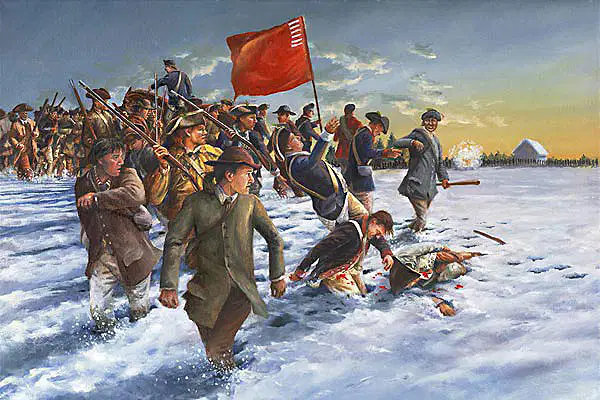
Which fight between rebel farmers and the first American government proved that the Articles were too weak?
a)
Battle of New York
b)
Citizens Revolt
c)
Shays' Rebellion
d)
Battle of Yorktown
28.
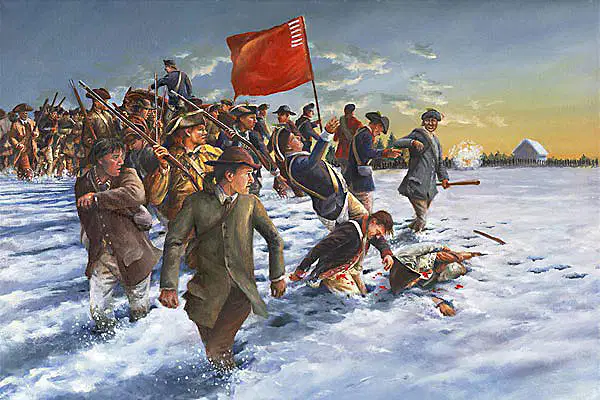
Daniel Shays succeeded in seizing the weapons at the Federal arsenal in Springfield, Massachusetts.
a)
True
b)
False
29.
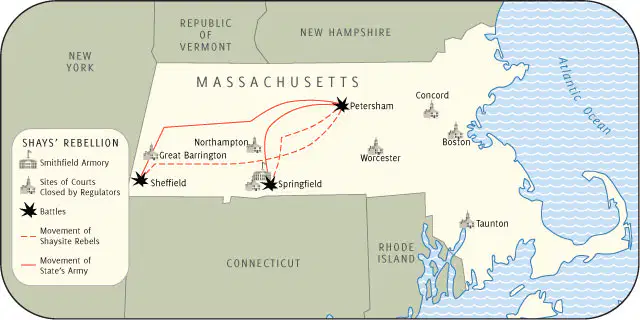
What did Shay's actions lead to?
a)
The end of high taxes in Massachusetts
b)
The burning down of the city of Boston
c)
George Washington traveling abroad and enjoying his retirement
d)
Congress calling a meeting in Philadelphia
30.

The difficulties American soldiers faced at Valley Forge included but were not limited to...
a)
Freezing cold, starvation, fighting in a foreign land, and hunting and gathering for food.
b)
Starvation, freezing cold, hunting and gathering for food, little/no supplies, diseases, and poor shelter.
c)
Little/no supplies, starvation, horses dying, poor leadership, and missing family.
d)
Hunting and gathering for food, poor shelter, freezing cold, different languages.
31.
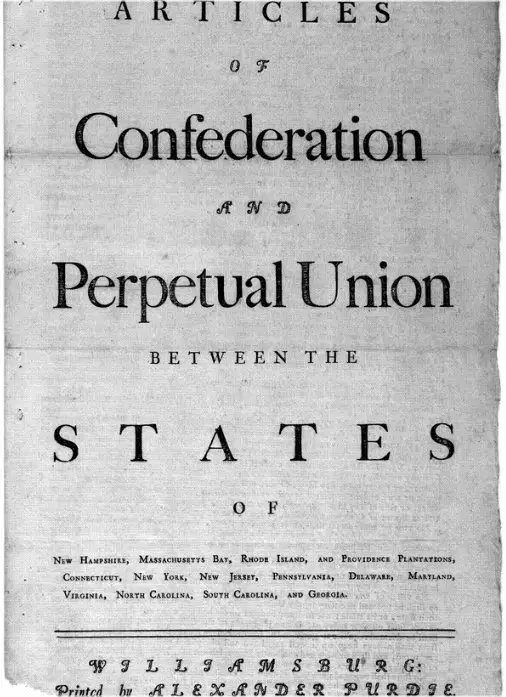
The weaknesses of the Articles of Confederation were all of the following EXCEPT...
a)
No court system
b)
No authority to deal with national problems
c)
No central leader
d)
No power in the states' governments
e)
No power to collect taxes
100 %

