
 Worksheets
Greek Civilization Review #2
Total questions: 58
Worksheet time: 29mins
What leader unified the Greek city-states in 337 B.C.?
What individual was the father of history who wrote about the Persian Wars?
What two Greek city-states rivaled each other that caused the Peloponnesian Wars?

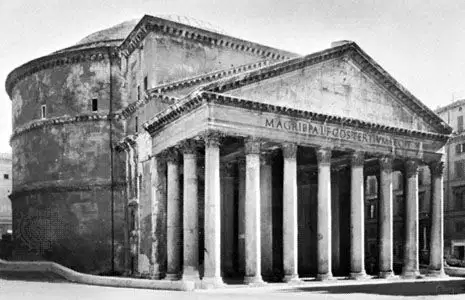
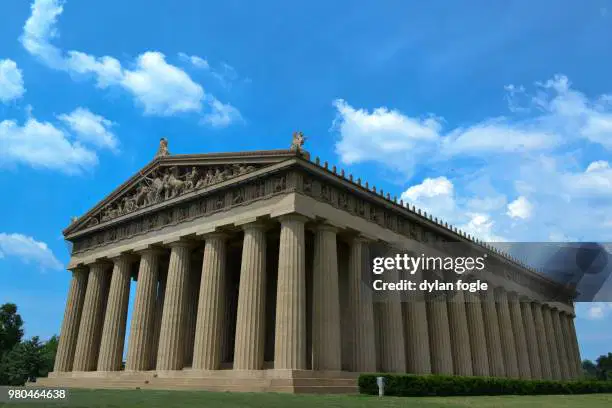
In what city-state is this structure located?
Athens
Sparta

What type of column is this?
Ionic
Corinthian
Doric
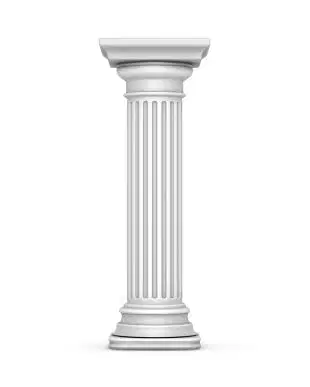
What type of Greek column is featured?
Corinthian
Doric
Ionic
In order to increase trade, commerce, and influence, what did the Greek civilization establish?
What Athenian general led Athens through its Golden Age in the 5th Century B.C.E.?
What happened at the battle of Marathon?
What Greek mathematician came up with the Pythagorean Theorem?
What two Athenian tyrants worked for reform?
Solon and Draco
What blind poet from Asia Minor wrote the Iliad and Odyssey?
What Greek writer is called the father of tragedy?
Who was Sophocles?
How far east did Alexander the Great's empire stretch?
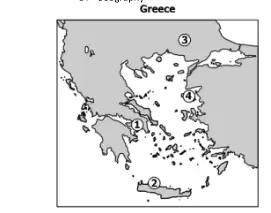
Which number represents the location of Ancient Athens?
1
2
3
4
What primary factor encouraged Greek city-states to develop different identities?
Geography
Religion
Language
Achilles' heel-Weak spot
Odyssey-Adventurous journey
Titantic-Something large and strong
Trojan horse-Device used to gain access by stealth
Which statement describes the origins of these terms?
They are events from Roman history.
They are found in Babylonian legends.
They are taken from Greek mythology.
They are actions of Egyptian gods.
The lack of arable land in Greece contributed to an economic system based on-
Shipping and trade
Manufactured goods
Agricultural production
Lumber and minerals
1.) Warfare between alliances led by Athens and Sparta
2.) Lasted nearly 30 years
3.) Ended the Golden Age of Pericles
Which event is described in the list above?
Peloponnesian War
Persian Wars
Phidias is to Sculpture as ____________ is to Medicine
Archimedes
Homer
Euclid
Hippocrates
Ancient Athens was responsible for developing which concept of government?
Elected legislatures
Direct Democracy
Written laws
What is a polis?
A fortress
A castle
A temple
A city-state
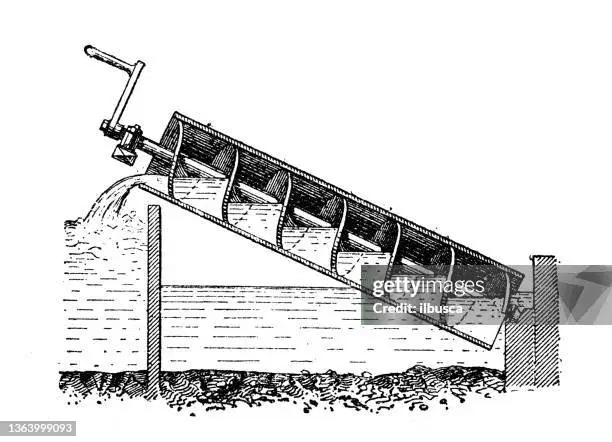
What Greek scientist is attributed to this device featured in the diagram?
What is the Socratic Method?
Which of the following was designed by Phidias and built in Athens?


The ruler of the gods and goddesses on Mount Olympus was-
The earliest Greek plays tended to be what?
Who were the Greek fathers of tragedies?
Aeschylus, Sophocles,

This map is represent the empire of-
Cyrus the Great
Hammurabi
Gengis Kahn
Alexander the Great
Draco's code of law was considered an improvement because it-
eliminated inconsistent laws and punishment
Which Athenian ruler extended democracy by ensuring that most adult males had an equal voice in government?
Why did Alexander stop his conquests before conquering India?
He stopped due to the exhaustion and reluctance of his troops and he turned them around
Athens: Democracy as ___________ is to Oligarchy
Corinth
Troy
Sparta
Rome
Who is considered to be the goddess of love and beauty?
Life in Sparta was different from life in Athens because Sparta had a militaristic society.
True
False
Ares was the god of thunder.
True
False
Athena was the goddess of wisdom and warfare.
False
True
Greek religion was polytheistic, based on mythology to explain natural events and phenomena, and their gods resembled humans and had human qualities.
True
False
Slavery was based on race in Ancient Greece.
True
False
Slavery in Greece was based on enslaved parents, debt, being captured in a war, and need to repay a loan.
False
True
What was Hera's name in Roman mythology?
Minerva
Juno
What was the Artemis's name in Roman mythology?
Diana
What alliance did Athens form during the Peloponnesian Wars?
What were the results of the Persian Wars?
What were results of the Peloponnesian Wars?
How did Marathon get its name?
The name 'Marathon' comes from the Battle of Marathon.
From what civilization did the Romans borrow their mythological religion?
Greek
Egyptian
Islamic
Which of the following is the CORRECT sequence of the evolution of Athenian government?
What was Zeus' name in Roman mythology?
The Greek goddess of wisdom and warfare was Athena. What was her name in Roman mythology?
What was Apollo's name in Roman mythology?
Which groups of people were denied citizenship in ancient Athens?
Women, slaves, and foreigners
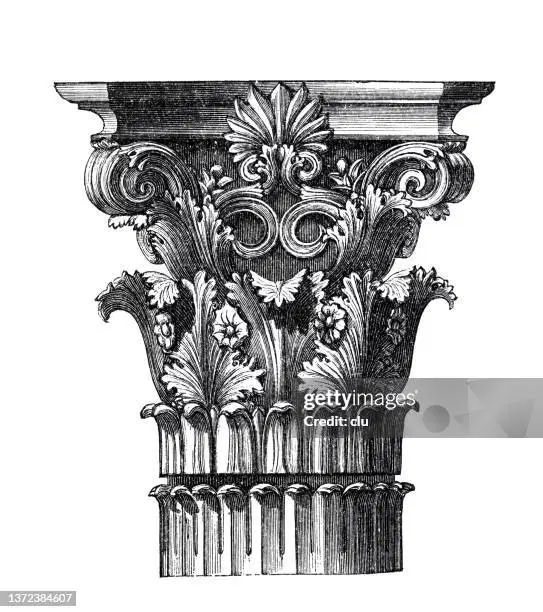
What type of Greek column is this?

The person featured in Alexander the Great. Why was he important to the Greek civilization?
He was important for spreading Greek/Hellenistic culture and unifying the Greek city-states through his conquests.
What Athenian leader led Greece through its Golden Age, expanded democracy, and reconstructed the Parthenon after the Persian Wars?
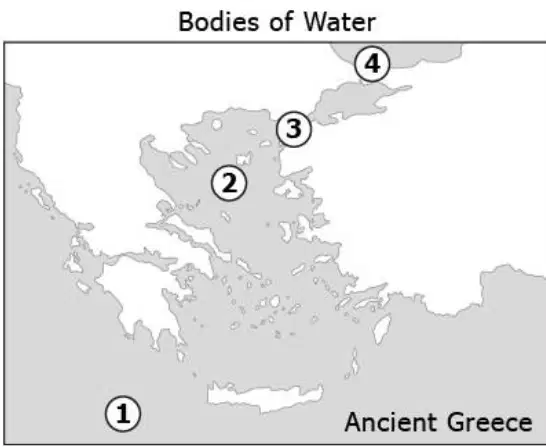
What body of water is number 1 on the map?
What body of water is number 2 on the map?
Aegean Sea

