
Font size
 Worksheets
GCSE Psychology - Research Methods Review
Total questions: 48
Worksheet time: 1hrs 13mins
Which of the following descriptions best describes an Independent Variable?
The variable that the psychologists changes
The variable that the psychologist measures
The variable that the psychologist must control
Which of the following descriptions best describes a Dependent Variable?
The variable that the psychologists changes
The variable that the psychologist measures
The variable that the psychologist must control
Which of the following descriptions best describes an Extraneous Variable?
The variable that the psychologists changes
The variable that the psychologist measures
The variable that the psychologist must control

Extraneous variables need to be (a) so that they don't affect the results. This will ensure that any results are only due to changes of the (b)
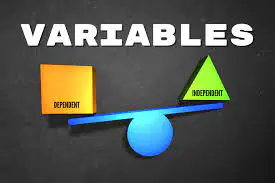
'An investigation into how much people enjoy eating different shapes of pasta'. Match the appropriate variables:
Independent variable
The shape of the pasta
Dependent variable
How much they enjoy the pasta
Extraneous variable
How much pasta they eat
'An investigation into whether different brands of trainer help athletes to run faster'. Match the appropriate variables:
Independent variable
The brand of trainer
Dependent variable
How fast the athletes run
Extraneous variable
The colour of the trainers
'An investigation into whether the amount of exercise completed affects the amount of hours slept'. Match the appropriate variables:
Independent variable
Amount of exercise
Dependent variable
Amount of sleep
Extraneous variable
The type of exercise used
The type of hypothesis that suggests that there is NO link between the independent variable and the dependent variable is called a (a) hypothesis. However, a hypothesis that suggests that there is a link between the independent variable and the dependent variable is called a (b) hypothesis.
"Changing the amount of sleep you have overnight has no effect on your ability to concentrate the day after". What type of hypothesis is this?
Null
Alternative
"Drinking an energy drink 1 hour before a game of badminton will improve your reaction time". What type of hypothesis is this?
Null
Alternative

Match each quality with the correct type of experiment:
All extraneous variables are controlled
Some of the extraneous variables are controlled
None of the extraneous variables are controlled
The experiment takes place in an artificial setting
The experiment takes place in a natural settin
Participants know they are involved in an experiment
A confederate is often used
Participants are not aware that they are involved in an experiment
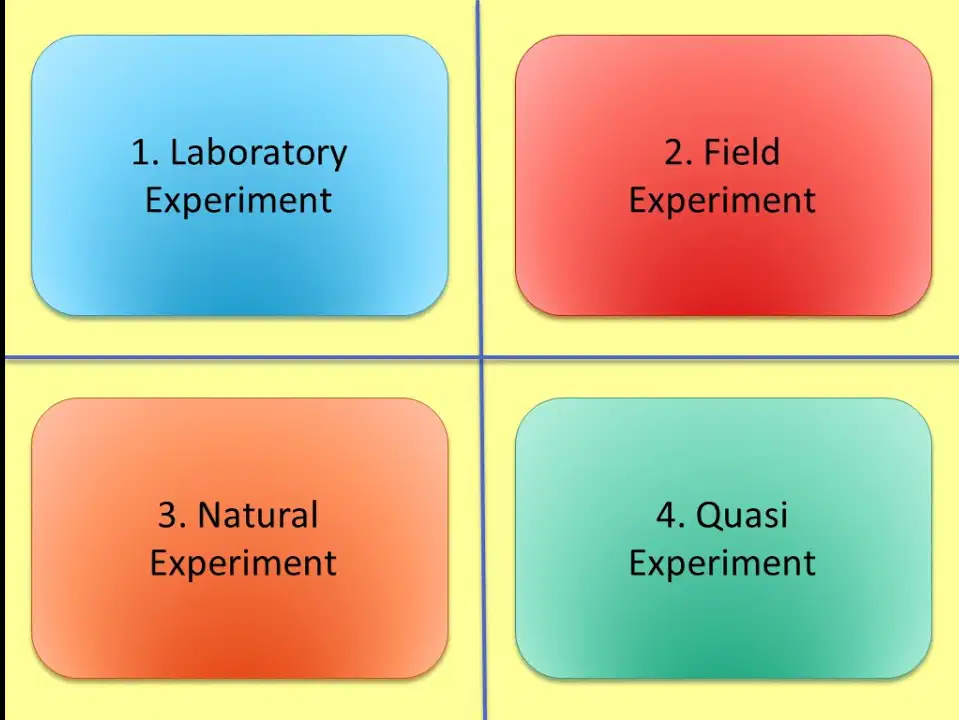
A psychologist wants to investigate if playing classical music to a group of students helps them to produce more work. He carefully selects a group of students and takes them to his room after school. They sit for half an hour to complete tasks. Another group repeats the experiment but by listening to their own chosen playlist. Everything else about the room and the experiment is kept the same. What type of experiment is this?
Lab experiment
Field experiment
Natural experiment
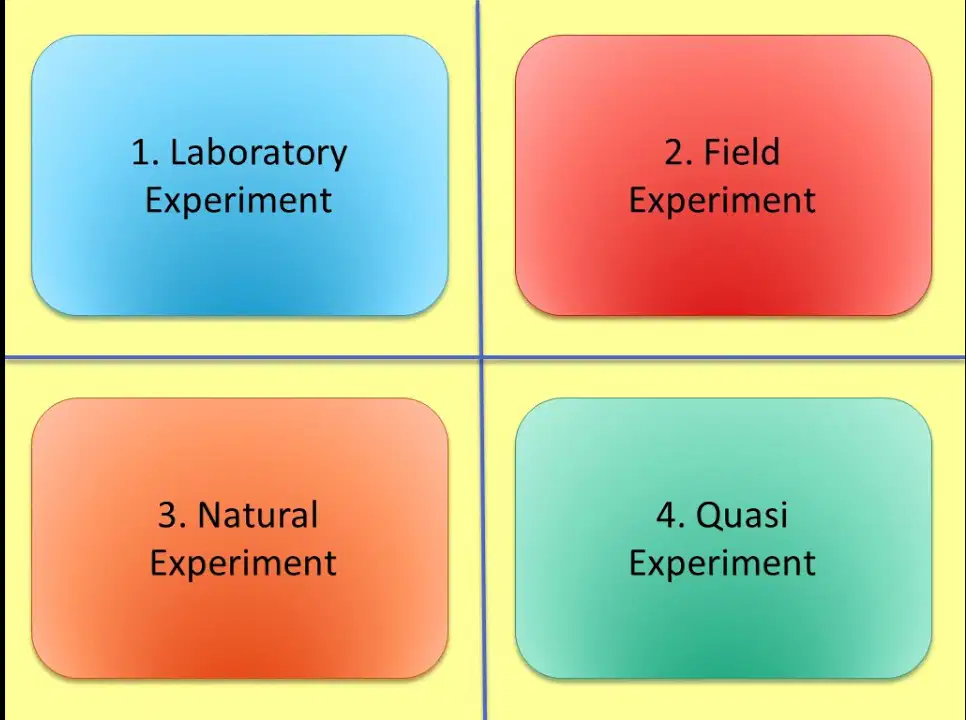
A psychologist wants to investigate how the amount of sleep somebody has affects their ability to concentrate. They ask a group of students to record how much sleep they have at night at home, then bring them into a classroom the next day to perform some strict concentration tests. What type of experiment is this?
Lab experiment
Field experiment
Natural experiment
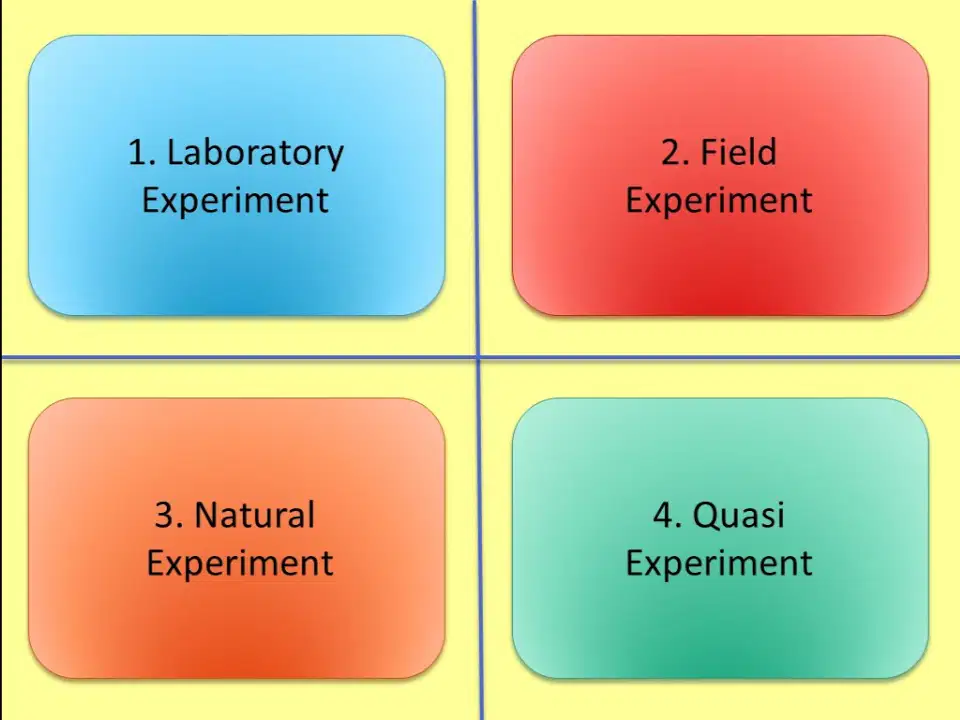
A psychologist is investigating if playing a longer game of sport affects how long it takes the players to recover. She allows them to play the game as they would do normally, then 2 days afterwards, gets them to complete a questionnaire as to how long it took them to recover. She then compared the results against the length of time they played for. What type of experiment is this?
Lab experiment
Field experiment
Natural experiment

Match the properties listed with the correct type of 'Experimental Design':
High levels of participant variables
No participant variables
Low levels of participant variables
No order effects present
Order effects may be present
Less resources required
More resources required
Counterbalancing may be required
Counterbalancing will not be required

Choose the correct sampling method that suits the following definition: "the psychologist puts those that are available in order, and then selects every nth person until he has enough for the sample"
Opportunity sampling
Random sampling
Systematic sampling
Stratified sampling
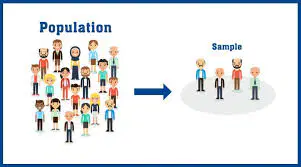
Choose the correct sampling method that suits the following definition: "the psychologist chooses whoever is available at the time"
Opportunity sampling
Random sampling
Systematic sampling
Stratified sampling

Choose the correct sampling method that suits the following definition: "the Psychologist identifies the sub-groups within the target population, and makes sure that each sub-group is represented in the sample"
Opportunity sampling
Random sampling
Systematic sampling
Stratified sampling
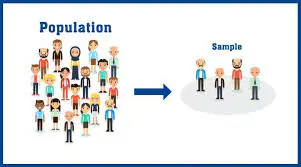
Choose the correct sampling method that suits the following definition: "the psychologist puts the names of those that are available into a box and picks out those that will take part in the experiment"
Opportunity sampling
Random sampling
Systematic sampling
Stratified sampling
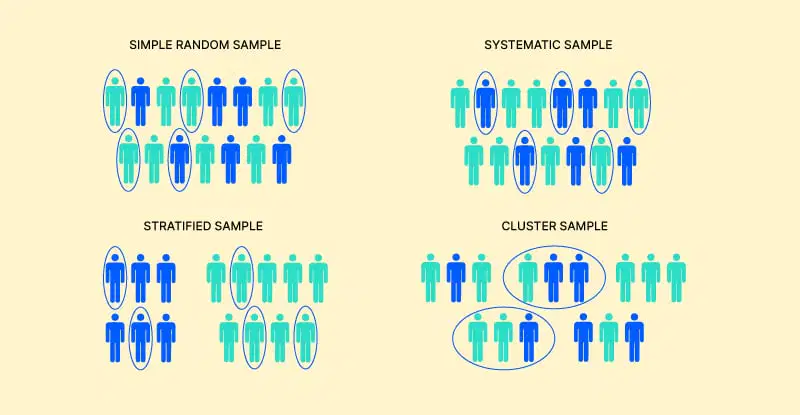
Match the properties with the correct sampling method:
High levels of bias are likely
No bias
Sample is not likely to be representative
Sample may not be represtative as anyone can be pulled out
Sample ma ay not be representative as it depends on the order
Sample will be highly representative
Only takes a short time to create
Takes a long time to create

Place the following sampling methods in order based on how much bias they are likely to include (highest amount first):
Opportunity sampling
Stratified sampling
Systematic sampling
Random sampling
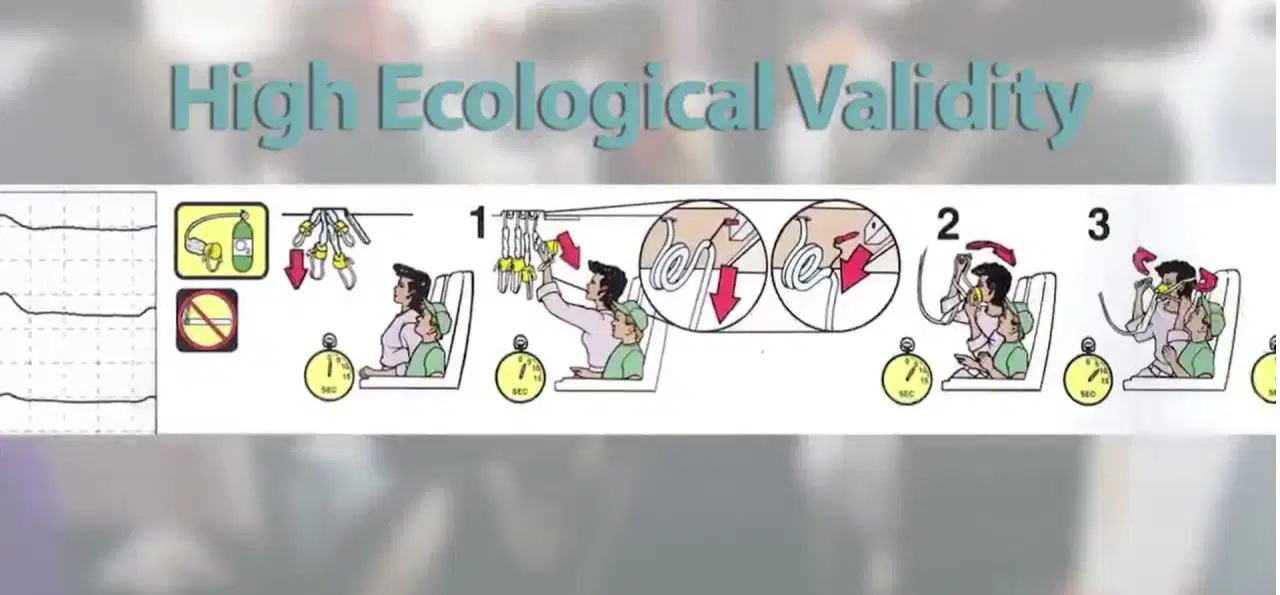
An experiment will have (a) ecological validity when it is very similar to the normal environment the action takes place in. An experiment will have (b) ecological validity if it is different to the normal environment that the action takes place in.
An (a) question is one where the subject can answer in anyway they like. A (b) question is one where the subject can only answer from a pre-determined set of responses.

Place the following properties under either 'open' or 'closed' question:
Responses are easy to analyse
Responses can take a long time to analyse
Provide limited detail
Provide extended detail
Responders may provide a 'safe' answer
Responders can explain their answers

"Is chocolate good for you?" can be seen as an ambiguous question. What is an ambiguous question?

A (a) interview is one where the interviewer will only answer the questions on their script. An (b) interview is one where the interview will ask an agreed initial question, then base his following questions on the response to that question. A (c) interview is one where the interviewer has a script of questions they must ask, but can ask for further detail if required.
Place the properties under the correct type of interview:
All responses can be directly compared against each other
Some of the responses can be compared against each other
Responses cannot be compared against each other
Interviewer cannot find out all relevant information
Interviewer can find out most relevant information
Interviewer can find out all relevant information

A questionnaire can be (a) to complete and provide (b) responses. However, an interview can be very (c) and may not be (d) with each other.
Match the following types of observations with their definition:
Natural observation
Conducted in the normal environment
Covert observation
Participants not aware of observation
Overt observation
Participants aware of observation
Participant observation
Psychologist involved in observation
Controlled observation
Conducted in a different environment
Observations don't show (a) particular behaviours occur. Sometimes, (b) can be made by the observers making their data (c) . If people know they are being observed, they may (d) their behaviour. An observation may be (e) if the participants are not told they are involved.

In psychological observations, what is the term given to the different actions the observer is looking for and noting down from the participants?
(a)

Accuracy of observations can be improved by having more than one observer who compare their notes. This is called:
(a)

A case study is an (a) study of an (b) or group of people. Information can be collected via (c) , questionnaires, or even observations. The (d) can be used to help other people in the future.
Identify the following statements as either advantages or disadvantages of using case studies:
Provide a large amount of detailed information
Can be highly subjective
Results may not be able to be generalised to others
They can record changes of behaviour over time
Can sometimes be unethical to bring up old information
Match the following types of data with their correct definition:
Quantitative data
Numerical data that can be measured
Qualitative data
Descriptive data that can be observed
Primary data
Data collected firsthand for a specific purpose
Secondary data
Data collected from existing sources
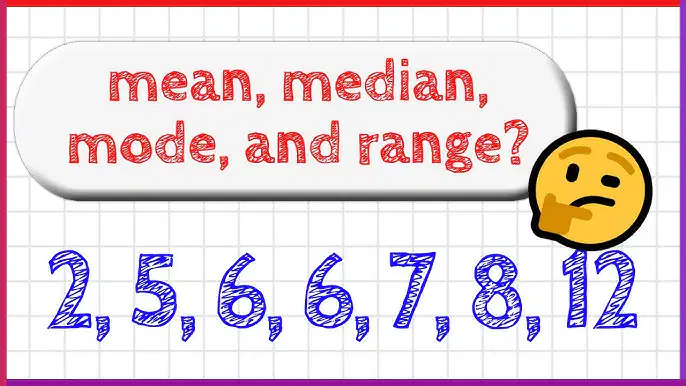
Match the following types of calculation with their correct definition:
Mean
The average of a set of numbers
Mode
The value that appears most frequently in a data set
Median
The middle value when the numbers are arranged in order
Range
The difference between the highest and lowest values
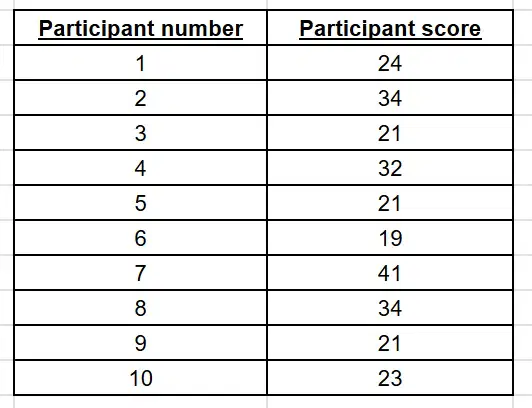
Look at the results in the table. What is the mean participant score?
Look at the results in the table. What is the mode participant score?
Look at the results in the table. What is the median participant score?
Look at the results in the table. What is the range of the participant scores?
Match the following types of graph/chart with their correct name:

Frequency table

Histogram

Bar chart

Scatter chart

Pie chart

A histogram uses (a) data, and the bars should (b) each other. However, a bar chart uses (c) data and the bars should (d) each other.
Match the following types of correlation:

Positive correlation

Negative correlation

No correlation
Match the following advantages and disadvantages of using correlations:
Very easy to see a connection between variables
Both primary and secondary data can be used
An 'anomalous' result can give an inaccurate conclusion
You need large amounts of data to give an accurate picture
It doesn't show if a 3rd variable is responsible for the relationship
Match the following ethical consideration with the correct definition:
Informed consent
Participants must be fully aware of the nature of the research and agree to participate
Deception
Withholding information from participants
Protection from harm
Ensuring that participants are not exposed to unnecessary risks
Privacy
Not sharing the data of participants.
Confidentiality
Not disclosing the participants identity
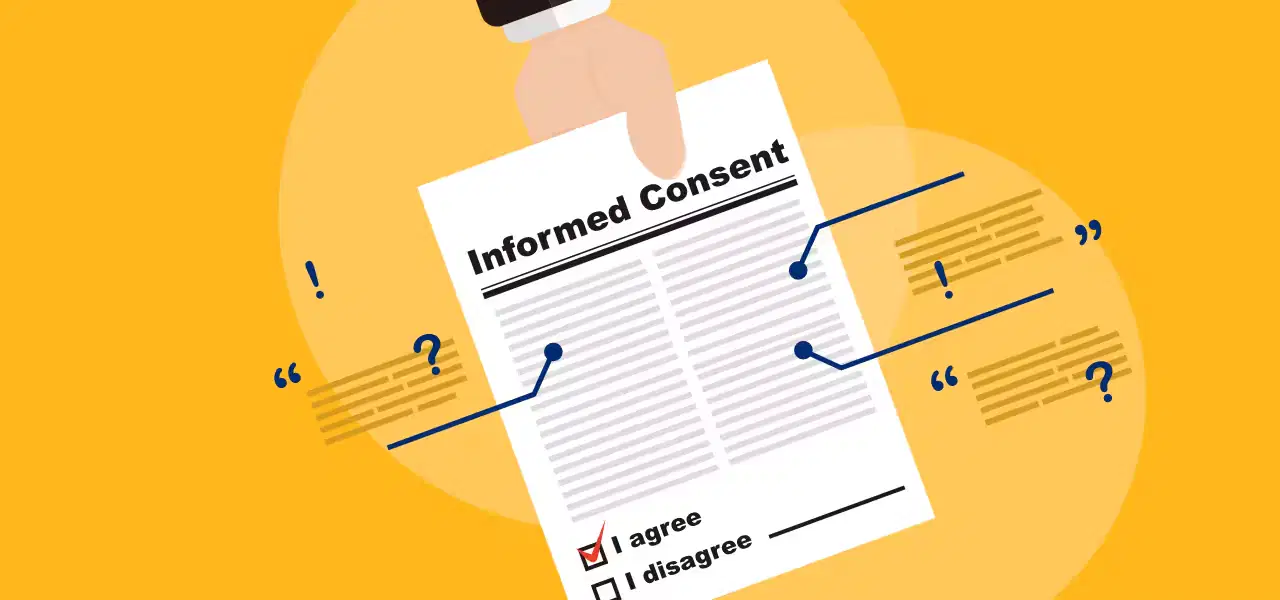
Participants must give their (a) to be involved in an experiment. If the experiment involves young children, then (b) must give their consent. At any time, participants have the right to (c) from the experiment. Sometimes, consent is not given at the (d) of the experiment as it will affect the results, but it must achieved at the (e)

The (a) of participants must be hidden in the results of an experiment. This can be done by changing their (b) or by using their (c) instead. If a video has been used for an observation, the faces of the participants can be (d) if necessary.
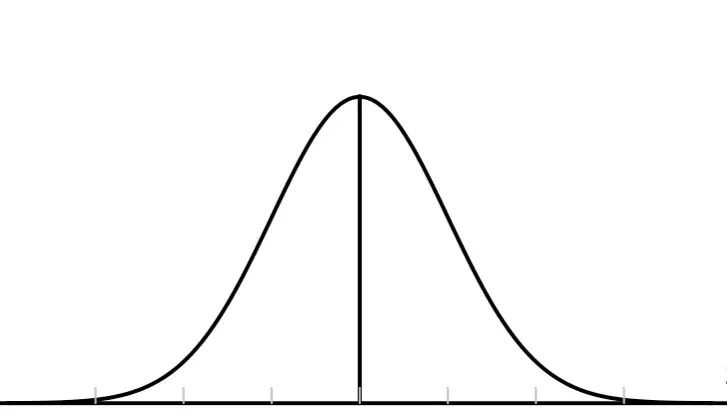
The diagram represents a (a) distribution. The top of the curve represents a point where the (b) , mode , and (c) are all the same. It represents the distribution you would (d) from a large set of results.

