
Font size
 Worksheets
Roots, Prefixes, and Suffixes BrainPop Review
Total questions: 50
Worksheet time: 30mins

What is the main part of the word called?
prefix
root
suffix
Prefixes and suffixes both modify the root.
That means that they ______ its meaning.
keep

The word pleasant means enjoyable.
It is a ____ word.
prefix
root
suffix

What does the prefix "un" mean?
good
extra
not

In the word unpleasant
"un" is the ______.
prefix
root
suffix
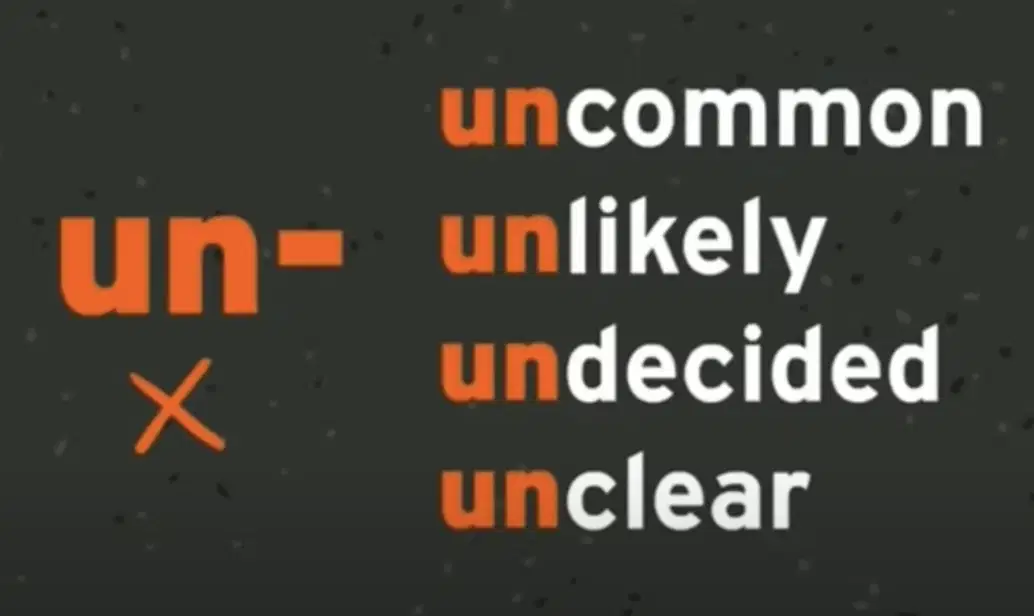
What does the word uncommon mean?
a little bit common
very common
not common
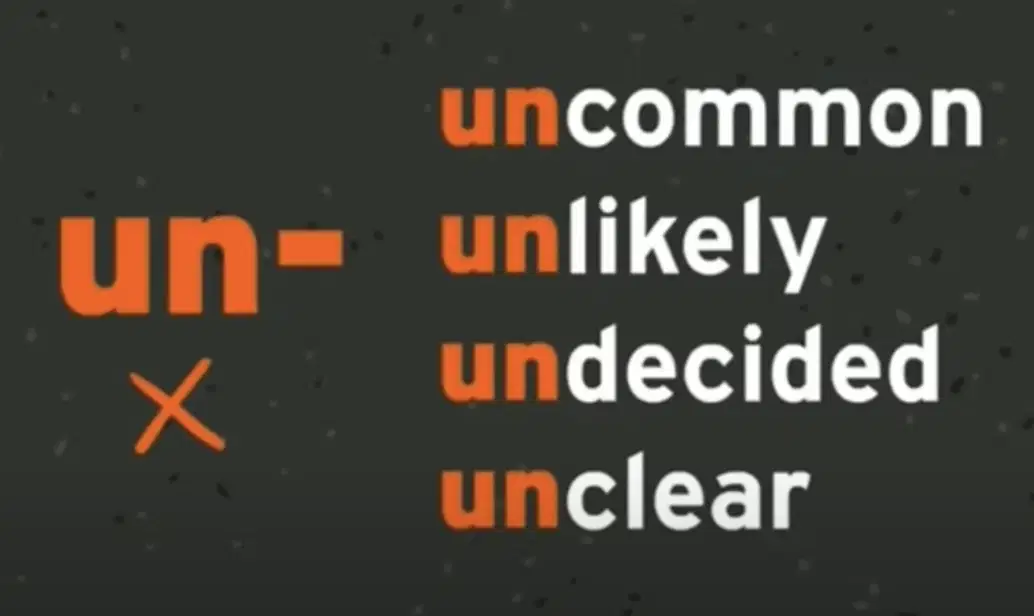
What does the word unlikely mean?
not likely
usually
often
very likely
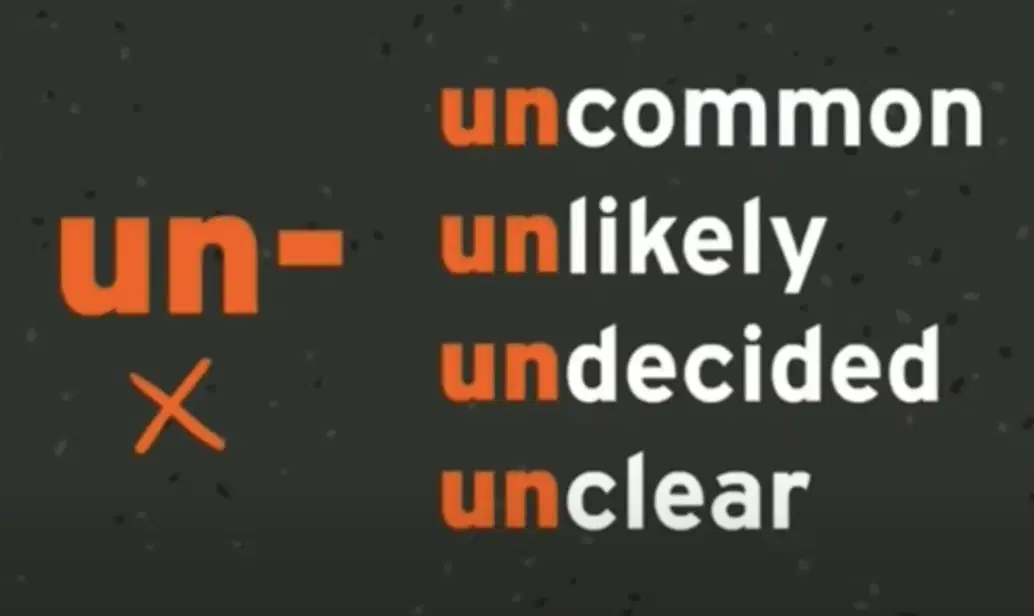
What does the word undivided mean?
very divided
divided
not divided
sometimes divided
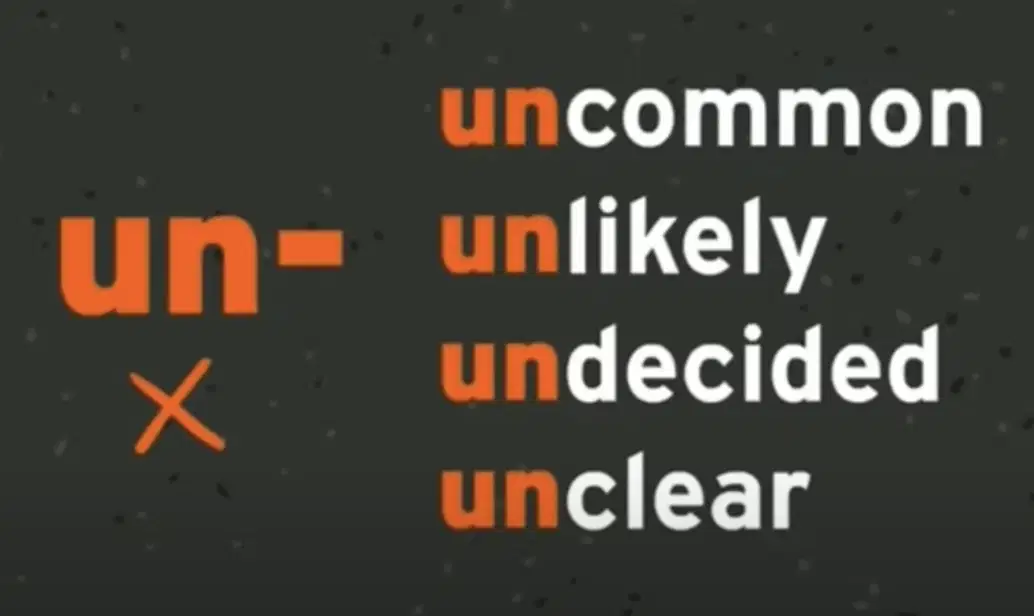
What does the word unclear mean?
clear
not clear
very clear
sometimes clear
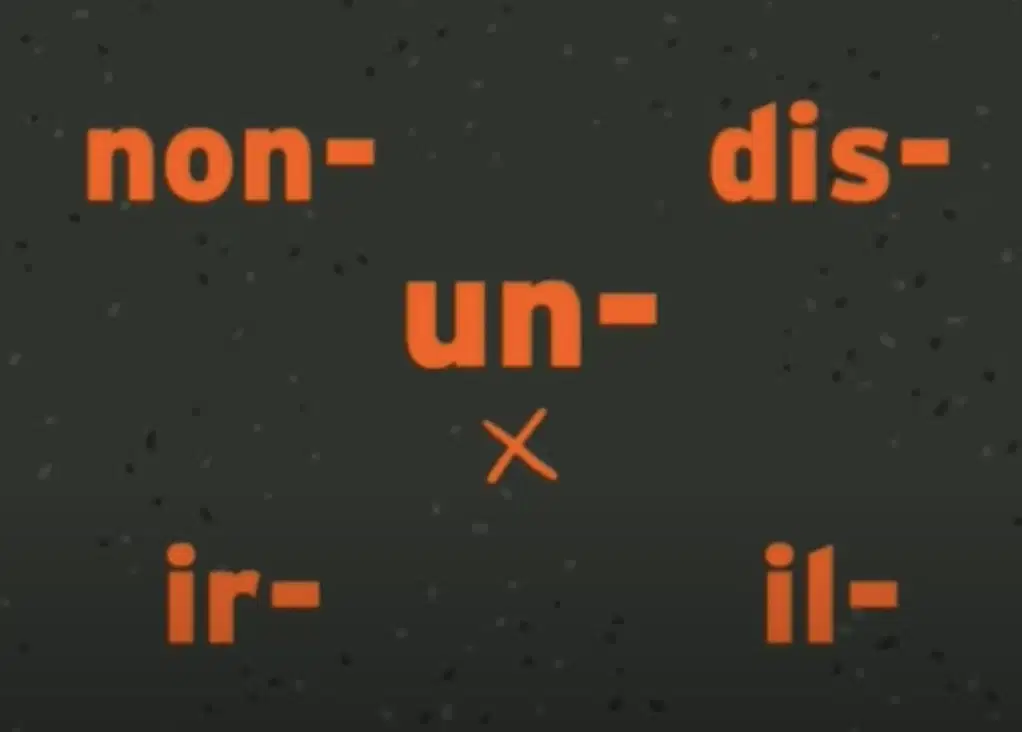
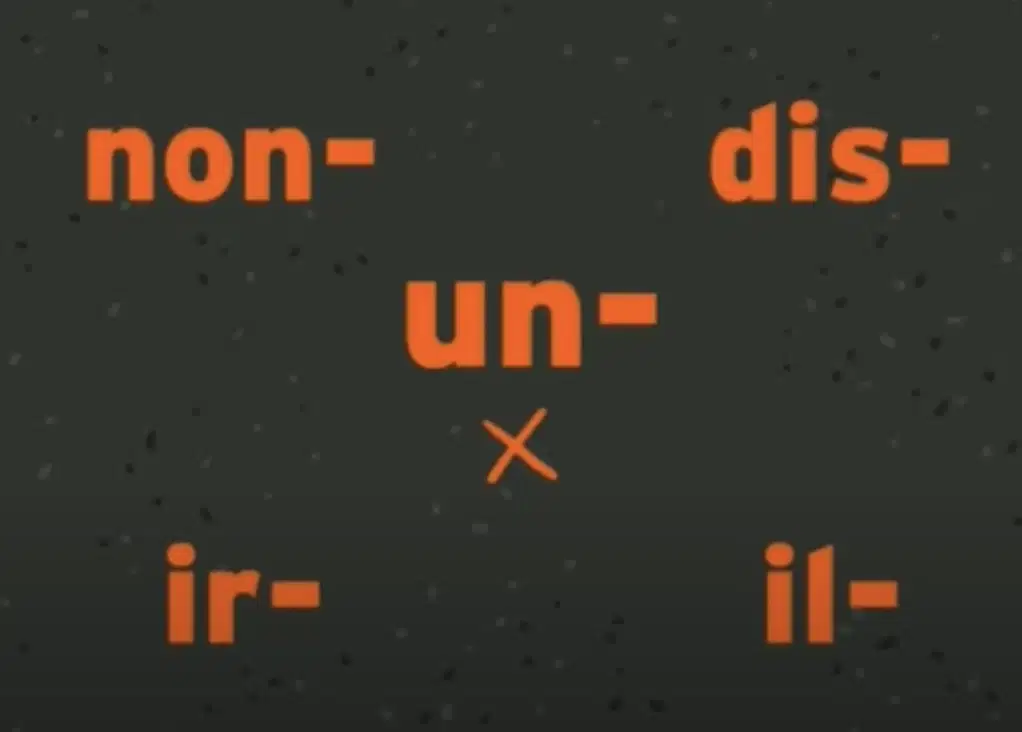
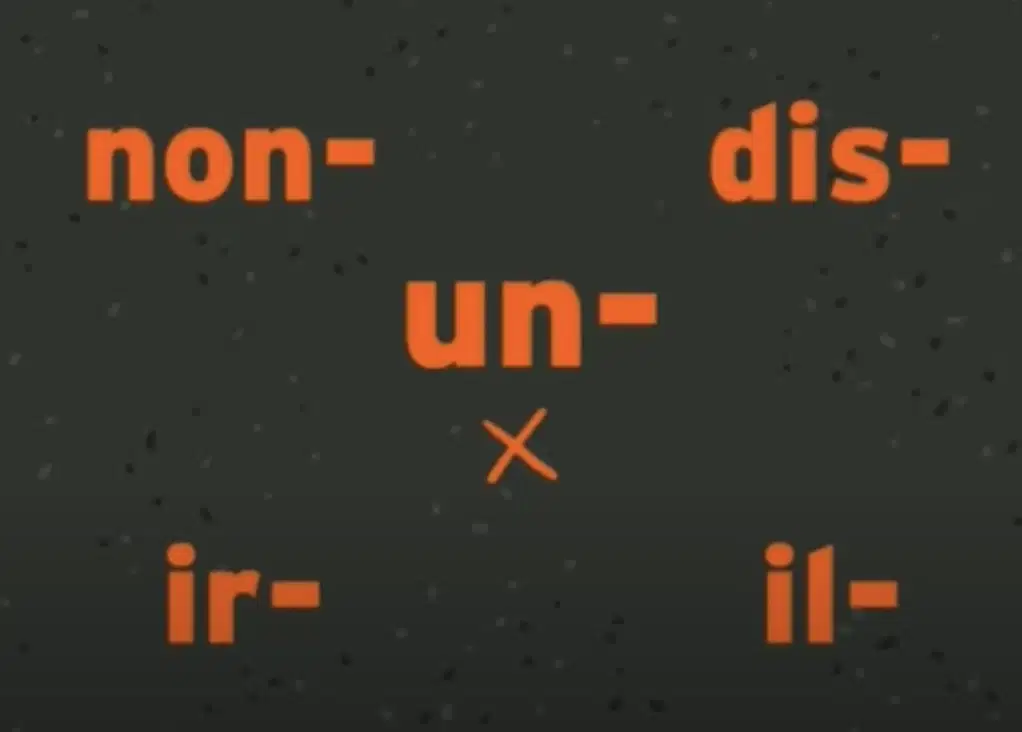
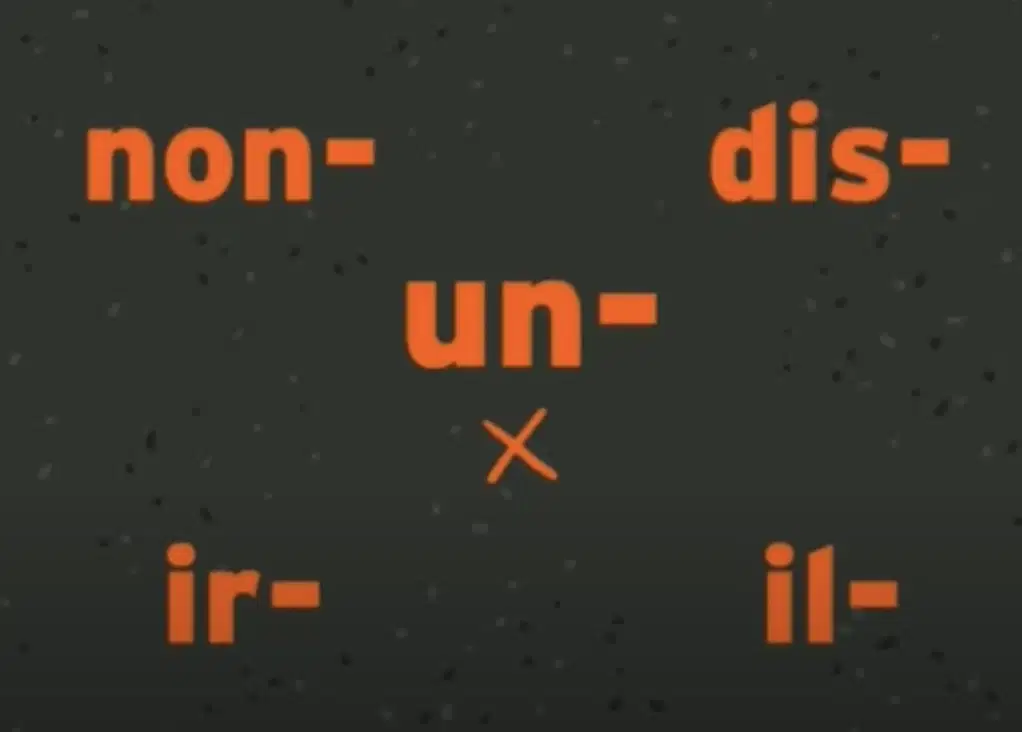
What do all of these prefixes mean?
(a)

The word illegal means (a) legal
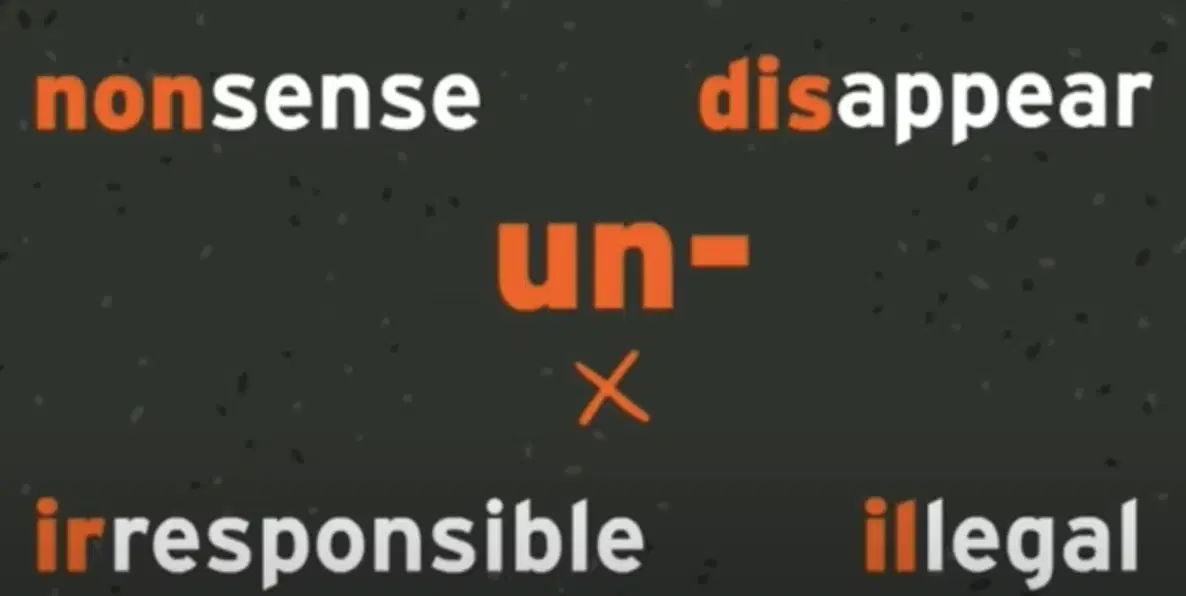
What does the word irresponsible mean?
not responsible
responsible
very responsible
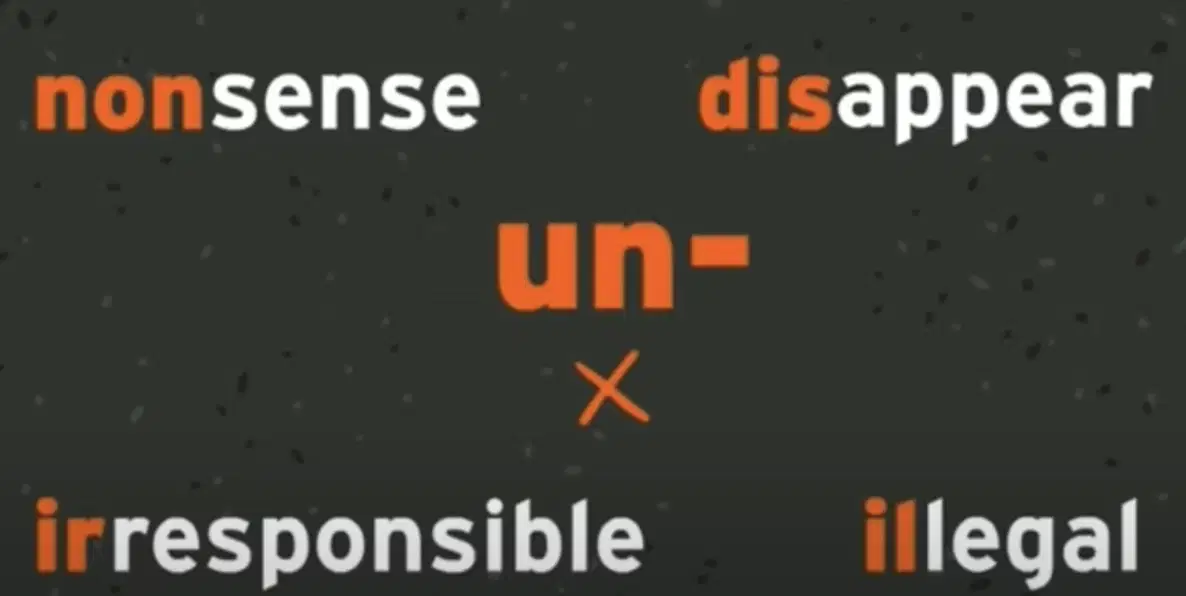
The word appear means to become visible.
What does the word disappear mean?
disappointed
appear distant
stop being visible
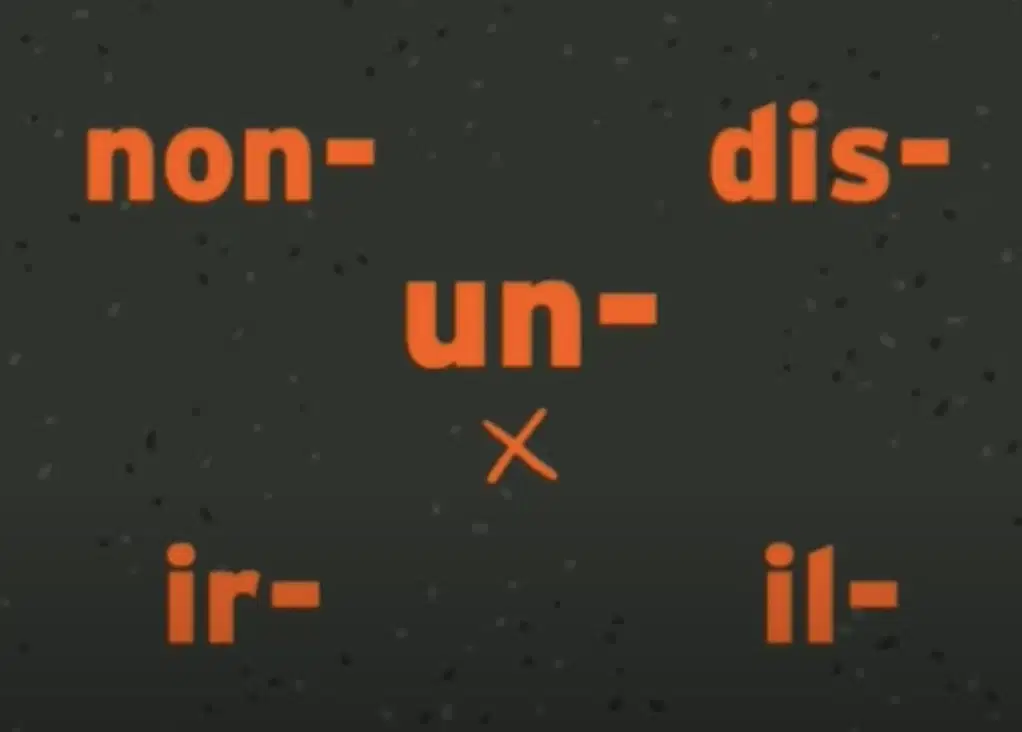
What does the word uninterested mean?
not interested
very interested
usually interested
interested
What does the word illogical mean?
very logical
makes sense
not logical
What does the word dislike mean?
like a lot

What does the word irregular mean?
regular
not regular
common
Fiction is made up from the author's imagination, therefore nonfiction is ____.
fairy tales and fantasy books
based on real events, people, facts, and information
made up stories

pre-
means
before
after
during
on time
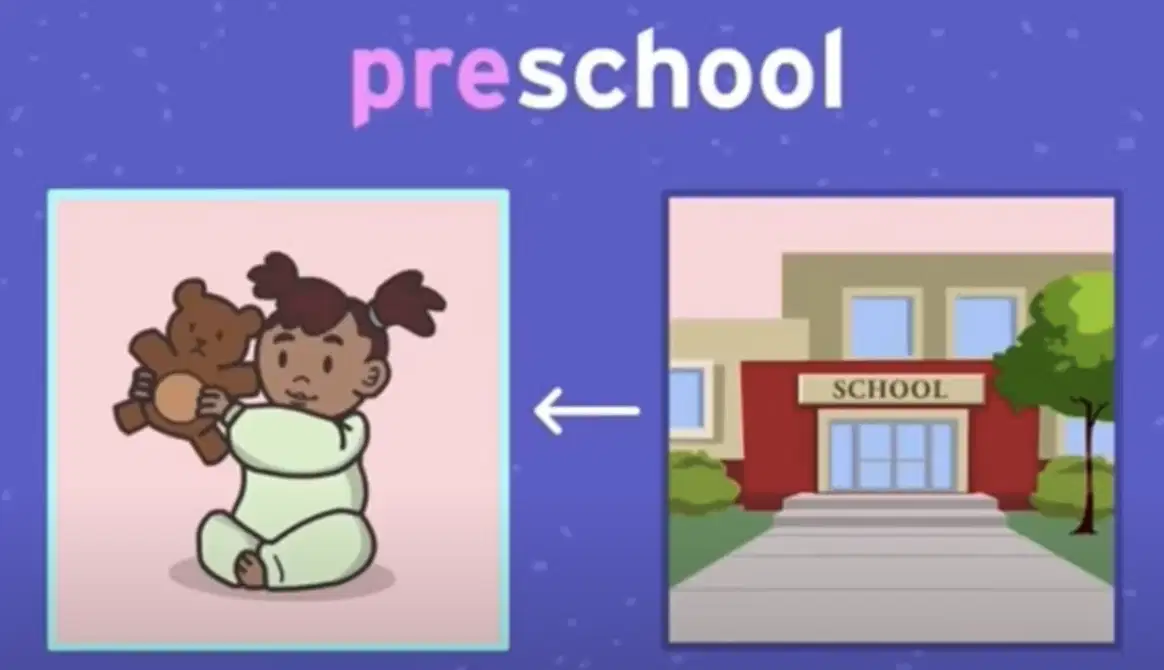
Preschool is (a) kindergarten and elementary school.
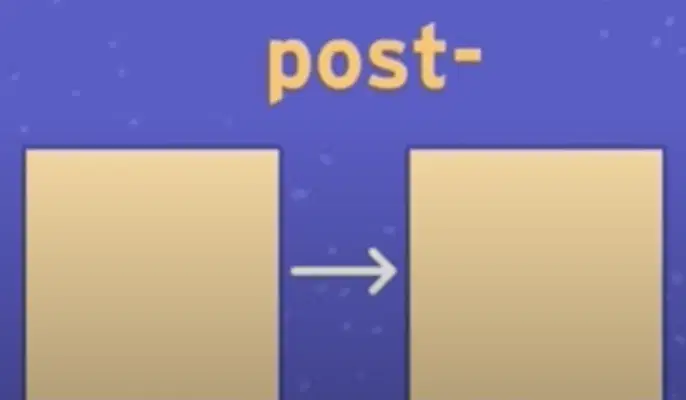
What does the prefix post- mean?
before
during
after

The postgame is a show that happens (a) the game to talk about the game.
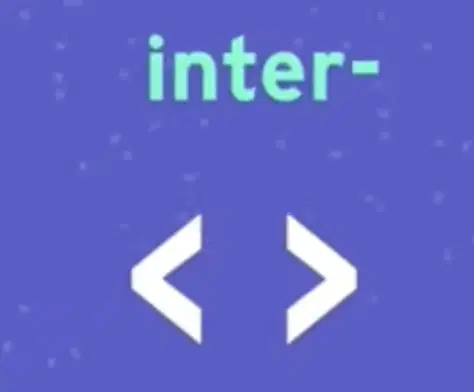
What does the prefix inter- mean?
before
after
between

The word international means (a) two or more nations.
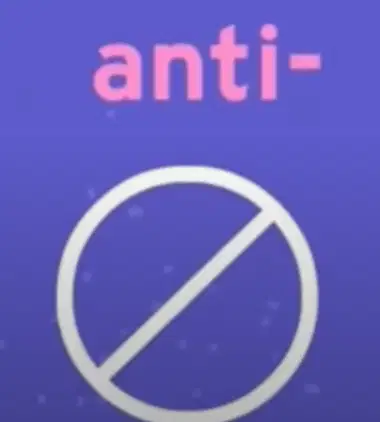
The prefix anti- means _______
support
against
enjoy

Someone who is social enjoys being around other people.
So that means that someone that is antisocial --
likes to go to big parties
really likes being around other people
does not enjoy being around other people
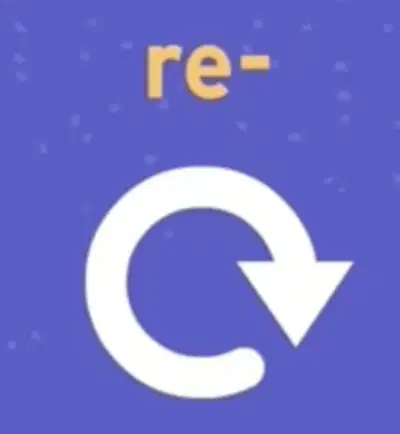
What does the prefix re- mean?
again
against
before
after

What does rewrite mean?
after writing
before writing
against writing
write again
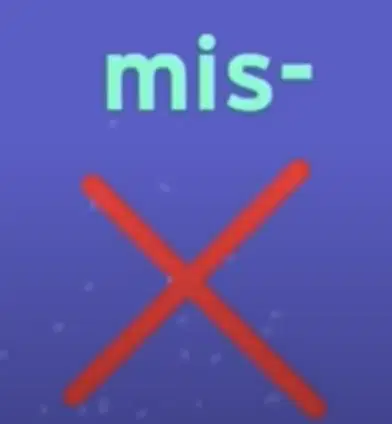
The prefix mis- means _____.
correct
wrong
match
against
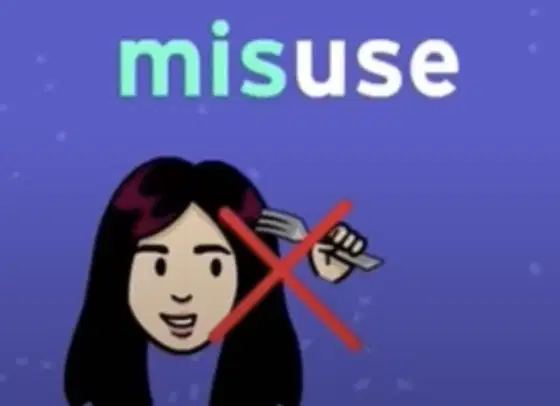
The word misuse means to use --
incorrectly
correctly

The suffix -ful means
empty
full of

The word wonderful means (a) of wonder.
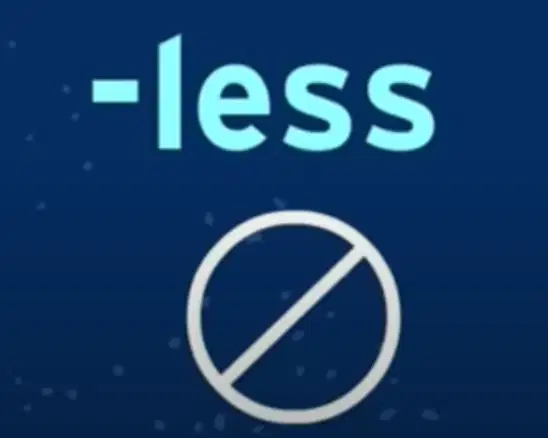
What does the suffix -less mean?
before
full of
without
after
The word hopeless means without (a) .
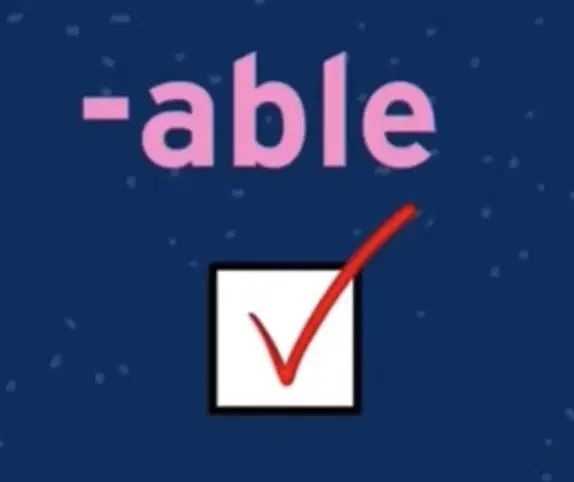
What does the suffix -able mean?
impossible
can be done
What does the word understandable mean?
can be understood
cannot be understood

The suffix -ology means the study of.
The word mythology means the study of--
books
studies
mythology

The suffix -ist means someone who does a specific job.
So that means an artist is --
someone who does art
someone who likes art
someone who is against art
Sometimes prefixes and suffixes can have more than 1 meaning.
TRUE
FALE

When you add the suffix -er to a verb, it means that it's someone who does that action. So a gardener is --
the garden
someone who gardens
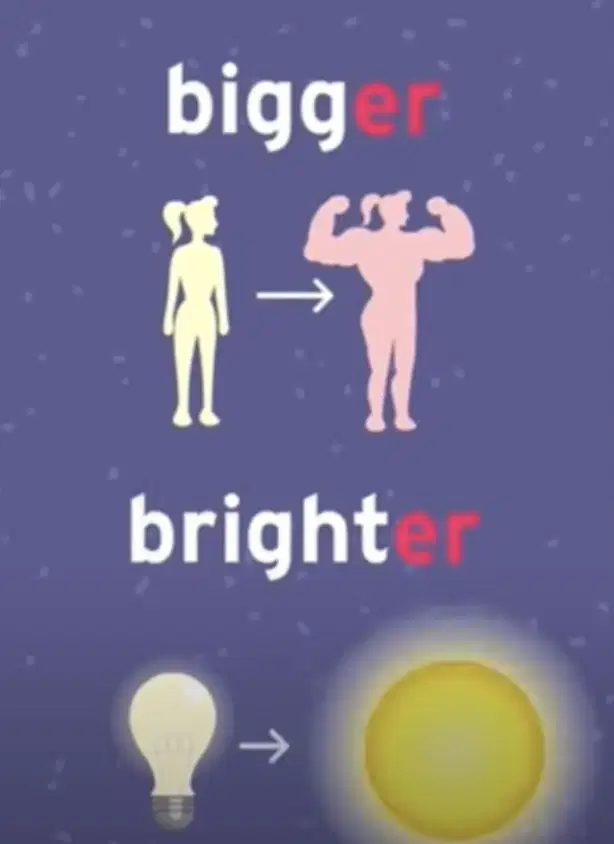
When you add the suffix -er to an adjective, it means --
less
more
someone who does that action
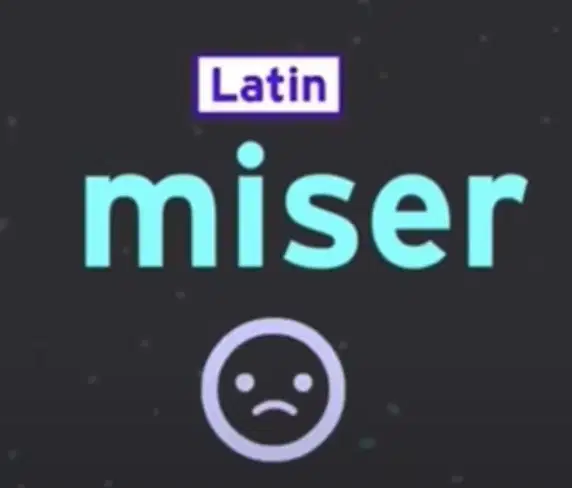
Sometimes a word looks like it has a prefix when it really doesn't.
Misery is a root word that comes from the latin word miser, meaning -
happy
unhappy

Many words in English come from greek and latin words.
Why is it helpful to learn greek and latin roots?
It helps you to figure out what words mean.
It helps you if you travel to Greece one day.
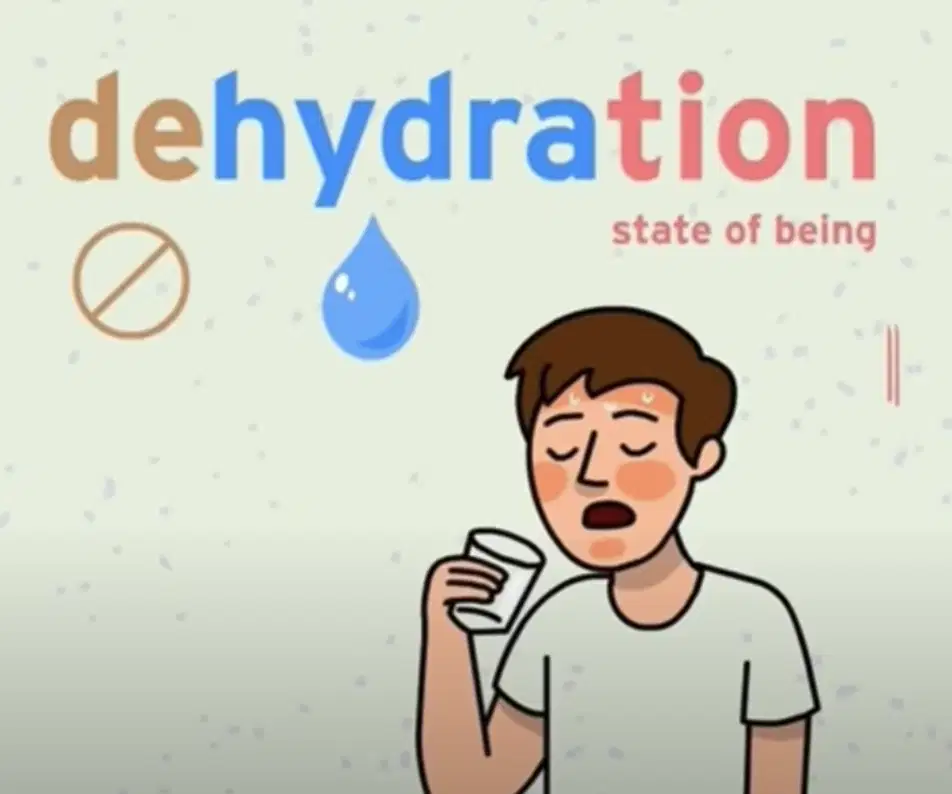
The prefix de- means lacking,
and the suffix -tion means the state of being.
If someone is experiencing dehydration, they --
do not have enough water.
have enough water.

What do all of these words have in common?
(a)
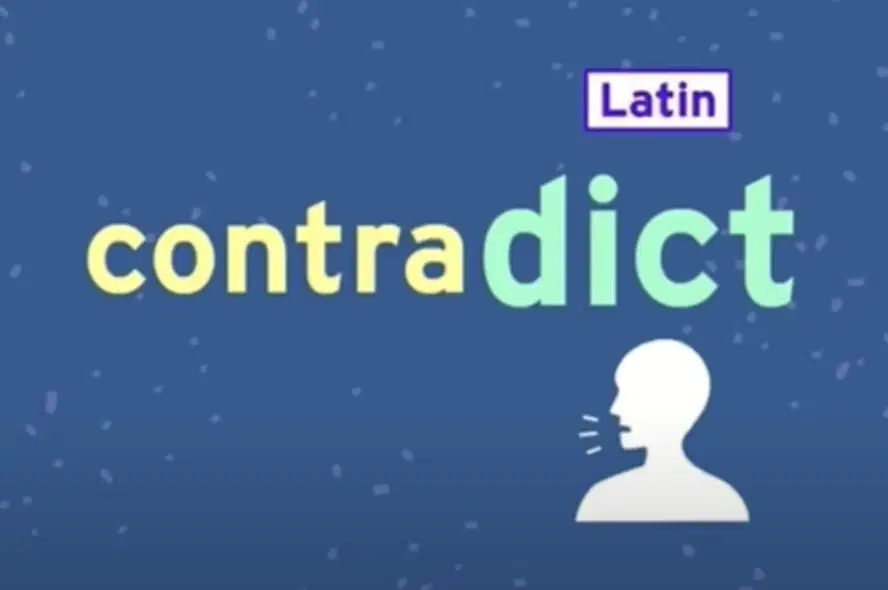
The latin root "dict" means ___.
to say
to move
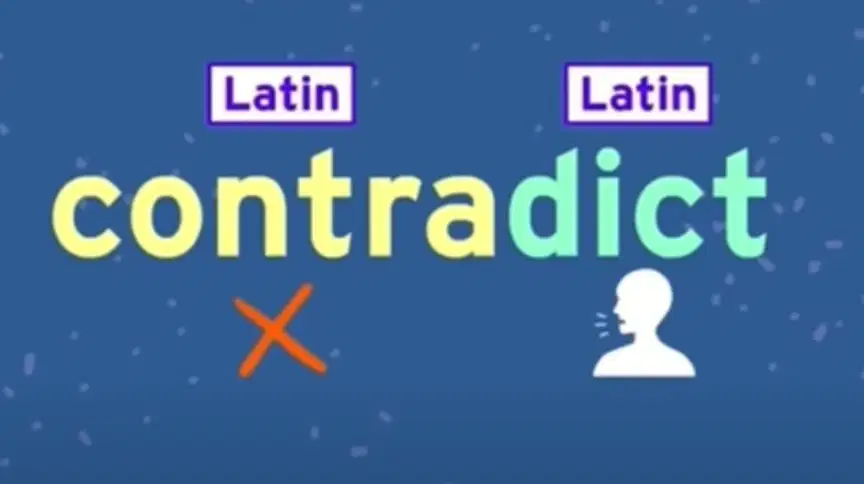
The prefix contra- is from the latin word for _______.
support
against
say
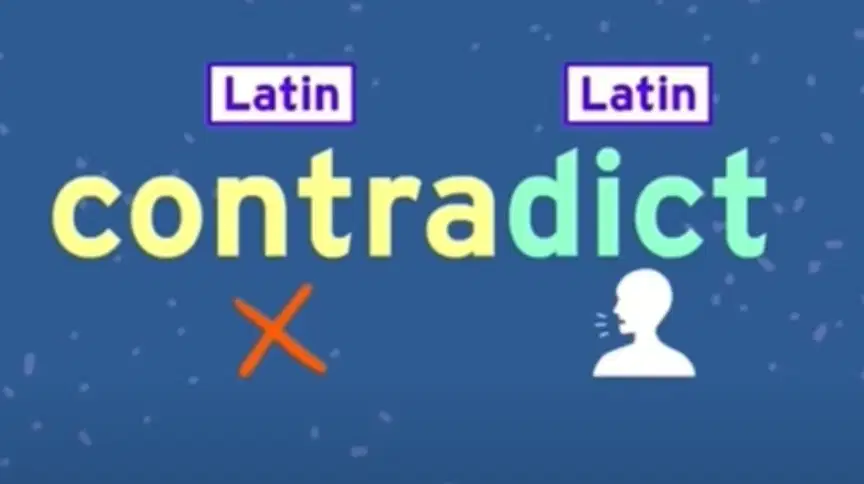
The word contradict means --
to say the opposite of
to agree in support
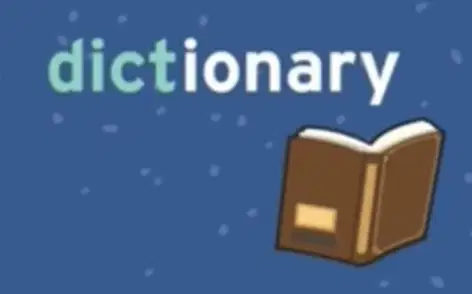
Dictionaries tell you what words mean.
What is its latin root?
tion
dict
ary
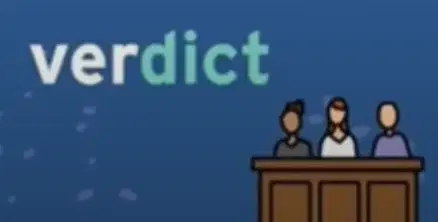
The prefix ver- means truth,
so the word verdict means to say the --
(a)

