wayground logo

Free Printable Worksheets

Font size

S
M
L
XL
Worksheets

Big Chemistry Quiz

Total questions: 139

Worksheet time: 3hrs 25mins

Name
Class
Date
1.

Structure A is

a)

The valence shell

b)

An electron shell

c)

An energy level

2.

Structure B is

a)

The nucleus

b)

An electron shell

c)

An energy level

3.

Structure C is a(n)

a)

Proton

b)

Neutron

c)

Electron

4.

Structure D is a(n)

a)

Proton

b)

Neutron

c)

Electron

5.

Structure E is a(n)

a)

Proton

b)

Neutron

c)

Electron

6.

The structures indicated by F are

a)

Valence shells

b)

Electron shells

c)

Energy levels

7.

Structure E has what charge?

a)

Neutral

b)

Positive

c)

Negative

8.

Structure D has what charge?

a)

Neutral

b)

Positive

c)

Negative

9.

"A" is the element's what?

a)

Atomic mass

b)

Mass number

c)

Atomic number

10.

"B" is the element's what?

a)

Atomic mass

b)

Mass number

c)

Atomic number

11.

"B" is the number of ___ in the atom's ___

a)

Protons and electrons, nucleus

b)

Protons and neutrons, shells

c)

Protons and neutrons, nucleus

d)

Protons and electrons, shells

12.

"A" is the number of ___ in the atom's ___

a)

Protons, nucleus

b)

Neutrons, shells

c)

Neutrons, nucleus

d)

Protons, shells

13.

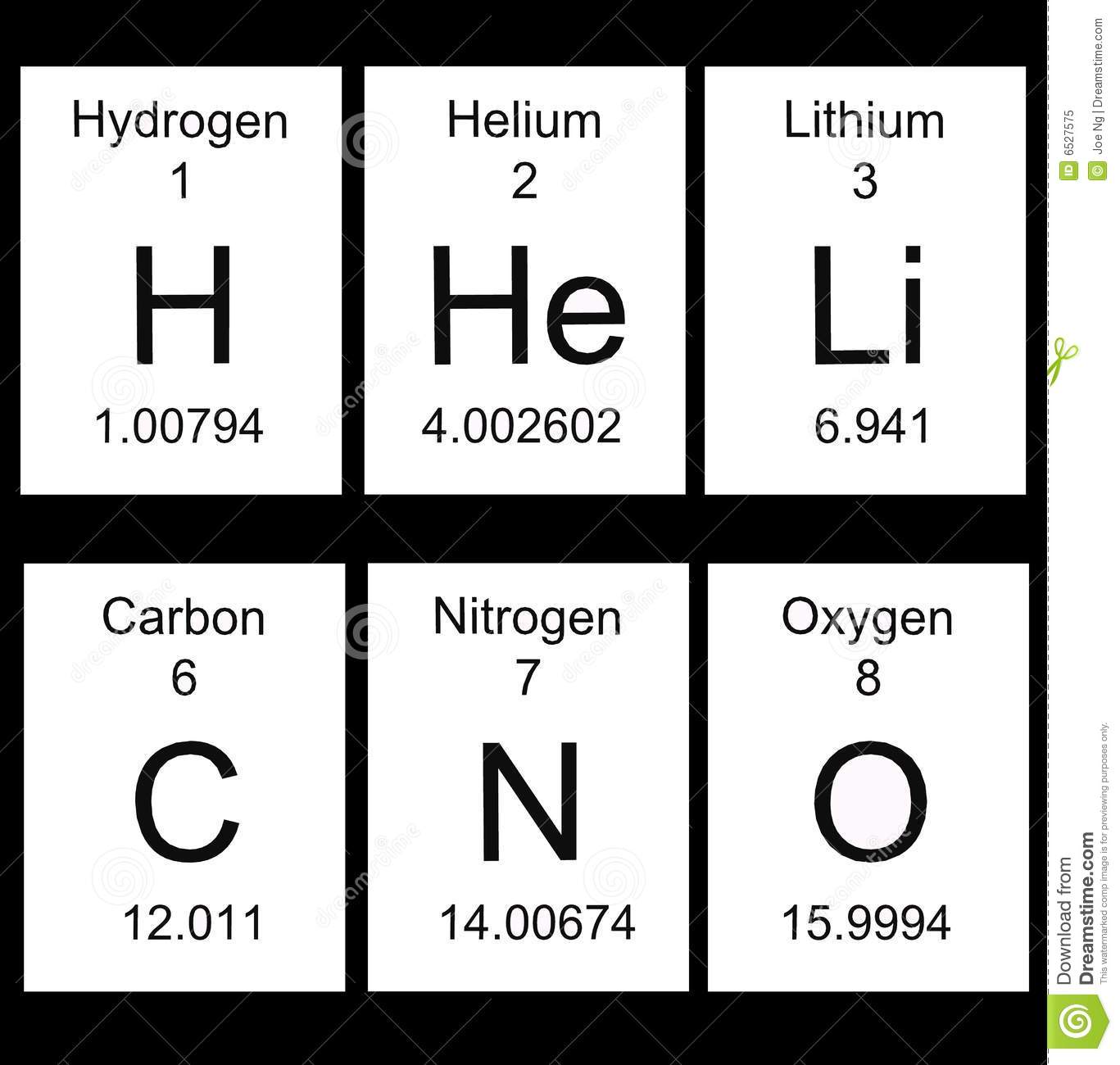
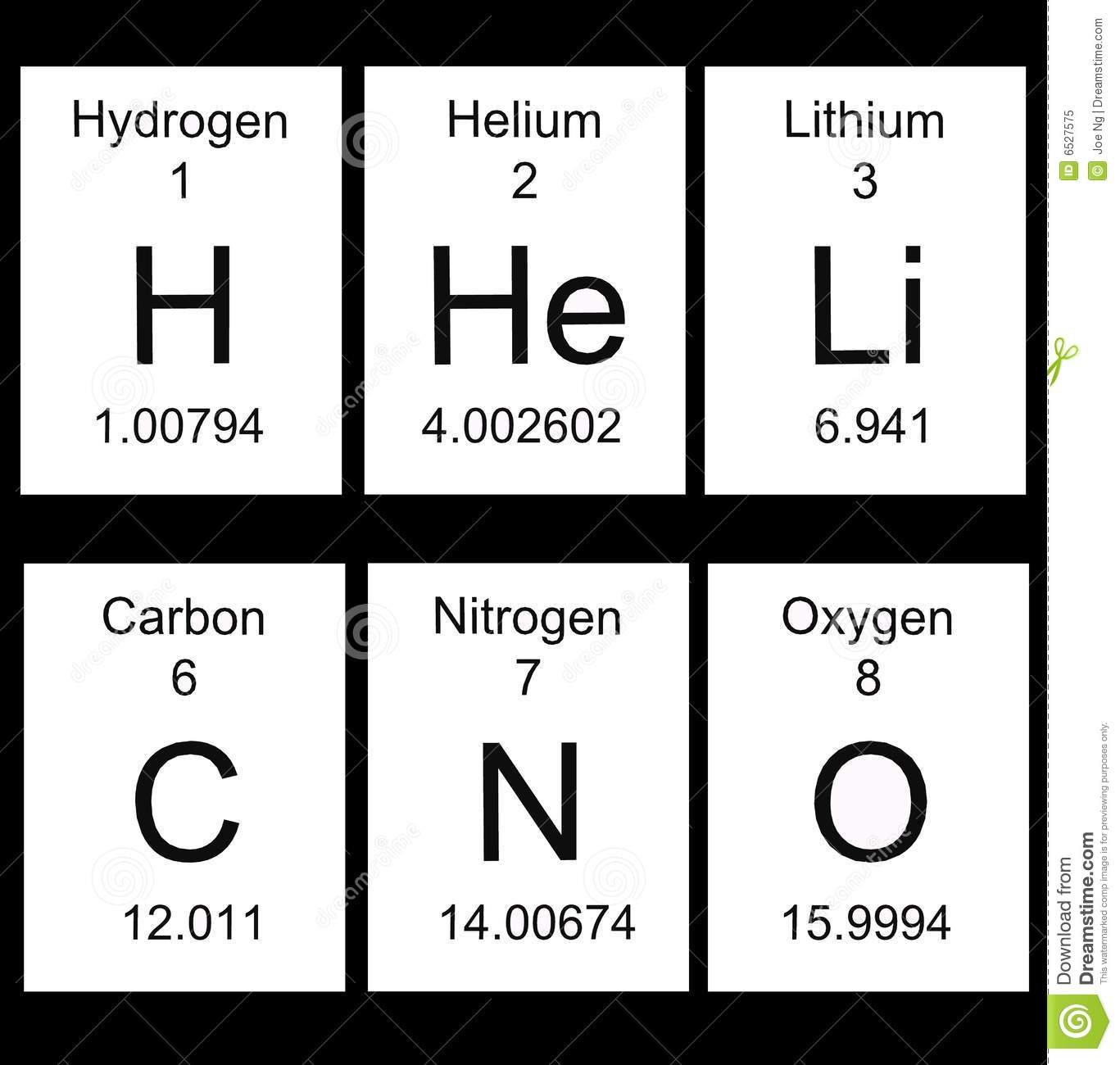
What does the 6 represent?

a)

atomic mass

b)

atomic number

c)

element name

d)

chemical symbol

14.

What does 12.011 represent?

a)

atomic mass

b)

atomic number

c)

element name

d)

chemical symbol

15.

What does the C represent?

a)

atomic mass

b)

atomic number

c)

element name

d)

chemical symbol

16.
These are found on the Periodic Table.
a)
Compounds
b)
Elements
c)
Mixtures
17.
The simplest substance is..?
a)
Carbon
b)
An element
c)
Water
d)
A simple compound 
18.
A neutron has a charge of
a)
+2
b)
No charge
c)
-1
d)
+1
19.

Beryllium has how many protons?

a)

4

b)

9.0122

c)

2

d)

13.0122

20.
The number at the bottom of each square on the periodic table is the ...
a)
atomic number
b)
atomic mass
c)
chemical symbol
d)
element name
21.
The number at the top of each square on the periodic table is the ...
a)
atomic number
b)
atomic mass
c)
Chemical Symbol
d)
Element Name
22.
What is the chemical symbol for Carbon?
a)
C
b)
Ca
c)
Car
23.
What is the chemical symbol for Calcium?
a)
C
b)
Ca
c)
Cal
24.
What is the chemical symbol for Oxygen?
a)
O
b)
Ox
c)
Oy
25.
What is the chemical symbol for Iron?
a)
I
b)
Ir 
c)
Fe 
d)
F
26.
What does the chemical symbol K stand for?
a)
Krypton
b)
Kryptonite
c)
Potassium
27.
What does the chemical symbol He stand for?
a)
Hydrogen
b)
Helium
28.
What does the chemical symbol H stand for?
a)
Helium
b)
Hydrogen
29.

Protons have a _____________ charge.

a)

positive

b)

negative

c)

neutral

30.

neutrons have a _____________ charge.

a)

positive

b)

negative

c)

neutral

31.

electrons have a _____________ charge.

a)

positive

b)

negative

c)

neutral

32.

What sits in the nucleus of the atom?

a)

electrons and protons

b)

protons and neutrons

c)

neutrons and electrons

d)

just neutrons

33.
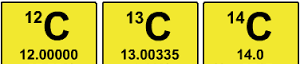
What do these isotopes of carbon all have in common?
a)
neutrons & mass number
b)
atomic number and neutrons
c)
atomic number and electrons
d)
protons, atomic number, and mass number
34.
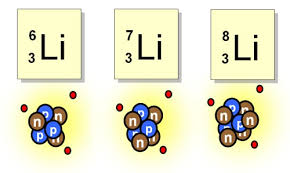
How many neutrons does the isotope of lithium have?
a)
8
b)
3
c)
4
d)
5
35.
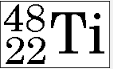
How many protons does this isotope of titanium have?
a)
48
b)
22
c)
26
d)
70
36.
In a correctly written symbol what would be located in the "A" position?
a)
number of neutrons
b)
atomic number
c)
number of electrons 
d)
mass number
37.
What quantities vary between isotopes of an element?
a)
protons, electrons, and atomic mass
b)
protons, electrons, and atomic number
c)
neutrons and electrons
d)
neutrons and atomic mass
38.

Which atom has 4 neutrons?

a)

Li-6

b)

Li-7

c)

Li-8

d)

they have the same # of neutrons

39.
How many neutrons in C-14?
a)
6
b)
7
c)
14
d)
8
40.
How many neutrons does the isotope below have?     89 36Kr
a)
53
b)
36
c)
89
d)
125
41.
How many neutrons does an atom of the isotope Neon-22 have?
a)
12
b)
10
c)
22
d)
20
42.
An atom is electrically neutral when
a)
protons and neutrons are the same
b)
protons and electrons are the same
c)
neutrons and electrons are the same
d)
neutrons balance the protons and electrons
43.
Two isotopes of carbon are carbon-12 and carbon-14.  These isotopes differ from one another by two protons.
a)
true
b)
false
44.

Potassium-39 has how many neutrons?

a)

19

b)

18

c)

20

d)

21

45.

Bromine-80 has how many neutrons?

a)

41

b)

42

c)

44

d)

45

46.

How do you calculate mass number?

a)

Mass x percent

b)

Protons + Electrons

c)

Protons + Neutrons

d)

Neutrons + Protons + Electrons

47.
Fluorine has an atomic number of 9. What can you conclude about an atom of fluorine from this fact?
a)
it has 9 protons
b)
it weighs 9 grams
c)
it has 9 electron shells
d)
it has a boiling point of 9 degree celsius
48.
If a sulfur atom has 16 protons, 16 electrons, and 16 neutrons, its atomic mass is:
a)
16
b)
32
c)
48
d)
64
49.
If a hydrogen atom has 1 proton, 1 electron, and 1 neutron, its atomic number is:
a)
1
b)
2
c)
3
d)
4
50.

Isotopes are atoms of the same element with different #’s of __________ & therefore different __________.

a)

neutrons ; atomic numbers

b)

protons ; atomic numbers

c)

electrons ; mass numbers

d)

neutrons ; mass number

51.
How many neutrons does a Calcium 48 isotope have?
a)
16
b)
20
c)
28
d)
12
52.
Which of the subatomic particles is the lightest
a)
all have the same mass
b)
protons 
c)
neutrons 
d)
electrons
53.

What percentage of the original isotope is left after 2 half-lives?

a)

100%

b)

75%

c)

50%

d)

25%

54.

What percentage of the original isotope is left after 1 half-lives?

a)

100%

b)

75%

c)

50%

d)

25%

55.

After how many half-lives would you only have 12.5% of the original isotope left?

a)

1

b)

2

c)

3

d)

4

56.

The half-life of a substance is 6000 years. How long would it take until only half of the substance is left?

a)

3000

b)

6000

c)

9000

d)

12000

57.

The half-life of a substance is 6000 years. How long would it take for 75% of the substance to decay?

a)

3000

b)

6000

c)

9000

d)

12000

58.

Carbon dating is used to determine the age of a fossil. Less than 7% of the original amount of carbon-14 is left. How many half-lives would have passed?

a)

1

b)

2

c)

3

d)

4

59.

Carbon dating is used to determine the age of a fossil. About 80% of the original amount of carbon-14 is left. How many half-lives would have passed?

a)

less than 1

b)

more than 2

c)

about 3

d)

exactly 4

60.

Carbon dating is used to determine the age of a fossil. Less than 4% of the original amount of carbon-14 is left. How many half-lives would have passed?

a)

less than 1

b)

more than 2

c)

about 5

d)

exactly 4

61.

How much of the original isotope is left after 3 half-lives?

a)

Half

b)

One quarter

c)

one eighth

d)

one sixteenth

62.

How much of the original isotope is left after 4 half-lives?

a)

Half

b)

One quarter

c)

one eighth

d)

one sixteenth

63.

How much of the original isotope is left after 2 half-lives?

a)

Half

b)

One quarter

c)

one eighth

d)

one sixteenth

64.
Uranium-238  decays into  Thorium-234  by emitting .........
a)
an alpha particle
b)
a beta particle
c)
gamma rays
d)
visible light
65.
A helium nucleus with two protons and two neutrons is called a(n) ____.  
a)
alpha particle
b)
electroscope
c)
beta particle
d)
gamma ray
66.
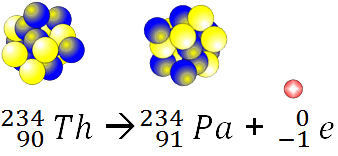
Which type of nuclear radiation is being emitted here?
a)
Alpha
b)
beta
c)
gamma 
d)
none
67.
Balance the following equation:
146C --> 0-1e + ________
a)
145B
b)
146C
c)
147N
d)
42He
68.

How many electrons can the inner electron shell hold?

a)

Two

b)

Eight

c)

Three

d)

Four

69.

How many electrons can the outerelectron shells hold?

a)

Two

b)

Eight

c)

Three

d)

Four

70.

What is an ion?

a)

An atom

b)

A negatively charged particle in an atom

c)

A positively charged particle in an atom

d)

A charged atom

71.

Why is an ion negative?

a)

It gained an electron

b)

It lost an electron

c)

It gained a proton

d)

It lost an electron

72.

Why is an ion positive?

a)

It gained an electron

b)

It lost an electron

c)

It gained a proton

d)

It lost an electron

73.

What do you call a positive ion?

a)

An atom

b)

An ion

c)

A cation

d)

An anion

74.

What do you call a negative ion?

a)

An atom

b)

An ion

c)

A cation

d)

An anion

75.

Why do atoms gain or lose electrons?

a)

Because they are careless.

b)

To make a full outer shell

c)

Because the forces aren't strong enough to hold them

d)

Because they are reacting.

76.

What would the charge be for an ion from group 3?

a)

+3

b)

-1

c)

+1

d)

-3

77.

What would the charge be for an ion from group 7?

a)

+3

b)

-1

c)

+1

d)

-3

78.

Ionic compounds are formed between _____

a)

metals and nonmetals

b)

two metals

c)

two nonmetals

d)

metalloids

79.

How does oxygen form a bond?

a)

It gives away 2 electrons

b)

It takes two electrons

c)

It gives away 4 electrons

d)

It takes 6 electrons

80.

How does calcium (Ca) form a bond?

a)

It takes 2 electrons

b)

It takes 6 electrons to have a full shell

c)

It gives up 2 electrons

d)

It does not form bonds

81.

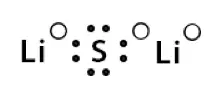
What are the correct symbols for the ions in this bond?

a)

Li +1 S-2 Li +1

b)

Li -1 S+2 Li -1

c)

Li +2 S -2

d)

Li + S -2 Li +

82.

Describe the melting points of ionic compounds.

a)

high

b)

low

c)

they do not melt because they are gases at room temperature

83.

Describe the electrical conductivity of ionic compounds.

a)

Ionic solids are good conductors of electricity.

b)

Ionic compounds conduct electricity if they are melted or dissolved in liquid.

c)

Ionic compounds are poor conductors of electricity.

84.

In what state of matter are ionic compounds at room temperature?

a)

solids

b)

liquids

c)

gases

85.

Which symbol correctly shows sulfur when it forms an ion?

a)

b)

c)

d)

86.

Which symbol correctly shows an aluminum ion when it forms a bond?

a)

b)

c)

d)

87.

When boron (B) forms a bond, does it become a cation or an anion?

a)

cation

b)

anion

88.
What is the electron configuration of sodium?
a)
2.8
b)
2.8.2
c)
2.8.1
d)
11
89.
What is the electron configuration of calcium?
a)
2.8.8.2
b)
2.8.10
c)
20
d)
2.18.2
90.
Which element has an electron configuration of 2.5?
a)
Oxygen
b)
Nitrogen
c)
Phosphorus
d)
Carbon
91.
Which element has an electron configuration of 2.8.8?
a)
Lead
b)
Flourine
c)
Neon
d)
Argon
92.
What is the electron configuration of Aluminium?
a)
2.8.3
b)
2.11
c)
13
d)
2.8.2
93.
What is the electron configuration of chlorine?
a)
17
b)
2.7
c)
2.8.7
d)
2.8.4
94.
Which element has the electron configuration of 2.8.2?
a)
Magnesium
b)
Sodium
c)
Sulfur
d)
Arsenic
95.
Which element has the electron configuration of 2.8.4?
a)
Neon
b)
Boron
c)
Gallium
d)
Silicon
96.
What is the electron configuration of beryllium?
a)
2.2
b)
2.4
c)
4
d)
6
97.
Which element has the electron configuration of 2.7?
a)
Krypton
b)
Iodine
c)
Flourine
d)
Barium
98.
What is the Law of Conservation of mass?
a)
Mass is created in a chemical reaction
b)
Mass is created in a physical change
c)
New chemicals formed from a chemical reaction have a larger overall mass than the original reactants
d)
Mass is never created or destroyed
99.
In a reaction A + B ----> C,  reactant A has 5g and product  C has 9g. How many grams does reactant B should have? 
a)
4g
b)
5g
c)
9g
d)
14g
100.
The number in front of a compound or element is a 
a)
Subscript
b)
Coefficient
c)
Superscript
d)
Charge
101.
The number to the lower side of an element is a 
a)
Subscript
b)
Superscript
c)
Coefficient
d)
Charge
102.
Matter can not be created nor destroyed: it can only be
a)
Destroyed a little bit
b)
Invisible
c)
Transformed, changed
d)
None of the above
103.
Which is Chemical Equation is Balanced?
a)
CH₄+O₂------CO₂+2H₂O
b)
H₂+O₂-----2H₂O₄
c)
4Al+3O₂-----2Al₂O₃
104.
Is this equation balanced or unbalanced? 
2Fe2O3 + 3C --> 4Fe + 3 CO2
a)
balanced
b)
unbalanced
105.
If a reaction starts with a total 75g of reactants it should produce 
a)
a total of 40g of products
b)
a total of 75g of products
c)
a total of 180 g of products
d)
None of the above
106.
In the reaction AB-----> A + B reactant AB has 12g and product B has 5g. How many grams should product A have?
a)
17g
b)
2g
c)
7g
d)
None of the above
107.
Bob puts 200 grams of ice into a pitcher with 900 grams of water. He gets distracted and comes back later to find that the ice has melted in the water. How many grams of water does Bob now have in the pitcher?
a)
200 g
b)
700 g
c)
1,100 g
108.

In a chemical equation...

a)

a new substance is formed

b)

new atoms are formed

c)

old atoms disappear

d)

a equal sign is always used

109.
What is the left part of a chemical equation called?
2H2 + O2 --> 2H2O
a)
Reactants
b)
Products 
c)
Yields 
d)
Chemical Equation 
110.
What is the right part of a chemical equation called...
2H2 + O2 --> 2H2O
a)
Reactants
b)
Products 
c)
Yields 
d)
Chemical Equation 
111.

a scientific principle that states mass cannot be created or destroyed during ordinary physical or chemical changes


mass of reactants = mass of products

a)

law of conservation of mass

b)

law of configuration

c)

newtons law

112.

Which of the following equations are correctly balanced?

a)

12CO2 + H2O ---> C6H12O6 + O2

b)

CO2 + H2O ---> 3C6H12O6 + O2

c)

CO2 + 9H2O ---> C6H12O6 + O2

d)

6CO2 + 6H2O ---> C6H12O6 + 6O2

113.

What is the total number of atoms present in 5Na3PO4?

a)

5

b)

55

c)

40

d)

8

114.

How many Mn atoms are found in the following compound?

2MnO4

a)

1

b)

2

c)

4

d)

8

115.

Is the following equation balanced?

Al + O2 ---> 2Al2O3

a)

YES

b)

NO

116.

Is the following equation balanced?

NaHCO3 ---> Na2CO3 + H2O + CO2

a)

YES

b)

NO

117.

Is the following equation balanced?

2C2H2 + 5O2 ---> 4CO2 + 2H2O

a)

YES

b)

NO

118.

Balance this equation:

H2 + Cl2 ---> HCl

a)

It is balanced.

b)

H2 + Cl2 ---> 2HCl

c)

3H2 + Cl2 ---> 6HCl

d)

H2 + 3Cl2 ---> 6HCl

119.

Balance this equation:

HgO ---> 2Hg + O2

a)

It is balanced.

b)

2HgO ---> 2Hg + O2

c)

2HgO ---> Hg + O2

d)

HgO ---> Hg + 2O2

120.
What coefficient should be used to make the following equation balanced?
N2+O2--> _NO 
a)
1
b)
2
c)
3
d)
4
121.

Which equation is balanced?

a)

PbO2 + 2H2

b)

SO2 + H20 --> H2SO4

c)

2Na + 2H2O --> 2NaOH + H2

122.
How many HCl molecules do you need to balance this equation? 
Mg +  __HCl --->  MgCl2 + H2
a)
1
b)
2
c)
3
d)
4
123.

What law governs the balancing of chemical equations?

a)

Law of Energy

b)

Law of Conservation of Matter/Mass

c)

Law of Gravity

d)

Law of Matter Movement

124.
What is the total number of atoms present in 5Na3PO4
a)
5
b)
40
c)
55
d)
8
125.

Balance this equation

_Al +_HCl --> _H2 +_AlCl3

a)

2,6,3,2

b)

it's already balanced

c)

4,12,3,4

d)

2,1,4,5

126.

What are the coefficients that would properly balance this equation?

__Ca + __H2O --> __Ca(OH)2 + __H2

a)

2,1 --> 2,1

b)

1,2 --> 1,1

c)

1,2 --> 2,4

d)

1,2 --> 2,1

127.
What is the right ratio of chemicals for the BCE (Balanced Chemical Equation)?__CO + __Fe2O3--> __Fe + __CO2
a)
3,1 --> 2,3
b)
3,2 --> 1,1
c)
3,2 --> 2,4
d)
3,2 --> 2,1
128.

What are the coefficients that would properly balance this equation?

__AgNO3 + __H2S --> __Ag2S+ __HNO3

a)

2,1 --> 1,2

b)

1,2 --> 1,1

c)

1,2 --> 1,2

d)

1,2 --> 2,1

129.

What are the coefficients that would properly balance this equation?

__H2 + __S --> __H2S

a)

1,1 --> 1

b)

2,2 --> 2

c)

1,2 --> 1

d)

1,2 --> 2

130.

What are the coefficients that would properly balance this equation?

__Al + __O2--> __Al2O3

a)

4,1 --> 2

b)

4,3 --> 4

c)

3,4 --> 1

d)

4,3 --> 2

131.
What is the total number of atoms present in 5Na3PO4
a)
5
b)
40
c)
55
d)
8
132.

Determine the coefficients to make the following equation balanced?

__N2 + __O2--> __NO

a)

1, 1, 1

b)

1, 1, 2

c)

2, 2, 2

d)

1, 2, 2

133.

Determine the coefficients to balance the equation.

__Al +__HCl --> __H2 +__AlCl3

a)

2,6,3,2

b)

it's already balanced

c)

4,12,3,4

d)

2,1,4,5

134.

Balance the the following equation.

__Zn+__HCl -->__ZnCl2 +__H2

a)

1,1,2,1

b)

1,1,1,2

c)

1,2,1,1

d)

2,1,1,1

135.
Which number should go in the blank?
Mn + _ HNO3 → Mn(NO3)2 + H2
a)
1
b)
2
c)
3
d)
0
136.
Which number should go in the blank?
Al(NO3)3 + _  NaOH -> Al(OH)3 + 3 NaNO3
a)
1
b)
2
c)
3
d)
0
137.
The numbers needed to balance the equation are:
a)
1, 1, 1, 2
b)
1, 1, 2, 2
c)
1, 1, 1, 1
d)
2, 3, 1, 3
138.
The numbers needed to balance the equation are:
a)
2, 7, 6, 4
b)
2, 1, 3, 2
c)
1, 1, 3, 2
d)
2, 3, 1, 3
139.
The numbers needed to balance the equation are:
a)
2, 7, 6, 4
b)
2, 1, 3, 2
c)
3, 1, 1, 3
d)
2, 3, 1, 3