
Font size
 Worksheets
Cato's poor housekeeper
Total questions: 21
Worksheet time: 31mins
What household role will be discussed?
Vilicae quae sunt officia curato faciat
What "gift" should the slave be grateful for?
si eam tibi, dederit dominus uxorem
Freedom
Money
Praise
How should the slave feel about his housekeeper/wife-gift?
esto contentus
(a)
What feeling should the slave inspire in his housekeeper-wife?
ea te metuat facito;
What should a housekeeper refrain from doing?
vicinas aliasque mulieres quam minimum utatur neve domum neve ad sese recipiat
Drinking to excess.
Having outside interests and hobbies.
Socializing with neighbors.
Spending unnecessary money.
What other two things should the housekeeper avoid doing?
ad cenam ne quo eat neve ambulatrix siet;
Having boyfriends and loitering in the streets.
Feeding stray animals and hitchhiking.
Going out to eat and wandering the streets.
Listening to loud music and dancing.
What role should the housekeeper have in religious affairs?
rem divinam ni faciat neve mandet qui pro ea faciat.
From whom should the housekeeper get her religion?
iniussu domini aut dominae
Her private god
Who is in charge of the family worship?
scito dominum pro tota familia rem divinam facere.
The eldest child
The parish priest
Recorded tradition
The family as a whole
The housekeeper must take care to be
Munda siet
Neat
Educated
Obedient
Pious
Efficient
What must be cleaned and when?
villam conversam mundeque habeat; focum purum circumversum cotidie, priusquam cubitum eat
The gardens must be kept clean; the hearth must be cleaned daily at noon.
The household must be kept clean; the hearth must be cleaned weekly.
The stables must be kept clean; the hearth must be cleaned daily at sunrise.
Match each date
Kal., Idibus, Nonis
Kalends
1st
Nones
5th/7th
Ides
13th/15th
Making stuff up
9th/19th
What should the housekeeper do on feast days?
festus dies cum erit, coronam in focum indat
Polish the household gods.
Prepare a large dinner.
Place a garland on the hearth.
Blacken the hearth.
To whom should the housekeeper pray on holy days and when?
per eosdemque dies lari familiari pro copia supplicet
The household gods whenever she has the chance.
The spirits of the land continuously.
The ancestors during the family gatherings.
The head of the household when the priest arrives.
To whom is this addressed?
Cibum tibi et familiae curet uti coctum habeat.
the housekeeper
the housekeeper's husband
the master
the household gods
What kind of food should be kept on hand?
Cibum tibi et familiae curet uti coctum habeat.
Already prepared foods
Easily prepared foods
Healthy and fresh foods
Varied and foreign foods
Which craze would Cato approve of?
Gallinas multas et ova uti habeat.

backyard chickens

sourdough starters

homebrew beer

OTT milkshakes

non-traditional serving platters
This food must be
quotannis diligenter uti condita habeat.
made fresh daily
stored for use throughout the year
prepared the traditional way
only served once a year
Which foods is Cato concerned with her having in store?
Pira arida, sorba, ficos, uvas passas….habeat haec omnia
fruits
meat
cheese
grains
Cato the Elder, also known as Marcus Porcius Cato (234–149 BCE), was a Roman statesman, military leader, and writer famous for his traditional values, fierce patriotism, and strong moral principles. Born into a modest family in Tusculum, Italy, Cato rose to prominence through hard work and dedication, eventually serving as consul (the highest elected office) and censor, a role that allowed him to oversee public morals and finances.
Cato’s importance in Roman history comes from his commitment to preserving Rome’s traditional values, especially against the influence of Greek culture, which he believed was weakening Roman virtues. He often used his speeches to criticize luxury, laziness, and corruption, urging Romans to embrace discipline, simplicity, and duty to the state. This conservative stance earned him the nickname Cato the Censor.
One of his most memorable contributions to literature is De Agricultura (On Farming), the earliest known Latin prose work, in which he offers practical advice on managing farms and slaves. Cato believed that farming was an honorable way of life and an essential part of Roman identity, so this book provided a model for Roman citizens. His writing style was simple, direct, and often witty, making his work popular and influential.
Cato is also famous for ending his speeches in the Senate with the phrase “Carthago delenda est” (“Carthage must be destroyed”), emphasizing his belief that Rome’s rival Carthage was a lasting threat. This insistence contributed to Rome’s decision to go to war and ultimately led to Carthage's destruction in the Third Punic War. Cato the Elder’s life and writings embody the virtues he prized, leaving a legacy as one of Rome’s staunchest defenders of tradition.
During which period of Roman history did Cato live?
monarchy
republic
empire
post-collapse
Which would NOT describe Cato's role in Roman society?
Politician
Emperor
Farmer
General
Author
What kind of family did Cato come from?
Cato came from a wealthy foreign family.
What was Cato the Elder's stance on Greek culture?
He embraced it
He was indifferent
He believed it weakened Roman virtues
He thought it was superior
Why was Cato called "Censor"?
As a critique of how judgmental he was.
As an acknowledgment as his role as Censor.
What is the title of Cato the Elder's notable literary work?
De Agricultura
The Aeneid
Histories
Metamorphoses
What phrase did Cato the Elder famously end his Senate speeches with?
Carthago delenda est
Veni, vidi, vici
Alea iacta est
Et tu, Brute?
What was Cato the Elder's view on farming?
An honorable way of life
A waste of time
A necessary evil
A luxury
Explain what political party Cato the Elder would belong to and why.
29-39.
Answer the questions below after watching the video
Who were the consuls at Cannae?
How were the Romans defeated at Cannae?
Why was Marcellus chosen to lead the siege of Syracuse?
Marcellus was chosen because he was known for being ruthless.
Marcellus was originally from Syracuse.
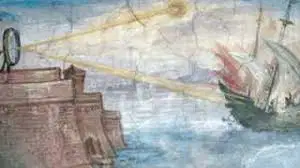
What famous mathematician and inventor of this "death ray" was from Syracuse?
Where did Scipio decide to bring the fight?
Sicily
Spain
Where was the final battle between Scipio and Hannibal?
Pharsalus
Actium
What won the day for the Romans at Zama?
Warships
Numidian cavalry
Overwhelming numbers
New catapult design
Which was NOT a stipulation of the peace treaty with Carthage?
Carthage could no longer conduct international relations
Rome took Iberia
war reparations
independence of Numidia
the city of Carthage was to be destroyed
What did Cato the Elder want most?
To become leader of the Senate.
Why did the Romans demand 500 children from the Carthaginians?
To ensure compliance and see if they could be made good Romans.
To sacrifice them to the Roman gods.
To keep them as slaves.
Why are there so many Carthage and salt references?
The ground at Carthage was salted to prevent crops from growing.
Carthage was known for producing salt.
The Carthaginians were "salty" after their defeat.

