
NEW
Font size
 Worksheets
CLMS weathering Vocab
Total questions: 22
Worksheet time: 12mins
What is physical weathering?
The process that breaks down rocks through chemical changes.
The type of weathering where rocks are physically broken into smaller pieces.
The process in which sediment is laid down in a new location.
A large natural elevation of the earth's surface.
What is chemical weathering?
The process that breaks down rocks through chemical changes.
The type of weathering where rocks are broken into smaller pieces.
A deposit of wind-blown sand.
A large body of water surrounded by land.
What are sediments?
A large body of water surrounded by land.
A natural stream of water that flows into another body of water.
Small pieces of material that come from rocks or the remains of organisms.
A line that forms a boundary between land and the ocean or lake.
What is erosion?
The process by which water, ice, wind, or gravity moves sediment particles.
The process in which sediment is laid down in a new location.
A large natural elevation of the earth's surface.
A deposit of wind-blown sand.
What is deposition?
The process by which water, ice, wind, or gravity moves sediment particles.
The process in which sediment is laid down in a new location.
A large body of water surrounded by land.
A natural stream of water that flows into another body of water.
Who is a geologist?
Someone who studies the the Earth.
Someone who studies the air.
Someone who studies the animals.
Someone who studies the water.
What are sand dunes?
A large body of water surrounded by land.
A deposit of wind-blown sand.
A natural stream of water that flows into another body of water.
A large natural elevation of the earth's surface.
What are coastlines?
A line that forms a boundary between land and the ocean or lake.
A large body of water surrounded by land.
A natural stream of water that flows into another body of water.
A large natural elevation of the earth's surface.
What is a glacier?
A large body of water surrounded by land.
A natural stream of water that flows into another body of water.
Any large mass of ice that moves slowly over land.
A deposit of wind-blown sand.
What are mountains?
A large natural elevation of the earth's surface rising abruptly from the surrounding level.
A large body of water surrounded by land.
A natural stream of water that flows into another body of water.
A line that forms a boundary between land and the ocean or lake.
What are rivers?
A large body of water surrounded by land.
A natural stream of water that flows into another body of water, such as an ocean, a lake, or another river.
A deposit of wind-blown sand.
A large natural elevation of the earth's surface.
What are lakes?
A large body of water surrounded by land.
A natural stream of water that flows into another body of water.
A deposit of wind-blown sand.
A large natural elevation of the earth's surface.
What are deltas?
A large body of water surrounded by land.
A natural stream of water that flows into another body of water.
A landform made of sediment that is deposited where a river flows into an ocean or lake.
A deposit of wind-blown sand.
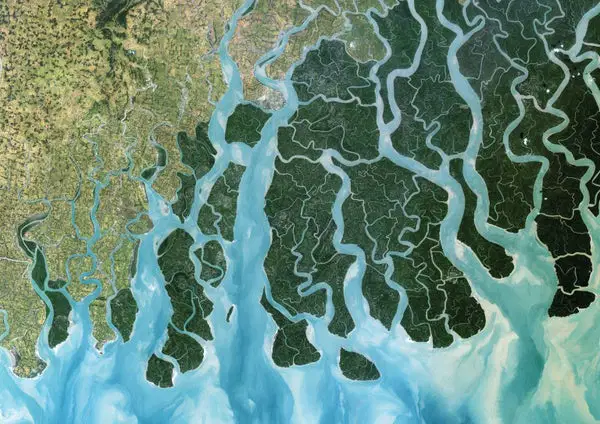
What is this an example of?
Dune
River
Lake
Delta
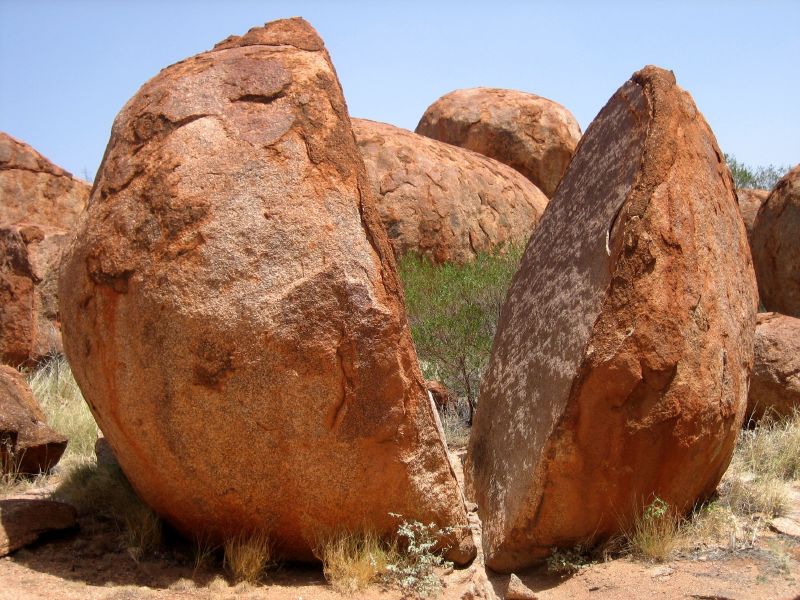
What is the wearing away or breaking down of rocks called?
Weathering
Erosion
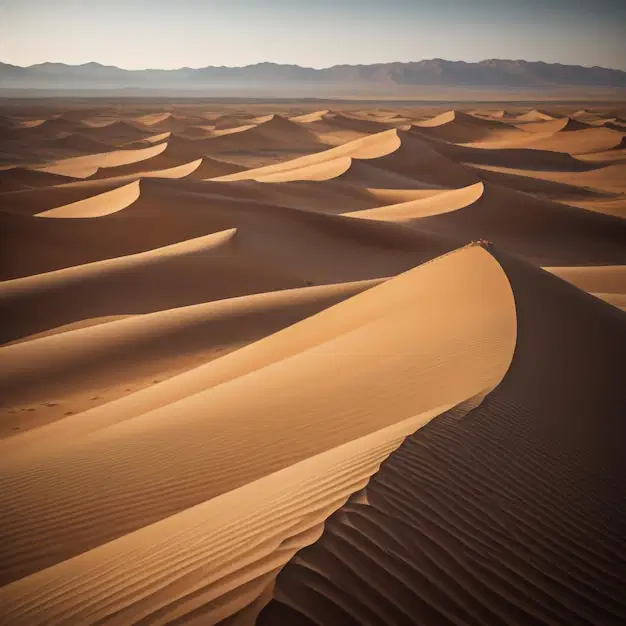
What is this an example of?
Mountains
Hills
Sand Dunes
Coastline


Chemical weathering that is caused by exposure to oxygen is called
Abrasion
Erosion
Oxidation
Deposition
Physical weathering that is caused by wind, water, and ice scraping away rocks is called
Abrasion
Erosion
Oxidation
Deposition

