
 Worksheets
Reflection, Refraction, and Absorption
Total questions: 18
Worksheet time: 11mins
When light waves bounce off a surface we call this:
Reflection
Refraction
Absorption
When light waves bend as they pass through a transparent medium we call this:
Refraction
Reflection
Absorption
When light waves are captured in matter and transferred to a new form of energy we call this:
Absorption
Reflection
Refraction
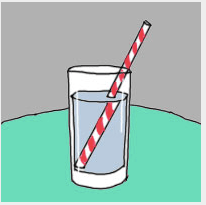
Why does the straw appear to be bent?
light is reflected
light is absorbed
light is turned
light is refracted
What do we call a material that light can travel through?
air
water
medium
pathway
What is a repeating disturbance or vibration that transfers or moves energy from place to place?
Medium
Wave
Compression
Rarefaction
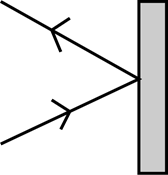
The illustration shows a light ray striking an object.
In the illustration, the light ray striking the object is-
absorbed
stopped
reflected
refracted
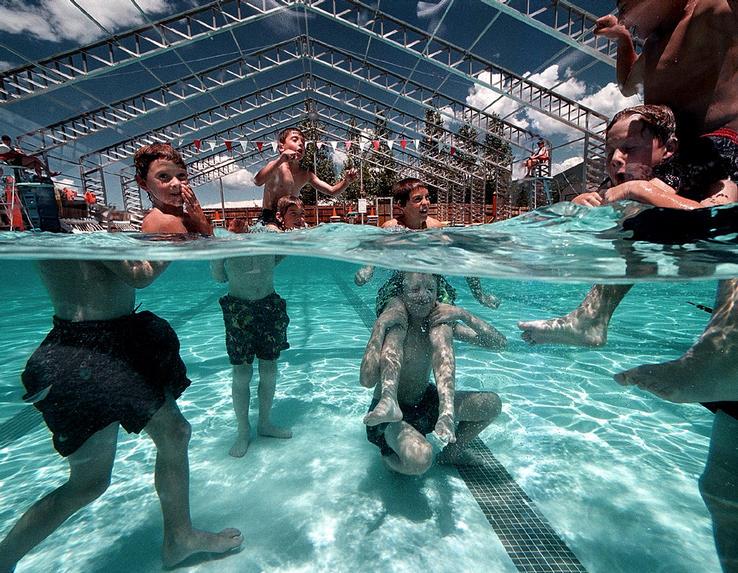
Why does the lower part of the child appear so much different in size from the upper part?
The light rays that travel through water and then into air are refracted.
The light rays that travel through water and then into air are enlarged.
The light rays that travel through air and then into water are reflected.
The light rays that travel through air and then into water are reduced.
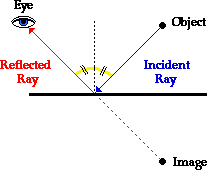
What is the angle of reflection equal to?
The angle of refraction
The angle of incidence
The angle of absorption
The angle of light

What might explain why light travels in a straight line?
If there is nothing to interfere with light waves, they should travel in a straight line.
Light waves will always travel in a straight line, even if they come into contact with another object.
Light waves don't travel in a straight line.
Light waves travel in a straight line because sound waves travel in a straight line.

What is the angle of incidence?
The angle at which light bends in water.
The angle at which light hits a surface.
The angle at which light is absorbed by an object.
The angle at which light bounces off a surface.
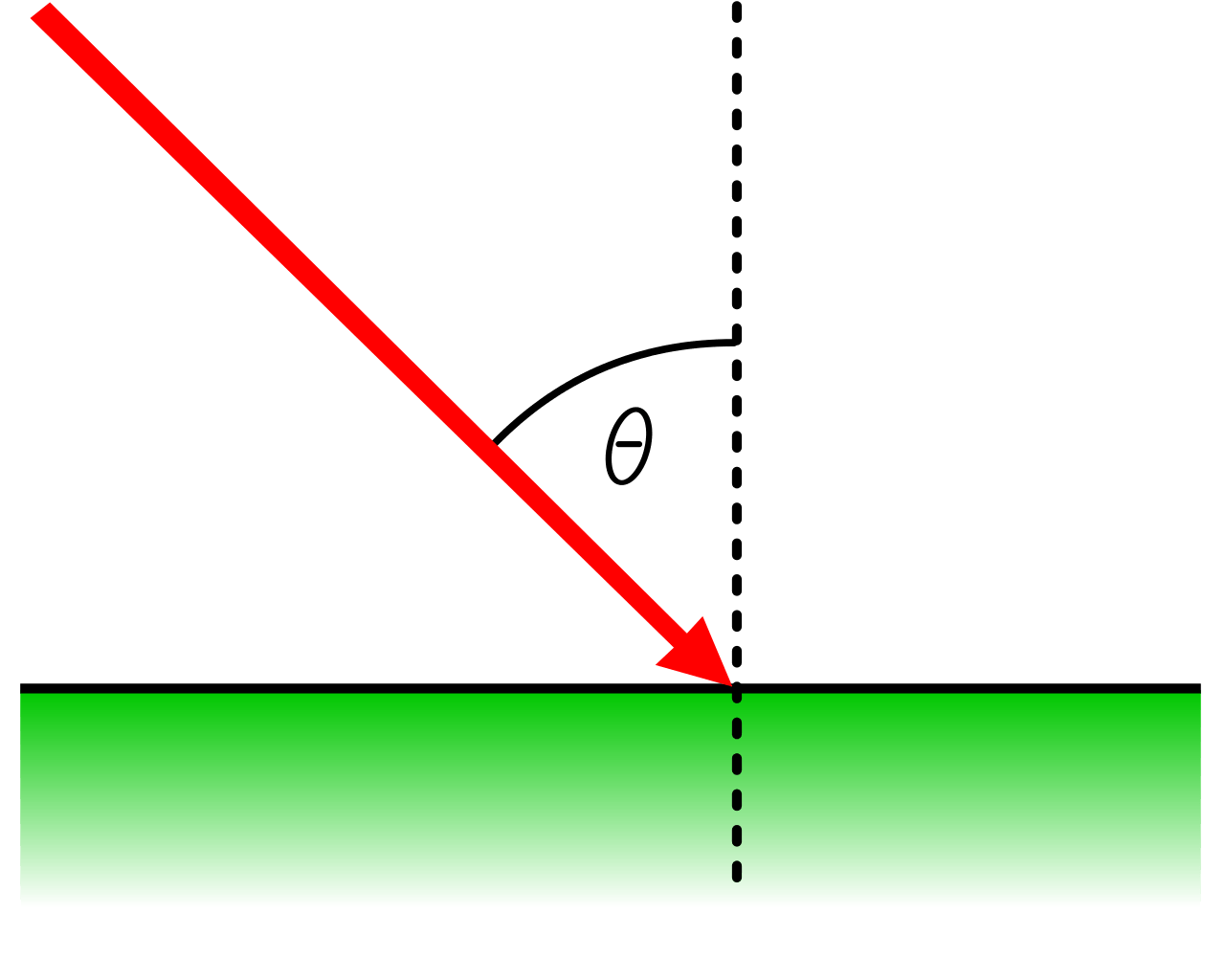
According to the Law of reflection, a light ray striking a mirror
continues moving through the mirror in the same direction
moves into the mirror at a slightly different angle
bounces off the mirror toward the direction it came from
bounces off the mirror at the same angle it hits.

What is the angle of reflection (θr) in the image?
56o
90o
124o
34o
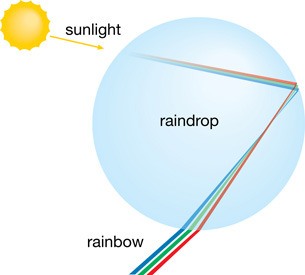
Light bending as it passes through a rain drop is an example of...
Refraction
Reflection
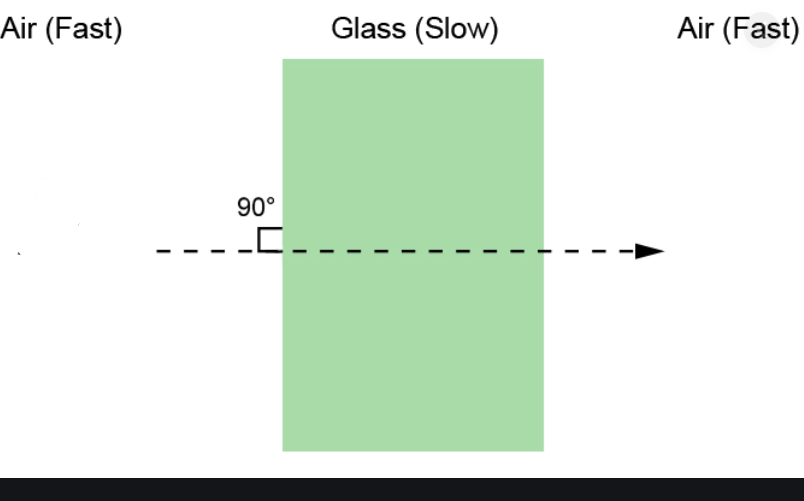
The line 90 degress through the refracting or reflecting surface is called?
Medium
Normal
Incidence
Reflection
Density is...
the amount of mass in an object
the amount of space an object takes up
the amount of mass in a given space
the weight of an object
A beam of light bends when it passes from air into water, and more when it passes from water into glass. What can you conclude from this fact?
Air is denser than glass
Water is denser than glass
Glass is denser than water
Air is denser than water
When light reflects off a surface, what is the relationship between the angle of impact and the angle of reflection?
The angle of impact is greater than the angle of reflection
The angle of impact is less than the angle of reflection
The angle of impact is equal to the angle of reflection
There is no relationship between the angle of impact and the angle of reflection

