
Font size
 Worksheets
Ancient Rome Formative Review 2024
Total questions: 28
Worksheet time: 15mins
According to the legend, the city of Rome was founded by:
Romulus
Alexander the Great
Romulus and Remus
Mars and Remus
a form of government in which citizens elect their leaders to represent them
oligarchy
monarchy
republic
aristocracy
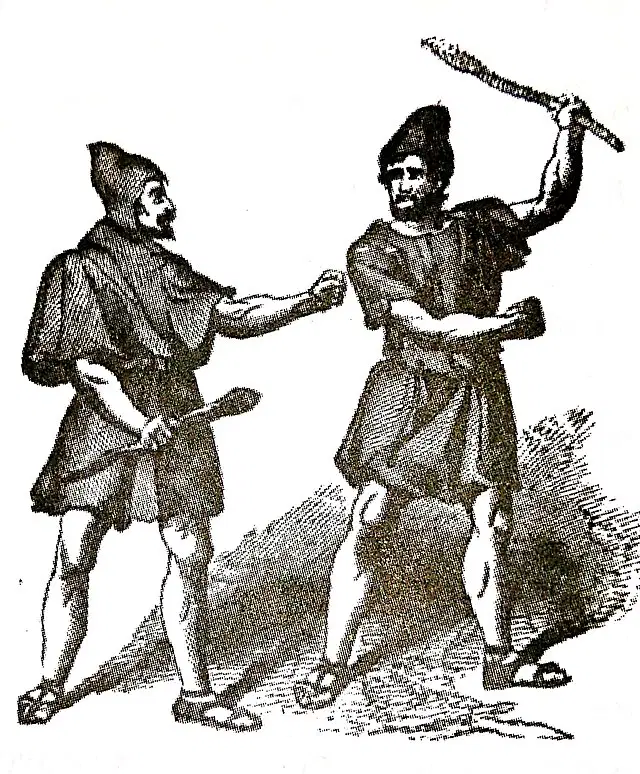
ordinary citizens
patricians
plebeians
legislature
tribune
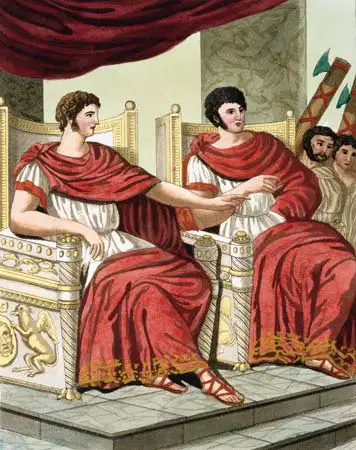
highest elected public officials of the Roman Republic
ruled together and had the power to veto each other
usually with a limited term in office
praetors
tribunes
plebeians
consuls

to reject or forbid
allow
tribune
veto
arrest

Bridge-like stone structures that carry water from the hills into Roman cities
roads
aqueducts
bridges
temples

Rome's public meeting place
Coliseum
Forum
Capital
Senate

What were the first written laws of Ancient Rome called?
The Code of Hammurabi.
The Bible.
The Ten Commandments
The Twelve Tables
A group of patricians who would serve government for life.
patricians
Twelve Tables
Law of Nations
senate

A class of Roman commoners made up of minor land owners, farmers, merchants, and craftsmen.
plebeians
consul
praetor
republic

Major landowners who formed the ruling class
patricians
plebeians
Law of Nations
Senate
Rome is located on which continent?
Europe
Africa
Asia
North America
Ancient Rome was located next to the ________ River.
Tiber
Mediterranean
Amazon
Nile
Greece & Rome are both surrounded by which sea?
Nile Sea
Mediterranean Sea
Tiber Sea
Pacific Sea
People in Ancient Rome and Greece farmed even though it was difficult because of which TWO reasons?
Floods
Limited rich soil
Mountains
Valleys
The Ancient Romans had a ___________________ democracy government.
Direct
Representative
Free
Vote
The Ancient Greeks had a ________ democracy.
free
representative
direct
people


What is a republic?
When people elect others to make decisions for them in government
when everyone has a say in government decisions
When the rich make all the laws
all of the answers
Which of the following was part of the Roman Republic's government?
Senate
Assemblies
Magistrates
all of these
What were the 12 Tables?
A list of laws posted in public based on 12 different sections
a list of emperors in order
the tables plebeians sat at during meetings
none of the answers

