
 Worksheets
T-lvl 1 2-8 Quiz on Principles of Light & sound
Total questions: 15
Worksheet time: 8mins
The primary purpose of using light in building design is (a)
What is the significance of light in the built environment?
It reduces the building's lifespan
It enhances the building's aesthetics
It increases construction time
It decreases the building's value
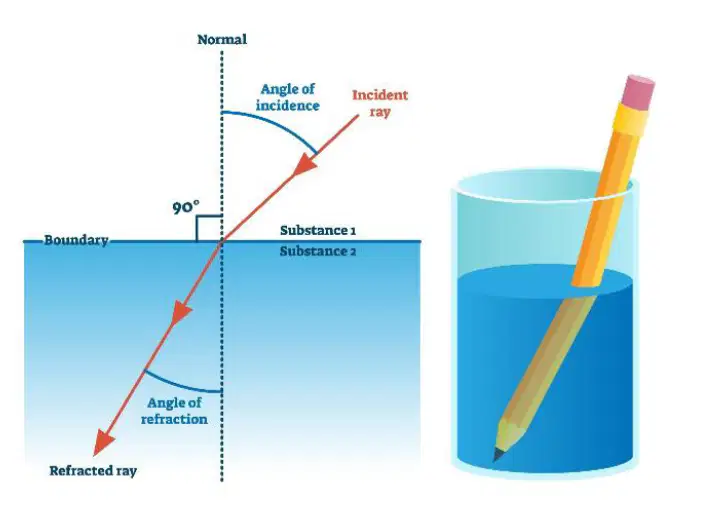
Match the following effects with their potential uses and drawbacks in buildings.
Refraction and reflection
Used in windows for light control but can cause glare
Absorption and diffusion
Helps in soundproofing but can trap heat
Conduction and convection
Facilitates heat transfer but can lead to energy loss
Insulation and ventilation
Maintains temperature but can restrict airflow
Some drawbacks of refraction and reflection in buildings include (a)
What is artificial light created using?
Sunlight
Electricity and a filament
Water and wind
Natural gas
Match the following lighting design principles with their descriptions.
Only artificial light
Lighting design that relies solely on man-made sources.
Only natural light
Lighting design that uses sunlight exclusively.
A blend of artificial and natural light
Lighting design that combines both man-made and sunlight sources.
No lighting
Lighting design that does not use any light sources.
What role does reflectance around a window play in the daylight factor?
It determines the color of the room
It affects the amount of natural light entering
It controls the temperature of the room
It influences the sound insulation
What is the effect of high reflectance around a window?
It decreases the amount of daylight
It increases the amount of daylight
It has no effect on daylight
It blocks daylight completely
What happens when vibrating particles enter a person’s ear?
They create light
They vibrate the ear drum
They stop moving
They change color
Which of the following is NOT mentioned as a method to reduce sound transference?
Use of carpets
Use of sound insulation quilts
Use of dense materials
Use of glass windows
One of the benefits of using carpets in buildings is (a)
What is the term used for the area that absorbs sound in a room?
Sound reflection area
Total absorption area
Noise reduction zone
Acoustic enhancement area
How can unwanted noise affect relaxation?
It enhances relaxation
It prevents relaxation
It has no effect
It makes relaxation easier
What must be adhered to according to the Control of Noise at Work Regulations 2005?
Noise regulations
Increased noise levels
Extended work hours
Reduced safety measures
The primary purpose of sound insulation in buildings is to (a) .

