
 Worksheets
Muscular System Test
Total questions: 52
Worksheet time: 26mins

This term means "electricity".
kines/o or kinesi/o
rhabd/o
electr/o
tens/o
This term means "rod-shaped".
kines/o or kinesi/o
rhabd/o
electr/o
tens/o
This term means "stretched or strained".
kines/o or kinesi/o
rhabd/o
electr/o
tens/o

This term means "movement".
kines/o or kinesi/o
rhabd/o
electr/o
tens/o

This term means "to walk or move about".
fasci/o
flex/o
ambul/o
duct/o
This term means "to lead or to carry".
fasci/o
flex/o
ambul/o
duct/o
This term means "fibrous band or facia".
fasci/o
flex/o
ambul/o
duct/o

This term means "to bend".
fasci/o
flex/o
ambul/o
duct/o

This term means "muscle".
plant/o
muscul/o
myocardi/o
vers/o
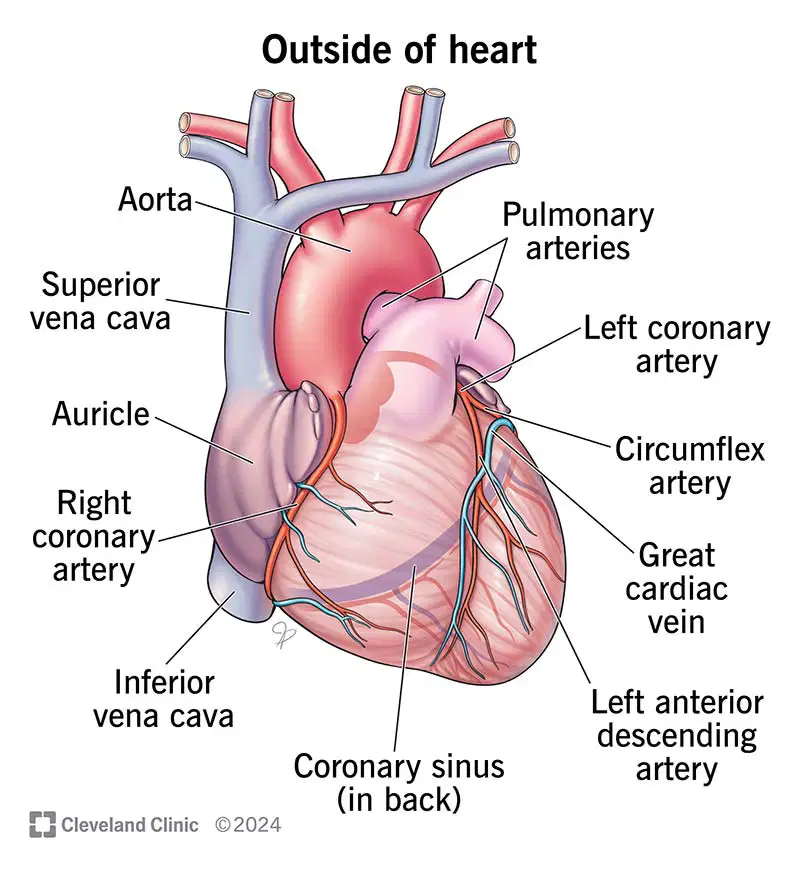
This term means heart muscle.
plant/o
muscul/o
myocardi/o
vers/o
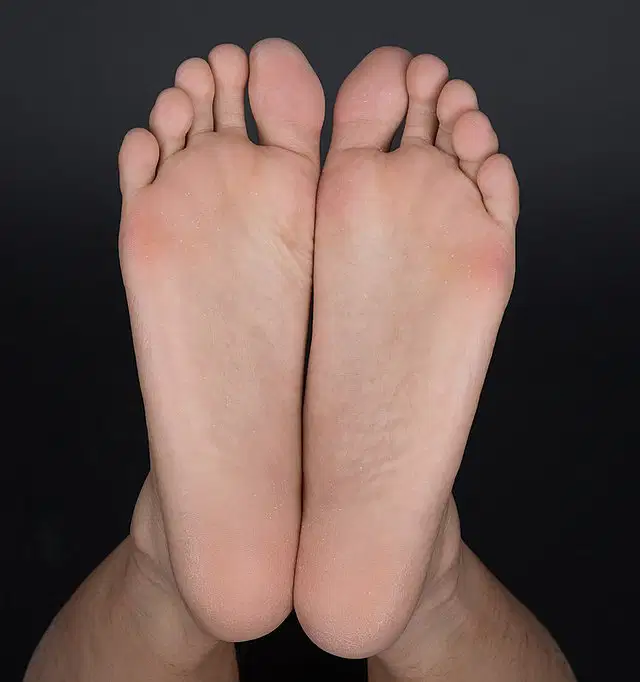
This term means sole of the foot.
plant/o
muscul/o
myocardi/o
vers/o
This term means turn or turning.
plant/o
muscul/o
myocardi/o
vers/o

The prefix “ab-” means...
away or away from
toward
before
both sides

The prefix “ad-” means...
away or away from
toward
before
both sides
The prefix “ambi-” means...
away or away from
toward
before
both sides

The prefix “ante-” means...
away or away from
toward
before
both sides

The prefix “circum-” means...
half
painful or difficult
around
fast
The prefix “dys-” means...
half
painful or difficult
around
fast
The prefix “tachy-” means...
half
painful or difficult
around
fast

The suffix “-asthenia” means...
hernia, swelling or protrusion
heads or attachments.
inflammation
weakness
The suffix “-cele” means...
hernia, swelling or protrusion
heads or attachments.
inflammation
weakness

The suffix “-ceps” means...
hernia, swelling or protrusion
heads or attachments.
inflammation
weakness

The suffix “-itis” means...
hernia, swelling or protrusion
heads or attachments.
inflammation
weakness

The suffix “-oma” means...
paralysis
rupture
tumor or mass
pain
The suffix “-plegia” means...
paralysis
rupture
tumor or mass
pain
The suffix “-rrhexis” means...
paralysis
rupture
tumor or mass
pain
The suffix “-algia” means...
paralysis
rupture
tumor or mass
pain
The suffix "-esthesia" means...
Sensation
process of cutting or incision.
tone or tension
breakdown, separation, or loosening
The suffix "-lysis" means...
Sensation
process of cutting or incision.
tone or tension
breakdown, separation, or loosening
The suffix "-tomy" means...
Sensation
process of cutting or incision.
tone or tension
breakdown, separation, or loosening
The suffix "-tonia" means...
Sensation
process of cutting or incision.
tone or tension
breakdown, separation, or loosening

The 3 types of muscle are...__________, _________. and ____________. (Choose 3)
b. Smooth (visceral)
e. Fibrous
a. Rough
c. Cardiac (myocardial)
d. Skeletal (striated)
True or false: Voluntary muscles move under unconscious control.
True
False
True or false: The origin of the muscle is the attachment site that does not move.
True
False
___________Movement of a body part away from the midline of the body.
abduction
adduction
inversion
eversion
____________Movement of the body part toward the midline of the body.
f. adduction
g. abduction
i. eversion
h. circumduction
______________Rotation of an arm or leg. (as if “drawing a circle” with the limb) This type of motion occurs in multiple planes.
h. circumduction
f. adduction
g. abduction
e. inversion
___________Movement of the sole of the foot upward (flexed toward the lower leg).
a. plantar flexion
b. dorsiflexion
c. inversion
d. eversion
___________The downward motion of the plantar surface (sole of the foot) away from the body.
a. plantar flexion
b. dorsiflexion
c. pronation
d. supination
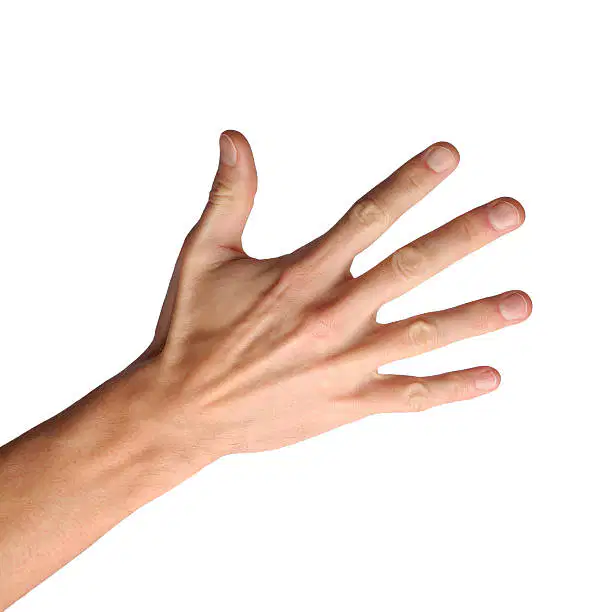
________________ The rotational motion of the forearm in which the palm moves to face downward.
a. supination
b. inversion
c. pronation
d. eversion
____________The downward motion of the plantar surface (sole of the foot) away from the body.
a. plantar flexion
b. dorsiflexion
c. pronation
d. supination
________________ The turning outward of the sole of the foot.
i. eversion
ii. inversion
iii. dorsiflexion
iv. plantarflexion
____________The turning inward of the sole of the foot.
e. inversion
a. eversion
b. dorsiflexion
c. plantarflexion
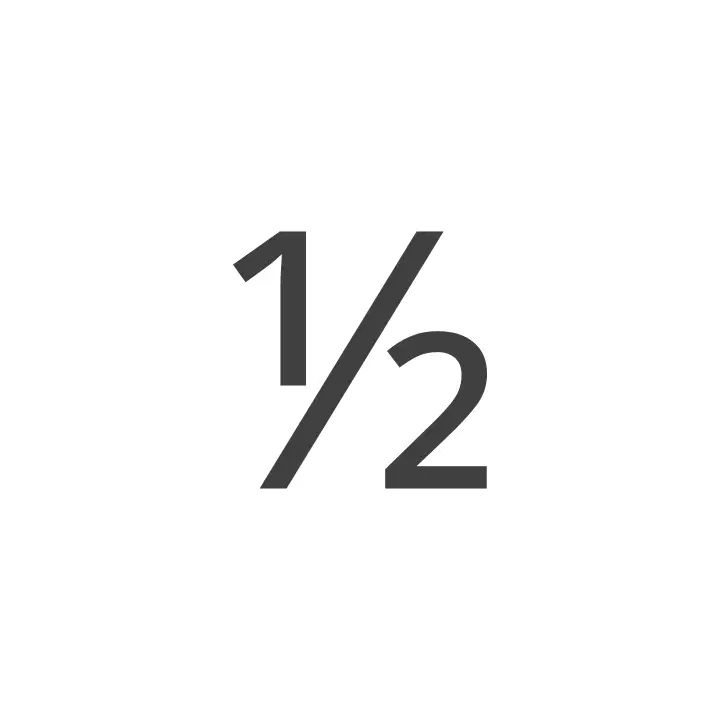
This term means "half".
half
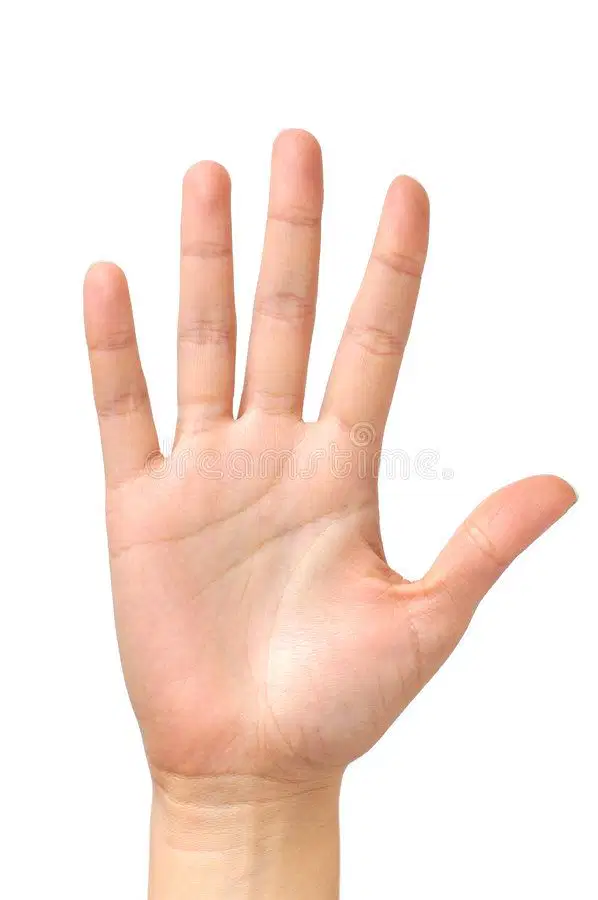
____________The rotational motion of the forearm in the which the palm moves to face upward.
_______________Wasting away or shrinkage of muscle size.
_____________ A state of sustained muscular contraction.
atrophy
tetany
___________The measurement of range of motion in a joint.
______________This abbreviation means “ambulate or to walk”.
limp
run
stand
amb
____________This abbreviation means to “activities of daily living”.
____________This abbreviation means “intramuscular”.
True or False: The abbreviation EMG means “electromyogram”.

