
 Worksheets
INDUSTRIALIZATION
Total questions: 76
Worksheet time: 1hrs 3mins
The term laissez-faire roughly translates to mean
leave alone
resist
freedom
control
During the Industrial Revolution, a new social and economic class that developed was the
serfs
rich, or the upper class
expanded lower class
middle class
Why was England the site of the beginnings of the Industrial Revolution?
England was the most powerful nation in the world
It wasn't; history has unfairly given England credit for the Industrial Revolution
England had an abundance of natural resources such as coal, iron ore, and waterways where water wheels and steam engines could be built
England was centrally located to many areas like France, Germany, Spain, and Ireland, giving them an advantage to bring in resources and talent from many places
In what industry did the Industrial Revolution start?
farming
textile/cloth industry
maritime industry
coal industry
Laissez-faire capitalism as attributed to Adam Smith called for
heavy taxation of manufacturers
strict government control of the economy
minimal government involvement in the economy
government investments in major industries
In his book The Communist Manifesto, Karl Marx expressed the idea that
religion should be the most important factor in society
power should be determined by a person’s wealth
profits from work should belong to the workers
supply and demand should control prices
A reason some businesses hired children was:
To provide the children a bright future and opportunities
So they could save money by paying the children less money
So the children could take care of the heavy labor required for their business
To improve their public image

Which of the following was NOT true of poor urban neighborhoods?
They were filled with overcrowded tenements.
The living conditions were dirty and squalid.
Most urbanites lived in factory-owned apartments.
The incidence of diseases was increasing.

What natural resources gave Great Britain an advantage in the Industrial Revolution?
water and forests
wildlife and precious gems
coal and iron
good harbors

Adam Smith, who took up for laissez-faire economics, believed that:
mercantilism was the only way to insure a truly free trade.
the government should regulate the economy.
the government should not interfere with the economy.
colonies were an important source of conpetition.

How did industrialization impact women?
Many women entered the paid workplace.
Many women practiced traditional economic activities.
It had no impact on the lives of women.
Women moved from cities to rural areas.
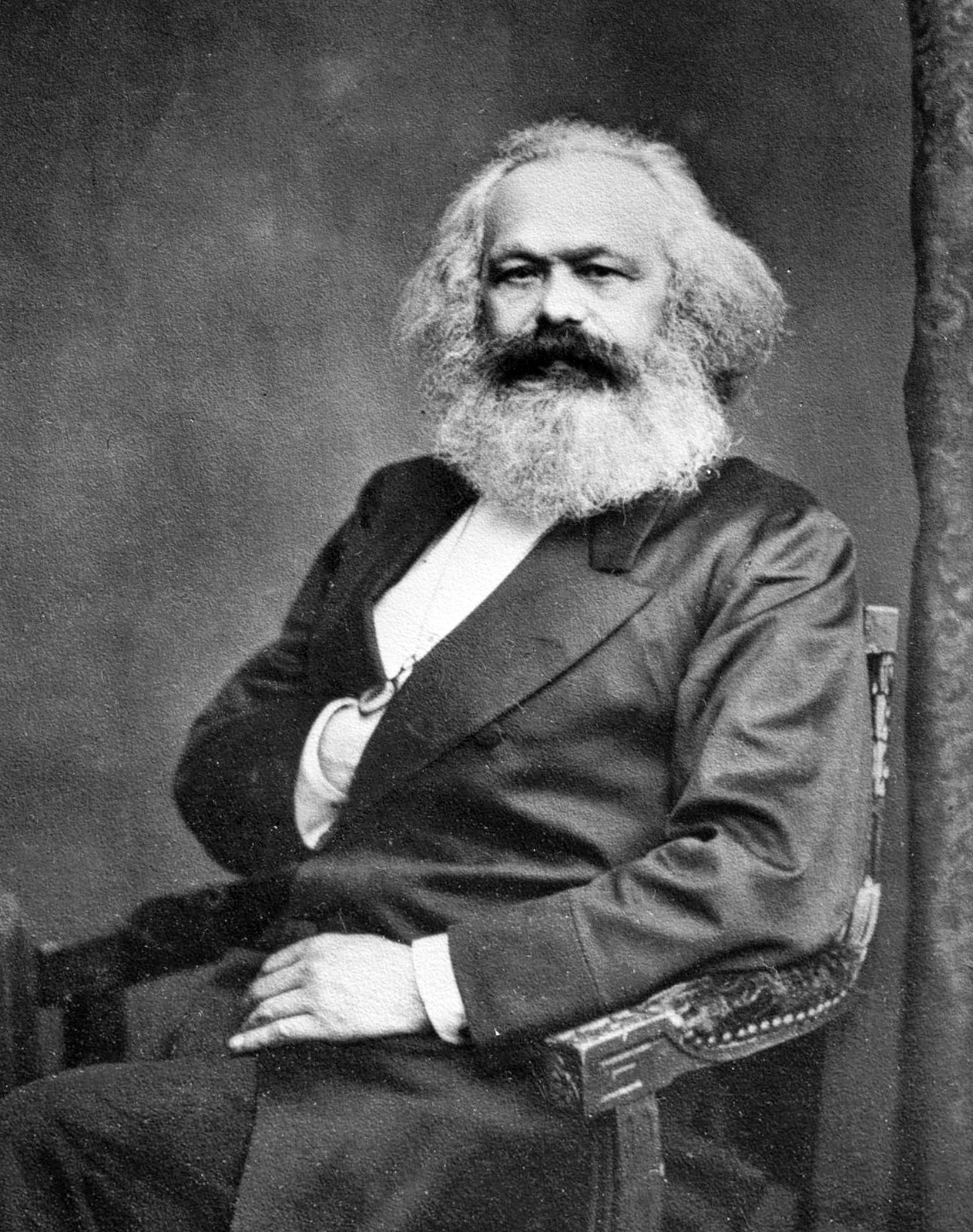
Karl Marx spelled out how he believed that workers should rise up against factory owners, outlining the basic principles of
capitalism
socialism
communism
command economies
What natural resources gave Great Britain an advantage in the Industrial Revolution?
water and forests
wildlife and precious gems
coal and iron
good harbors
__________________ predicted a violent revolution that would result in the working class taking over in a classless political and economic systems known as communism.
John Adams
Thomas Smith
Karl Marx
Edward Jenner
Select the negative effects of the Industrial Revolution:
Pollution
Overcrowded cities
Poor working conditions
Increase in wages
The increase in the development of new uses for (a) led to a period of industrial growth during the late 1800s.
How did new inventions and developments in the late 19th century change the way people worked?
New inventions decreased the number of jobs, which made it more difficult for women to find work.
New processes helped make it possible to make larger quantities of goods in a shorter amount of time.
New developments reduced the flexibility of manufacturers to decide where to locate their plants.
New workers made it possible to fire old workers.
Which of the following is a pull factor that drew immigrants to settle in the United States during the late 1800s and early 1900s?
Religious Persecution
War
Lack of Democracy
More Employment Opportunities
How did the Bessemer process improve manufacturing?
It produced a dense metal that was soft and tended to rust.
It enabled manufacturers to produce quality steel from scrap metal.
It provided a cheap and efficient process to produce a flexible, rust-resistant metal, known as steel.
the belief that individuals could not better themselves through their own efforts
Who patented the telegraph
Alexander Bell
Thomas Edison
Samuel Morris
Nicolas Tesla
What new power technology was used by Robert Fulton to power boats?
electricity
wind
steam
nuclear
In the early days of the Industrial Revolution, many factories were built along rivers because
water was a major source of irrigation
water power was used to power factory machines
ships could easily deliver goods to factories
ships could bring in supplies
A place where people use machines to mass produce goods.
Cartel
Corporation
Factory
Urbanization
Which of the following was NOT associated with early factory working conditions?
Low wages
Dangerous working conditions
Safe working conditions
Poor air quality/pollution
Child labor
The agricultural revolution led to Britain’s industrialization (mass production) because…
It created universal male suffrage
It greatly increased the number of people working in agricultural fields
It encouraged the fair and equal treatment of workers on farms and in factories
It destroyed the cottage industry and made people look for work to work in factories
It led to new inventions as well as urban industrialization
The agricultural revolution would allow for….
Larger populations
Increase in wealth of peasants
Decreased populations
More small family farms
Which term refers to the “money to invest in labor, machines and raw materials” necessary to start a factory and industrialize?
Capital
Industrialization
Entrepreneur
Factory system
The movement of people into cities is called…
Emigration
Immigration
Urbanization
Absorption
What was the major spark to the Industrial Revolution?
Agricultural Revolution
Oil Revolution
Mechanic Revolution
Invention Revolution
Why was England the site of the beginnings of the Industrial Revolution?
England was the most powerful nation in the world
It wasn't; history has unfairly given England credit for the Industrial Revolution
England had an abundance of natural resources such as coal, iron ore, and waterways where water wheels and steam engines could be built
England was centrally located to many areas like France, Germany, Spain, and Ireland, giving them an advantage to bring in resources and talent from many places

This picture from America in the 1800s shows
Children in recreation and leisure
Industrialization and the assembly line
A company that collaborates with employees to reform laws
Employees who took control of the factories in which they worked

This proves that workers tolerated poor wages and working conditions because they
Could be replaced easily by other workers
Believed it had to get worse before it got better
thought that the government would protect them
Were tricked by employers into taking dangerous jobs
Multi-storied houses
tenements
duplexes
condominiums
The Steam Engine
Marie Curie
Karl Marx
James Watt
What natural resources gave Great Britain an advantage in the Industrial Revolution?
water and forests
wildlife and precious gems
coal and iron
good harbors
Adam Smith, who took up for laissez-faire economics, believed that:
mercantilism was the only way to insure a truly free trade.
the government should regulate the economy.
the government should not interfere with the economy.
colonies were an important source of conpetition.
__________________ predicted a violent revolution that would result in the working class taking over in a classless political and economic systems known as communism.
John Adams
Thomas Smith
Karl Marx
Edward Jenner
In economics, what is the laissez-faire policy?
a policy that allowed labor to set working conditions based on votes on issues relevant to their industry
a policy that taught owners of industry how to set working conditions based on government standards
a policy that let owners of industry set working conditions without government interference
Select the negative effects of the Industrial Revolution:
Pollution
Overcrowded cities
Poor working conditions
Increase in wages

Laissez-faire capitalism as attributed to Adam Smith called for
heavy taxation of manufacturers
strict government control of the economy
minimal government involvement in the economy
government investments in major industries
Karl Marx and Friedrich Engels encouraged workers to improve their lives by
electing union representatives
participating in local government
overthrowing the capitalist system
demanding pensions and disability insurance
A political theory derived from Karl Marx, advocating class war and leading to a society in which all property is publicly owned and each person works and is paid according to their abilities and needs.
Communism
Free enterprise system
Karl Marx
Law of competition
Who owned everything under communism?
Wealthy people
The government/state
The poor people
Which one is a characteristic of Communism / Socialism ?
Freedom of Competition
Supply and Demand
Market Economy
Classless Society
Goal: Individuals should pursue their own self-interest by working to earn individual profit.
Communism
Capitalism
There are social classes
Communism
Capitalism
Individuals can own businesses
Communism
Capitalism

