wayground logo

Free Printable Worksheets

Font size

S
M
L
XL
Worksheets

Early Colonial to End of American Revolution

Total questions: 72

Worksheet time: 44mins

Name
Class
Date
1.

What were the colonists of Jamestown hoping to find in the New World?

a)

Tobacco

b)

Shells

c)

Gold

d)

Iron

2.

What thing saved the Jamestown colonists and made the colony very rich?

a)

Tobacco

b)

Shells

c)

Gold

d)

Iron

3.

Which colonial group is associated with very cold winters and somewhat mild summers?

a)

Southern Colonies

b)

Middle Colonies

c)

New England Colonies

d)

The Quakers

4.

Which colonial group is known for having a very diverse population, including people from all over the world?

a)

Southern Colonies

b)

Middle Colonies

c)

New England Colonies

d)

The Quakers

5.

Which colonial group is most associated with plantations, farming, and seclusion?

a)

Southern Colonies

b)

Middle Colonies

c)

New England Colonies

d)

The Quakers

6.

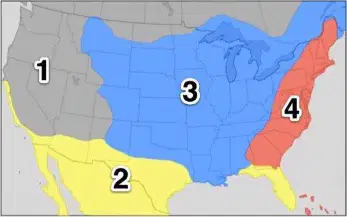
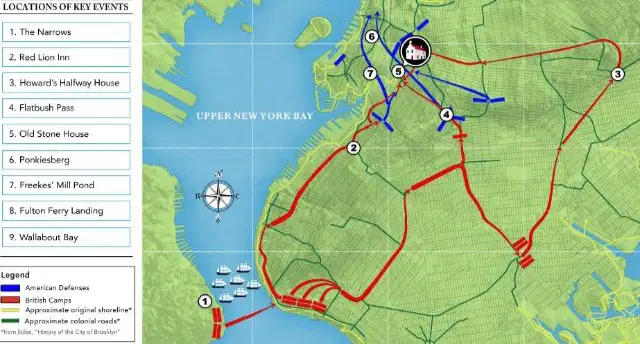
Which number on this map marks where the British colonies were located?

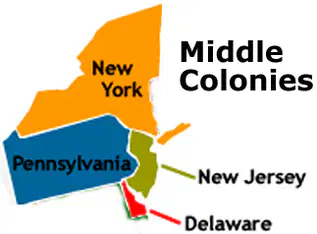
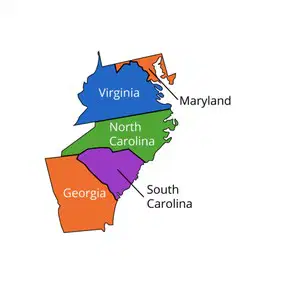
a)

1

b)

2

c)

3

d)

4

7.

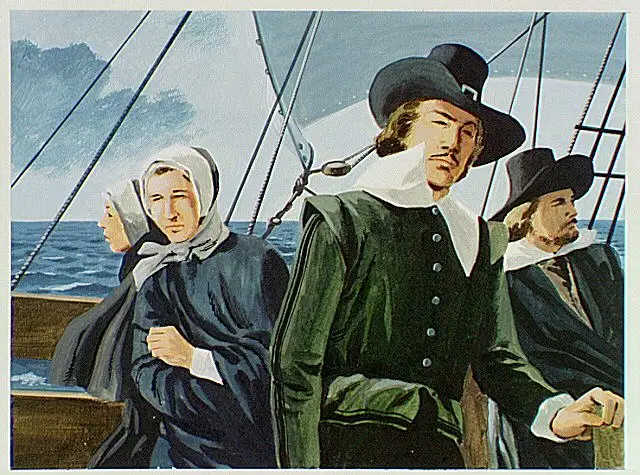
What is the name of the boat people used to get to the New World?

a)

The Shipwell

b)

The Mayflower

c)

The Voyager

d)

The Terror

8.

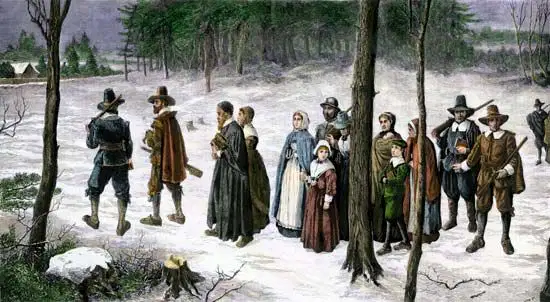
What group of people were on this boat?

a)

The Merchants

b)

The Quakers

c)

The Zenobia

d)

The Pilgrims

9.

What was the Puritains objective? Why did they flee England and Britain?

a)

To make it rich in the new world.

b)

To find better weather and work.

c)

To gain religious freedom and find better work.

d)

To gain religious freedom and map the New World.

10.

What is the Mayflower Compact?

a)

A document that was signed on board the Mayflower (ship) that created rules and a self-governing system where they were landing.

b)

A document that was made about the Mayflower that detailed how the ship was created and how it is meant to be unkept.

c)

A document that details historical facts and stories from those on board the Mayflower.

d)

A document that contains the life story of John Fitzgerald Mayflower, the first true colonist of America.
11.

What was the first act passed against the colonists in America?

a)

The Sugar Act

b)

The Stamp Act

c)

The Tea Act

d)

The Proclamation Line of 1763

12.

What did the Proclamation Line of 1763 do?

a)

It allowed settlers to begin colonizing the territory gained from the French (after the end of the French and Indian War)

b)

It forced settlers to stop colonizing the territory gained from the French (after the end of the French and Indian War)

c)

It settled a dispute between several colonies about which ones could be identified as Middle Colonies or as Southern Colonies.

d)

It settled a dispute between several colonies about which ones could be identified as Middle Colonies or as New England Colonies.

13.

Why did the British begin taxing the colonies?

a)

Because they were very greedy and just wanted more

b)

Because trade agreements with India and China were not as lucrative as they thought they would be

c)

Because the French and Indian War cost a lot of money and Britain was in heavy debt

d)

Because they were going through their industrial revolution, which required a lot of capital for it to take off and get going

14.

What act most affected and taxes paper goods?

a)

The Stamp Act

b)

The Tea Act

c)

The Townshend Acts

d)

The Intolerable Acts

15.

What did the Quartering Act do?

a)

It made the colonists create new quarters for all soldiers who requested it

b)

It made the colonists quarter British soldiers in their homes, providing basic requirements like food

c)

It created a tax on homes and raised other related housing costs

d)

It created a tax on all quarters minted by the British government

16.

What Act taxed regular household items and materials, like glass, tea, and paint?

a)

The Stamp Act

b)

The Tea Act

c)

The Townshend Acts

d)

The Intolerable Acts

17.

What is the name of the Act that made British tea cheaper in the colonies and gave sole selling rights to the British East India Company?

a)

The Sugar Act

b)

The Tea Act

c)

The Townshend Acts

d)

The Intolerable Acts

18.

What is the Boston Massacre?

a)

British soldiers fired upon a crowd of colonists outside of a store house when the colonists got rough with them, hitting them with makeshift clubs and snowballs

b)

British soldiers fired upon a crowd of colonists in the middle of the street when they were completely defenseless and just walking by

c)

Colonial soldiers fired upon a crowd of British in the middle of the street when they were completely defenseless and just walking by

d)

Colonial soldiers fired upon a crowd of loyalists outside of a store house when the loyalists got rough with them, hitting them with makeshift clubs and snowballs

19.

Why did people decide to dump tea into Boston Harbor? What was this event called?

a)

As a form of protest against the Tea Act. The Boston Tea Party

b)

As a form of protest against the Tea Act. The Native Tea Bash

c)

As a means of preventing colonial wealth gains from the tea. The Boston Tea Dump

d)

As a means of preventing colonial wealth gains from the tea. The Native Tea Dump

20.

Why did people begin to stockpile weapons in Lexington/Concord, Massachusetts?

a)

Because colonists wanted to be prepared for potential conflict with the British after the Intolerable Acts

b)

Because a French invasion was imminent and they needed to prepare for a foreign attack

c)

Because new hunting laws required colonists to own weapons to hunt for food

d)

Because taxes on weapons were about to expire and people wanted to buy and store them early

21.

Why did the Battle of Lexington and Concord occur?

a)

The British marched to these two towns to collect weapons stockpiled by the colonists. The colonists warned themselves and created a militia to repel the British.

b)

The British invaded Long Island outside of Brooklyn in an attempt to outmaneuver and destroy the colonial army while also taking a major city

c)

The British wanted to siege the city of Lexington to force the colonists out and give them the ability to take over the city

d)

There is no such battle that occurred with that name during this war

22.

What was the first battle of the American Revolution?

a)

Lexington and Concord

b)

Bunker Hill

c)

Saratoga

d)

Yorktown

23.

Did the first battle of the American Revolution occur before or after the Declaration of Independence?

a)

Before

b)

After

c)

Neither

d)

Both

24.

What Siege/battle occurred directly after the events of Lexington and Concord?

a)

The Siege of Boston

b)

The Battle of Saratoga

c)

The Battle of Trenton

d)

The Siege of Yorktown

25.

How was the Siege of Boston broken?

a)

Colonists gained additional guns and used them to enter and capture the city by force

b)

Colonists waited out the British until they starved and surrendered the city of Boson

c)

Colonists pulled away from the city and gave the British an opportunity to escape, only to then launch a surprise attack on them

d)

Colonists utilized cannons from forts up north to fire upon and force the British from Boston

26.

What happened at the Second Continental Congress?

a)

The Constitution was made

b)

The Articles of Confederation was made

c)

The Declaration of Independence was made

d)

The fate of the world was decided

27.

What was the purpose of the Declaration of Independence?

a)

To formally declare our intentions of peace with Great Britain

b)

To only declare our intentions of revolting against Great Britain

c)

To declare independence from Great Britain and state why we are doing so

d)

To state that the individual colonies have distinct and separate identities

28.

What was the next major battle that occurred after the Siege of Boston?

a)

The Battle of Saratoga

b)

The Battle of Trenton

c)

The Battle of Brooklyn

d)

The Battle of Yorktown

29.

How did the Battle of Brooklyn/Long Island go for the patriots/revolutionaries?

a)

They won decisively and as William Howe and other British officers made mistakes, forcing the British to retreat

b)

They suffered a major defeat since William Howe snuck up on the Americans with an overwhelming force, forcing the patriots to withdraw

c)

It ended in a stalemate with no clear winner as both sides continued to occupt the field outside of New York

d)

The patriots captured New York City from the loyalists and British, securing a sound victory

30.

How was the Continental Army doing after the Battle of Brooklyn?

a)

They were doing amazing and had a lot of supplies and an easy time keeping soldiers in the army

b)

The were not doing amazing and had very little supplies and trouble retaining soldiers

c)

They were winning lots of battles and were very confident about their future prospects in the war

d)

They were losing lots of battles, but were getting plenty of supplies from the French

31.

Why was a patriot victory so desperately needed from the Battles of Trenton and Princeton?

a)

Because army and colonial morale was so low that a loss might have caused the army to dissolve and the war to end

b)

Because people desperately needed the city of Trenton due to its strategic importance

c)

Because people desperately needed supplies that were found in the city of Trenton

d)

No reason really

32.

What happened during the Battle of Trenton? (Describe here)

a)

Washington crossed the Delaware River and launched a surprise attack that defeated the Hessian garrison

b)

British forces overwhelmed the patriots and captured Philadelphia

c)

The battle was a naval engagement that blocked British ships from entering Boston Harbor

d)

It was a minor skirmish that had little effect on morale

33.

Why is the Battle of Saratoga important?

a)

It was a turning point in the war

b)

It was a big moment for General Howe

c)

It was the beginning of British dominance in the war

d)

It wasn’t

34.

What important thing happened as a result of the Battle of Saratoga?

a)

It gave the Continental Army much needed supplies and strategic importance

b)

It gave the Continental Army much needed advertising within the colonies and boosted local industries around Saratoga

c)

It caused the French to think that the revolutionaries might actually win the war, causing them to give us soldiers, supplies, and other useful things

d)

It caused the Spanish to think that the revolutionaries might actually win the war, causing them to give us soldiers, supplies, and other useful things

35.

Why did George Washington make camp at Valley Forge?

a)

To keep an eye on Howe and the British who took over Philadelphia

b)

To keep an eye on Cornwallis and the British who took over Charleston

c)

To give the army much needed rest after many weeks of marching

d)

To take cover from continuous British guerilla tactics

36.

What happened to the Continental Army at Valley Forge?

a)

Many died due to the conditions there, including extreme cold and disease, but the army also received much needed training

b)

Many died due to the conditions there and the army had to be completely redone after this encampment

c)

The British were forced out of Philadelphia due to the overwhelming amount of soldiers located here

d)

The British were forced to attack Valley Forge and suffered heavy losses as a result

37.

Why is the Battle of Yorktown significant?

a)

It was the final major battle where British General Cornwallis surrendered, effectively ending the war

b)

It marked the first use of French troops in North America

c)

It was a defensive victory that saved Boston from capture

d)

It was a minor victory that had little political impact

38.

What is the treaty of Paris?

a)

The 1783 agreement that officially ended the Revolutionary War and recognized American independence

b)

A military alliance between the colonies and Spain during the war

c)

A tax law passed by Parliament to fund the British army after the war

d)

A colonial constitution written in Philadelphia in 1776

39.

What is the difference between a loyalist and a patriot?

a)

A loyalist is loyal to the cause for American independence whereas a patriot has sided with Great Britain

b)

A patriot is loyal to the cause for American independence whereas a loyalist has sided with Great Britain

c)

There is no difference, they mean the same thing

d)

A patriot is loyal to the cause for American independence whereas a loyalist has taken no side in the conflict, choosing to stay out of it

40.

Which of the following are associated with the New England Colonies?

a)

Very mild winters and warm summers.

b)

An industry based economy with little to no farming

c)

Colder winters and mild summers.

d)

A mixture of farming and industry in the economy

41.

Which of the following are associated with the Middle Colonies?

a)

A mixed economy including farming on the fertile soil and various industries

b)

A mostly farm based economy due to the local fertile conditions

c)

Had a very diverse population of various kinds of peoples

d)

People lived mostly in dense cities and towns with houses often right next to each other

42.

Which of the following are associated with the southern colonies?

a)

People living on more isolated plantations

b)

People living in large cities in densly packed homes, often right next to each other

c)

Very warm winters and hot summers

d)

Extremely fertile soil conditions with long growing seasons
43.

For what reasons did the Puritains come to the New World?

a)

To gain religious freedom

b)

For adventure and exploration

c)

To find new work and economic opportunity

d)

To preserve their culture and prevent their children from becoming too different

44.

Which two people were responsible for taking Fort Ticonderoga?

a)

George Washington

b)

Ethan Allen (and the Green Mountain Boys)

c)

Benedict Arnold

d)

Alexander Hamilton (and the Green Mountain Boys)

45.

What were some of the harships the revolutionaries experienced during the Siege of Boston?

a)

Disease

b)

Lots of extra supplies

c)

Lack of formal training with weapons

d)

Extreme cold

46.

Which of these battles occurred in/around Boston and were part of the same campaign?

a)

The Battle of Bunker Hill

b)

The Battle of Saratoga

c)

The Battle of Charleston

d)

The Siege of Boston

47.

Which of these names below were officers in the Continental Army?

a)

George Washington

b)

William Howe

c)

Benedict Arnold

d)

Horatio Gates

e)

Charles Cornwallis

48.

Of the people below, who were British officers during the American Revolution?

a)

Benedict Arnold

b)

William Howe

c)

Nathaniel Greene

d)

Charles Cornwallis

e)

James Madison

49.

What are some other words for the Patriots during the revolutionary war?

a)

Rebels

b)

Loyalists

c)

Revolutionaries

d)

Fighters

50.

A person who believes in American independence from Great Britain.

(a)  

51.

A person who has sided with and believes in Great Britain. A person that does not support independence.

(a)  

52.

How do people in the Continental Army dress?

a)

With red coats

b)

With whatever they had

c)

With blue coats

d)

With large, metal hats

53.

How did the British dress during the American Revolution?

a)

WIth whatever they had

b)

With yellow coats

c)

With blue coats

d)

With red coats

54.

Who was the leader of the Continental Army?

(a)  

55.

What advantages did the Continental Army have going into the revolution?

a)

They had a large navy

b)

They were fighting on their land

c)

They had a lot more reasons to fight

d)

They had a lot of supplies and weapons

56.

What disadvantages did the revolutionaries have going into the war?

a)

Little to no navy

b)

Little to no experience or formal training

c)

Distance from Great Britain

d)

Poor communication network

57.

What disadvantages did the British have during the American Revolution?

a)

Little to no navy

b)

Lack of experience and training

c)

Distance from the New World

d)

Less reasons to fight the war

58.

What advantages did the British have during the American Revolution?

a)

Access to weapons and other supplies

b)

Homefield advantage

c)

Formal training and experience

d)

Strong navy

59.

Who is responsible for instituting the following rule in early Jamestown: "If you don't work, you don't eat."

(a)  

60.

In what year was the Declaration of Independence created?

(a)  

61.

What was the name of the colony/town established by the Puritains in 1620?

(a)  

62.

Who was the ruler of Great Britain during the American Revolution?

(a)  

63.

Why was the Mayflower thrown off course while on its way to the New World?

a)

Delays caused by the Shipwell led to them leaving during a windy season, causing them to be blown far south

b)

Delays caused by the Shipwell led to them leaving during a windy season, causing them to be blown far north

c)

The captain of the vessel was inexperienced and led them off course on accident

d)

The captain of the vessel was mistaken about their location since he was a 'Stranger'

64.

In what season did the Puritains and Strangers land in the New World?

(a)  

65.

What was the name of the army ran by George Washington?

(a)  

66.

What colonial region is this?

a)

New England

b)

Middle

c)

Southern

d)

Backcountry

67.

What colonial region is this?

a)

New England

b)

Middle

c)

Southern

d)

Backcountry

68.

These colonies were settled by the Pilgrims in 1620 and Puritans in 1630 to escape religious persecution in England

a)

Middle Colonies

b)

New England

c)

Southern Colonies

d)

Canada

69.

What was the original destination of the Mayflower?

a)

Chicago

b)

Virginia

c)

Massachusetts

d)

New York

70.
The Quakers were____
a)
A war mongering tribe from Pennsylvania that distrusted western culture. 
b)
Religious group that believed in equality & the end of slavery. 
c)
A religious group that created Quaker's Outmeal & believes the internet is inherently evil. 
d)
A Duck. 
71.

What was the name of the first successful English colony settlement, founded in 1607?

a)

Roanoke Island

b)

Plymouth

c)

Washington D.C.

d)

Jamestown

72.

What war caused Great Britain to be in such heavy debt?

a)

The American Revolution

b)

The German-Franco War

c)

The Civil War

d)

The French and Indian War